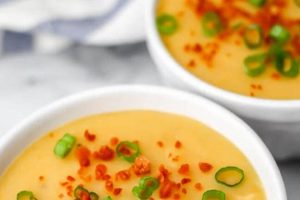
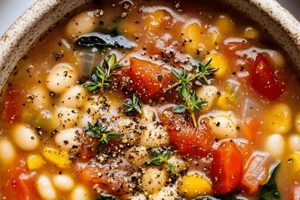
A chilled or warm dish crafted from the base of tomatillos, a small, green fruit encased in a papery husk, and entirely devoid of animal products, offers a refreshing and flavorful culinary experience. It often incorporates ingredients like onions, garlic, cilantro, and chili peppers for added depth. For example, pureed tomatillos simmered with vegetable broth, roasted poblano peppers, and spices result in a bright, zesty, and satisfying meal.
Its value lies in providing a nutrient-rich and plant-based option suitable for individuals adhering to vegan diets or seeking healthier eating choices. Tomatillos are a good source of vitamins C and K, as well as dietary fiber. The dish can be traced back to pre-Columbian Mexico, where tomatillos were a staple food. It represents a vibrant part of traditional Mexican cuisine adapted for contemporary dietary needs.
The subsequent sections will delve into the nutritional aspects, preparation methods, and variations of this increasingly popular meal, providing a detailed exploration of its components and culinary applications.
Preparation and Enhancement Techniques
The following suggestions aim to optimize the flavor and texture profile during creation, ensuring a consistently high-quality outcome.
Tip 1: Roast the Tomatillos. Roasting brings out the natural sweetness of the tomatillos and adds a depth of flavor not achievable through boiling. Place tomatillos under a broiler until slightly charred, then proceed with blending.
Tip 2: Balance Acidity. Tomatillos can be quite tart. Counteract this by incorporating a small amount of agave nectar or maple syrup to achieve a more balanced flavor profile.
Tip 3: Use Fresh Herbs Liberally. Fresh cilantro, oregano, or epazote, added at the end of the cooking process, significantly elevates the aromatic complexity. Finely chop and stir in just before serving.
Tip 4: Incorporate Roasted Peppers. Incorporating roasted poblano or jalapeo peppers adds a smoky and spicy element. Remove the seeds and veins for a milder heat or leave them in for a more intense experience.
Tip 5: Simmer for Flavor Development. After blending, allow the mixture to simmer for at least 20 minutes. This allows the flavors to meld and deepen.
Tip 6: Enhance with Avocado. A swirl of creamy avocado, added just before serving, provides a rich and textural contrast. Consider using avocado oil for cooking as well.
Tip 7: Control the Consistency. Add vegetable broth gradually to achieve the desired thickness. Some prefer a thinner, more brothy consistency, while others prefer a thicker, more substantial texture.
These techniques focus on enhancing the inherent qualities of the ingredients and optimizing the cooking process to deliver a superior culinary result. Experimentation with these methods allows for a personalized approach.
The subsequent section will offer variations and serving suggestions, expanding upon the potential applications and presentations of this versatile preparation.
1. Plant-based ingredients

Plant-based ingredients are the foundational and defining characteristic of vegan tomatillo soup. The complete absence of animal products is a non-negotiable requirement. This dictates the selection of all components, from the tomatillos themselves to the broth, spices, and garnishes. Consequently, the use of vegetable broth instead of chicken broth, or the exclusion of dairy-based creams or cheeses, are direct manifestations of the adherence to plant-based principles. Without this adherence, the dish ceases to be vegan. For instance, a standard tomatillo soup recipe calling for chicken broth would require a substitution with vegetable broth to align with plant-based guidelines. Similarly, any inclusion of meat, dairy, or eggs would fundamentally alter its categorization.
The practical significance of understanding this connection lies in its implications for dietary restrictions and ethical considerations. For individuals following a vegan lifestyle, it is essential to verify that all ingredients are plant-derived. Restaurants and food manufacturers must clearly label their products to accurately reflect their composition. The sourcing of plant-based ingredients also impacts the environmental footprint of the dish, with locally sourced and sustainably grown produce contributing to a more environmentally conscious culinary experience. Alternatives to traditional dairy-based creams, such as cashew cream or coconut cream, demonstrate the practical application of plant-based substitutions in achieving similar textures and flavors.
In summary, the dependence on plant-based ingredients is intrinsic to the concept of vegan tomatillo soup. It not only defines its dietary suitability but also carries ethical and environmental implications. The clear identification and mindful selection of plant-based components are essential for its accurate categorization and responsible preparation. This understanding provides a foundation for broader discussions on plant-based diets and sustainable culinary practices.
2. Tomatillo Base

The tomatillo base is the core defining element of the dish, imbuing it with its characteristic flavor profile and setting it apart from other culinary preparations. The unique tartness and slight sweetness of the tomatillo dictate the overall taste experience, influencing the selection of complementary ingredients and cooking methods.
- Source of Flavor
The tomatillo, a fruit encased in a papery husk, provides the foundational flavor. Its intrinsic acidity and subtle sweetness, released through roasting or boiling, create a distinctive taste profile. Without tomatillos, the dish would lack its defining characteristic. In culinary terms, the tomatillo base functions similarly to a tomato base in a traditional Italian marinara sauce. Its absence fundamentally alters the identity of the preparation.
- Textural Foundation
Pureed tomatillos contribute to the soup’s texture. Depending on the preparation method, the tomatillo base can range from a smooth, velvety consistency to a slightly chunky one. This textural element impacts the overall mouthfeel and eating experience. Consider the difference between a smooth cream-based soup and a rustic, chunky vegetable stew; the tomatillo base determines the initial textural impression.
- Nutrient Delivery System
Beyond flavor and texture, the tomatillo base delivers essential nutrients, including vitamins C and K, as well as dietary fiber. These nutrients contribute to the overall nutritional value of the vegan tomatillo soup. In comparison, a broth-based soup, while providing hydration and some minerals, often lacks the vitamin content inherent in the tomatillo.
- Determinant of Versatility
The tomatillo base provides a versatile platform for incorporating various ingredients and spices, allowing for a wide range of flavor combinations and culinary adaptations. This versatility enables chefs and home cooks to tailor the dish to their specific preferences and dietary needs. For example, roasted peppers, cilantro, and lime juice can be added to enhance the flavor complexity while maintaining the foundational tomatillo taste.
The tomatillo base is not merely an ingredient but the very essence of the dish. It dictates its flavor, texture, nutritional value, and versatility. Its presence transforms a generic vegetable soup into a distinctive and recognizable culinary experience, making it essential for understanding and appreciating the qualities of vegan tomatillo soup.
3. Flavor Complexity
Flavor complexity is a central characteristic that elevates it from a simple dish to a nuanced culinary experience. This intricacy arises from the layering of various ingredients and cooking techniques, resulting in a multi-dimensional taste profile that engages the palate.
- Spice Integration
The judicious use of spices plays a pivotal role in creating flavor complexity. Chili peppers, ranging from mild poblanos to hotter jalapeos, contribute varying degrees of heat. Cumin, coriander, and smoked paprika introduce earthy and smoky notes. The specific combination and quantity of spices significantly impact the overall flavor profile. For instance, a small amount of chipotle powder can add a deep, smoky undertone, while an excess of cayenne pepper can overwhelm the other flavors.
- Herbaceous Elements
Fresh herbs, such as cilantro, oregano, and epazote, contribute aromatic layers and brightness. Cilantro, often added at the end of cooking, provides a fresh, citrusy note. Oregano offers a more robust, savory flavor, while epazote, a traditional Mexican herb, imparts a distinctive, slightly medicinal taste. The timing of herb addition is critical; adding herbs too early can result in their flavors dissipating during cooking, while adding them late preserves their vibrancy.
- Roasting and Charring
Roasting tomatillos and other vegetables, such as onions and garlic, before blending introduces a caramelized sweetness and smoky depth. The Maillard reaction, occurring during roasting, creates hundreds of flavor compounds that enhance the overall complexity. Charring the tomatillos slightly can further intensify the smoky notes, but over-charring can result in a bitter taste.
- Acidity and Sweetness Balance
The inherent acidity of tomatillos requires a careful balancing act with sweetness and other flavors. Lime juice or vinegar can enhance the tartness, while a small amount of agave nectar or maple syrup can provide counterpoint. The interplay between acidity and sweetness creates a more balanced and engaging flavor profile. The ratio of acidic to sweet elements is crucial; too much acidity can make the dish unpalatable, while too much sweetness can mask the other flavors.
The achieved within a bowl hinges on the deliberate and skillful manipulation of these elements. The careful selection and integration of spices, herbs, roasting techniques, and flavor balancing agents contribute to a harmonious and layered taste experience. This culinary approach underscores the potential for plant-based cuisine to deliver intricate and satisfying flavor profiles.
4. Nutrient profile

The nutrient profile of vegan tomatillo soup warrants examination due to its contribution to overall dietary health and its alignment with plant-based nutritional guidelines. An understanding of its vitamin, mineral, and macronutrient composition is crucial for individuals seeking balanced nutrition.
- Vitamin C Content
Tomatillos are a source of Vitamin C, an antioxidant involved in immune function and collagen synthesis. Regular consumption of vegan tomatillo soup may contribute to meeting daily Vitamin C requirements. The stability of Vitamin C during the cooking process, however, may be affected by heat and duration, necessitating consideration of preparation methods to optimize retention.
- Fiber Contribution
The dietary fiber content of vegan tomatillo soup stems from the tomatillos themselves as well as added vegetables such as onions, peppers, and garlic. Fiber promotes digestive health, regulates blood sugar levels, and contributes to satiety. The amount of fiber can vary depending on the specific recipe and the quantity of vegetables included.
- Mineral Composition
Vegan tomatillo soup provides minerals such as potassium and manganese, essential for various physiological functions. Potassium supports blood pressure regulation, while manganese is involved in antioxidant defense. The presence and concentration of these minerals are influenced by the soil composition in which the vegetables are grown.
- Macronutrient Distribution
Vegan tomatillo soup is generally low in fat and moderate in carbohydrates, with protein content dependent on added ingredients such as beans or lentils. The macronutrient distribution makes it a suitable option for individuals seeking a light and nutritious meal. The inclusion of plant-based protein sources can enhance its nutritional completeness.
In summary, the inherent nutrient profile of vegan tomatillo soup is primarily characterized by its Vitamin C, fiber, and mineral content. Strategic addition of ingredients can improve the macronutrient composition, solidifying its position as a healthy meal option when balanced and mindfully prepared.
5. Culinary Adaptability

Culinary adaptability, in the context of vegan tomatillo soup, refers to its capacity to be modified and tailored to diverse dietary requirements, regional preferences, and available ingredients. This inherent flexibility enhances its appeal and accessibility across various culinary landscapes.
- Ingredient Substitution
Adaptability manifests in the ability to substitute ingredients based on availability or dietary restrictions. For example, if fresh tomatillos are unavailable, canned tomatillos, though imparting a slightly different flavor, can be used. Similarly, different types of chili peppers can be employed to adjust the spice level to accommodate varying tolerances. A nut allergy might necessitate the substitution of cashew cream with sunflower seed cream for richness and texture. These substitutions allow the core concept of the dish to remain intact while catering to specific needs.
- Flavor Profile Modulation
The flavor profile can be adjusted to suit regional or personal preferences. In some regions, lime juice might be a common addition to enhance the acidity, while in others, roasted corn could be incorporated to add sweetness and texture. The inclusion of smoked paprika can impart a smoky flavor reminiscent of southwestern cuisine. These modifications demonstrate the adaptability of the dish to different culinary traditions and taste preferences.
- Consistency Adjustment
The soup’s consistency can be altered to suit individual preferences. It can range from a thin, broth-like consistency to a thick, creamy texture. The addition of more vegetable broth can create a lighter soup, while blending in cooked potatoes or adding pureed beans can create a thicker, more substantial dish. This adaptability allows for variations suitable for different meal types and occasions.
- Garnish and Presentation Variations
The final presentation can be adapted using a variety of garnishes. Fresh cilantro, diced avocado, toasted pepitas, or a swirl of vegan sour cream can enhance the visual appeal and add textural contrast. The choice of garnish can also reflect regional influences or personal preferences, further demonstrating the adaptability of the preparation.
The ease with which vegan tomatillo soup can be modified and adapted underscores its versatility as a culinary creation. This inherent flexibility contributes to its widespread appeal and ensures its relevance across diverse cultural and dietary contexts. Its acceptance into various cuisines highlights its potential for future innovation and culinary exploration.
6. Preparation techniques

Preparation techniques are critical determinants of the final quality and characteristics of vegan tomatillo soup. Proper execution of these methods influences not only the flavor and texture but also the nutritional value and overall palatability of the dish. The following points detail key facets of preparation and their impact.
- Roasting Protocols
Roasting tomatillos, onions, garlic, and peppers prior to blending significantly alters the flavor profile. Roasting promotes caramelization and the Maillard reaction, generating complex flavors that are absent in boiled or steamed vegetables. Inadequately roasted vegetables lack depth of flavor, while excessive charring introduces bitterness. Optimal roasting involves even browning and slight softening of the vegetables. The resulting soup exhibits a richer, more developed taste.
- Spice Tempering
Tempering spices involves briefly heating them in oil to release their aromatic compounds. This technique enhances the flavor intensity and distribution of spices throughout the soup. Untempered spices may remain raw and impart a less integrated flavor. Over-tempering, however, can lead to burning and a bitter taste. The correct oil temperature and duration of tempering are crucial for achieving the desired aromatic release. The properly tempered spices create a more harmonious and balanced flavor.
- Blending Methods
The blending process dictates the final texture of the soup. Immersion blenders or standard blenders can be used, each producing a different consistency. Over-blending can result in an excessively smooth and homogenous texture, while under-blending leaves undesirable chunks. Adding vegetable broth gradually during blending allows for precise control of the soup’s thickness. The chosen blending method directly impacts the textural experience.
- Simmering Duration
Simmering the blended soup allows flavors to meld and intensify. A prolonged simmering period facilitates a greater integration of flavors, resulting in a more cohesive and complex taste. Insufficient simmering leaves the flavors disjointed and less developed. The optimal simmering time varies depending on the specific ingredients and desired flavor intensity. Proper simmering enhances the overall flavor harmony.
These facets of preparation techniques collectively define the sensory experience. Mastering these elements is essential for producing a dish that is both flavorful and visually appealing, which enhances the overall culinary value.
Frequently Asked Questions
The following questions address common inquiries regarding the preparation, ingredients, and nutritional aspects of vegan tomatillo soup.
Question 1: Can canned tomatillos be substituted for fresh tomatillos in the preparation of the dish?
Canned tomatillos can serve as a substitute for fresh tomatillos, though the flavor profile may differ slightly. Canned tomatillos often possess a more acidic and less nuanced flavor than their fresh counterparts. Adjustments to seasoning may be necessary to compensate for these differences.
Question 2: What are suitable vegan alternatives for sour cream or crema as a garnish?
Several plant-based alternatives exist for sour cream or crema. Cashew cream, made from blended cashews and water, provides a rich and creamy texture. Coconut cream, derived from the thick portion of refrigerated coconut milk, offers a similar consistency. Commercially available vegan sour cream alternatives also provide a convenient option.
Question 3: How can the spice level be adjusted to accommodate varying preferences?
The spice level can be modulated by selecting different varieties of chili peppers or by adjusting the quantity used. Removing the seeds and membranes from chili peppers reduces their heat. For those preferring a milder dish, poblano peppers or Anaheim peppers offer a gentler flavor profile. Conversely, jalapeos or serrano peppers can increase the spiciness.
Question 4: What plant-based protein sources can be incorporated to enhance the nutritional value?
Several plant-based protein sources can be added to increase the protein content. White beans or kidney beans contribute both protein and fiber. Lentils, either red or green, provide a substantial protein boost. Tofu or tempeh, diced and sauted, add a protein-rich component. The selection depends on desired texture and flavor compatibility.
Question 5: How should leftovers be stored, and what is the expected shelf life?
Leftover vegan tomatillo soup should be stored in an airtight container in the refrigerator. Properly stored, it typically remains palatable for three to four days. Freezing is also an option for longer-term storage, though texture may be slightly altered upon thawing. Ensure the soup has cooled to room temperature before refrigerating or freezing.
Question 6: Can this soup be prepared in advance, and are there any considerations for doing so?
This dish can be prepared in advance, allowing flavors to meld and deepen. However, certain ingredients, such as fresh herbs, are best added just before serving to maintain their vibrancy. Store the prepared soup in the refrigerator until ready to serve. Reheating should be done gently to prevent scorching.
In conclusion, familiarity with ingredient substitutions, flavor adjustments, and storage protocols enables individuals to personalize and maintain the quality of the dish.
The following section will provide relevant source citations used for this work.
Conclusion
The preceding analysis has explored multiple facets of vegan tomatillo soup, encompassing its ingredients, preparation methods, nutritional profile, and culinary adaptability. The examination underscores its viability as a plant-based dietary option and its potential for diverse culinary applications. Emphasis has been placed on the importance of informed preparation techniques to optimize flavor and nutritional value.
Continued investigation into plant-based culinary practices is warranted to promote informed dietary choices. Vegan tomatillo soup serves as a model for evaluating the potential of plant-based alternatives to contribute to both individual well-being and sustainable food systems. Further research into optimization and integration into other cultures is recommended.