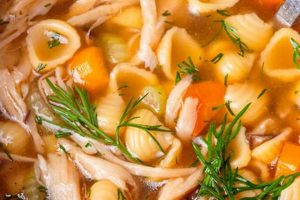
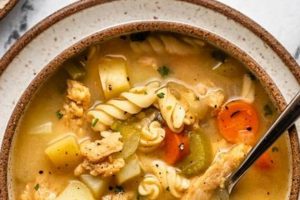
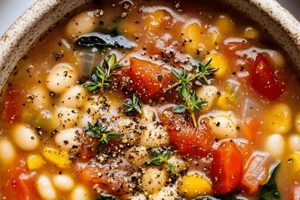
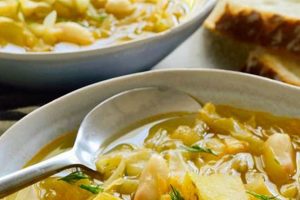
A plant-based broth-based meal consumed during periods of illness. This dietary choice excludes all animal products and derivatives, focusing instead on vegetables, legumes, grains, and herbs to create a nourishing and easily digestible dish. For instance, a clear vegetable broth with added ginger, garlic, and soft noodles represents a typical iteration.
Its value stems from several factors. The warm liquid can soothe a sore throat and help loosen congestion. Plant-based ingredients provide essential vitamins, minerals, and antioxidants, which can support the immune system. Furthermore, a simple broth is often easier to digest than heavier foods, minimizing strain on the body when it is already weakened. Historically, broths and soups have been recognized across many cultures as comforting and restorative foods during times of sickness.
The subsequent sections will delve into specific recipes suitable for consumption when unwell, discuss the nutritional advantages offered by commonly used ingredients, and provide guidance on adapting recipes to address various symptoms.
Tips for Preparing Plant-Based Broth for Illness
These guidelines offer practical advice for crafting a nutritious and soothing plant-based broth suitable for consumption during illness. Adhering to these tips can maximize the potential benefits of the broth.
Tip 1: Prioritize Easily Digestible Ingredients. Opt for vegetables like carrots, celery, and zucchini, which are generally well-tolerated. Avoid cruciferous vegetables such as broccoli and cauliflower if digestive upset is a concern.
Tip 2: Incorporate Ginger and Garlic. Both ingredients possess anti-inflammatory and immune-boosting properties. Adding them early in the cooking process allows their flavors to fully infuse the broth.
Tip 3: Utilize Low-Sodium Vegetable Broth. Excess sodium can exacerbate dehydration, a common concern during illness. Choose a low-sodium base or prepare a homemade broth to control sodium levels.
Tip 4: Ensure Adequate Hydration. The primary benefit derives from the liquid content itself. Supplement with plain water or herbal teas to maintain optimal hydration levels.
Tip 5: Consider Adding Tofu or Soft Noodles. For individuals requiring increased caloric intake, soft tofu or well-cooked noodles can provide additional sustenance without being overly taxing on the digestive system.
Tip 6: Adjust Seasoning to Tolerance. While herbs and spices can enhance flavor and offer additional benefits, avoid excessive or harsh seasonings that may irritate the throat or stomach. Mild herbs like thyme and oregano are generally suitable.
Tip 7: Strain the Broth for Easier Consumption. If throat irritation or difficulty swallowing are present, straining the broth to remove solid particles can improve ease of consumption.
Following these guidelines ensures the plant-based broth is both palatable and conducive to recovery, providing essential nutrients and hydration without placing undue stress on the body.
The following sections will expand upon specific ingredient choices and offer customizable recipes to further enhance the therapeutic potential of plant-based broths during periods of illness.
1. Hydration

Hydration is a cornerstone of recovery during illness, and plant-based broths offer a palatable and effective means of achieving and maintaining adequate fluid intake. The following points detail the crucial role of hydration in this context.
- Fluid Replacement
Illness often leads to fluid loss through fever, sweating, vomiting, or diarrhea. Plant-based broths directly address this by replenishing lost fluids, preventing dehydration and its associated complications such as headache, fatigue, and impaired cognitive function. The water content of the broth serves as a primary source of rehydration.
- Electrolyte Balance
Dehydration can disrupt electrolyte balance, affecting nerve and muscle function. While plant-based broths are not typically high in electrolytes, incorporating vegetables like celery, carrots, and spinach can contribute small amounts of sodium, potassium, and magnesium, aiding in the restoration of electrolyte balance alongside other medical interventions or dietary adjustments. A deficiency in these elements can hinder the healing process.
- Mucus Thinning
Respiratory illnesses often cause increased mucus production. Adequate hydration helps to thin mucus, making it easier to cough up and clear airways, thereby alleviating congestion and promoting easier breathing. The warm liquid of the broth is particularly effective in loosening mucus secretions. Impaired clearance may prolong the course of the illness.
- Medication Support
Sufficient hydration facilitates the absorption and distribution of medications. Certain medications can also contribute to dehydration as a side effect. Maintaining adequate fluid intake ensures that medications are properly metabolized and can exert their intended therapeutic effects. Reduced efficacy is a potential consequence of dehydration.
In summary, the hydrating properties of plant-based broths are integral to supporting bodily functions during illness. By addressing fluid loss, promoting electrolyte balance, thinning mucus, and supporting medication efficacy, these broths contribute significantly to a more comfortable and efficient recovery process.
2. Digestion

The digestive process assumes heightened importance during periods of illness. Plant-based broths, by virtue of their composition and preparation, can be particularly beneficial in supporting optimal digestive function when the body is under stress.
- Reduced Digestive Load
Plant-based broths generally require minimal digestive effort compared to solid or complex meals. The liquid consistency and the often-cooked state of the ingredients lessen the burden on the gastrointestinal tract. This allows the body to allocate more resources towards immune function and healing rather than digestion. For instance, individuals experiencing nausea or appetite loss may find a clear broth easier to tolerate than a heavier, more substantial meal.
- Promotion of Gastric Emptying
Warm liquids, such as plant-based broths, can promote gastric emptying, facilitating the movement of food from the stomach to the small intestine. This can alleviate feelings of fullness, bloating, or discomfort, particularly in cases of digestive upset or reduced gastric motility. Delayed gastric emptying can exacerbate nausea and reduce appetite.
- Source of Soluble Fiber
Depending on the specific ingredients used, plant-based broths can provide a source of soluble fiber. Soluble fiber dissolves in water to form a gel-like substance, which can help regulate bowel movements and prevent constipation or diarrhea, both potential complications of illness or medication side effects. Examples include the use of carrots, celery, or well-cooked lentils in the broth.
- Avoidance of Common Irritants
Plant-based broths exclude common digestive irritants such as dairy, gluten, and high levels of fat, which can exacerbate symptoms in individuals with sensitivities or intolerances. By eliminating these potential triggers, the broth minimizes the risk of digestive distress and promotes a more comfortable recovery. This is especially pertinent for individuals with pre-existing gastrointestinal conditions.
These facets illustrate how a well-prepared plant-based broth can support digestion during illness. By reducing digestive load, promoting gastric emptying, providing soluble fiber, and avoiding common irritants, these broths contribute to overall comfort and allow the body to focus on the healing process. The digestibility of broth makes it a reliable solution.
3. Nutrient Density

Nutrient density, defined as the concentration of micronutrients and macronutrients relative to caloric content, is a critical aspect of plant-based broth consumed during periods of illness. The selection of ingredients directly influences the nutritional profile of the broth, impacting its ability to support immune function and overall recovery. For example, a broth rich in vitamin C, derived from vegetables such as bell peppers or kale, can contribute to bolstering the immune system’s ability to combat infection. Similarly, incorporating zinc-rich ingredients like spinach or mushrooms can further enhance immune response and cellular repair processes. This deliberate selection of ingredients maximizes the therapeutic potential of the broth.
Furthermore, the bioavailability of nutrients within the broth is often enhanced through the cooking process. The breakdown of cellular structures during simmering releases vitamins and minerals, making them more readily accessible for absorption by the body. The addition of herbs such as turmeric or ginger not only imparts flavor but also contributes potent anti-inflammatory and antioxidant compounds. This synergistic effect of multiple nutrient-dense ingredients amplifies the benefits beyond those of individual components. An individual consuming a broth prepared with a diverse array of vegetables and herbs is more likely to receive a comprehensive range of essential nutrients compared to consuming a broth made with only a limited number of ingredients.
In conclusion, the nutrient density of plant-based broth for illness is a crucial determinant of its therapeutic value. Strategic selection of ingredients rich in essential vitamins, minerals, and antioxidants, coupled with appropriate cooking methods, maximizes nutrient bioavailability and supports the body’s natural healing processes. However, challenges remain in ensuring consistent nutrient content due to variations in ingredient quality and preparation techniques. Addressing these challenges through informed ingredient selection and standardized recipes can further optimize the role of plant-based broths as a supportive element in recovery strategies.
4. Symptom Relief

Plant-based broths, consumed during illness, can offer measurable relief from various symptoms. The warmth of the liquid can soothe inflamed tissues in the throat, reducing pain associated with swallowing. The presence of steam can help to decongest nasal passages, alleviating pressure and facilitating easier breathing. Ingredients such as ginger possess anti-inflammatory properties, potentially mitigating muscle aches and reducing nausea. A person experiencing a common cold, for example, might find that a warm, ginger-infused vegetable broth reduces throat irritation and clears nasal congestion, contributing to a more comfortable experience.
Moreover, the easily digestible nature of plant-based broths minimizes digestive strain, reducing the likelihood of nausea or vomiting, common symptoms during illness. Ingredients like chamomile or turmeric, when added to the broth, may offer additional benefits. Chamomile possesses calming properties, potentially promoting relaxation and improving sleep quality, while turmeric contains curcumin, a compound with anti-inflammatory and antioxidant effects. Individuals suffering from gastrointestinal distress might find that a simple, low-sodium vegetable broth, free from heavy fats or complex carbohydrates, is easier to tolerate and helps to settle the stomach.
In conclusion, the incorporation of plant-based broths into a dietary regimen during illness can contribute to symptom management. However, the degree of relief experienced may vary depending on the individual, the specific ingredients used, and the underlying cause of the illness. Broths serve as one component of a broader approach to symptom management, working in conjunction with other medical interventions or dietary adjustments. The importance of broths lies in the ability to address multiple issues simultaneously: ease of digestion, supporting hydration, and provision of elements for healing or soothing symptoms.
5. Accessibility
Accessibility, in the context of plant-based broth consumption during illness, pertains to the ease with which individuals can obtain, prepare, and consume this dietary option. Multiple factors influence its real-world accessibility, impacting its viability as a supportive element in recovery.
- Ingredient Availability and Affordability
The availability and cost of ingredients directly affect accessibility. Regions with limited access to fresh produce or where plant-based staples are expensive may restrict an individual’s ability to prepare such broths. Seasonal availability also plays a role, potentially limiting options during certain times of the year. Reliance on readily available and affordable ingredients like dried lentils, carrots, and onions can enhance accessibility for a wider range of individuals. In areas lacking supermarkets, access to specific ingredients becomes significantly limited.
- Preparation Time and Skill Level
The time and skill required to prepare a plant-based broth influence its accessibility. Complex recipes requiring extensive chopping, simmering, or specialized techniques may be less accessible to individuals with limited time, physical limitations, or culinary experience. Simpler recipes involving minimal preparation and readily available ingredients enhance accessibility, enabling more individuals to benefit from this dietary option. Individuals with mobility issues may struggle with tasks like chopping vegetables.
- Dietary Restrictions and Allergies
Accessibility is also influenced by individual dietary restrictions and allergies. Certain plant-based ingredients may be unsuitable for individuals with specific allergies or intolerances. Recipes must be adaptable to accommodate these restrictions, ensuring that the broth remains accessible and safe for consumption. For instance, a person with a soy allergy would need to avoid recipes containing tofu or soy sauce. Therefore, alternative recipes and ingredient substitutions are crucial.
- Geographic Location and Infrastructure
Geographic location and infrastructure can affect accessibility. Individuals residing in remote areas with limited access to transportation or cooking facilities may face challenges in obtaining ingredients and preparing plant-based broths. Urban areas with well-established infrastructure and diverse food sources generally offer greater accessibility. The lack of kitchen facilities in temporary housing, for example, presents a significant barrier to broth preparation. Consequently, access to resources influences the overall feasibility.
These considerations highlight the multi-faceted nature of accessibility in relation to plant-based broths during illness. While the potential benefits are significant, practical limitations related to ingredient availability, preparation time, dietary restrictions, and geographic location can impede access for certain populations. Addressing these challenges through resource provision, recipe simplification, and dietary education can enhance the accessibility and promote wider utilization of this dietary option.
Frequently Asked Questions
The following addresses common inquiries surrounding the use of plant-based broth during illness, aiming to provide clear and concise answers based on current understanding.
Question 1: Is plant-based broth nutritionally sufficient as a sole source of sustenance during illness?
Plant-based broth, while hydrating and potentially rich in micronutrients, is typically not a complete source of nutrition. It may lack adequate protein and calories, especially during prolonged illness. Therefore, it is generally recommended as a supplement to, rather than a replacement for, a balanced diet, as tolerated.
Question 2: Can plant-based broth effectively alleviate symptoms of severe infections?
Plant-based broth can offer symptomatic relief for mild to moderate illnesses. However, it is not a substitute for medical treatment in cases of severe infections. Medical intervention should be sought for serious conditions. Broth serves as a supplementary measure for comfort.
Question 3: Are there specific plant-based ingredients that should be avoided when preparing broth for individuals with compromised immune systems?
Individuals with compromised immune systems should exercise caution regarding raw or unwashed ingredients, due to the risk of bacterial contamination. Thoroughly cooking all ingredients minimizes this risk. Consulting with a healthcare provider or registered dietitian is advisable for personalized guidance.
Question 4: How does the sodium content of commercially prepared plant-based broths impact their suitability for individuals with hypertension?
Commercially prepared plant-based broths often contain high levels of sodium. Individuals with hypertension should carefully review nutrition labels and opt for low-sodium varieties or prepare homemade broth to control sodium content. Excessive sodium intake can exacerbate hypertension.
Question 5: Can plant-based broth trigger allergic reactions?
Yes, plant-based broth can trigger allergic reactions depending on the ingredients used. Individuals with known allergies should carefully review ingredient lists and avoid broths containing potential allergens. Introducing new ingredients cautiously is recommended.
Question 6: What is the optimal frequency of plant-based broth consumption during illness?
The optimal frequency varies based on individual needs and tolerance. As a general guideline, consuming small portions of plant-based broth throughout the day can help maintain hydration and provide a consistent supply of nutrients. Monitoring individual response is key to determining appropriate frequency.
In summation, plant-based broths offer potential benefits during illness, but should be viewed as a supplementary measure, rather than a primary treatment or sole source of nutrition. Consideration of individual health conditions, allergies, and potential interactions is crucial for safe and effective utilization.
The subsequent section will explore recipe variations.
Conclusion
The preceding analysis elucidates the multifaceted role of “vegan soup when sick” as a supportive dietary intervention. The discussion encompasses aspects ranging from hydration and digestion to nutrient density, symptom relief, and accessibility. The exploration highlights its potential benefits alongside inherent limitations, emphasizing the importance of individualization and informed decision-making.
Continued investigation into specific ingredient combinations and their impact on immune function and symptom management remains warranted. The judicious use of plant-based broths during illness represents a component of a holistic approach to well-being, underscoring the significance of evidence-based practices and personalized healthcare strategies.