Dishes within the realm of Italian cookery, traditionally known for incorporating ingredients of animal origin, can be adapted to plant-based diets. This adaptation yields flavorful broths and stews utilizing vegetables, legumes, and pasta, showcasing the versatility of Italian culinary techniques without the inclusion of meat or dairy. For example, a ribollita, typically a hearty bread and vegetable soup, can be prepared without parmesan cheese or meat-based broth, maintaining its rustic character through the use of olive oil and seasonal produce.
The practice of crafting vegetable-centric broths holds historical significance within Italian regional cooking. Prior to widespread affluence, many rural communities relied heavily on available garden produce. Emphasizing the skillful layering of flavors from humble ingredients offers nutritional benefits and aligns with principles of sustainable eating. Such approaches can often provide fiber, vitamins, and minerals, contributing to a balanced diet. Furthermore, the reduced reliance on animal products can have a positive environmental impact.
This exploration will delve into specific preparations, offering insights into ingredient selection, cooking methods, and the cultural origins that inform the creation of authentic, plant-based Italian broths and stews. The focus will remain on delivering practical information for both home cooks and culinary professionals seeking to expand their knowledge of this evolving culinary landscape.
Guidance on Preparing Plant-Based Italian Broths and Stews
Considerations for achieving optimal flavor and texture are essential when replicating traditionally animal-product-based Italian recipes with solely plant-derived ingredients. These guidelines offer practical advice for culinary success.
Tip 1: Emphasize Vegetable Broth Quality: A robust vegetable broth forms the foundation of successful preparations. Utilize a variety of vegetables, including onions, carrots, celery, and mushrooms, and simmer for an extended period to extract maximum flavor. Avoid over-salting, as flavors will concentrate during cooking.
Tip 2: Leverage Umami-Rich Ingredients: Introduce ingredients high in umami to compensate for the absence of meat-based flavors. Sun-dried tomatoes, roasted vegetables, mushrooms (especially dried porcini), and nutritional yeast can impart depth and complexity to the dish.
Tip 3: Master Bean Cookery: Cannellini beans, borlotti beans, and other Italian varieties are integral components. Properly soaking and cooking dried beans enhances their texture and digestibility. Employ aromatics like garlic, sage, and rosemary during the cooking process to infuse flavor.
Tip 4: Embrace Olive Oil Generously: High-quality extra virgin olive oil is not merely a cooking medium but a flavor enhancer. Use it liberally throughout the cooking process, both for sauting vegetables and for finishing the dish, adding richness and aroma.
Tip 5: Utilize Fresh Herbs: Fresh herbs such as basil, parsley, oregano, and thyme are crucial for achieving authentic Italian flavor profiles. Add herbs towards the end of cooking to preserve their volatile oils and maximize their impact.
Tip 6: Experiment with Plant-Based Cheeses: Consider incorporating plant-based Parmesan alternatives or nutritional yeast for a cheesy flavor. These can be grated over the finished dish or blended into the broth for added richness.
Tip 7: Control Acidity Levels: A touch of acidity can brighten the overall flavor profile. A squeeze of lemon juice or a splash of balsamic vinegar added towards the end of cooking can enhance the taste.
These strategies enable the creation of flavorful and satisfying plant-based versions of classic Italian broths and stews. Adherence to these principles contributes to both culinary excellence and ethical dietary choices.
The following sections will provide specific recipe adaptations and address common challenges encountered when preparing plant-based Italian cuisine.
1. Ingredients

The selection and preparation of ingredients are pivotal determinants of the quality and authenticity of plant-based Italian broths and stews. Unlike traditional Italian soups, which often rely on meat or dairy for flavor and texture, plant-based versions depend entirely on the intrinsic qualities of the chosen vegetables, legumes, and herbs. The quality of these components has a direct effect on the overall taste profile; for instance, using ripe, in-season tomatoes will yield a sweeter, more intense flavor in a tomato-based soup compared to using unripe or out-of-season alternatives. Cause and effect are intimately linked: superior ingredients consistently produce superior results.
The strategic combination of various vegetables is equally important. The use of a mirepoix (onion, carrot, and celery) as a base, for example, provides a foundational sweetness and aromatic complexity. The addition of other vegetables, such as potatoes or squash, contributes to the soups body and texture. Legumes, like cannellini beans or lentils, introduce protein and fiber, enhancing the nutritional value and satiety. For example, a minestrone gains much of its flavor from the combination of vegetables like zucchini, green beans, and cabbage, each contributing a unique element to the overall taste and texture. Furthermore, the freshness and quality of herbs like basil, oregano, and rosemary significantly impact the aromatic dimension of the finished dish. A handful of fresh basil added at the end of cooking, for instance, can elevate the entire flavor profile.
Ultimately, an understanding of the characteristics of individual ingredients and their synergistic potential is essential for creating compelling plant-based Italian broths and stews. Challenges associated with replicating the richness of meat-based broths can be mitigated through careful ingredient selection and skillful combination. The commitment to sourcing high-quality, seasonal produce, combined with a knowledge of flavor pairings, offers a practical path toward crafting authentic and flavorful plant-based alternatives. Success lies in leveraging the inherent flavors of the plant kingdom to create broths and stews that are both satisfying and representative of Italian culinary traditions.
2. Broth Base

The foundation of any successful plant-based Italian broth or stew resides in the quality and composition of its broth. Without the traditional richness derived from meat bones or dairy, the broth base must independently provide depth of flavor and a satisfying mouthfeel. The specific characteristics of the base directly influence the final product; a weak or bland broth will inevitably lead to a lackluster outcome. Cause and effect are clear: an intentional and well-crafted broth base is essential for creating a robust and flavorful vegan Italian soup.
Achieving a desirable broth typically involves a combination of several strategies. One common approach is the extensive simmering of vegetables, such as onions, carrots, celery, garlic, and mushrooms, to extract their inherent flavors. These vegetables can be roasted before simmering to enhance their sweetness and umami. Another tactic involves incorporating dried mushrooms, particularly porcini, which contribute a significant depth of flavor. The addition of sun-dried tomatoes, which possess a concentrated umami taste, can also be beneficial. A small amount of tomato paste, caramelized in the pot before adding liquid, can further enhance the broth’s richness. The use of vegetable bouillon cubes or powders should be approached cautiously, as these often contain high levels of sodium and may impart an artificial flavor. If used, they should be chosen carefully and used sparingly. Examples of successful broths include those simmered for several hours with roasted vegetables and dried mushrooms, resulting in a dark, deeply flavored liquid, and those infused with fresh herbs and aromatics for a brighter, more vibrant flavor.
Creating an effective broth base for plant-based Italian soups presents certain challenges. One challenge is replicating the richness and collagen content found in meat-based broths. To overcome this, some recipes incorporate ingredients like seaweed or agar-agar to add body and a subtle savory note. Another challenge is avoiding a broth that is overly sweet or vegetal. Balancing the sweetness of vegetables with savory and umami elements is crucial. Understanding these nuances and actively addressing the specific challenges through careful ingredient selection and technique is essential for producing a plant-based Italian broth that serves as a worthy foundation for the final dish. Further refinement comes from adjusting seasoningsalt, pepper, and perhaps a touch of acidityat the end of cooking to brighten the flavors and achieve a balanced taste.
3. Bean Varieties

Beans constitute a cornerstone of numerous plant-based diets, playing a particularly significant role in vegan adaptations of Italian soups. Their versatility extends beyond mere sustenance, contributing substantially to both the flavor profile and textural complexity of these dishes.
- Cannellini Beans: The Creamy Foundation
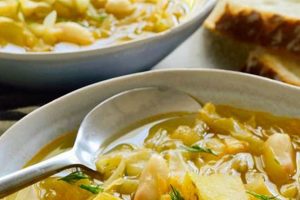
Cannellini beans, known for their kidney-like shape and creamy texture, are frequently employed to create a rich, velvety base in soups. Their mild flavor readily absorbs the surrounding flavors of herbs and vegetables. A classic example is their inclusion in ribollita, where they contribute to the soup’s hearty character. The substitution of cannellini beans for dairy products allows the development of a creamy consistency without animal-derived fats.
- Borlotti Beans: The Nutty Accent
Borlotti beans, characterized by their speckled appearance and subtly nutty flavor, introduce a layer of depth and complexity to vegan Italian soups. They maintain their form well during cooking, providing a satisfying textural contrast to softer components. In minestrone variations, borlotti beans offer a robust counterpoint to the lighter vegetables, enhancing the overall sensory experience.
- Fava Beans: The Springtime Delicacy
Fava beans, available primarily in spring, contribute a distinctive, slightly bitter flavor and a firm texture. Their use is often associated with seasonal soups, offering a fresh and vibrant element. After double-shelling and blanching, fava beans can be incorporated into springtime vegetable soups, adding a touch of sophistication and a welcome change from more common bean varieties.
- Lentils: The Quick and Easy Option
While technically not beans, lentils are often used interchangeably in soups. They cook relatively quickly and come in various colors, each offering a slightly different flavor profile. Red lentils tend to disintegrate, thickening the soup, while green or brown lentils retain their shape. Lentil soup, a simple yet satisfying dish, showcases the adaptability of this ingredient in providing both substance and flavor.
The careful selection and preparation of bean varieties significantly impact the overall quality and authenticity of plant-based Italian soups. Each type offers a unique contribution, from creamy textures to nutty accents, allowing for a diverse range of flavors and culinary experiences. Incorporating these legumes skillfully ensures a balanced and nourishing meal while adhering to vegan dietary principles. The absence of animal products necessitates a heightened understanding of the potential offered by plant-based ingredients, particularly in the realm of bean cookery.
4. Herb Infusion
Herb infusion is a critical element in the creation of authentic and flavorful plant-based Italian broths and stews. The absence of meat or dairy necessitates a heightened emphasis on aromatic complexity, making the strategic use of herbs indispensable for achieving depth and balance in these dishes. The following points detail specific facets of herb infusion as it relates to the preparation of vegan Italian soups.
- Basil: The Essence of Summer
Basil, particularly Genovese basil, is an integral component of many Italian recipes. Its sweet, slightly peppery flavor is best expressed when added fresh, near the end of cooking. A chiffonade of basil leaves stirred into a minestrone or drizzled over a tomato-based soup infuses the dish with a vibrant aroma characteristic of summer in Italy. The impact of fresh basil is significant, providing a counterpoint to the often-rich flavors of the other ingredients.
- Oregano: The Earthy Undertone
Oregano, whether fresh or dried, imparts an earthy and slightly pungent note that complements heartier vegetable stews. Dried oregano is often incorporated early in the cooking process, allowing its flavors to meld with the other ingredients, while fresh oregano can be added towards the end for a brighter finish. Its presence contributes to the complexity of flavors, preventing the soup from tasting flat or one-dimensional.
- Rosemary: The Piney Aroma
Rosemary lends a distinct piney aroma and a robust flavor to soups containing beans or root vegetables. Sprigs of rosemary can be simmered in the broth to infuse it with its characteristic scent, or finely chopped rosemary can be sauted with vegetables at the start of cooking. This herb is particularly effective in balancing the sweetness of vegetables like carrots and squash, adding a savory dimension to the dish.
- Sage: The Savory Touch
Sage offers a savory and slightly peppery flavor that pairs well with richer, creamier soups. Its distinct aroma can be infused by frying sage leaves in olive oil and then drizzling the infused oil over the soup as a finishing touch. Sage is often used in combination with beans or potatoes, enhancing their inherent flavors and adding a layer of sophistication to the overall taste profile.
The application of these herbs, either individually or in combination, transforms simple vegetable broths into complex and nuanced culinary creations. The timing of the herb infusion, whether at the beginning, during, or at the end of the cooking process, influences the intensity and character of the final flavor. The careful consideration of herb selection and application is essential for achieving authentic and satisfying plant-based Italian soups.
5. Texture Balance

Achieving a harmonious texture balance is paramount in the creation of compelling plant-based Italian broths and stews. The absence of meat and dairy components, which traditionally contribute to the richness and body of these dishes, necessitates a strategic approach to incorporating textural elements through plant-derived ingredients.
- The Role of Legumes
Legumes, such as cannellini beans or lentils, provide a creamy or substantial texture, depending on the cooking method and bean variety. Some beans are partially mashed or pureed to thicken the broth, while others are left whole to provide a distinct bite. Their presence prevents the soup from being excessively thin or watery.
- The Importance of Vegetables
Vegetables contribute a range of textures, from the soft, yielding consistency of cooked zucchini to the firm bite of diced carrots. A variety of vegetables, prepared using different cooking techniques (e.g., roasting, sauting, or simmering), is deployed to create a multi-layered textural experience. For example, the combination of pureed squash and al dente green beans can create an interesting interplay of textures.
- The Impact of Pasta
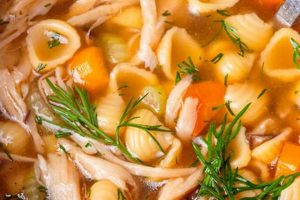
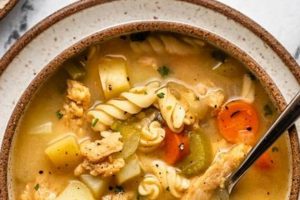
Small pasta shapes, such as ditalini or orzo, are often added to Italian soups for added texture and substance. The pasta should be cooked al dente to prevent it from becoming mushy, ensuring it provides a pleasant chewiness that contrasts with the other ingredients. Overcooked pasta detracts from the overall textural harmony.
- The Contribution of Bread
Stale bread, either torn into pieces or used to create croutons, introduces a textural element of chewiness and absorbency. In dishes like ribollita, bread serves as a structural component, thickening the soup and adding a rustic quality. The juxtaposition of softened bread and crisp vegetables creates a desirable textural contrast.
By strategically incorporating legumes, vegetables, pasta, and bread, plant-based Italian soups can achieve a complex and satisfying texture balance. The careful consideration of cooking methods and ingredient proportions is crucial for preventing any single texture from dominating the dish. A well-executed texture balance is essential for elevating the overall sensory experience and compensating for the absence of animal-derived ingredients.
6. Regional Styles

The diverse geography and culinary history of Italy result in a rich tapestry of regional cuisines, each with distinct preparations and ingredient preferences. Adapting traditional Italian soups to plant-based formats requires careful consideration of these regional variations to maintain authenticity and flavor integrity. This exploration details how specific regional styles influence the creation of satisfying versions.
- Tuscan Ribollita: A Hearty Vegetable Stew
Ribollita, a Tuscan bread and vegetable soup, lends itself well to plant-based adaptations. The traditional recipe includes cannellini beans, kale, cabbage, and day-old bread. Omitting the customary parmesan rind from the broth and ensuring the use of olive oil instead of animal fat preserves the soup’s rustic character while adhering to principles. The inherent reliance on vegetables as central ingredients simplifies its transition into a plant-based staple.
- Ligurian Minestrone: A Fresh Herb Infusion
Ligurian minestrone, originating from the coastal region of Liguria, features a light vegetable broth infused with fresh herbs, particularly basil and pesto. Traditional versions might incorporate meat-based broths or parmesan cheese. Adapting this recipe to a plant-based format involves substituting a robust vegetable broth and omitting the cheese. A generous addition of fresh pesto, made without parmesan, maintains the characteristic herbal aroma and flavor profile of the Ligurian style.
- Campanian Zuppa di Scarole: Escarole and Bean Broth
Zuppa di Scarole from Campania, a region in southern Italy, showcases escarole and beans in a light broth. This inherently vegetable-centric soup requires minimal modification to align with dietary principles. Ensuring the broth is vegetable-based and excluding any animal fats preserves the essence of this regional specialty. The simplicity of ingredients allows the natural flavors of the escarole and beans to shine through.
- Apulian Cicoria e Fave: Chicory and Fava Bean Soup
Apulia, another southern region, offers Cicoria e Fave, a soup featuring chicory and fava beans. This dish often uses simple preparation methods, focusing on the natural flavors of the ingredients. A version omits any animal products, retaining its authenticity through the use of high-quality olive oil and fresh herbs. This example demonstrates that many regional Italian soups are already predominantly plant-based, requiring only minor adjustments to become fully compliant.
These regional examples demonstrate that the core principles of many Italian soups align well with dietary restrictions. The emphasis on fresh, seasonal vegetables, legumes, and herbs facilitates the creation of flavorful and authentic broths and stews. Understanding these regional variations allows cooks to maintain culinary traditions while adhering to evolving dietary preferences. Careful attention to ingredient selection and preparation methods ensures that plant-based versions retain the essence of each regional style.
7. Nutritional Value

The nutritional profile of Italian broths and stews, when adapted to align with dietary guidelines, presents a compelling case for their inclusion in a balanced dietary regimen. The absence of animal products, traditionally sources of saturated fats and cholesterol in many Italian dishes, shifts the focus to plant-based sources of vitamins, minerals, and fiber. Cause and effect are evident: the substitution of vegetables, legumes, and whole grains for meat and dairy results in a lower fat content and increased micronutrient density. The importance of nutritional value within the context of plant-based Italian cookery lies in its ability to provide essential nutrients while adhering to ethical and health-conscious dietary choices. For example, a ribollita prepared with cannellini beans, kale, and a variety of seasonal vegetables provides a significant source of fiber, iron, and vitamin K. Such a dish supports digestive health, contributes to iron levels, and promotes bone health, offering tangible benefits linked to its nutritional composition.
Further analysis reveals the specific contributions of individual ingredients. Legumes, such as lentils and chickpeas, deliver plant-based protein, crucial for muscle maintenance and satiety. Dark leafy greens, like spinach and escarole, are rich in vitamins A and C, bolstering immune function and providing antioxidant protection. Whole grains, such as farro or whole-wheat pasta, offer complex carbohydrates for sustained energy release. The strategic combination of these nutrient-rich ingredients maximizes the soups’ overall value. As a practical application, individuals seeking to increase their fiber intake could regularly incorporate plant-based minestrone into their diets, benefiting from the diverse array of vegetables and beans. The inclusion of olive oil, a staple in Italian cooking, provides healthy monounsaturated fats, contributing to heart health.
In summary, the nutritional value of Italian broths and stews is significantly enhanced when prepared in accordance with plant-based principles. The emphasis on whole, unprocessed ingredients ensures a high concentration of vitamins, minerals, and fiber while minimizing saturated fats and cholesterol. Challenges may arise in ensuring sufficient protein intake, which can be addressed by incorporating a variety of legumes and grains. By understanding and prioritizing nutritional considerations, these plant-based adaptations offer a healthy and flavorful alternative to traditional Italian cuisine, linking culinary enjoyment with improved well-being.
Frequently Asked Questions
The following questions address common inquiries and misconceptions regarding the preparation and consumption of Italian broths and stews prepared without animal products.
Question 1: Is it possible to achieve authentic Italian flavor profiles without using meat-based broths or parmesan cheese?
Yes. Careful selection of vegetables, strategic use of herbs, and the incorporation of umami-rich ingredients such as sun-dried tomatoes and mushrooms can effectively replicate the depth of flavor found in traditional Italian soups. Furthermore, plant-based parmesan alternatives can provide a similar savory note.
Question 2: What are the best bean varieties to use in plant-based Italian soups?
Cannellini beans, borlotti beans, and lentils are all excellent choices. Cannellini beans offer a creamy texture, while borlotti beans provide a slightly nutty flavor. Lentils cook quickly and contribute to the thickness of the broth.
Question 3: How can one ensure sufficient protein intake when consuming plant-based Italian soups?
Prioritize legumes, such as beans and lentils, as they are excellent sources of plant-based protein. The addition of whole grains, such as farro or whole-wheat pasta, can further contribute to protein intake. Combining these ingredients ensures a balanced amino acid profile.
Question 4: Are there any specific challenges associated with creating plant-based versions of traditionally meat-based Italian soups?
One challenge is replicating the richness and collagen content found in meat broths. This can be addressed by simmering vegetables for an extended period, using dried mushrooms, and incorporating ingredients like seaweed to add body to the broth.
Question 5: How important is the quality of olive oil in the preparation of vegan Italian soups?
High-quality extra virgin olive oil is not merely a cooking medium but a flavor enhancer. It should be used liberally throughout the cooking process, both for sauting vegetables and for finishing the dish, adding richness and aroma. Select olive oils with robust flavor profiles.
Question 6: Can plant-based Italian soups be adapted to accommodate specific dietary restrictions or allergies?
Yes. These soups are inherently adaptable and can be modified to exclude gluten, nuts, or other allergens. Careful attention to ingredient labels and substitutions allows for the creation of customized recipes that meet individual dietary needs.
Plant-based Italian soups offer a nutritious and flavorful alternative to traditional preparations. Through strategic ingredient selection and careful cooking techniques, authentic Italian flavor profiles can be achieved without the use of animal products.
The subsequent section will provide sample recipes, demonstrating practical application of these principles.
vegan italian soups
This exploration has detailed the multifaceted nature of crafting plant-based versions of Italian broths and stews. The preceding discussion encompassed essential aspects from ingredient selection and broth preparation to regional adaptations and nutritional considerations. Successful execution relies on a thorough understanding of flavor dynamics and the strategic employment of plant-derived components. The careful balance of these elements allows for the creation of flavorful and satisfying dishes that uphold the integrity of Italian culinary tradition.
The information presented serves as a foundation for further experimentation and culinary innovation. Continued refinement of plant-based Italian soup recipes will contribute to a more inclusive and sustainable food landscape. It is incumbent upon culinary professionals and home cooks alike to embrace these principles and advance the art of plant-based Italian cooking.