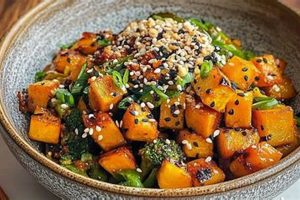
The term refers to culinary instructions detailing the preparation of plant-based dishes intended to mimic the flavor and texture profiles of traditional duck preparations. These recipes typically employ ingredients such as seitan, tofu skin (yuba), mushrooms, or jackfruit, utilizing various techniques including marinating, roasting, and the application of flavorful sauces to achieve a result reminiscent of the avian-derived original. For example, a popular variation involves marinating seitan in a blend of soy sauce, ginger, and five-spice powder, followed by roasting to produce a dish visually and texturally similar to Peking duck.
The significance of crafting plant-based alternatives lies in addressing ethical concerns surrounding animal welfare, promoting environmental sustainability, and catering to dietary restrictions or preferences. The adoption of these recipes allows individuals to enjoy familiar culinary experiences without contributing to the demand for animal products, thereby reducing the carbon footprint associated with animal agriculture. Furthermore, these options broaden culinary horizons and offer inventive approaches to incorporating plant-based foods into diverse diets. Historically, the creation of meat analogs reflects a growing awareness of the interconnectedness between food choices and planetary health.
The subsequent sections will delve into specific ingredient considerations, preparation methodologies, and stylistic variations employed in the creation of these plant-based culinary creations, exploring both classic adaptations and innovative approaches to achieving optimal flavor and textural fidelity.
Tips for Perfecting Plant-Based Duck
Achieving optimal results when preparing plant-based duck alternatives requires careful attention to ingredient selection, preparation techniques, and flavor layering. The following guidelines offer strategies for creating dishes that closely emulate the taste and texture of traditional duck preparations.
Tip 1: Select High-Protein Base Ingredients: Tofu skin (yuba) and seitan offer the most duck-like textures due to their inherent protein structures. Properly prepared, these ingredients can mimic the fibrous quality of duck meat. For example, layering yuba sheets and pressing them yields a dense, meaty texture ideal for roasting.
Tip 2: Master the Art of Marination: Marinating the chosen base ingredient is crucial for infusing flavor. A marinade consisting of soy sauce, ginger, garlic, five-spice powder, and a touch of maple syrup replicates the savory-sweet profile of duck. Extended marination periods, preferably overnight, allow for deep flavor penetration.
Tip 3: Render Plant-Based Fats: To emulate the richness of duck fat, consider incorporating coconut oil or refined shea butter into the cooking process. Basting the plant-based duck alternative with melted coconut oil during roasting adds moisture and contributes to a crispy skin-like texture.
Tip 4: Achieve Crispy “Skin”: Precise roasting temperatures are essential for achieving a desirable crispy exterior. Begin with a moderate oven temperature (350F/175C) for even cooking, then increase the temperature to 425F/220C for the final 15-20 minutes to promote browning and crisping. Basting regularly during this stage is vital.
Tip 5: Prioritize Sauce Preparation: The accompanying sauce significantly impacts the overall flavor profile. A classic hoisin-based sauce, modified with vegan-friendly ingredients, provides the necessary umami and sweetness. Reduced plum sauce or a homemade Mandarin pancake sauce can also enhance the dining experience.
Tip 6: Experiment with Smoke: Introducing smoky notes elevates the plant-based duck to a more authentic level. Liquid smoke, smoked paprika, or even a brief exposure to a smoker can add depth and complexity to the flavor profile. Careful application is required to avoid overpowering the other flavors.
Tip 7: Consider Presentation: Mimicking the traditional presentation of Peking duck enhances the sensory experience. Serving the plant-based alternative with thin pancakes, scallions, and cucumber encourages diners to engage with the dish in a familiar and enjoyable way. Consider carving the duck tableside to mimic a formal presentation.
Adhering to these guidelines allows for the creation of plant-based duck dishes that satisfy both ethical considerations and culinary expectations, offering a compelling alternative to traditional duck preparations.
The following section will explore specific recipe variations and advanced techniques for further refining the art of plant-based duck cookery.
1. Texture Emulation
Texture emulation constitutes a cornerstone of successful “vegan duck recipe” development, influencing the perceived authenticity and overall satisfaction of the final dish. Replicating the distinct texture of traditional duck meat, characterized by its combination of crisp skin and tender interior, presents a significant culinary challenge in the plant-based realm.
- Seitan Application
Seitan, a protein-rich food derived from wheat gluten, offers a versatile medium for mimicking the meaty texture of duck. Through precise kneading and simmering techniques, seitan can be engineered to possess a fibrous, slightly chewy consistency. Manipulation of gluten strands during preparation allows for the creation of layered textures reminiscent of duck meat. For instance, stretching and folding the seitan dough introduces variations in density, resulting in a more realistic mouthfeel. Improper execution, however, can result in a rubbery or excessively dense texture, undermining the desired effect.
- Tofu Skin (Yuba) Utilization
Yuba, or tofu skin, provides an alternative approach to texture emulation. Constructed from condensed soy milk, yuba sheets can be layered and pressed to achieve a firm, pliable structure. When pan-fried or baked, yuba develops a slightly crisp exterior, akin to duck skin. The layering technique also allows for the creation of internal textures that vary in density, replicating the contrasting textures found in traditional duck preparations. The delicate nature of yuba requires careful handling to prevent tearing or disintegration during the cooking process.
- Mushroom and Jackfruit Combinations
Certain recipes integrate shredded mushrooms or young jackfruit to contribute to the overall texture profile. Mushrooms, particularly varieties like oyster or shiitake, offer a meaty chewiness that complements seitan or yuba. Jackfruit, when unripe, possesses a fibrous texture suitable for mimicking pulled duck meat. Blending these plant-based ingredients with seitan or yuba can create a more complex and nuanced texture. However, over-reliance on these ingredients without proper seasoning can lead to a bland or overly vegetal flavor profile.
- Skin Mimicry Techniques
Achieving a convincing skin-like texture is paramount for visual appeal and textural contrast. Techniques such as brushing the seitan or yuba with oil and browning them under high heat can simulate the crispness of duck skin. Certain recipes incorporate edible rice paper or vegan-friendly gelatin substitutes to create a brittle, crackling texture. Furthermore, strategic scoring or cross-hatching of the seitan or yuba surface enhances the browning process and adds to the visual realism. Failure to adequately dry the surface of the ingredients before browning can prevent the formation of a crispy exterior.
The effectiveness of a “vegan duck recipe” hinges significantly on the successful integration of these texture emulation strategies. Achieving a harmonious balance between the various textural elements, while maintaining palatable flavors, ultimately determines the dish’s capacity to approximate the culinary experience of traditional duck.
2. Flavor Layering

In the context of a “vegan duck recipe,” flavor layering refers to the deliberate construction of a complex and nuanced taste profile through the sequential application of distinct flavor components. This technique is not merely additive; rather, it involves carefully considering how different flavors interact and build upon each other to create a holistic sensory experience that approximates the characteristic taste of traditional duck. A lack of effective flavor layering often results in a bland or one-dimensional dish, failing to capture the depth and richness associated with authentic duck preparations. For example, a marinade comprising only soy sauce may impart saltiness, but lacks the necessary complexity to mimic the savory-sweet character of duck. The strategic incorporation of ingredients such as ginger, garlic, five-spice powder, and maple syrup is crucial to achieving a more complete and authentic flavor profile.
Practical application of flavor layering in a “vegan duck recipe” entails several key stages. Initially, the base ingredient, often seitan or tofu skin, requires marination to infuse it with foundational flavors. This marinade serves as the primary flavor layer, and its composition directly influences the final taste. Subsequent layers involve the application of glazes or sauces during cooking, adding further complexity and intensifying specific flavor notes. For instance, basting the seitan with a mixture of hoisin sauce and sesame oil during the roasting process introduces a layer of umami and nutty flavors. Finally, the dish is typically served with a complementary sauce, such as plum sauce or a vegan-friendly hoisin variation, which provides a final layer of flavor and ties the entire composition together. The successful execution of these steps requires a keen understanding of flavor interactions and a willingness to experiment with different combinations.
In conclusion, flavor layering constitutes an indispensable element of a successful “vegan duck recipe.” It transcends simple ingredient substitution, demanding a deliberate and nuanced approach to building a complex taste profile. The challenges lie in achieving a balance between sweet, savory, and umami notes, while avoiding overpowering individual flavors. Mastering the art of flavor layering not only enhances the palatability of the vegan dish but also bridges the gap between plant-based alternatives and the traditional culinary experience, making the recipe more accessible and appealing to a wider audience.
3. Ingredient Selection

Ingredient selection represents a critical determinant in the success of any “vegan duck recipe.” The precise choice of plant-based components directly influences the final product’s texture, flavor profile, and overall fidelity to the traditional duck experience. The appropriateness of each ingredient must be carefully evaluated in terms of its functional and sensory characteristics.
- Seitan as the Primary Protein Source
Seitan, composed of wheat gluten, serves as a frequently employed protein base. Its inherent elasticity and ability to mimic the fibrous texture of muscle tissue make it a suitable substitute for duck meat. Successful seitan preparation necessitates careful kneading and hydration to achieve a palatable, non-rubbery consistency. The gluten content must be considered in relation to dietary restrictions. The choice of seitan as an ingredient fundamentally shapes the overall textural outcome of the “vegan duck recipe”.
- Tofu Skin (Yuba) for Layered Texture and Visual Appeal
Yuba, or tofu skin, provides a unique textural element and contributes to the visual presentation. Composed of thin layers of condensed soy milk, yuba sheets can be layered and manipulated to simulate the skin and fat layers of duck. The thin, pliable nature of yuba requires careful handling to prevent tearing. Its ability to brown and crisp under heat adds a crucial sensory component. The inclusion of yuba enriches the textural complexity of the “vegan duck recipe”.
- Aromatic Spices and Seasonings for Flavor Depth
The judicious application of aromatic spices and seasonings is paramount for replicating the distinctive flavor profile of duck. Five-spice powder, ginger, garlic, star anise, and cloves are commonly employed to impart warmth and complexity. Precise measurements are crucial to avoid overpowering the other flavors. The careful selection of these spices is key to achieving an authentic taste experience in a “vegan duck recipe”.
- Fat Sources for Richness and Mouthfeel
Replacing the rendered fat of duck requires the strategic incorporation of plant-based fats. Coconut oil, sesame oil, and vegetable broth contribute to the overall richness and mouthfeel. These fats assist in browning and add a layer of flavor. The quantity and type of fat must be carefully considered in relation to dietary needs and preferences. The use of appropriate fat sources is essential for creating a satisfying “vegan duck recipe”.
The careful selection and strategic combination of these ingredients are paramount to the success of any “vegan duck recipe.” Each component contributes unique textural and flavor elements that, when harmonized, can approximate the traditional duck experience, offering a compelling plant-based alternative.
4. Sauce Importance

The sauce component holds a pivotal role in the overall success of any “vegan duck recipe,” functioning as the primary bridge between plant-based ingredients and the complex flavor profile associated with traditional duck preparations. Its significance extends beyond mere condiment status, acting as a flavor enhancer, a textural complement, and a key element in achieving culinary authenticity.
- Flavor Bridge and Mimicry
The sauce serves as a critical tool for replicating the nuanced flavors of duck, which typically involve a balance of savory, sweet, and umami notes. Traditional duck sauces, such as hoisin or plum sauce, possess a specific blend of these flavors that contribute significantly to the overall sensory experience. In a “vegan duck recipe,” the sauce must compensate for the absence of animal-derived flavors by employing plant-based ingredients that can effectively mimic these characteristics. For example, a vegan hoisin sauce might utilize fermented bean paste, soy sauce, and maple syrup to replicate the umami, saltiness, and sweetness of its traditional counterpart. The careful selection and blending of these ingredients are paramount to creating a sauce that accurately captures the essence of duck flavor.
- Texture and Mouthfeel Enhancement
Beyond flavor, the sauce plays a crucial role in enhancing the texture and mouthfeel of the vegan dish. It provides moisture and lubrication, preventing the seitan or tofu skin from becoming overly dry or chewy. The viscosity of the sauce contributes to the overall sensory experience, creating a more satisfying and palatable dish. A well-prepared sauce can also add a contrasting textural element, such as a creamy smoothness or a subtle tang, that complements the texture of the plant-based “duck.”
- Culinary Authenticity and Cultural Connection
Many duck preparations, such as Peking duck, are deeply rooted in culinary traditions and cultural practices. The accompanying sauces often hold significant cultural meaning and contribute to the overall dining experience. In a “vegan duck recipe,” the sauce serves as a means of honoring these traditions and maintaining a connection to the cultural origins of the dish. Recreating the classic sauces, while adhering to vegan principles, allows diners to experience a familiar and comforting culinary tradition without compromising their ethical values.
- Customization and Flavor Adaptation
The sauce component also provides an opportunity for customization and flavor adaptation to suit individual preferences. Variations in sweetness, spiciness, and acidity can be achieved through the addition of ingredients such as chili paste, rice vinegar, or citrus juice. This flexibility allows chefs and home cooks to tailor the sauce to their specific tastes and create unique variations of the “vegan duck recipe.” The adaptability of the sauce further enhances its importance as a key element in the overall dish.
In summary, the sauce element is not just an accessory; it is a central component of the “vegan duck recipe,” influencing its flavor, texture, cultural relevance, and adaptability. Without a well-crafted sauce, the plant-based ingredients would struggle to achieve the desired complexity and authenticity, ultimately failing to deliver a satisfying culinary experience. Therefore, meticulous attention to sauce preparation is paramount to the successful execution of any “vegan duck recipe.”
5. Presentation Style

The presentation style of a “vegan duck recipe” exerts a significant influence on the overall dining experience, impacting the perception of flavor, texture, and culinary authenticity. Visual cues establish initial expectations, and a thoughtfully designed presentation can elevate a plant-based dish from a mere substitute to a compelling culinary offering. Cause and effect are directly linked: an appealing presentation stimulates appetite and generates anticipation, while a poorly executed presentation can diminish the perceived quality of the dish, regardless of its flavor profile. For example, a “vegan duck recipe” employing seitan could be sliced thinly and arranged artfully on a platter, mimicking the traditional presentation of Peking duck, complete with pancakes, scallions, and hoisin sauce. Conversely, a haphazardly plated version of the same dish might lack visual appeal and fail to evoke the desired culinary associations.
The importance of presentation style extends beyond mere aesthetics; it also reflects the effort and care invested in the preparation of the “vegan duck recipe.” A meticulously arranged dish signals attention to detail and reinforces the perception of quality. Consider the use of contrasting colors and textures to enhance visual interest. For instance, a vibrant green garnish, such as cilantro or microgreens, can provide a visually appealing contrast to the rich brown hues of the seitan. Real-life examples demonstrate the effectiveness of this approach. Restaurants specializing in vegan cuisine often invest significant resources in presentation, recognizing its importance in attracting and satisfying customers. These establishments meticulously plate each dish, paying close attention to detail and creating visually stunning arrangements that enhance the overall dining experience. The practical significance of this understanding lies in the ability to create a more appealing and satisfying culinary experience for both the cook and the diner, fostering a positive association with plant-based cuisine.
In conclusion, the presentation style of a “vegan duck recipe” is an integral component, influencing the perceived quality, flavor, and overall dining experience. Attention to detail, strategic use of visual cues, and a commitment to culinary artistry can transform a simple plant-based dish into a memorable and satisfying meal. Challenges may arise in achieving visual fidelity to traditional duck preparations, but careful planning and execution can overcome these obstacles. Ultimately, a well-presented “vegan duck recipe” not only delights the senses but also promotes the accessibility and appeal of plant-based cuisine, demonstrating its potential to rival and even surpass its animal-based counterparts.
6. Cooking Methods

The selection and application of appropriate cooking methods constitute a critical juncture in the successful execution of a “vegan duck recipe”. Cooking techniques directly influence the texture, flavor development, and overall palatability of the plant-based duck alternative. Inadequate or inappropriate cooking methods can result in a dish lacking the desired crispness, tenderness, or depth of flavor. For example, failing to properly render plant-based fats, or neglecting to achieve sufficient browning, can lead to a product that lacks the richness and visual appeal associated with traditional duck preparations. This cause-and-effect relationship underscores the importance of mastering specific culinary techniques to elevate a “vegan duck recipe” beyond a mere substitution.
Different cooking methods offer distinct advantages in realizing various aspects of a successful “vegan duck recipe”. Roasting, for instance, facilitates the development of a crisp exterior on seitan or yuba, mimicking the skin of roasted duck. Steaming, conversely, can be employed to achieve a tender, succulent interior, particularly when working with seitan. Pan-frying allows for precise control over browning and caramelization, while deep-frying can impart a desirable crispness, albeit with added fat content. The choice of cooking method should be dictated by the specific ingredients used and the desired textural and flavor outcomes. Real-world examples demonstrate the impact of cooking methods. Vegan restaurants often utilize a combination of techniques, such as steaming seitan before roasting it, to optimize both tenderness and crispness. Understanding the nuances of each method enables cooks to tailor their approach, resulting in a more refined and authentic-tasting “vegan duck recipe”.
In conclusion, the judicious application of appropriate cooking methods is indispensable to the success of a “vegan duck recipe”. Skillful manipulation of cooking techniques directly impacts the texture, flavor, and overall culinary experience. Challenges remain in perfectly replicating the complex characteristics of traditional duck preparations. However, a thorough understanding of the principles governing each cooking method, combined with careful experimentation, allows for the creation of plant-based alternatives that rival, and in some cases surpass, their animal-derived counterparts. This knowledge is of practical significance, contributing to the broader accessibility and appeal of plant-based cuisine.
7. Ethical Considerations
Ethical considerations form a fundamental underpinning of the “vegan duck recipe,” providing the primary impetus for its creation and adoption. The consumption of traditional duck often entails concerns related to animal welfare, including intensive farming practices, forced feeding (gavage) in the production of foie gras, and slaughtering processes. The “vegan duck recipe” offers a direct response to these concerns, presenting a culinary alternative that eliminates the need for animal exploitation. A cause-and-effect relationship exists: the ethical objection to animal suffering creates the demand for plant-based alternatives, which then drives the development and refinement of recipes such as “vegan duck.” The importance of ethical considerations as a component of “vegan duck recipe” is paramount; without this underlying ethical framework, the rationale for creating a vegan substitute diminishes significantly. Real-life examples abound: individuals motivated by animal rights or environmental concerns frequently seek out and promote “vegan duck recipes” as a means of aligning their dietary choices with their values. The practical significance of this understanding lies in its ability to motivate individuals to embrace plant-based cuisine, thereby contributing to a reduction in animal suffering and promoting a more sustainable food system.
Furthermore, ethical considerations extend beyond animal welfare to encompass environmental sustainability. The production of meat, including duck, is associated with significant environmental impacts, such as greenhouse gas emissions, deforestation, and water pollution. “Vegan duck recipes,” by utilizing plant-based ingredients, typically possess a lower environmental footprint than traditional duck production. Choosing a “vegan duck recipe” can be a conscious decision to reduce one’s environmental impact and contribute to a more sustainable food future. The adoption of plant-based diets, facilitated by recipes like “vegan duck,” represents a tangible step towards mitigating the environmental consequences of meat consumption. The ongoing discourse surrounding climate change and environmental degradation reinforces the ethical imperative to explore and embrace sustainable food alternatives.
In conclusion, ethical considerations are inextricably linked to the “vegan duck recipe,” serving as both its raison d’tre and a driving force behind its ongoing development. By addressing concerns related to animal welfare and environmental sustainability, the “vegan duck recipe” offers a compelling culinary solution for individuals seeking to align their dietary choices with their ethical values. Challenges remain in perfectly replicating the flavor and texture of traditional duck, but the ethical benefits provide a strong incentive for continued innovation and refinement. The understanding of this connection is crucial for promoting the wider adoption of plant-based diets and fostering a more compassionate and sustainable food system.
Frequently Asked Questions about Vegan Duck Recipes
This section addresses common inquiries and misconceptions surrounding vegan duck recipes, providing clear and concise answers to facilitate informed decision-making.
Question 1: What exactly constitutes a “vegan duck recipe?”
A “vegan duck recipe” refers to culinary instructions detailing the preparation of a dish intended to mimic the flavor, texture, and appearance of traditional duck preparations, while exclusively utilizing plant-based ingredients. No animal products are incorporated in any stage of the recipe.
Question 2: What are the primary ingredients used to simulate duck meat in a vegan duck recipe?
Common ingredients employed include seitan (wheat gluten), tofu skin (yuba), mushrooms (particularly oyster or shiitake), jackfruit, and various vegetable proteins. The selection often depends on the desired texture and flavor profile.
Question 3: Is it truly possible to replicate the taste and texture of duck using only plant-based ingredients?
While achieving an exact replica is difficult, skilled chefs and home cooks can approximate the flavor and texture through careful ingredient selection, marination, and cooking techniques. The goal is to evoke the essence of duck, rather than create a perfect imitation.
Question 4: Are vegan duck recipes nutritionally complete?
The nutritional profile of a vegan duck recipe depends entirely on the ingredients used. When properly constructed with diverse plant-based sources, it can provide adequate protein, fiber, vitamins, and minerals. However, attention should be paid to potential deficiencies in nutrients such as vitamin B12, which may require supplementation.
Question 5: Are vegan duck recipes suitable for individuals with gluten sensitivities or allergies?
Recipes utilizing seitan are not suitable for individuals with gluten sensitivities or allergies. Alternative recipes employing tofu skin, mushrooms, or jackfruit may be appropriate, provided they are prepared in a gluten-free environment.
Question 6: Is it more environmentally sustainable to consume vegan duck recipes compared to traditional duck?
In general, plant-based diets, including vegan duck recipes, tend to have a significantly lower environmental footprint compared to animal agriculture. This is primarily due to reduced greenhouse gas emissions, land use, and water consumption associated with plant-based food production.
In conclusion, while vegan duck recipes may not perfectly replicate traditional duck preparations, they offer a viable, ethical, and potentially more sustainable culinary alternative. Careful attention to ingredient selection and preparation is essential for achieving optimal results.
The following section will delve into specific considerations for adapting traditional duck recipes into vegan-friendly versions.
Conclusion
The preceding analysis has explored the multifaceted nature of the “vegan duck recipe,” dissecting its fundamental components and highlighting the intricate balance required to achieve a compelling plant-based alternative to traditional duck preparations. Crucial elements include precise texture emulation, strategic flavor layering, informed ingredient selection, appropriate sauce construction, thoughtful presentation style, and judicious cooking methods. Underlying these technical considerations lies the foundational ethical impetus driving the development and adoption of such recipes.
The ongoing pursuit of improved “vegan duck recipe” formulations represents a broader shift towards sustainable and compassionate food systems. Further research and culinary innovation are necessary to overcome existing limitations and enhance the accessibility and appeal of plant-based cuisine. The continued refinement of this culinary niche holds the potential to significantly reduce reliance on animal products, contributing to a more ethical and environmentally responsible future for food consumption.