Culinary preparations emphasizing plant-based ingredients that offer a substantial quantity of protein are integral to a meat-free dietary pattern. These meals utilize sources such as legumes, grains, nuts, seeds, and certain vegetables to meet nutritional requirements. An example includes a lentil and vegetable stew, providing a significant source of protein derived entirely from plant sources.
The incorporation of protein-rich, plant-based meals contributes to muscle maintenance, satiety, and overall well-being. Historically, these dietary options were limited, but growing awareness and advancements in food science have led to greater variety and availability. Shifting toward these meals can reduce reliance on animal products and can also lessen environmental impact.
The following sections will examine specific ingredients, preparation methods, and nutritional profiles related to protein-centric plant-based culinary practices. Further exploration will cover considerations for optimizing protein intake within a balanced, meat-free nutritional strategy.
Enhancing Plant-Based Protein Consumption
Optimizing protein intake through a solely plant-based dietary regimen necessitates careful planning and informed food choices. The following recommendations serve to guide individuals in achieving adequate protein levels through meals devoid of animal products.
Tip 1: Emphasize Legumes: Beans, lentils, peas, and soybeans are rich in protein and fiber. Incorporate these into daily meals, utilizing various preparations such as soups, stews, and salads.
Tip 2: Utilize Whole Grains: Quinoa, brown rice, and oats provide a moderate amount of protein in addition to complex carbohydrates. These serve as a foundational element for balanced meals.
Tip 3: Incorporate Nuts and Seeds: Almonds, walnuts, chia seeds, and hemp seeds offer concentrated protein and healthy fats. Add them to snacks, salads, or as toppings for meals.
Tip 4: Employ Protein-Rich Vegetables: Spinach, broccoli, and asparagus contribute to protein intake. While not as concentrated as other sources, they complement meals and provide essential nutrients.
Tip 5: Combine Incomplete Proteins: Plant-based proteins may lack one or more essential amino acids. Pairing complementary sources, such as beans and rice, ensures a complete amino acid profile.
Tip 6: Strategically use of Soy Products: Tofu, tempeh, and edamame are complete protein sources derived from soybeans. They are versatile ingredients that can be used in various preparations.
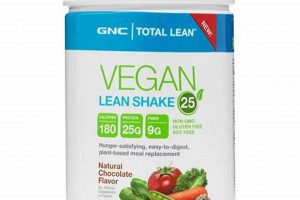
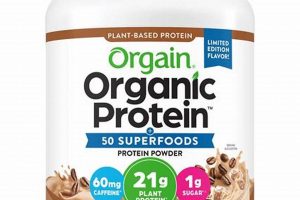
Tip 7: Consider Protein Supplements: If dietary intake is insufficient, consider incorporating plant-based protein powders, such as pea protein or brown rice protein, into smoothies or shakes.
Tip 8: Varied Ingredient Sources: Diversifying protein choices can help ensure a more balanced intake of amino acids and micronutrients. Experiment with different plant-based proteins regularly.
These strategies contribute to a robust intake of essential nutrients and promote optimal health within a plant-based framework. Consistent application of these recommendations supports both short-term satiety and long-term nutritional well-being.
The subsequent section will address considerations for adapting these guidelines to specific dietary needs and lifestyle factors.
1. Legume Variety

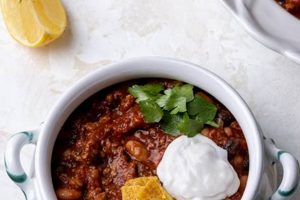
Legume variety plays a crucial role in constructing nutritionally complete and palatable plant-based culinary preparations. The diversity within the legume familyencompassing beans, lentils, peas, and soybeansoffers varied protein profiles, amino acid compositions, and micronutrient contributions. This diversity mitigates the risk of nutritional deficiencies and enhances the overall dietary experience. For example, incorporating both black beans and kidney beans into a chili dish provides complementary amino acids and diverse textures, directly impacting the protein quality and sensory appeal of the final product.
A narrow reliance on a single legume source can lead to limited amino acid intake and reduced culinary flexibility. Different legumes possess distinct flavor profiles and textural properties, allowing for their incorporation into a broad array of dishes. Green lentils, for instance, contribute a subtly earthy flavor and hold their shape well in stews, while red lentils break down readily, thickening soups and sauces. Utilizing this knowledge allows for more creative and balanced vegan protein dishes that appeal to diverse palates and dietary needs. Moreover, different types of legumes may have varying environmental impacts in terms of water use and soil health, so choosing a variety of legumes can also contribute to more sustainable food systems.
In summary, legume variety is not merely an aesthetic consideration but a foundational element in maximizing the nutritional value and culinary potential of meals. By understanding and implementing a broad range of legumes, individuals can enhance the protein content, amino acid balance, and overall appeal of their vegan protein dishes. The challenge lies in educating consumers about the diversity and benefits of different legumes and promoting their incorporation into regular meal planning. This connection underlines the importance of informed dietary choices within a plant-based lifestyle.
2. Complete Proteins

The concept of “complete proteins” is central to nutritional adequacy within vegan protein dishes. A complete protein source contains all nine essential amino acids in sufficient quantities to support human physiological needs. These amino acids cannot be synthesized by the body and must be obtained through dietary intake. Historically, concern has been raised regarding the ability of plant-based diets to provide complete proteins, stemming from the fact that many individual plant sources are “incomplete,” lacking sufficient amounts of one or more essential amino acids. The effect of inadequate intake of essential amino acids can range from impaired muscle synthesis to reduced immune function.
However, strategically constructed vegan protein dishes can readily address this concern. One approach is combining complementary proteins within a single meal. For instance, a dish comprising rice and beans provides a complete protein profile because rice is low in lysine but high in methionine, while beans are high in lysine but low in methionine. Another approach involves incorporating complete plant-based protein sources, such as quinoa, soy products (tofu, tempeh, edamame), and chia seeds. Furthermore, nutritional science has advanced to show that consuming a variety of plant-based proteins throughout the day can adequately supply all essential amino acids, even if individual meals do not contain complete protein sources. The understanding of these protein combining processes are essential for optimal nutrition with plant-based lifestyle.
In conclusion, the deliberate construction of vegan protein dishes to incorporate either complementary proteins or complete plant-based protein sources is crucial for ensuring adequate intake of essential amino acids. While awareness of complete protein needs is essential, it is also vital to recognize that a varied and thoughtfully planned plant-based diet can readily meet these needs. Emphasis on these principles effectively addresses a key concern in plant-based nutrition, promoting both nutritional adequacy and dietary sustainability.
3. Nutrient Density

Nutrient density, defined as the concentration of micronutrients (vitamins and minerals) relative to calorie content, is a critical consideration when evaluating plant-based protein preparations. Vegan protein dishes, while often rich in macronutrients like protein and fiber, must also provide an adequate spectrum of micronutrients to ensure overall nutritional sufficiency. The relationship between these dishes and nutrient density is causal: carefully selected ingredients directly determine the dish’s micronutrient profile. For instance, a meal comprised solely of processed soy protein isolate, while high in protein, lacks the diverse micronutrients present in dishes featuring whole foods like legumes, vegetables, and fortified plant-based products.
The importance of nutrient density in this context stems from the potential for micronutrient deficiencies in poorly planned plant-based diets. Several key nutrients, including vitamin B12, iron, calcium, vitamin D, and omega-3 fatty acids, can be challenging to obtain adequately from exclusively plant sources. Consequently, attention must be given to incorporating nutrient-dense ingredients like dark leafy greens (iron, calcium), fortified plant milks (vitamin B12, vitamin D, calcium), nuts and seeds (omega-3 fatty acids, minerals), and a variety of colorful vegetables (vitamins, antioxidants). One example of a nutrient-dense vegan protein dish is a lentil stew with kale, sweet potatoes, and fortified nutritional yeast, providing protein, fiber, iron, vitamin A, vitamin B12, and other essential nutrients. The practical significance of this understanding lies in optimizing health outcomes and preventing deficiencies common among individuals who adopt plant-based diets without sufficient knowledge of nutrient requirements.
In conclusion, maximizing nutrient density within vegan protein dishes requires deliberate ingredient selection and a thorough understanding of plant-based nutrient sources. Challenges include overcoming the limited bioavailability of certain nutrients from plant sources and ensuring adequate intake of nutrients typically associated with animal products. Addressing these challenges through informed dietary planning and strategic food choices is essential for promoting optimal health and well-being within a plant-based dietary framework.
4. Culinary Versatility

Culinary versatility, in the context of plant-based protein sources, refers to the adaptability of ingredients and preparation methods to create a wide array of dishes catering to diverse tastes and cultural preferences. This aspect is fundamental to the long-term viability and widespread adoption of plant-based dietary patterns. Its relevance to dishes lacking animal products lies in transforming basic ingredients into palatable and appealing meals.
- Textural Transformation
Plant-based protein sources, such as tofu, tempeh, and various legumes, exhibit a remarkable capacity for textural transformation through different cooking methods. Tofu, for instance, can be rendered silken and creamy for desserts, firm and chewy for stir-fries, or crumbled for use in “eggless” scrambles. This textural adaptability allows for a broad range of culinary applications. Utilizing the same ingredients and varying the preparation, the texture can be adjusted to meet personal preferences.
- Flavor Modulation
Many plant-based proteins possess a relatively neutral flavor profile, providing a blank canvas for flavor modulation. This allows chefs and home cooks to incorporate a diverse array of spices, herbs, sauces, and marinades to create dishes that reflect various global cuisines. From Indian curries using lentils to Mexican-inspired black bean burgers, plant-based proteins can be adapted to myriad flavor profiles. The ability to tailor flavors increases the appeal of protein dishes for different culinary needs and palates.
- Ingredient Substitution
Plant-based proteins can often be used as direct substitutes for animal-based proteins in traditional recipes. For example, textured vegetable protein (TVP) can replace ground beef in chili or pasta sauce, while jackfruit can mimic pulled pork in barbecue sandwiches. This substitution capability allows individuals to transition to plant-based diets without drastically altering their familiar eating habits or culinary traditions. The capability in protein switching is a real turning point for dietary conversion.
- Preparation Technique Variance
Diverse preparation techniques unlock the culinary versatility of plant-based proteins. Baking, grilling, frying, steaming, and raw preparations each yield unique flavor and texture outcomes. Baking tofu yields a firm and slightly chewy texture, while frying creates a crispy exterior. The ability to employ a range of preparation techniques broadens the culinary possibilities and allows for the creation of varied and appealing protein courses, increasing nutritional intake.
These facets demonstrate that culinary versatility is not merely a superficial attribute of vegan protein dishes but an essential element that promotes their acceptance, adaptability, and nutritional value. This versatility contributes to a more sustainable and inclusive food system, increasing dietary availability. The ongoing exploration of new plant-based protein sources and innovative cooking techniques will further expand the culinary possibilities and facilitate the widespread adoption of plant-centered eating patterns.
5. Sustainability Factors

The integration of sustainability factors within the realm of vegan protein dishes is a crucial intersection demanding careful consideration. The production of animal-based proteins is associated with significant environmental impacts, including elevated greenhouse gas emissions, extensive land use, and substantial water consumption. By contrast, plant-based protein sources generally exhibit a considerably lower environmental footprint, representing a pivotal factor in promoting ecological sustainability. Selecting ingredients for culinary preparations devoid of animal products directly influences the overall sustainability profile of the dish. Opting for legumes, grains, nuts, and seeds over animal-derived counterparts contributes to reducing the environmental burden associated with food production. For instance, a lentil-based stew demands significantly less water and land resources compared to an equivalent beef-based stew. Practical significance manifests in the potential for widespread dietary shifts to mitigate climate change, conserve natural resources, and promote biodiversity.
Examination of specific ingredients reveals nuanced sustainability considerations. While soybeans are often touted as a sustainable protein source, their large-scale production can contribute to deforestation, particularly in regions like the Amazon rainforest. Palm oil, a common ingredient in some plant-based processed foods, is linked to habitat destruction and biodiversity loss. Therefore, responsible sourcing and informed ingredient selection are paramount. Choosing locally grown and organic legumes, grains, and vegetables minimizes transportation emissions, reduces pesticide use, and supports sustainable agricultural practices. Furthermore, considering the packaging and processing methods associated with ingredients adds another layer to sustainability assessment. Minimizing food waste through efficient meal planning and proper storage also contributes to reducing the overall environmental impact. A practical application involves prioritizing seasonal produce, supporting local farmers’ markets, and reducing reliance on processed or imported ingredients.
In summary, the connection between sustainability factors and vegan protein dishes is inseparable. Prioritizing ingredients with lower environmental footprints, promoting responsible sourcing practices, and minimizing food waste are essential steps in aligning plant-based diets with broader sustainability goals. The challenges lie in navigating the complexities of global supply chains, promoting transparency in food production, and educating consumers about the environmental consequences of their dietary choices. Addressing these challenges requires a holistic approach that considers not only the nutritional aspects of food but also its ecological, social, and economic dimensions. Embracing sustainability factors within the context of vegan protein dishes contributes to creating a more resilient and equitable food system for future generations.
6. Amino Acid Profiles

The composition of amino acids within plant-based culinary preparations is a pivotal aspect of nutritional adequacy. The specific array and quantities of amino acids present in dishes lacking animal products directly influence their protein quality and, consequently, their capacity to support human physiological functions.
- Essential Amino Acid Content
The presence of all nine essential amino acids (histidine, isoleucine, leucine, lysine, methionine, phenylalanine, threonine, tryptophan, and valine) in sufficient quantities is paramount. Unlike non-essential amino acids, the body cannot synthesize these; they must be obtained through dietary intake. Vegan protein dishes must either incorporate complete protein sources or strategically combine incomplete sources to meet essential amino acid requirements. For example, lysine is often limiting in grains, while legumes are generally rich in lysine. A meal combining grains and legumes can therefore provide a complete array of essential amino acids.
- Limiting Amino Acids
A limiting amino acid is the essential amino acid present in the lowest quantity relative to human needs within a given food source. Identifying and addressing limiting amino acids is crucial in formulating nutritionally complete vegan protein dishes. Understanding the limiting amino acids in common plant-based foodssuch as methionine in legumes or lysine in grainsallows for informed meal planning and protein complementation. This knowledge is particularly important for individuals relying solely on plant-based diets, as inadequate intake of even one essential amino acid can hinder protein synthesis.
- Protein Complementation Strategies
Protein complementation refers to the practice of combining different plant-based protein sources to ensure adequate intake of all essential amino acids. This strategy involves pairing foods that have complementary amino acid profiles, such as combining legumes with grains or nuts with seeds. Protein complementation does not require that foods be eaten at the same meal; consuming a variety of plant-based protein sources throughout the day can achieve the same result. Effective protein complementation strategies are fundamental to optimizing protein quality in vegan protein dishes and promoting nutritional adequacy.
- Impact of Processing on Amino Acids
Food processing techniques can influence the availability and integrity of amino acids in vegan protein dishes. Excessive heat treatment, for instance, can denature proteins and reduce the bioavailability of certain amino acids. Similarly, certain processing methods may remove or alter amino acids, affecting the overall protein quality of the final product. Awareness of the potential impact of processing on amino acid profiles is essential for selecting minimally processed plant-based ingredients and preparing vegan protein dishes that retain their nutritional value. Minimal processing is usually the ideal preparation method.
These facets highlight the critical role of amino acid profiles in determining the nutritional quality of dishes lacking animal products. These are key to the human body’s need for specific acids for survival.
Frequently Asked Questions
The following questions address common concerns and misconceptions regarding protein intake within a plant-based dietary framework. These answers aim to provide clarity and guidance for individuals seeking to optimize their nutritional status through vegan culinary practices.
Question 1: Are plant-based proteins as effective as animal-based proteins for muscle growth and repair?
Plant-based proteins, when consumed in sufficient quantities and with appropriate attention to amino acid profiles, can effectively support muscle growth and repair. While individual plant sources may have lower concentrations of certain amino acids compared to animal sources, a varied and well-planned diet can readily meet protein and amino acid requirements.
Question 2: How can one ensure adequate intake of all essential amino acids on a vegan diet?
Ensuring adequate essential amino acid intake involves consuming a diverse array of plant-based protein sources throughout the day. Combining complementary proteins, such as grains and legumes, or incorporating complete plant-based proteins, like quinoa and soy products, are effective strategies.
Question 3: Is it necessary to consume protein supplements on a vegan diet?
Protein supplements are not inherently necessary for all individuals following a vegan diet. However, they can be a convenient way to increase protein intake for those with elevated protein needs, such as athletes, or those who struggle to meet their requirements through whole foods alone.
Question 4: What are the most common nutritional deficiencies associated with poorly planned vegan diets?
Common nutritional deficiencies associated with poorly planned vegan diets include vitamin B12, iron, calcium, vitamin D, omega-3 fatty acids, and iodine. Careful attention to food choices, fortification, and supplementation can mitigate these risks.
Question 5: How does the environmental impact of plant-based protein sources compare to that of animal-based protein sources?
Plant-based protein sources generally have a significantly lower environmental impact compared to animal-based protein sources. The production of plant-based proteins typically requires less land, water, and energy and generates fewer greenhouse gas emissions.
Question 6: Are there any potential downsides to consuming large quantities of plant-based protein?
While plant-based proteins are generally safe and healthful, excessive consumption of certain foods, such as soy, may raise concerns for some individuals. It is advisable to consume a varied diet and to be mindful of individual sensitivities or allergies.
In conclusion, many protein concerns can be addressed if carefully planned.
The subsequent section will delve into specific recipes showcasing practical applications of these principles.
Vegan Protein Dishes
The preceding exploration underscores the multifaceted nature of meals devoid of animal products. Attention has been given to key aspects such as protein complementation, nutrient density, culinary versatility, sustainability, and amino acid profiles. These facets collectively illustrate the potential for plant-based diets to provide adequate nutrition and environmental benefits.
Further research and continued advancements in food science will undoubtedly enhance the understanding and application of plant-based nutrition. A commitment to informed dietary choices and sustainable practices is essential for promoting both individual health and environmental well-being. The onus remains on individuals, researchers, and policymakers to embrace and champion the nutritional and environmental opportunities presented by options devoid of animal products.