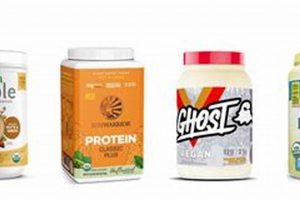
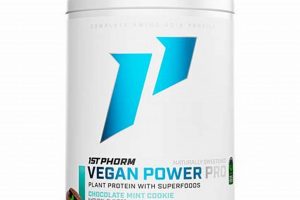
Plant-based protein supplements formulated without added sugars provide a dietary option for individuals seeking to increase protein intake while adhering to vegan principles and minimizing sugar consumption. These products typically utilize protein sources derived from legumes, grains, and seeds, such as peas, brown rice, and chia seeds, respectively. For example, a post-workout shake might incorporate a serving of such a powder blended with water or plant-based milk to support muscle recovery.
The significance of these formulations lies in their ability to address the needs of specific populations, including those managing diabetes, following low-carbohydrate diets, or simply aiming to reduce their overall sugar intake. Historically, many protein supplements contained added sugars to enhance flavor or improve texture. The emergence of sugar-free, plant-based alternatives reflects a growing consumer demand for healthier and more ethically sourced nutritional products. This shift is driven by increased awareness of the potential negative health consequences associated with excessive sugar consumption and a rising interest in veganism.
The subsequent sections will delve into the composition, potential benefits, and considerations associated with choosing a suitable plant-based protein option that aligns with dietary preferences and health goals. This will include an analysis of protein sources, the role of sweeteners, and guidance on evaluating product labels to ensure the selection of a high-quality and effective supplement.
Considerations for Selecting a Plant-Based Protein Supplement without Added Sugars
The following provides essential guidelines for individuals seeking to incorporate a plant-derived protein powder, devoid of added sugars, into their dietary regimen. Careful consideration of these factors will aid in making informed choices that align with specific health and nutritional requirements.
Tip 1: Assess Protein Source Diversity: Evaluate the protein source composition. A blend of multiple plant-based proteins (e.g., pea, brown rice, quinoa) often provides a more complete amino acid profile compared to single-source options. This is crucial for optimizing muscle protein synthesis and overall protein utilization within the body.
Tip 2: Scrutinize the Ingredient List: Thoroughly examine the ingredient list to identify any hidden sugars or artificial sweeteners. Be wary of terms such as maltodextrin, dextrose, sucrose, and corn syrup solids, which indicate the presence of added sugars, even if the product is marketed as “sugar-free.” Focus on products sweetened with natural, low-glycemic options like stevia or monk fruit extract, used sparingly.
Tip 3: Verify Third-Party Certifications: Seek products that have undergone third-party testing and certification for purity and potency. Organizations like NSF International and Informed-Sport provide independent verification of product claims, ensuring that the supplement contains the ingredients listed on the label and is free from banned substances or contaminants.
Tip 4: Evaluate Protein Content per Serving: Determine the actual protein content per serving and compare it to individual protein needs. The Recommended Dietary Allowance (RDA) for protein is 0.8 grams per kilogram of body weight, but individual requirements may vary based on activity level, age, and health status. Select a product that provides a sufficient amount of protein to meet these needs.
Tip 5: Analyze Amino Acid Profile: Review the amino acid profile, particularly the branched-chain amino acids (BCAAs) leucine, isoleucine, and valine. BCAAs play a crucial role in muscle protein synthesis and recovery. Ensure that the selected product contains adequate levels of these essential amino acids, or consider supplementing with BCAAs separately if needed.
Tip 6: Consider Fiber Content: Plant-based protein powders often contain fiber, which can contribute to satiety and digestive health. Evaluate the fiber content per serving and choose a product that provides an appropriate amount without causing digestive discomfort. Gradual introduction of the supplement into the diet can help minimize any potential gastrointestinal issues.
Tip 7: Assess Potential Allergens: Carefully review the ingredient list for potential allergens, such as soy, gluten, or nuts. Individuals with known allergies or sensitivities should select products that are free from these allergens to avoid adverse reactions. Cross-contamination is also a concern, so choose products manufactured in facilities that adhere to strict allergen control protocols.
Adhering to these guidelines facilitates the selection of a high-quality plant-derived protein supplement, absent of added sugars, that effectively supports individual health and fitness goals while minimizing potential risks.
The subsequent section will address optimal timing and methods for incorporating this type of supplement into a balanced dietary plan.
1. Plant-based sources

The selection of plant-based sources is a foundational element in the formulation of protein powders that are both vegan and devoid of added sugars. These sources directly determine the amino acid profile, digestibility, and overall nutritional value of the final product. For instance, pea protein, a common ingredient, is relatively high in lysine but lower in methionine; combining it with brown rice protein, which has a complementary amino acid profile, can create a more complete protein source. This careful consideration of plant-based inputs is essential to ensure that the protein powder effectively supports muscle protein synthesis and overall health.
The practical significance of understanding the relationship between plant-based sources and the qualities of the end product extends to consumer choices. Individuals seeking these specialized protein powders often have specific dietary restrictions or health goals. For example, someone with soy allergies needs to ensure that the protein powder is derived from alternative sources like sunflower seeds or pumpkin seeds. Likewise, the choice of plant sources impacts the carbohydrate content, an important factor for those managing blood sugar levels or following low-carbohydrate diets. The success of these supplements in fulfilling dietary needs hinges on the appropriate selection and combination of plant-derived ingredients.
In summary, the careful selection of plant-based sources is not merely a compositional detail but a critical determinant of the efficacy and suitability of these protein powders. Challenges exist in achieving complete amino acid profiles and palatable flavors without added sugars. However, ongoing research and innovation in plant protein processing continue to expand the range of available options, enhancing the nutritional profile and consumer acceptance of plant-based, sugar-free protein powders. The continuing refinement of these products is essential for supporting a growing population seeking plant-based nutrition solutions.
2. Zero Added Sugars

The absence of added sugars is a defining characteristic of specialized vegan protein powders. This formulation strategy directly addresses health concerns associated with excessive sugar consumption, aligning with dietary guidelines and individual preferences for minimizing refined carbohydrate intake. The following facets outline the implications of this compositional choice.
- Impact on Glycemic Response
The exclusion of added sugars mitigates the elevation of blood glucose levels typically observed after consuming sweetened protein supplements. This is particularly relevant for individuals managing diabetes or insulin resistance, where maintaining stable blood sugar is critical. Consumption of protein powders with added sugars can lead to significant fluctuations in blood glucose, potentially exacerbating metabolic dysfunction.
- Caloric Density and Weight Management
Added sugars contribute significantly to the caloric density of protein powders without providing substantive nutritional value. By eliminating these empty calories, sugar-free vegan protein powders offer a more efficient means of increasing protein intake without compromising weight management efforts. This distinction is crucial for individuals following calorie-restricted diets or seeking to optimize body composition.
- Influence on Gut Microbiome
Added sugars can promote the growth of specific bacterial populations in the gut microbiome, potentially disrupting the balance of microbial ecosystems and contributing to inflammation. Sugar-free vegan protein powders avoid this potential negative impact, fostering a more stable and potentially beneficial gut environment. The long-term implications of dietary sugar on gut health are increasingly recognized.
- Flavoring Strategies and Artificial Sweeteners
The absence of added sugars necessitates the use of alternative flavoring agents, often including artificial sweeteners like sucralose or stevia. While these sweeteners contribute minimal calories, their potential long-term health effects remain a subject of ongoing research. Careful evaluation of the sweetener profile is recommended, with preference given to natural alternatives like stevia or monk fruit extract, used sparingly.
In summary, the decision to formulate vegan protein powders without added sugars has far-reaching implications for metabolic health, weight management, gut microbiome dynamics, and flavoring strategies. This compositional choice directly supports the creation of a nutritional supplement that aligns with health-conscious dietary preferences and minimizes potential adverse effects associated with excessive sugar consumption.
3. Complete Amino Profile

The presence of a complete amino acid profile is a critical attribute of any protein source, including plant-based options. This is especially relevant when considering vegan protein powders formulated without added sugars, as dietary restrictions necessitate careful attention to protein quality and availability.
- Essential Amino Acid Sufficiency
A complete protein contains all nine essential amino acids in adequate proportions to support human physiological needs. These amino acids cannot be synthesized by the body and must be obtained from the diet. In the context of vegan protein powders, achieving this requires either selecting a single plant-based protein source that naturally contains all essential amino acids in sufficient quantities or, more commonly, combining multiple plant-based protein sources to complement each other’s amino acid profiles. For instance, combining pea protein, which is lower in methionine, with brown rice protein, which is higher in methionine, can create a more complete amino acid profile.
- Muscle Protein Synthesis and Recovery
Essential amino acids, particularly leucine, isoleucine, and valine (branched-chain amino acids or BCAAs), play a crucial role in stimulating muscle protein synthesis and facilitating muscle recovery after exercise. A complete amino acid profile ensures that the body has all the necessary building blocks for repairing and rebuilding muscle tissue. This is particularly important for individuals engaged in regular physical activity who rely on vegan protein powders as a primary protein source.
- Digestibility and Bioavailability
While a protein source may contain a complete amino acid profile, its digestibility and bioavailability influence the extent to which these amino acids are absorbed and utilized by the body. Processing methods and the presence of antinutritional factors in plant-based protein sources can impact digestibility. Choosing protein powders that have undergone processing to improve digestibility, such as enzymatic hydrolysis, can enhance amino acid bioavailability. A complete amino acid profile is rendered less effective if the amino acids are not readily absorbed.
- Impact on Overall Health and Wellness
Adequate intake of all essential amino acids is not only important for muscle health but also for overall health and wellness. Essential amino acids are involved in various physiological processes, including hormone production, immune function, and neurotransmitter synthesis. A deficiency in one or more essential amino acids can have negative consequences for these processes. Therefore, ensuring a complete amino acid profile in vegan protein powders contributes to supporting optimal health and well-being in individuals following a plant-based diet.
Achieving a complete amino acid profile in vegan protein powders without added sugars presents unique challenges, as plant-based protein sources often have inherent limitations in their amino acid composition. However, strategic formulation and processing techniques can overcome these challenges, resulting in a product that effectively supports muscle protein synthesis, overall health, and dietary adherence. It is, therefore, crucial for consumers to carefully evaluate the amino acid profile of vegan protein powders to ensure they are obtaining a high-quality protein source that meets their nutritional needs.
4. Digestibility

Digestibility constitutes a critical factor in the effective utilization of any protein source, and it assumes heightened importance within the context of sugar-free, plant-based protein powders. The inherent characteristics of plant proteins, coupled with the absence of sugar-derived palatability enhancements, necessitate careful consideration of factors affecting digestive comfort and nutrient absorption.
- Fiber Content and Gastrointestinal Tolerance
Plant-based protein sources inherently contain fiber, which can exert a dualistic effect on digestibility. While fiber supports bowel regularity and promotes satiety, excessive fiber intake, particularly with rapid increases in consumption, can induce bloating, gas, and abdominal discomfort in susceptible individuals. The absence of sugar, which can mask some of these effects, underscores the importance of gradual introduction and portion control when incorporating these protein powders into the diet.
- Presence of Antinutritional Factors
Many plant protein sources contain antinutritional factors, such as phytates and tannins, which can impede the absorption of certain minerals and reduce overall protein digestibility. Processing techniques, including soaking, sprouting, and fermentation, can mitigate the impact of these factors, thereby enhancing the bioavailability of amino acids. The choice of protein powder should reflect an awareness of these processing methods and their influence on nutrient absorption.
- Enzyme Activity and Protein Breakdown
Efficient protein digestion relies on the activity of proteolytic enzymes in the gastrointestinal tract. Certain plant proteins may be less readily broken down by these enzymes compared to animal-derived proteins, potentially leading to reduced amino acid absorption. Some sugar-free, plant-based protein powders incorporate added digestive enzymes, such as proteases, to facilitate protein breakdown and enhance digestibility. The inclusion of such enzymes can be a beneficial feature for individuals with compromised digestive function.
- Allergenicity and Sensitivity Considerations
Plant-based protein sources, such as soy, legumes, and certain grains, can be common allergens for some individuals. Allergic reactions or sensitivities to these proteins can manifest as digestive distress, including diarrhea, abdominal pain, and vomiting. Careful review of ingredient lists and consideration of potential cross-contamination during manufacturing are essential for individuals with known allergies or sensitivities. Alternative protein sources, such as rice protein or pumpkin seed protein, may be better tolerated by certain individuals.
The aggregate effect of fiber content, antinutritional factors, enzyme activity, and allergenicity significantly influences the overall digestibility of sugar-free, plant-based protein powders. Optimizing digestibility through informed product selection and appropriate consumption practices is crucial for maximizing the nutritional benefits and minimizing potential adverse effects associated with these supplements. Further research into novel processing methods and enzyme supplementation may further enhance the digestibility of plant-based protein sources in the future.
5. Ingredient Purity

Ingredient purity represents a critical, yet often overlooked, aspect of sugar-free vegan protein powders. The absence of animal products and added sugars necessitates a greater emphasis on the quality and source of remaining ingredients, demanding rigorous scrutiny to ensure product safety and efficacy.
- Heavy Metal Contamination
Plant-based ingredients are susceptible to heavy metal contamination from soil and water sources. Heavy metals, such as lead, arsenic, cadmium, and mercury, can accumulate in plant tissues and pose health risks with chronic exposure. Third-party testing and certification are crucial to verify that sugar-free vegan protein powders meet established safety standards for heavy metal content. Reputable manufacturers should provide Certificates of Analysis (COAs) demonstrating compliance with these standards.
- Pesticide Residues
Agricultural practices involving pesticide use can result in residues remaining on plant-based protein sources. While organic certification aims to minimize pesticide exposure, it does not guarantee complete absence. Independent testing is essential to confirm that sugar-free vegan protein powders do not contain unsafe levels of pesticide residues. Consumers should seek products that have undergone testing for a comprehensive range of pesticides and herbicides.
- Microbial Contamination
Plant-based ingredients are vulnerable to microbial contamination during harvesting, processing, and storage. Bacteria, molds, and yeasts can proliferate and produce toxins that pose health risks. Proper sanitation practices and quality control measures are essential to prevent microbial contamination. Testing for pathogenic bacteria, such as Salmonella and E. coli, should be a standard practice in the production of sugar-free vegan protein powders.
- Absence of Adulterants and Fillers
Ingredient purity also encompasses the absence of adulterants and fillers. Some manufacturers may add undeclared ingredients to reduce costs or mask undesirable characteristics. Sugar-free vegan protein powders should be free from artificial colors, flavors, and preservatives, as well as fillers like maltodextrin or inulin, which can compromise product quality and nutritional value. Transparency in labeling and third-party verification are vital to ensure the authenticity of ingredients.
Ingredient purity directly impacts the health benefits and safety profile of sugar-free vegan protein powders. While the absence of animal products and added sugars is a desirable characteristic, it does not negate the need for stringent quality control measures. Consumers should prioritize products from reputable manufacturers that prioritize ingredient sourcing, testing, and transparency to ensure that they are consuming a safe and effective supplement.
6. Flavor Profile

The flavor profile of sugar-free vegan protein powder is inextricably linked to its market acceptance and long-term adherence among consumers. The absence of both animal-derived ingredients and added sugars presents significant formulation challenges, as these components often contribute substantially to palatability in conventional protein supplements. Consequently, achieving a desirable flavor profile necessitates innovative approaches to masking inherent off-flavors associated with plant-based protein sources and employing alternative sweetening and flavoring agents. The success or failure in this endeavor directly impacts consumer willingness to incorporate the product into their daily routine, thus influencing the efficacy of supplementation efforts.
The selection of specific plant protein sources, such as pea, brown rice, or soy, significantly influences the initial flavor profile. These ingredients often possess characteristic earthy or beany notes that may be unappealing to some individuals. Masking these off-flavors typically involves the use of natural flavoring extracts, such as vanilla, chocolate, or fruit powders. However, the absence of sugar limits the effectiveness of these flavorings, necessitating careful optimization of concentrations and combinations. Furthermore, the choice of sweetener alternatives, such as stevia or monk fruit extract, also plays a role in the overall flavor perception. These sweeteners possess distinct flavor profiles of their own, which must be carefully balanced with the underlying protein and flavoring agents to achieve a harmonious and palatable result. Real-world examples of successful formulations often involve proprietary flavor blends and processing techniques designed to minimize off-flavors and maximize sweetness perception without the addition of sugars.
In summary, the flavor profile of sugar-free vegan protein powder is a crucial determinant of its consumer appeal and practical utility. Overcoming the inherent challenges of plant-based protein sources and the absence of added sugars requires careful attention to ingredient selection, flavoring strategies, and sweetener alternatives. Ongoing research and development efforts are focused on identifying novel plant protein sources with more neutral flavor profiles and exploring innovative flavoring technologies to enhance the palatability of these supplements. Ultimately, the ability to deliver a sugar-free, vegan protein powder with a desirable flavor profile is essential for promoting widespread adoption and supporting long-term adherence to plant-based dietary regimens.
7. Versatile Application

The adaptable integration of sugar-free vegan protein powder into diverse dietary regimens and culinary applications enhances its value proposition. This versatility stems from its neutral flavor profile, absence of animal-derived ingredients, and formulation without added sugars. Such attributes enable its seamless incorporation into various food and beverage items, catering to a broad spectrum of dietary preferences and nutritional requirements. The ability to augment protein content without introducing unwanted sugars or animal products is particularly relevant for individuals following specific diets or managing certain health conditions. Real-life examples include blending the powder into smoothies, mixing it into oatmeal, or using it as an ingredient in baked goods. These applications expand the options for individuals seeking to increase protein intake while adhering to vegan principles and minimizing sugar consumption.
Further analysis reveals the practical applications across distinct dietary contexts. For athletes, this protein powder can be added to post-workout shakes to support muscle recovery without the blood sugar spike associated with sugary protein supplements. For individuals managing diabetes, it can serve as a protein source in meals and snacks, helping to stabilize blood glucose levels. In culinary settings, it can be used in baking recipes to increase the protein content of muffins, pancakes, or energy bars, offering a healthier alternative to traditional high-carbohydrate options. The adaptability extends to liquid-based applications, such as soups or sauces, where the powder can be stirred in to enhance the protein density without significantly altering the flavor or texture. The diverse usage scenarios contribute to its appeal as a functional food ingredient.
In conclusion, the versatile application of sugar-free vegan protein powder is a key factor driving its adoption among health-conscious consumers. Challenges remain in maintaining optimal texture and flavor across all applications, requiring careful formulation and recipe development. The practical significance of this versatility lies in its ability to empower individuals to meet their protein needs while adhering to dietary restrictions and preferences, ultimately promoting improved nutritional outcomes. The multi-faceted applicability solidifies its role as a valuable component within the broader landscape of plant-based nutrition.
Frequently Asked Questions
The following addresses common inquiries and misconceptions surrounding sugar-free vegan protein powder, offering clarity and evidence-based information.
Question 1: Are sugar-free vegan protein powders truly devoid of all sugars?
The term “sugar-free” generally indicates that no refined sugars, such as sucrose or high-fructose corn syrup, have been added. However, the protein powder may contain natural sweeteners like stevia or monk fruit extract. It is imperative to scrutinize the ingredient list for any hidden sugars or alternative sweeteners, even in products marketed as “sugar-free.”
Question 2: Can a sugar-free vegan protein powder provide a complete amino acid profile comparable to animal-based proteins?
Achieving a complete amino acid profile with plant-based proteins often necessitates a combination of different sources. Pea protein, brown rice protein, and quinoa are frequently blended to ensure all essential amino acids are present in sufficient quantities. Individual amino acid profiles should be assessed to confirm adequacy, especially for individuals with elevated protein requirements.
Question 3: Does sugar-free vegan protein powder taste acceptable without added sugars or artificial flavors?
Flavor acceptance is subjective, but manufacturers employ various strategies to enhance palatability. These include the use of natural flavorings, such as vanilla or cocoa, and the careful selection of sweetener alternatives. The final taste profile may differ from conventional sweetened protein powders, but many individuals find them palatable and suitable for daily consumption.
Question 4: Is sugar-free vegan protein powder easily digestible?
Digestibility can vary depending on the specific plant protein sources and processing methods used. Some individuals may experience digestive discomfort, such as bloating or gas, especially when initially incorporating these powders into their diet. Gradual introduction and the use of digestive enzymes may mitigate these effects.
Question 5: What are the potential health benefits of using sugar-free vegan protein powder?
Potential benefits include increased protein intake without added sugars, support for muscle growth and repair, and a reduced risk of blood sugar spikes. Furthermore, it aligns with vegan dietary principles and can contribute to overall health and well-being. However, it is not a substitute for a balanced diet and should be used in conjunction with other healthy lifestyle practices.
Question 6: Are there any potential risks associated with consuming sugar-free vegan protein powder?
Potential risks may include allergic reactions to specific plant-based ingredients, heavy metal contamination, and interactions with certain medications. It is crucial to select products from reputable manufacturers that undergo third-party testing for purity and safety. Individuals with pre-existing health conditions should consult with a healthcare professional before incorporating these powders into their diet.
In conclusion, sugar-free vegan protein powder offers a valuable dietary option for individuals seeking to increase protein intake while adhering to specific dietary restrictions and health goals. Careful product selection and informed usage are essential to maximize benefits and minimize potential risks.
The subsequent section will provide recommendations for selecting a high-quality sugar-free vegan protein powder that aligns with individual needs and preferences.
Conclusion
The preceding analysis has detailed the multifaceted aspects of no sugar vegan protein powder, encompassing its formulation challenges, nutritional attributes, and practical applications. Rigorous adherence to ingredient sourcing, quality control measures, and transparency in labeling are paramount. Consumers must carefully evaluate product specifications to ensure alignment with individual dietary requirements and health objectives.
The future trajectory of no sugar vegan protein powder hinges on continued innovation in plant-based protein processing, the development of novel flavoring technologies, and rigorous scientific investigation into long-term health effects. Vigilance and informed decision-making remain essential for maximizing the benefits and mitigating potential risks associated with this dietary supplement.