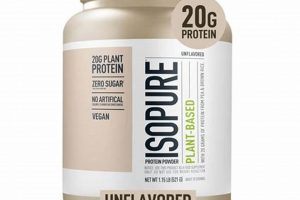
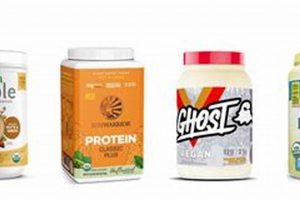
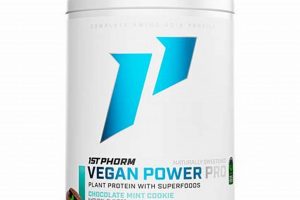
Plant-based protein supplements, formulated without soy, are designed for individuals adhering to vegan dietary practices. These products provide a concentrated source of protein derived from alternative plant sources such as pea, rice, hemp, or other seeds. They serve as a dietary aid for those seeking to increase protein intake while avoiding both animal products and soy-based ingredients.
The significance of these supplements lies in their ability to meet the nutritional needs of vegans and individuals with soy allergies or sensitivities. Historically, soy protein was a dominant ingredient in vegan protein powders. However, growing awareness of allergies and dietary preferences has fueled the demand for soy-free alternatives. These alternatives offer similar benefits, including muscle recovery, satiety, and support for overall health and wellness.
Further discussion will explore the various plant-based protein sources used in these formulations, examine their nutritional profiles, and address considerations for selecting the most suitable option based on individual dietary needs and fitness goals. Processing methods and potential allergen concerns beyond soy will also be addressed.
Guidance on Utilizing Soy-Free Vegan Protein Powder
The following recommendations are intended to provide informed guidance on the selection and integration of protein supplements formulated without soy and derived from vegan sources into dietary regimens.
Tip 1: Ingredient Source Assessment: Scrutinize the protein source. Pea, brown rice, hemp, and blends thereof represent common alternatives. Validate the amino acid profile to ensure adequate essential amino acid content.
Tip 2: Certificate of Analysis Verification: Request and review the Certificate of Analysis (COA) from the manufacturer. This document confirms product purity, potency, and absence of contaminants, including heavy metals and pesticides.
Tip 3: Comprehending Protein Requirements: Establish daily protein requirements based on individual activity levels, body weight, and health goals. Distribute protein intake evenly throughout the day for optimal utilization.
Tip 4: Strategic Consumption Timing: Consume the supplement post-exercise to facilitate muscle recovery and repair. Alternatively, incorporate it into meals to enhance satiety and manage appetite.
Tip 5: Potential Allergen Awareness: While formulated without soy, these supplements may contain other potential allergens, such as nuts or gluten. Diligently review the ingredient list to prevent adverse reactions.
Tip 6: Method of Blending & Mixing: Adhere to the manufacturer’s recommended mixing ratios to ensure proper consistency and palatability. Utilize a shaker bottle or blender for thorough dispersion.
Tip 7: Gradual Introduction into Diet: Initiate with a smaller serving size to assess tolerance and minimize potential gastrointestinal discomfort. Gradually increase the dosage as needed.
Adherence to these guidelines facilitates the informed and effective integration of plant-based, soy-free protein supplements into a balanced dietary plan, supporting individual health and fitness objectives.
Subsequent sections will address advanced considerations, including flavor profiles, sweetener options, and the role of third-party certifications in ensuring product quality and safety.
1. Protein Source

The protein source is the defining characteristic of a plant-based, soy-free protein supplement. The absence of soy necessitates alternative sources, directly influencing the amino acid profile, digestibility, and overall suitability of the powder for specific dietary needs. The protein source determines the supplement’s effectiveness in supporting muscle protein synthesis, satiety, and other physiological processes. For example, a protein powder derived solely from brown rice may be lower in lysine compared to one derived from pea protein, potentially affecting its overall nutritional value.
The selection of a suitable protein source requires careful consideration of individual dietary requirements and sensitivities. Individuals with allergies or intolerances to certain legumes or grains must scrutinize ingredient lists. The processing methods applied to extract protein from the source material can also impact the final product’s quality and digestibility. For instance, some extraction methods may denature proteins, reducing their bioavailability. Blends of multiple protein sources can offer a more complete amino acid profile and improved taste and texture compared to single-source options. The use of hemp, rice, and pea protein blends exemplify this strategy.
The protein source forms the foundation of these supplements. Understanding its composition, potential allergens, and processing methods is crucial for making informed decisions aligned with individual health and fitness objectives. The ongoing innovation in plant-based protein extraction and formulation holds promise for enhancing the nutritional value and palatability of future soy-free vegan protein powders.
2. Amino Profile

The amino acid profile is a critical determinant of the nutritional value and functional efficacy of any protein source, particularly in the context of plant-based protein supplements such as those formulated without soy and suitable for vegan diets. This profile dictates the protein’s ability to support muscle protein synthesis, tissue repair, and overall physiological function.
- Essential Amino Acid Content
Essential amino acids, which the human body cannot synthesize, must be obtained through dietary sources. The presence and quantity of these amino acids, including leucine, isoleucine, valine, lysine, methionine, threonine, phenylalanine, and tryptophan, are paramount. Plant-based protein sources often exhibit varying levels of essential amino acids, potentially necessitating strategic blending to achieve a complete profile. For example, brown rice protein may be lower in lysine, while pea protein might be relatively deficient in methionine. Therefore, combining these sources can yield a more balanced amino acid composition, mimicking the profile of animal-derived proteins.
- Branched-Chain Amino Acids (BCAAs)
Branched-chain amino acids (BCAAs), consisting of leucine, isoleucine, and valine, play a crucial role in muscle protein synthesis and reducing muscle fatigue. The concentration of BCAAs within a soy-free vegan protein supplement influences its efficacy for post-exercise recovery and muscle growth. Leucine, in particular, acts as a potent stimulator of the mTOR pathway, a key regulator of protein synthesis. Formulations with higher BCAA content, whether naturally occurring or supplemented, are generally favored for individuals engaging in resistance training.
- Digestibility-Corrected Amino Acid Score (DIAAS)
The Digestibility-Corrected Amino Acid Score (DIAAS) is a metric used to evaluate the quality of a protein source by considering both its amino acid profile and its digestibility. This score provides a more accurate assessment of protein bioavailability compared to the Protein Digestibility Corrected Amino Acid Score (PDCAAS), particularly for plant-based proteins. Soy-free vegan protein sources should ideally possess a high DIAAS value, indicating efficient digestion and absorption of amino acids. Factors such as processing methods and the presence of anti-nutritional factors can impact the DIAAS value of these supplements.
- Amino Acid Ratios and Limiting Amino Acids
The ratios of individual amino acids within a protein source are critical for optimal utilization. A limiting amino acid is the essential amino acid present in the lowest quantity relative to the body’s needs, thereby restricting protein synthesis. Identifying and addressing limiting amino acids, often through strategic blending of protein sources, is essential for enhancing the nutritional value of soy-free vegan protein powders. Formulators may add specific amino acids to correct deficiencies and improve the overall amino acid profile, ensuring that the supplement meets the physiological requirements of the consumer.
In summary, the amino acid profile represents a foundational aspect of soy-free vegan protein supplements. Evaluating essential amino acid content, BCAA concentration, DIAAS value, and amino acid ratios is crucial for selecting a product that effectively supports muscle growth, recovery, and overall health. Blending diverse plant-based protein sources and supplementing with individual amino acids are common strategies employed to optimize the amino acid profile and enhance the nutritional value of these supplements, providing a complete protein option for individuals avoiding soy and adhering to vegan dietary practices.
3. Taste/Texture
The sensory attributes of taste and texture constitute integral components of soy-free vegan protein powders, exerting a significant influence on consumer acceptance and adherence to supplementation regimens. The absence of soy, a common protein source known for its relatively neutral flavor, necessitates the utilization of alternative plant-based proteins, often characterized by distinct and potentially less palatable profiles. Consequently, product developers face the challenge of formulating supplements that deliver adequate nutritional value while also possessing acceptable taste and texture.
The inherent flavor characteristics of sources such as pea protein (often described as earthy or bean-like), brown rice protein (which can be slightly gritty), and hemp protein (known for its grassy notes) present formulation challenges. These inherent flavors can create off-putting sensory experiences, potentially limiting long-term use. Therefore, manufacturers employ various strategies to mitigate undesirable tastes and textures, including the addition of masking agents, sweeteners (both natural and artificial), and flavorings. The efficacy of these strategies in achieving palatable products directly impacts consumer satisfaction and adherence. For example, a protein powder with a gritty texture may deter frequent consumption, even if it possesses a superior nutritional profile. Similarly, an excessively sweet or artificial flavor may lead to taste fatigue and subsequent discontinuation of use. The practical significance of understanding these factors lies in the ability to formulate products that are both nutritious and sensorially appealing, thereby enhancing compliance and maximizing the potential health benefits of soy-free vegan protein supplementation.
In summation, the relationship between taste, texture, and soy-free vegan protein powders is critical to consumer satisfaction. Manufacturers must consider the inherent flavor profiles of alternative protein sources and employ strategies to improve palatability. Successfully addressing these sensory challenges is essential for promoting consistent consumption and realizing the full potential of these supplements as a valuable component of a healthy, plant-based diet. Further research and innovation in flavor masking and texture modification technologies will likely continue to play a pivotal role in shaping the future of soy-free vegan protein formulations.
4. Solubility

Solubility, referring to the capacity of a substance to dissolve in a liquid, is a critical attribute impacting the usability and consumer experience of plant-based protein supplements. The solubility of protein powders affects mixability, texture, and overall palatability, thereby influencing consumer satisfaction and adherence to supplementation regimens. Suboptimal solubility can lead to clumping, grittiness, and a less desirable drinking experience.
- Impact of Protein Source on Solubility
The source of protein in soy-free vegan protein powders significantly influences its solubility. Different plant proteins exhibit varying degrees of solubility based on their amino acid composition, processing methods, and inherent structural characteristics. For instance, pea protein generally demonstrates relatively good solubility compared to some forms of brown rice protein, which may require additional processing to enhance its dispersibility in water or other liquids. Protein isolates tend to exhibit better solubility than protein concentrates due to reduced levels of fats and carbohydrates. The selection of a protein source with inherent solubility characteristics is therefore a key consideration in product formulation.
- Effect of Processing Methods
The processing techniques employed during protein extraction and refinement can profoundly impact solubility. Methods such as enzymatic hydrolysis, microfiltration, and spray drying are utilized to enhance the dispersibility of protein powders. Enzymatic hydrolysis, for example, involves breaking down protein molecules into smaller peptides, which tend to be more soluble. Conversely, excessive heat treatment during processing can denature proteins, leading to aggregation and reduced solubility. The specific processing parameters must be carefully controlled to optimize protein solubility without compromising its nutritional value.
- Influence of pH and Temperature
The pH and temperature of the liquid used for mixing protein powders can affect solubility. Many plant-based proteins exhibit optimal solubility within a specific pH range. Deviations from this range can lead to aggregation and reduced dispersibility. Similarly, temperature can impact solubility, with some proteins dissolving more readily in warm liquids than in cold liquids. However, excessive heat can also denature proteins, negatively impacting their solubility. Manufacturers often provide recommendations regarding optimal mixing conditions to ensure proper dissolution of the protein powder.
- Role of Additives and Formulation
The inclusion of certain additives and the overall formulation of the protein powder can influence its solubility. Ingredients such as lecithin, gums, and stabilizers are often added to improve dispersibility and prevent clumping. These additives help to reduce surface tension and promote the formation of stable suspensions. The particle size and surface area of the protein powder also affect its solubility. Finer powders with larger surface areas tend to dissolve more readily. The careful selection and incorporation of these additives can significantly enhance the solubility and overall usability of soy-free vegan protein powders.
In conclusion, solubility is a multi-faceted attribute influenced by protein source, processing methods, pH, temperature, and the inclusion of additives. Optimizing solubility is essential for enhancing the consumer experience and ensuring that soy-free vegan protein powders are easily and effectively integrated into dietary regimens. The interplay of these factors requires careful consideration during product development to achieve optimal dispersibility, palatability, and overall usability.
5. Digestibility

Digestibility, the efficiency with which the body breaks down and absorbs nutrients from food, holds significant importance when considering protein sources within soy-free vegan protein powders. Plant-based proteins often possess inherent characteristics that influence their digestibility, impacting the overall nutritional benefit derived from these supplements. Factors affecting digestibility include the presence of anti-nutritional factors, the structural complexity of plant cell walls, and individual physiological variations.
- Anti-Nutritional Factors
Many plant-based protein sources contain anti-nutritional factors, such as phytates, tannins, and trypsin inhibitors, which can impede protein digestion and nutrient absorption. These compounds bind to proteins and minerals, reducing their bioavailability. Processing methods like soaking, sprouting, and cooking can mitigate the effects of anti-nutritional factors, enhancing the digestibility of the protein. In the context of soy-free vegan protein powders, the specific protein source and its processing determine the extent to which these factors impact protein absorption. For example, raw legumes contain higher levels of trypsin inhibitors compared to those that have been properly cooked or processed.
- Plant Cell Wall Structure
The structural complexity of plant cell walls, composed primarily of cellulose and other polysaccharides, can hinder the access of digestive enzymes to proteins. The breakdown of these cell walls is necessary for efficient protein digestion. Grinding, milling, and other mechanical processes used in the production of protein powders can disrupt cell wall integrity, improving protein accessibility and digestibility. The fineness of the protein powder and the presence of fiber also influence digestibility. Soy-free vegan protein powders with finely ground protein and moderate fiber content generally exhibit better digestibility compared to coarser, less processed products.
- Digestive Enzyme Activity
The activity of digestive enzymes, particularly proteases such as pepsin and trypsin, is crucial for breaking down proteins into smaller peptides and amino acids. Individual variations in enzyme activity, influenced by factors such as age, health status, and dietary habits, can affect protein digestibility. Conditions such as pancreatic insufficiency can impair protease activity, reducing protein absorption. Soy-free vegan protein powders may be formulated with added digestive enzymes, such as bromelain or papain, to enhance protein breakdown and improve digestibility, especially for individuals with compromised digestive function.
- Processing Techniques
The specific processing techniques employed in the production of soy-free vegan protein powders can significantly alter their digestibility. Methods such as enzymatic hydrolysis break down proteins into smaller peptides, which are more readily absorbed. Other techniques, like fermentation, can reduce anti-nutritional factors and improve protein bioavailability. Heat treatment, while potentially denaturing proteins, can also reduce the activity of trypsin inhibitors. Careful selection of processing methods is essential for optimizing the digestibility and nutritional value of these supplements. The digestibility-corrected amino acid score (DIAAS) is a metric used to evaluate the quality of a protein source, considering both its amino acid profile and its digestibility.
Digestibility is a multifaceted aspect of soy-free vegan protein powders. Considering the protein source, the presence of anti-nutritional factors, the structure of plant cell walls, individual digestive enzyme activity, and the processing techniques used in production is critical for maximizing the nutritional benefits of these supplements. Optimizing digestibility enhances the bioavailability of amino acids, supporting muscle protein synthesis, tissue repair, and overall health. The ongoing development of innovative processing methods holds promise for further improving the digestibility and nutritional value of plant-based protein supplements.
6. Additives
The incorporation of additives within soy-free vegan protein powders is a critical determinant of product palatability, texture, shelf stability, and nutritional profile. These additives serve diverse functions, ranging from masking undesirable flavors to enhancing nutrient bioavailability, and their selection significantly impacts the overall quality and suitability of the protein supplement for its intended purpose.
- Sweeteners
Sweeteners are frequently added to mask the inherent bitterness or earthiness often associated with plant-based proteins such as pea, rice, or hemp. Common sweeteners include natural options like stevia, monk fruit extract, and erythritol, as well as artificial sweeteners like sucralose and aspartame. The choice of sweetener can influence the product’s glycemic index and caloric content, impacting its suitability for individuals managing blood sugar levels or caloric intake. Some consumers may also exhibit sensitivities or preferences regarding specific sweeteners, necessitating careful consideration during product formulation.
- Flavorings
Flavorings are utilized to enhance the palatability of soy-free vegan protein powders and create a more appealing sensory experience. These flavorings can be either natural (derived from plant or animal sources) or artificial (synthetically produced). Examples include vanilla, chocolate, fruit extracts, and various spice blends. The concentration and type of flavoring employed directly affect the overall taste profile and consumer acceptance of the product. Manufacturers must adhere to regulatory guidelines regarding the use of flavorings to ensure safety and transparency.
- Thickeners and Stabilizers
Thickeners and stabilizers are incorporated to improve the texture and consistency of protein powder suspensions, preventing settling, clumping, and separation. Common examples include gums such as xanthan gum, guar gum, and cellulose gum. These additives enhance the mouthfeel and mixability of the protein powder, contributing to a more pleasant drinking experience. However, some individuals may experience gastrointestinal discomfort or allergic reactions to certain gums, necessitating careful ingredient labeling and consumer awareness.
- Enzymes
Digestive enzymes, such as bromelain, papain, or amylase, are sometimes added to soy-free vegan protein powders to enhance protein digestibility and nutrient absorption. These enzymes break down complex proteins and carbohydrates into smaller, more readily absorbable units. The addition of enzymes may be particularly beneficial for individuals with digestive issues or those seeking to maximize the bioavailability of nutrients from plant-based sources. However, the effectiveness of enzyme supplementation can vary depending on individual factors and the specific enzymes utilized.
The strategic selection and incorporation of additives within soy-free vegan protein powders represent a critical aspect of product formulation. Understanding the functional roles, potential benefits, and potential drawbacks of various additives is essential for creating supplements that are both palatable and nutritionally effective. Consumers should carefully review ingredient labels to identify additives of concern and make informed choices based on their individual dietary needs and preferences. The trend toward cleaner label formulations, characterized by minimal additives and natural ingredients, reflects a growing consumer demand for transparency and wholesome product offerings within the plant-based protein market.
7. Certifications

Certifications provide independent verification of specific product attributes, fostering trust and transparency within the market for soy-free vegan protein powder. These certifications serve as objective indicators of compliance with established standards, addressing concerns related to ingredient sourcing, manufacturing processes, and the absence of prohibited substances. The rise in demand for plant-based protein options, coupled with increasing consumer awareness of dietary restrictions and ethical considerations, has amplified the importance of credible certifications in this sector. For example, a “Certified Vegan” label assures consumers that the product is free from animal-derived ingredients, while a “Certified Gluten-Free” label caters to individuals with celiac disease or gluten sensitivities. Similarly, certifications verifying the absence of genetically modified organisms (GMOs) align with consumer preferences for non-GMO products. The presence of such certifications can significantly influence purchasing decisions, particularly among consumers who prioritize transparency and ethical sourcing.
The proliferation of various certification schemes necessitates a nuanced understanding of their scope and rigor. Some certifications focus specifically on verifying the absence of soy, a crucial factor for individuals with soy allergies or intolerances. Others address broader concerns related to sustainability, fair labor practices, and environmental impact. Examples include certifications from organizations such as the Non-GMO Project, Certified B Corporation, and various organic certification bodies. Evaluating the credibility and relevance of these certifications requires careful scrutiny of the certifying body’s standards and auditing procedures. Furthermore, it is essential to recognize that the absence of a particular certification does not necessarily imply that a product fails to meet the relevant criteria; it simply indicates that the product has not undergone formal assessment and verification by a third-party organization.
Certifications represent a valuable tool for consumers seeking assurance regarding the quality, safety, and ethical attributes of soy-free vegan protein powders. These independent verifications mitigate information asymmetry and facilitate informed purchasing decisions. However, it is crucial to exercise discernment when evaluating certification claims, considering the scope, rigor, and relevance of the certification to individual dietary needs and ethical values. Ultimately, the integration of credible certifications into the product labeling and marketing of soy-free vegan protein powders contributes to a more transparent and trustworthy marketplace, fostering greater consumer confidence and promoting the adoption of sustainable and ethical sourcing practices.
Frequently Asked Questions
The subsequent section addresses common inquiries concerning protein supplements formulated without soy and derived from plant-based sources. The information presented aims to clarify prevalent misconceptions and provide objective guidance.
Question 1: What constitutes a suitable substitute for soy protein in vegan protein powders?
Viable alternatives encompass protein derived from pea, brown rice, hemp seeds, pumpkin seeds, sunflower seeds, quinoa, and chia seeds, either individually or in blended formulations. The selection depends on factors such as amino acid profile, digestibility, and allergenicity.
Question 2: Are plant-based protein sources complete proteins, and is supplementation required to obtain all essential amino acids?
While some plant proteins, like quinoa, are complete, many are not. Formulations often blend multiple sources to ensure a comprehensive amino acid profile, effectively mitigating any deficiencies in individual sources. Consultation with a registered dietitian is advisable to determine individual needs.
Question 3: What are the potential adverse effects of consuming soy-free vegan protein powder?
Potential adverse effects may include gastrointestinal distress, such as bloating, gas, or diarrhea, particularly upon initial consumption or with excessive intake. Allergic reactions to specific ingredients, such as tree nuts or seeds, are also possible. Careful review of the ingredient list is imperative.
Question 4: How does the protein content of soy-free vegan protein powder compare to whey protein?
Protein content is formulation-dependent. Reputable products typically contain a comparable amount of protein per serving to whey protein isolates or concentrates. Scrutinizing the nutrition facts label is essential for accurate assessment.
Question 5: Is soy-free vegan protein powder appropriate for individuals with soy allergies or sensitivities?
The primary advantage lies in its suitability for individuals with soy allergies or sensitivities. However, diligent examination of the ingredient list is crucial to ascertain the absence of cross-contamination or undeclared soy derivatives.
Question 6: What considerations are paramount when selecting a soy-free vegan protein powder for muscle growth and recovery?
Key considerations include a comprehensive amino acid profile, particularly the presence of branched-chain amino acids (BCAAs), adequate protein content per serving, and third-party certification verifying product purity and accuracy of labeling.
The preceding questions and answers provide a foundational understanding of soy-free vegan protein powders. Informed decision-making requires careful consideration of individual dietary needs, health status, and product attributes.
The subsequent section will delve into the practical application of these supplements within various dietary and lifestyle contexts.
Soy Free Vegan Protein Powder
This exploration has elucidated the multifaceted nature of soy free vegan protein powder, dissecting its constituent elements from protein sources and amino acid profiles to digestibility, additives, and certifications. It is evident that the selection of an appropriate supplement necessitates a thorough understanding of individual dietary requirements, allergen sensitivities, and ethical considerations. The absence of soy, while catering to a specific segment, introduces complexities regarding protein completeness and palatability, demanding careful formulation strategies.
The informed consumer must approach the market with a critical eye, scrutinizing ingredient labels, verifying certifications, and considering the potential impact of additives. As research progresses and technological innovations emerge, the quality, digestibility, and palatability of these supplements are poised to improve further. The continued pursuit of transparency and ethical sourcing will undoubtedly shape the future of this expanding sector, empowering individuals to make informed choices aligned with their health goals and values.