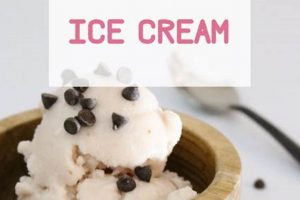
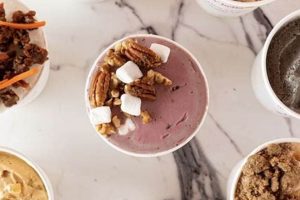
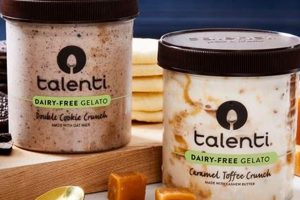
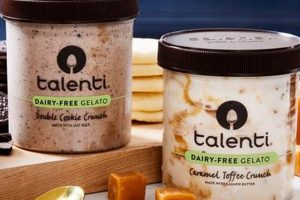
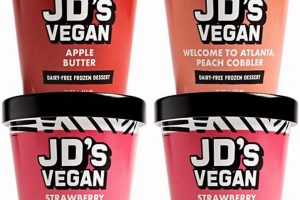
A frozen dessert that replicates the classic combination of vanilla and chocolate sandwich cookies, but excludes all animal-derived ingredients. It typically uses a plant-based milk alternative (such as soy, almond, cashew, or coconut milk) as its base, combined with sweeteners, stabilizers, and crushed or whole vegan chocolate cookies. This product allows individuals following a plant-based diet to enjoy a familiar and traditionally dairy-laden treat.
The significance of this dessert lies in its ability to cater to the growing vegan and dairy-free market. Its benefits include providing a cruelty-free and often lower-cholesterol alternative to traditional ice cream. The historical context involves the increasing awareness of animal welfare and the environmental impact of dairy production, leading to the development and popularization of numerous plant-based alternatives, including this frozen confection.
The subsequent sections will delve into the specific ingredients, production methods, nutritional profiles, and market availability of this increasingly popular dessert alternative, offering a detailed analysis of its composition and appeal.
Production and Enjoyment Guidance
This section offers key recommendations for creating and consuming a non-dairy frozen dessert mimicking traditional cookies and cream flavor profiles.
Tip 1: Ingredient Selection: Employ a high-quality plant-based milk as the base. The fat content significantly impacts the final texture; richer options like coconut or cashew milk will yield a creamier result, while lighter alternatives like almond milk may require additional stabilizers.
Tip 2: Cookie Composition: Ensure the chocolate sandwich cookies used are certified vegan, verifying the absence of dairy in both the cookie and the cream filling. Cross-contamination during manufacturing should also be a consideration.
Tip 3: Stabilizer Optimization: To prevent ice crystal formation, consider using a stabilizer such as guar gum or xanthan gum. Precise measurements are crucial; excessive amounts can result in a gummy texture, while insufficient amounts may lead to a grainy final product.
Tip 4: Sweetener Balance: Experiment with various natural sweeteners like agave nectar, maple syrup, or coconut sugar to achieve the desired sweetness level. Adjust the quantity according to the specific plant-based milk used, as some options possess inherent sweetness.
Tip 5: Churning Process: When using an ice cream maker, adhere to the manufacturer’s instructions for optimal churning time. Over-churning can lead to a dense, undesirable texture, while under-churning results in a soft, unstable product.
Tip 6: Storage Protocol: Store the finished product in an airtight container in the coldest part of the freezer to minimize ice crystal formation and maintain texture. Rapid temperature fluctuations should be avoided.
Tip 7: Serving Suggestions: Allow the dessert to temper slightly before serving for enhanced flavor perception and a softer consistency. Complementary toppings include vegan chocolate sauce, fresh berries, or chopped nuts.
Adherence to these recommendations will facilitate the production of a palatable and visually appealing frozen dessert suitable for individuals adhering to a vegan diet or those seeking dairy-free alternatives.
The following sections will address nutritional aspects, market trends, and future innovations related to this product category.
1. Ingredients

The selection of ingredients is paramount in formulating a palatable and structurally sound non-dairy frozen dessert that mimics the characteristics of traditional cookies and cream ice cream. The components chosen directly influence the final product’s texture, flavor profile, and nutritional composition, making ingredient selection a critical factor in its success.
- Plant-Based Milk Alternatives
The foundational element of this product is the plant-based milk. Options include soy milk, almond milk, cashew milk, coconut milk, and oat milk. Each alternative contributes distinct characteristics: coconut milk offers a high-fat content resulting in a creamier texture; almond milk provides a lighter, lower-calorie base; cashew milk delivers a smooth, neutral flavor; soy milk offers a protein-rich option; and oat milk provides a naturally sweet and creamy base. The choice of plant-based milk dictates the overall richness and mouthfeel of the final product.
- Vegan Cookies
The cookies incorporated into this formulation are crucial for replicating the signature flavor and textural contrast of cookies and cream. These cookies must be certified vegan, ensuring the absence of dairy, eggs, and honey. Common variations include chocolate sandwich cookies with a cream filling made from vegetable shortening, sugar, and flavorings. The cookie’s texture, ranging from crisp to slightly chewy, impacts the overall eating experience and contributes to the dessert’s sensory appeal.
- Sweeteners
Sweeteners play a pivotal role in achieving the desired palatability. Commonly used options include granulated sugar, cane sugar, agave nectar, maple syrup, and stevia. The choice of sweetener impacts the product’s overall sweetness level and flavor profile. Agave nectar and maple syrup contribute subtle flavor nuances, while stevia offers a calorie-free sweetening option, but may impart a slightly bitter aftertaste. The concentration of sweetener is carefully calibrated to balance the flavors of the plant-based milk and cookies.
- Stabilizers and Emulsifiers
Stabilizers and emulsifiers are essential for preventing ice crystal formation and maintaining a smooth, creamy texture during freezing and storage. Common stabilizers include guar gum, xanthan gum, and carrageenan (although carrageenan’s use is debated due to potential health concerns). Emulsifiers, such as sunflower lecithin, aid in binding the fat and water components, preventing separation and enhancing the overall texture. Precise measurement and proper incorporation are critical to avoid a gummy or grainy final product.
The interplay between these components dictates the ultimate success of creating a satisfying non-dairy version of a classic dessert. Careful consideration of each ingredient’s individual contribution and its synergistic effect within the overall formulation is essential for producing a high-quality and consumer-pleasing product that faithfully replicates the taste and texture of traditional cookies and cream ice cream.
2. Production

The production of vegan cookies and cream ice cream necessitates careful consideration of specialized techniques and equipment to achieve a product comparable in texture and flavor to its dairy-based counterpart. The absence of animal-derived ingredients requires adjustments throughout the manufacturing process to ensure stability, prevent ice crystal formation, and maintain the desired sensory attributes.
- Plant-Based Milk Processing
Plant-based milks, unlike dairy milk, often require homogenization and pasteurization to enhance stability and prevent separation. Homogenization reduces the size of fat globules, creating a smoother texture. Pasteurization eliminates harmful microorganisms and extends shelf life. Specific processing parameters depend on the type of plant-based milk used. For instance, oat milk may require enzymatic treatment to prevent excessive thickening during heating. Inadequate processing can lead to a grainy or separated final product.
- Cookie Incorporation Techniques
The method of incorporating vegan cookies into the base mix significantly affects the final product. Cookies can be added whole, crushed, or as a coarse powder. Adding whole cookies can result in clumping and uneven distribution. Crushing the cookies provides a more uniform distribution but can lead to a muddy appearance if over-processed. A coarse powder allows for even flavor distribution without significantly altering the ice cream’s texture. The timing of cookie addition is also crucial; adding cookies too early can lead to softening and disintegration.
- Freezing and Churning Optimization
Freezing and churning are critical steps in creating the desired ice cream texture. The churning process introduces air into the mix, creating overrun and a lighter consistency. Vegan ice cream bases often require higher overrun to compensate for the lower fat content compared to dairy ice cream. The freezing rate must be carefully controlled to minimize ice crystal formation. Rapid freezing can lead to smaller ice crystals and a smoother texture. Specialized ice cream freezers with precise temperature control are essential for optimal results.
- Stabilization and Emulsification Strategies
Stabilizers and emulsifiers are crucial for preventing ice crystal growth and maintaining a homogenous texture during storage. Plant-based ice cream formulations often require a blend of stabilizers, such as guar gum, locust bean gum, and cellulose gum, to achieve the desired effect. Emulsifiers, like sunflower lecithin or soy lecithin, help to bind the fat and water phases, preventing separation. Overuse of stabilizers can lead to a gummy texture, while insufficient use can result in a grainy or icy product. Precise measurement and proper dispersion of these ingredients are essential for optimal results.
These facets of production highlight the complexities involved in creating a high-quality, commercially viable dessert. Each step requires careful attention to detail and precise control of process parameters to overcome the challenges associated with using plant-based ingredients. Successful production results in a product that replicates the sensory experience of traditional ice cream while adhering to vegan principles.
3. Texture

Texture is a critical sensory attribute that significantly influences consumer acceptance of vegan cookies and cream ice cream. Replicating the smooth, creamy mouthfeel of traditional dairy-based ice cream while adhering to vegan principles presents a complex challenge. Several factors contribute to the overall textural experience of this dessert alternative.
- Ice Crystal Formation
The size and distribution of ice crystals within the frozen matrix directly impact perceived smoothness. Large ice crystals result in a grainy or icy texture, while smaller crystals contribute to a creamier mouthfeel. The type of plant-based milk used, the presence of stabilizers, and the freezing process all influence ice crystal formation. Rapid freezing and the use of stabilizers like guar gum or locust bean gum can help minimize ice crystal size, improving the overall texture.
- Fat Content and Composition
Fat plays a crucial role in the texture of ice cream by providing lubrication and contributing to a smooth, rich mouthfeel. Plant-based milks often have lower fat content or different fatty acid profiles compared to dairy milk. To compensate, manufacturers may add plant-based fats, such as coconut oil or cocoa butter, to enhance the creaminess of the product. The type and amount of added fat must be carefully balanced to avoid a greasy or waxy texture.
- Cookie Distribution and Particle Size
The distribution and particle size of the vegan cookie pieces contribute to the overall textural experience. Uniform distribution of cookie pieces ensures a consistent bite. The size of the cookie pieces affects the perceived texture contrast; larger pieces provide a more pronounced textural element, while smaller pieces blend more seamlessly with the ice cream base. Excessive crushing of the cookies can result in a muddy texture, while insufficient crushing can lead to uneven distribution.
- Overrun and Air Incorporation
Overrun, the percentage increase in volume due to air incorporation during churning, affects the density and lightness of the ice cream. Optimal overrun contributes to a smooth, creamy texture and prevents a dense, icy product. Plant-based ice cream bases often require higher overrun than dairy-based ice cream to achieve a comparable texture. Careful control of the churning process is essential to achieve the desired overrun without compromising stability.
Achieving a desirable texture in vegan cookies and cream ice cream requires a nuanced understanding of the interplay between these factors. Careful selection of ingredients, optimization of processing techniques, and precise control of formulation parameters are crucial for creating a product that replicates the sensory experience of traditional ice cream while adhering to vegan principles. Continuous innovation in plant-based ingredient technology and processing methods is further refining the textural qualities of these desserts.
4. Flavor
Flavor, encompassing both taste and aroma, is the primary driver of consumer satisfaction in frozen desserts. Its meticulous construction is paramount in vegan cookies and cream ice cream, where the absence of dairy necessitates careful replication of familiar and expected sensory profiles.
- Plant-Based Milk Influence
The foundational plant-based milk alternative imparts a subtle yet significant flavor note. Coconut milk contributes a tropical sweetness and creamy texture, while cashew milk offers a more neutral, slightly nutty base. Almond milk provides a lighter profile with a distinct almond essence. The choice of plant-based milk dictates the background flavor upon which the cookies and cream components are layered, influencing the overall taste harmony.
- Cookie Flavor Profile
Vegan chocolate sandwich cookies deliver the dominant chocolate and vanilla notes essential to the flavor identity. The intensity of the chocolate, ranging from mild to bittersweet, and the sweetness of the cream filling directly impact the overall sensory experience. Variations in cookie formulation, such as the addition of cocoa nibs or different vanilla extracts, contribute to unique flavor nuances within the final product.
- Sweetener Impact
The selection of sweeteners, including cane sugar, agave nectar, or maple syrup, influences not only the sweetness level but also the flavor complexity. Agave nectar imparts a subtle caramel-like note, while maple syrup contributes a distinctive maple essence. The sweetener profile must be carefully balanced to complement the plant-based milk and cookie flavors, avoiding overpowering or masking the other components.
- Aroma Development
Aroma plays a critical role in flavor perception. The combination of vanilla from the cookie filling, the chocolate notes, and the subtle aroma of the plant-based milk contributes to the overall olfactory experience. Manufacturers often incorporate natural flavorings or extracts to enhance the aroma, creating a more appealing and satisfying sensory profile. The aroma profile triggers memories and associations linked to traditional cookies and cream desserts, contributing to consumer acceptance.
The orchestration of these flavor components is essential for creating a compelling and authentic vegan cookies and cream ice cream experience. Manufacturers strive to meticulously balance these elements, replicating the familiar taste and aroma profile of its dairy-based counterpart while adhering to strict vegan guidelines. The successful integration of these flavor facets ultimately determines the product’s success in the competitive frozen dessert market.
5. Nutrition
The nutritional profile of vegan cookies and cream ice cream is significantly influenced by its constituent ingredients, differing substantially from traditional dairy-based versions. Plant-based milk alternatives, such as those derived from soy, almond, cashew, or coconut, contribute varying levels of protein, fat, and carbohydrates. Furthermore, the inclusion of vegan cookies, often produced with refined flours and sugars, adds to the carbohydrate content. Consequently, a careful examination of macronutrient ratios, micronutrient availability, and the presence of added sugars is imperative to assess the healthfulness of these products. For instance, substituting coconut milk for dairy milk may reduce cholesterol content but increase saturated fat levels, potentially affecting cardiovascular health.
The absence of animal-derived ingredients inherently alters the micronutrient composition. Vegan ice cream may lack vitamin B12, commonly found in dairy products, necessitating fortification or dietary supplementation. Calcium content, crucial for bone health, may also be lower unless specifically added. Conversely, plant-based milk alternatives can contribute beneficial phytonutrients and antioxidants not present in traditional ice cream. However, the inclusion of highly processed vegan cookies often diminishes the overall nutritional value, contributing to a higher glycemic index and a reduced fiber content. Consumers should therefore scrutinize product labels for added vitamins, minerals, and the types of fats and carbohydrates used.
Ultimately, while vegan cookies and cream ice cream may offer advantages such as reduced cholesterol and the absence of animal products, its nutritional value is contingent upon the specific ingredients and processing methods employed. It is essential to consider that even vegan alternatives can be high in sugar and calories, requiring moderation as part of a balanced diet. A deeper understanding of the ingredients, coupled with careful label reading, allows consumers to make informed choices aligned with their individual dietary needs and health goals.
6. Availability
The market presence of vegan cookies and cream ice cream is inextricably linked to its overall viability as a consumer product. Widespread availability is not merely a matter of convenience; it directly influences consumer awareness, adoption rates, and ultimately, the long-term success of the offering. Limited accessibility, conversely, restricts its potential market penetration, hindering both brand recognition and sales volume. The expansion of availability, therefore, functions as a catalyst for increased demand and broader acceptance within both vegan and non-vegan consumer segments.
Current distribution channels for this product vary significantly. Major grocery chains increasingly stock vegan options, including this flavor, often within dedicated sections for plant-based alternatives. Smaller specialty stores and health food markets frequently carry niche brands that prioritize organic or locally sourced ingredients. Online retailers further expand accessibility, providing a convenient avenue for consumers in regions with limited brick-and-mortar availability. However, challenges persist in reaching certain demographic groups and geographic locations. For example, rural areas may experience significantly restricted access compared to urban centers. Furthermore, price points can vary considerably across different retail outlets, potentially influencing purchasing decisions.
In conclusion, the strategic importance of availability cannot be overstated. Enhanced distribution, encompassing diverse retail channels and addressing geographic disparities, is essential for realizing the full market potential of vegan cookies and cream ice cream. Overcoming distribution barriers and ensuring equitable access across various consumer segments will contribute significantly to the growth and mainstream acceptance of this plant-based dessert alternative, bolstering its position within the broader frozen dessert category.
7. Appeal

The widespread appeal of vegan cookies and cream ice cream is a multifaceted phenomenon driven by several interconnected factors. A primary cause is the growing segment of consumers adopting vegan or plant-forward diets, either for ethical, health, or environmental reasons. This demographic seeks familiar and indulgent treats that align with their dietary principles, and vegan cookies and cream ice cream offers a readily accessible solution. Its appeal stems from replicating a classic flavor profile in a format consistent with these values. For example, a consumer who transitioned to veganism may previously have enjoyed conventional cookies and cream ice cream; the vegan alternative provides a way to recapture this experience without compromising their beliefs. The rise of veganism has directly translated to an increased demand for palatable and readily available vegan options, placing appeal as a critical component of this product’s success.
Moreover, its appeal extends beyond exclusively vegan consumers. Individuals with lactose intolerance or dairy sensitivities find it to be a suitable alternative to traditional dairy-based ice cream, expanding the potential market. The perceived health benefits, whether accurate or not, of plant-based products also contribute to its broader appeal. This includes the perception of lower cholesterol content or the association with “clean eating” trends. Real-world examples include the placement of vegan cookies and cream ice cream alongside dairy-based alternatives in mainstream grocery stores, indicating an attempt to attract a wider consumer base. Marketing strategies often emphasize both the ethical and health aspects, further amplifying its appeal to diverse consumer groups.
Understanding the appeal of vegan cookies and cream ice cream is practically significant for manufacturers and retailers. It informs product development, marketing strategies, and distribution decisions. By recognizing the diverse motivations driving consumer interest, businesses can tailor their products and messaging to maximize market penetration. However, challenges remain, including the need to continuously improve the taste and texture to match or exceed conventional options and to address potential consumer concerns regarding ingredients and processing methods. The future of this product hinges on its ability to sustain and broaden its appeal while addressing the evolving needs and preferences of its target audiences.
Frequently Asked Questions
This section addresses common inquiries regarding vegan cookies and cream ice cream, providing concise and factual answers to clarify its composition, production, and nutritional aspects.
Question 1: What distinguishes vegan cookies and cream ice cream from traditional dairy-based ice cream?
The primary distinction lies in the absence of animal-derived ingredients. Vegan versions utilize plant-based milk alternatives, such as soy, almond, coconut, or oat milk, in place of cow’s milk. The cookies used are also formulated without dairy or eggs.
Question 2: What are the typical ingredients found in vegan cookies and cream ice cream?
Common ingredients include a base of plant-based milk (e.g., almond, soy, coconut), vegan sugar, stabilizers (e.g., guar gum, xanthan gum), emulsifiers (e.g., sunflower lecithin), vegan chocolate sandwich cookies, and natural flavorings.
Question 3: How does the texture of vegan cookies and cream ice cream compare to traditional ice cream?
The texture can vary depending on the specific formulation and production techniques. Achieving the same creamy mouthfeel as dairy ice cream can be challenging due to the differences in fat content and composition. Stabilizers and emulsifiers are often employed to improve the texture.
Question 4: Is vegan cookies and cream ice cream nutritionally equivalent to traditional ice cream?
The nutritional profiles differ. Vegan versions may be lower in cholesterol and saturated fat but can also be lower in protein and certain micronutrients like vitamin B12. Sugar content is generally comparable.
Question 5: Are all commercially available cookies suitable for making vegan cookies and cream ice cream?
No, not all cookies are vegan. It is essential to verify that the cookies used are certified vegan, ensuring the absence of dairy, eggs, and honey in both the cookie and the cream filling. Inspect ingredient lists carefully.
Question 6: How does the price of vegan cookies and cream ice cream compare to traditional ice cream?
Vegan versions are often priced higher than conventional ice cream due to the higher cost of plant-based ingredients and specialized production processes.
This FAQ section elucidates key differences and considerations regarding vegan cookies and cream ice cream, providing a factual overview for informed decision-making.
The subsequent section explores future trends and innovations in the realm of vegan frozen desserts.
Conclusion
The preceding analysis elucidates the multifaceted characteristics of vegan cookies and cream ice cream. It is a product born from increasing demand for plant-based alternatives, requiring careful ingredient selection, precise production techniques, and a thorough understanding of flavor and texture dynamics. Its nutritional profile warrants scrutiny, and its availability and appeal are critical for market success. The exploration of these aspects paints a comprehensive picture of this dessert alternative.
The continued evolution of food technology and consumer preferences will inevitably shape the future of this product category. Further innovation in plant-based ingredients and processing methods is essential to enhance its sensory qualities and nutritional value. The pursuit of accessible, palatable, and nutritionally sound vegan options remains a crucial endeavor, reflecting the evolving landscape of dietary choices and ethical considerations within the food industry.