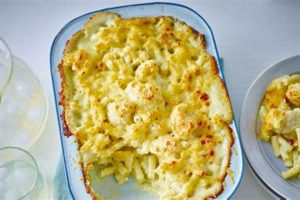
The combination represents a plant-based variation of a classic comfort food dish, incorporating a specific type of squash into a creamy, cheese-like sauce. This approach alters the traditional recipe by excluding dairy and animal products entirely, offering an alternative that aligns with vegan dietary preferences. The preparation typically involves blending cooked squash with other ingredients to create a smooth sauce, which is then combined with cooked pasta.
This culinary adaptation addresses the growing demand for plant-based options and caters to individuals with dietary restrictions or ethical concerns related to animal products. The addition of squash contributes nutritional benefits such as vitamins and fiber, potentially enhancing the overall health value of the meal. Furthermore, this approach extends the range of flavors and textures within the realm of vegan cuisine, offering a novel twist on a familiar dish.
The subsequent sections will delve into the specific components of this dish, including methods for sauce preparation, optimal pasta selection, and potential variations for enhanced flavor profiles. Examination of nutritional aspects and considerations for allergen awareness will also be included.
Culinary Guidance
The following are focused considerations to optimize the preparation and enjoyment of this dish.
Tip 1: Squash Selection: Opt for varieties known for their smooth texture and naturally sweet flavor, such as butternut or kabocha. These varieties blend seamlessly into the sauce, contributing to a creamy consistency without excessive graininess.
Tip 2: Sauce Base Enhancement: Consider incorporating nutritional yeast to mimic the umami flavor profile typically associated with cheese. A small amount of miso paste may also contribute depth and complexity to the sauce.
Tip 3: Pasta Selection: Choose pasta shapes that effectively capture and hold the sauce. Shells, cavatappi, or rotini are suitable options due to their ridges and curves.
Tip 4: Texture Adjustment: If the sauce is too thick, gradually incorporate plant-based milk or vegetable broth until the desired consistency is achieved. Avoid adding excessive liquid, which can dilute the flavor.
Tip 5: Spice Incorporation: Introduce complementary spices to enhance the overall flavor profile. Smoked paprika, garlic powder, onion powder, and a pinch of nutmeg can add depth and warmth to the dish.
Tip 6: Allergen Awareness: When preparing this dish for individuals with allergies, carefully review all ingredient labels to ensure they are free from common allergens such as gluten, nuts, or soy. Use certified gluten-free pasta and nut-free plant-based milk alternatives as necessary.
Tip 7: Roasting for Depth: Roasting the squash before blending can intensify its natural sweetness and impart a subtle caramelized flavor, enhancing the overall taste.
Adhering to these guidelines will contribute to a more flavorful and satisfying experience. Careful selection of ingredients and meticulous attention to technique are crucial for achieving optimal results.
The subsequent section provides information regarding ingredient substitutions.
1. Squash Variety

The selection of squash variety exerts a direct and substantial influence on the characteristics of the final dish. Different types of squash possess varying levels of sweetness, moisture content, and inherent flavor profiles. These attributes impact the texture, taste, and overall appeal of the dish. For instance, butternut squash, characterized by its sweet and nutty flavor, contributes a creamy texture and enhanced sweetness to the sauce. Conversely, kabocha squash, which has a drier consistency and subtle sweetness, may necessitate adjustments in liquid content to achieve the desired sauce consistency. Acorn squash, with its mild flavor, requires more assertive seasoning to achieve a balanced taste profile.
The cause-and-effect relationship between squash variety and the final product highlights the necessity of informed ingredient selection. Using the wrong squash can lead to a sauce that is either too watery, too thick, or lacking in desired flavor. For example, using spaghetti squash, which is fibrous and watery, would produce an unsuitable sauce for a creamy mac and cheese analogue. Chefs who prioritize ingredient selection report significantly improved satisfaction among patrons and are more likely to be repeat customers. This level of discrimination in squash selection is the difference between a standard dish and an outstanding culinary experience.
In summation, the choice of squash variety serves as a pivotal determinant in shaping the outcome of the dish. Its effect extends from the foundational elements of texture and flavor to the overall nutritional composition. Careful consideration is therefore indispensable to maximize the potential for a successful, flavorful, and texturally appropriate final result. The key takeaways include that selection is critical for the success of this dish.
2. Vegan Cheese Alternative

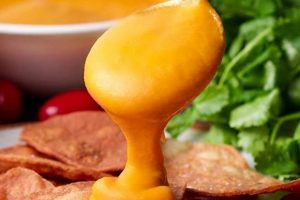
The category of vegan cheese alternatives forms an essential component in recreating familiar dairy-based dishes, including plant-based adaptations. In the context of replicating “pumpkin mac and cheese vegan,” the selection of a suitable substitute is crucial for achieving a palatable and texturally appropriate outcome. The absence of dairy-based cheese necessitates the incorporation of ingredients that mimic its creamy texture, savory flavor, and melting properties. The success of a plant-based dish hinges on the selection of a cheese alternative with the right flavor, texture, and aroma, resulting in the overall success of the dish.
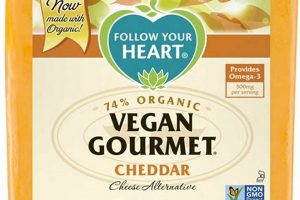
Cashew-based sauces, nutritional yeast, and commercially produced vegan cheeses represent viable options. Cashew-based sauces contribute a creamy texture and can be flavored to resemble cheese through the addition of nutritional yeast, lemon juice, and garlic powder. Nutritional yeast, a deactivated yeast with a naturally cheesy flavor, adds umami notes often found in traditional cheeses. Commercially available vegan cheeses, formulated with ingredients such as tapioca starch, plant-based oils, and vegetable proteins, provide melting capabilities and varying degrees of cheese-like flavor. Each alternative presents distinct advantages and disadvantages in terms of flavor profile, texture, and nutritional content. The practical application of this understanding involves carefully assessing each alternative’s characteristics and selecting the option that best aligns with the desired outcome of the dish.
Selecting the appropriate alternative impacts the final dishs texture, flavor, and perceived authenticity. Challenges include replicating the complex flavor profile of aged cheeses and achieving a melt that is consistent with dairy-based products. Continued innovation in the development of vegan cheese alternatives addresses these limitations, expanding the possibilities for plant-based cuisine. The selection of the vegan cheese alternatives greatly enhances the flavor of the dish. The ability to substitute is a key aspect of cooking a dairy-free product.
3. Pasta Type

The selection of pasta type exerts a significant influence on the overall success of a dairy-free adaptation of pumpkin mac and cheese. The shape and texture of the pasta impact the sauce’s ability to adhere and distribute evenly throughout the dish, thereby affecting the eating experience.
- Surface Area and Sauce Adhesion
Pasta shapes with a high surface area-to-volume ratio, such as cavatappi, rotini, or shells, provide ample crevices and ridges for the sauce to cling to. This ensures that each bite contains a sufficient amount of sauce, enhancing the flavor and texture of the dish. Smooth pasta shapes, like spaghetti or linguine, offer less surface area for sauce adhesion, potentially leading to a less satisfying eating experience.
- Structural Integrity and Sauce Distribution
The structural integrity of the pasta is crucial for maintaining its shape during cooking and preventing it from becoming mushy or disintegrating within the sauce. Tubular pasta shapes, like elbow macaroni or penne, retain their shape well and allow the sauce to flow inside, distributing the flavor evenly. Delicate pasta shapes, like angel hair or orzo, may overcook easily and become lost in the sauce.
- Size and Sauce-to-Pasta Ratio
The size of the pasta should be proportional to the thickness and consistency of the sauce. Smaller pasta shapes, like ditalini or acini di pepe, are well-suited for thinner sauces, while larger pasta shapes, like jumbo shells or rigatoni, can handle thicker, more substantial sauces. A balanced sauce-to-pasta ratio is essential for achieving a harmonious eating experience.
- Gluten-Free Considerations
For individuals with gluten sensitivities or celiac disease, the selection of gluten-free pasta is paramount. Gluten-free pasta alternatives, often made from rice, corn, or quinoa, exhibit varying textures and cooking characteristics. It is essential to choose a gluten-free pasta that retains its shape well and does not become overly sticky or gummy during cooking. Experimentation with different brands and types of gluten-free pasta is recommended to find the optimal choice for this dish.
The interplay between pasta type and sauce characteristics ultimately determines the success of pumpkin mac and cheese. Careful consideration of surface area, structural integrity, size, and gluten-free considerations allows for the creation of a dish that is both flavorful and texturally satisfying. A thoughtful pasta selection complements the sauce, providing a balanced and enjoyable culinary experience.
4. Spice Complement

The strategic use of spice complements exerts a profound influence on the flavor profile and overall palatability of vegan pumpkin mac and cheese. The inherent sweetness of pumpkin necessitates careful balancing with spices that provide depth, warmth, and complexity. A poorly chosen spice complement can result in a dish that is either bland and uninteresting or overwhelmingly sweet and cloying. Conversely, a well-executed spice blend elevates the dish, creating a harmonious balance of flavors that appeals to a wide range of palates. For example, the inclusion of nutmeg, known for its warm and slightly nutty notes, counteracts the pumpkin’s sweetness while adding a layer of aromatic complexity. A pinch of smoked paprika can introduce a subtle smoky flavor, mimicking the depth associated with traditional cheese sauces.
Considerations for spice selection extend beyond mere flavor compatibility. The intensity and freshness of spices can significantly impact the final result. Ground spices, while convenient, often lose their potency over time. Freshly grated nutmeg, for example, offers a more pronounced aroma and flavor compared to pre-ground nutmeg. Similarly, freshly toasted and ground spices, such as coriander or cumin, can add a layer of complexity that is absent in pre-ground versions. Practical application of this principle involves regularly assessing the freshness of spices and adjusting quantities accordingly. In instances where pre-ground spices are unavoidable, increasing the amount used may compensate for the reduced potency.
In summary, the role of spice complements in vegan pumpkin mac and cheese cannot be overstated. It’s an integral aspect that significantly impacts the final culinary experience. Thoughtful selection, coupled with a keen awareness of spice freshness and intensity, allows the creation of a dish that is both flavorful and nuanced. Challenges in spice selection often stem from personal preference or inadequate understanding of flavor pairings, underscoring the need for experimentation and careful attention to detail. The strategic use of spices in this dish connects directly to the broader theme of culinary creativity and the ability to transform simple ingredients into a satisfying and complex meal.
5. Texture Management
Achieving the correct texture in a plant-based pumpkin mac and cheese analogue is essential for replicating the mouthfeel of the traditional dish. The absence of dairy-based cheese necessitates careful manipulation of ingredients to create a sauce that is both creamy and smooth, avoiding a grainy or watery consistency. The inherent water content of pumpkin, combined with the characteristics of the chosen vegan cheese alternative, demands precise control over liquid ratios and thickening agents. Overcooking or inadequate blending can result in a sauce that lacks the desired velvety texture, detracting from the overall culinary experience. Examples of real-life applications include using an immersion blender to ensure a completely smooth sauce and adjusting the quantity of plant-based milk or vegetable broth to reach the optimal consistency. The practical significance of this lies in delivering a dish that is not only flavorful but also texturally pleasing, enhancing the perceived authenticity of the plant-based adaptation.
Several methods contribute to effective texture management. Roasting the pumpkin before pureeing concentrates its flavor and reduces excess moisture, contributing to a thicker and smoother base. The addition of thickening agents, such as cornstarch or tapioca starch, provides further control over sauce consistency. Blending the ingredients thoroughly is crucial for eliminating lumps or graininess. It is important to gradually introduce plant-based milk or vegetable broth, carefully monitoring the sauce’s viscosity to prevent over-thinning. Real-world scenarios highlight the importance of precise measurements and attentive monitoring during the cooking process. For example, a restaurant chef meticulously adjusts the amount of cornstarch based on the specific squash variety used that day to ensure each batch consistently meets the desired texture standards. Successful execution requires a nuanced understanding of how each ingredient interacts and affects the overall texture.
In summary, texture management constitutes a critical aspect of creating a successful plant-based pumpkin mac and cheese. Challenges arise from the inherent variability of ingredients and the absence of dairy’s natural emulsifying properties. Overcoming these challenges requires careful attention to detail, a thorough understanding of ingredient interactions, and precise execution of techniques. Effective texture management is instrumental in bridging the gap between the traditional dish and its plant-based counterpart, contributing to a more satisfying and authentic eating experience. Ultimately, successful adaptation of this dish lies in the mastery of texture.
6. Nutritional Profile
The assessment of nutritional attributes is essential when evaluating any dish, particularly plant-based variations of familiar comfort foods. Vegan pumpkin mac and cheese necessitates scrutiny of its macronutrient composition, vitamin and mineral content, and potential benefits or drawbacks relative to traditional macaroni and cheese formulations. Understanding these aspects facilitates informed dietary choices.
- Macronutrient Distribution
The balance of carbohydrates, proteins, and fats is a primary consideration. Pumpkin contributes carbohydrates and fiber, while vegan cheese alternatives influence protein and fat content. Depending on the ingredients used, this plant-based adaptation may exhibit a different macronutrient profile compared to traditional versions. For instance, cashew-based sauces can increase fat content, while nutritional yeast contributes protein. This distribution may appeal to specific dietary requirements, such as those prioritizing higher fiber intake.
- Vitamin and Mineral Content
Pumpkin is a source of vitamin A, vitamin C, and potassium. Vegan cheese alternatives may be fortified with vitamin B12, a nutrient often lacking in plant-based diets. The presence of these micronutrients enhances the nutritional value of the dish. The inclusion of squash also adds minerals like copper which are important for many bodily functions. Consumers may opt for this adaptation to increase intake of these nutrients.
- Fiber Content
The addition of pumpkin significantly elevates the fiber content compared to traditional macaroni and cheese. Dietary fiber supports digestive health and contributes to satiety. The fiber content contributes to feelings of fullness without excessive caloric intake, which helps to maintain a caloric deficit. Increased dietary fiber assists in stabilizing blood sugar which is helpful for individuals who may need to regulate their glucose levels.
- Sodium Content Considerations
Commercially produced vegan cheese alternatives and pre-made sauces may contain elevated levels of sodium. Monitoring sodium content is crucial, particularly for individuals with hypertension or sodium-sensitive conditions. Homemade preparations offer greater control over sodium levels, allowing for adjustments based on individual needs. Choosing low-sodium ingredients and limiting added salt contributes to a healthier nutritional profile.
In summary, the nutritional profile of plant-based pumpkin mac and cheese is contingent on the specific ingredients and preparation methods employed. By carefully selecting nutrient-rich ingredients and controlling factors like sodium content, this adaptation can offer a balanced and nutritious alternative to traditional macaroni and cheese. Understanding these components enables individuals to make informed choices aligned with their dietary goals and health considerations.
Frequently Asked Questions
The following addresses common inquiries concerning the preparation, nutritional aspects, and suitability of plant-based versions of a classic dish.
Question 1: Is this dish suitable for individuals with lactose intolerance?
Yes, provided that all ingredients, particularly the cheese alternative, are entirely free from dairy derivatives. Lactose intolerance stems from an inability to digest lactose, a sugar found in dairy products. Therefore, the absence of dairy ensures suitability.
Question 2: Can gluten-free pasta be used without compromising the dish’s texture?
Yes, gluten-free pasta is a viable alternative. However, different brands exhibit varying textural properties. Experimentation is advisable to identify a brand that maintains its integrity and avoids becoming excessively gummy during cooking.
Question 3: What are common nutritional deficiencies to be mindful of when consuming a vegan diet?
Vitamin B12, iron, calcium, and omega-3 fatty acids are nutrients that may require conscious attention in vegan diets. Fortified foods or supplements may be necessary to ensure adequate intake.
Question 4: How does this adaptation compare nutritionally to traditional macaroni and cheese?
Significant differences can exist, particularly in fiber content and fat sources. Plant-based versions often contain more fiber due to the presence of squash and may utilize different types of fats depending on the cheese alternative selected. Careful comparison of nutritional labels is recommended.
Question 5: Can frozen pumpkin puree be used without affecting the dish’s flavor or texture?
Yes, frozen pumpkin puree is generally acceptable. However, ensure that excess water is drained before use to prevent a watery sauce. Fresh pumpkin puree, when available, may offer a slightly superior flavor profile.
Question 6: How can the dish be modified to reduce its sodium content?
Selecting low-sodium cheese alternatives, using unsalted vegetable broth, and limiting the addition of salt are effective strategies for reducing sodium content. Preparing the dish from scratch allows for greater control over sodium levels.
Adherence to these considerations will facilitate the successful creation of a plant-based alternative that addresses dietary restrictions and nutritional needs.
The subsequent section will discuss storage recommendations and shelf life considerations.
Conclusion
The preceding analysis has illuminated critical facets of plant-based squash macaroni and cheese. Key considerations include ingredient selection, textural management, nutritional implications, and adaptability for specific dietary needs. Achieving a palatable and nutritionally sound result requires a nuanced understanding of these elements. It is important to note that plant-based alternatives can provide opportunities for dietary modification and diversification.
Continued exploration and refinement of plant-based culinary techniques are necessary to expand the range of accessible and appealing dietary options. The pursuit of nutritional balance and flavorful outcomes remains paramount in the evolution of plant-based cuisine. Understanding and application of these principles promote informed decision-making and enhance culinary creativity.