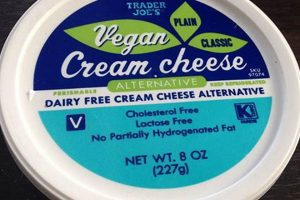
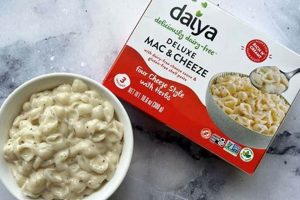
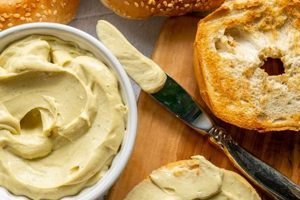
Plant-based alternatives designed to replicate the texture and meltability of traditional dairy cheese are increasingly available. These products utilize ingredients such as modified starches, plant-based oils (coconut, palm, or shea), and proteins derived from soy, nuts (cashews, almonds), or seeds (sunflower) to achieve the desired characteristics. For example, a pizza topped with such a product demonstrates its practical application.
The significance of these cheese alternatives lies in their suitability for individuals adhering to vegan diets, lactose-intolerant consumers, and those seeking to reduce their consumption of animal products. They offer a cruelty-free and potentially more sustainable option compared to dairy cheese. Historically, achieving a satisfactory melt and stretch similar to traditional cheese has been a challenge, but advancements in food technology have led to significant improvements in product quality and performance.
The following sections will explore the various types of these substitutes, their respective ingredients, optimal applications, and a comparative analysis against dairy-based counterparts regarding nutritional profiles and environmental impact. A deeper dive into the science behind their meltability and strategies for optimal usage in culinary applications will also be provided.
Tips for Optimal Use
Achieving desirable results with plant-based cheese alternatives requires consideration of several factors. The following tips aim to maximize the melting performance and overall palatability of these products.
Tip 1: Select the Appropriate Variety: Not all formulations are created equal. Certain brands and types are specifically engineered for melting, often indicated on the packaging. Prioritize those labeled as suitable for pizza, grilled cheese, or other applications requiring significant melting.
Tip 2: Grate or Shred for Even Distribution: Pre-shredded options are convenient, but grating or shredding from a block often yields superior melting due to the absence of anti-caking agents. Ensure even distribution across the dish to promote uniform melting.
Tip 3: Add Moisture if Necessary: Some varieties can become dry during baking. A light spritz of water or plant-based milk before cooking can help maintain moisture and improve meltability. Consider also incorporating moisture-rich ingredients alongside the plant-based alternative, such as sliced tomatoes or sauted vegetables.
Tip 4: Utilize a Lower Oven Temperature: Due to differences in composition compared to dairy cheese, these substitutes can burn or dry out at high temperatures. A moderate oven temperature (around 350F/175C) is generally recommended.
Tip 5: Cover the Dish During Initial Baking: Covering the dish with foil during the initial stages of baking can help trap moisture and promote even melting. Remove the foil during the final minutes to allow for browning, if desired.
Tip 6: Consider Blending with Nutritional Yeast or Cashew Cream: For enhanced flavor and texture, particularly with less flavorful options, consider blending with nutritional yeast or a homemade cashew cream sauce. This can add a savory, umami dimension and improve the overall creaminess.
These strategies enhance the overall experience. Careful selection, preparation, and cooking techniques are crucial for realizing the full potential of these plant-based alternatives.
The following sections will provide a detailed examination of popular brands, their nutritional profiles, and their applications within diverse culinary settings.
1. Ingredients

The composition of plant-based cheese alternatives fundamentally dictates their melting properties, texture, and overall flavor. Understanding the specific ingredients and their roles is crucial for selecting the appropriate product for a given culinary application.
- Plant-Based Oils
Oils, such as coconut oil, palm oil, and shea butter, are primary components. They contribute to the overall fat content and influence the melting behavior. Coconut oil, for instance, has a relatively low melting point, facilitating a smooth, even melt. However, high saturated fat content is a consideration for health-conscious consumers.
- Modified Starches
Starches, often modified for improved functionality, act as thickeners and stabilizers. They contribute to the cheese’s structure and prevent separation during melting. Tapioca starch and potato starch are commonly used. The type and concentration of starch significantly impact the texture, ranging from a stringy melt to a gooey consistency.
- Plant-Based Proteins
Proteins derived from sources such as soy, nuts (cashews, almonds), or seeds (sunflower) provide structure and contribute to the overall mouthfeel. Some formulations utilize isolated soy protein, while others rely on the inherent protein content of nuts. The protein source influences the final texture and may impact allergen considerations.
- Gums and Stabilizers
Gums, such as xanthan gum and locust bean gum, are often added to improve texture and prevent separation of ingredients. They contribute to the smoothness and creaminess of the product. These stabilizers are particularly important in formulations with lower fat content to maintain emulsion stability during melting.
The interplay of these ingredients determines the functionality and sensory characteristics. Formulations seeking to replicate traditional dairy cheese often prioritize a blend of oils, starches, and proteins that mimic the behavior of casein. However, the absence of casein necessitates careful manipulation of these components to achieve a comparable melt and stretch. The selection of ingredients, therefore, is a critical determinant of the final product’s success.
2. Melt Point

The melt point is a crucial characteristic directly influencing the usability and palatability of plant-based cheese alternatives. It refers to the temperature at which the product transitions from a solid or semi-solid state to a molten or softened consistency. In the context of these cheese substitutes, achieving a desirable melt point is essential for replicating the culinary attributes of traditional dairy cheese in applications such as pizza, grilled sandwiches, and casseroles. The composition, particularly the type and proportion of oils and starches, dictates the specific melt point.
The significance of the melt point lies in its impact on both the texture and the eating experience. A product with a melt point that is too high will remain firm and unyielding, failing to integrate properly with other ingredients. Conversely, a product with a melt point that is too low may become excessively greasy or liquid, resulting in an undesirable mouthfeel. For example, a plant-based mozzarella intended for pizza should melt sufficiently to create a cohesive layer with a slight stretch, without separating into pools of oil. The formulation must therefore be carefully engineered to achieve this balance.
Ultimately, a well-defined melt point is a key indicator of product quality. The ability to consistently and predictably transition to a molten state is a challenge that manufacturers continually address through ingredient selection and processing techniques. The pursuit of an optimal melting profile directly contributes to the overall acceptability and culinary versatility of these plant-based cheese alternatives.
3. Texture

Texture plays a pivotal role in the consumer acceptability of plant-based melting cheese. Unlike traditional dairy cheese, which derives its textural characteristics from casein proteins, plant-based alternatives rely on a combination of plant-based oils, modified starches, and plant proteins to mimic the desired mouthfeel. Inadequate control over these components can lead to textural defects such as excessive gumminess, graininess, or a lack of stretch when melted. For instance, a poorly formulated product may exhibit a rubbery texture on pizza, failing to provide the smooth, creamy consistency expected by consumers. Therefore, a focus on achieving a desirable texture is a fundamental aspect of product development.
The influence of texture extends to the functionality of these alternatives in various culinary applications. The ability to melt smoothly, stretch without breaking, and maintain a cohesive structure are all texture-dependent properties. A product intended for use in quesadillas, for example, must exhibit sufficient elasticity to hold its shape when folded and heated. Similarly, for au gratin dishes, a creamy and uniform melted texture is essential for visual appeal and palatability. Manufacturers often employ a combination of ingredient selection and processing techniques, such as extrusion or fermentation, to manipulate the texture and optimize performance in specific applications.
In conclusion, texture is an integral factor determining the success of plant-based melting cheese alternatives. Achieving a realistic and appealing texture requires a careful balance of ingredients and manufacturing processes. Overcoming textural challenges is essential for broadening consumer acceptance and enabling the wider adoption of these plant-based products. This emphasis ensures satisfactory sensory experiences and expands their versatility across different culinary creations.
4. Flavor Profile

The flavor profile of plant-based melting cheese is a critical determinant of its acceptance and utility in culinary applications. Unlike dairy-based cheese, which derives much of its characteristic flavor from microbial activity and milkfat, plant-based alternatives rely on a combination of ingredients and fermentation processes to achieve a palatable taste. The primary components influencing the flavor profile include the base ingredients (e.g., cashews, coconut oil, soy), the addition of nutritional yeast, lactic acid, or other flavor enhancers, and the presence of any added herbs or spices. An inadequate flavor profile often results in a product that is perceived as bland, artificial, or lacking the characteristic tang and umami notes associated with traditional cheese. For example, a pizza topped with a flavorless alternative cheese will likely be rejected by consumers, irrespective of its melting properties.
Flavor profile directly impacts the versatility of the plant-based melting cheese. A neutral-flavored product can serve as a base for various culinary applications, allowing the flavors of other ingredients to dominate. Alternatively, a product with a pronounced flavor, such as a smoky or sharp profile, can be used to enhance specific dishes. For instance, a plant-based cheddar alternative with a strong, aged flavor can add depth to grilled cheese sandwiches or macaroni and cheese. Flavor additives, such as garlic powder or onion powder, significantly influence the end result of any dish. However, it must complement the desired flavor of the dish.
Developing a compelling flavor profile remains a significant challenge for manufacturers. Overcoming off-flavors associated with certain plant-based ingredients and achieving a balanced and complex taste requires careful formulation and processing techniques. Further research into fermentation processes and the use of natural flavor enhancers will likely be crucial for improving the flavor profiles and broadening the appeal of these alternatives. This continued focus on improving flavor is vital for broader adoption and integration into diverse culinary practices.
5. Applications
The versatility of plant-based alternatives hinges significantly on their suitability for various culinary applications. The ability to replicate the melting characteristics and functionality of traditional dairy cheese in diverse dishes dictates their broader market acceptance and culinary integration. The specific formulation of the plant-based cheese dictates the range of suitable applications.
- Pizza Topping
The application of plant-based cheese on pizza is a prominent example. The product must melt evenly, exhibit a slight stretch, and provide a cohesive layer without separating into pools of oil. Certain brands formulate specifically for this purpose, utilizing modified starches and vegetable oils to mimic the meltability of mozzarella. Poor performing products result in a dry, cracked, and visually unappealing topping. For instance, cashew-based cheeses may require added tapioca starch to achieve optimal melting.
- Grilled Sandwiches
In grilled sandwiches, plant-based cheese contributes to the overall texture and flavor profile. The alternative must melt sufficiently to bind the bread together, creating a cohesive and palatable sandwich. Coconut oil-based products tend to melt readily, producing a creamy texture. However, their flavor may not always complement the other sandwich ingredients, necessitating careful selection of fillings. Sunflower seed-based options can offer a more neutral flavor profile but may require a higher temperature to achieve a similar level of melt.
- Casseroles and Au Gratin Dishes
Plant-based alternatives can serve as a topping for casseroles and au gratin dishes, providing a browned and melted layer. The product should melt evenly and resist excessive burning during baking. The inclusion of modified food starch and lactic acid can give it the sharp taste of dairy cheese. However, some products may dry out during extended baking times, necessitating adjustments to the cooking process, such as covering the dish with foil. It’s important to look at the moisture level before serving.
- Sauces and Dips
Certain plant-based cheese alternatives can be incorporated into sauces and dips, providing a creamy and cheesy flavor. The product must melt smoothly and emulsify properly to create a homogenous sauce. Cashew-based cheeses and nutritional yeast-based sauces are commonly used for this purpose. However, careful attention must be paid to the salt content and overall flavor balance to avoid overpowering the other ingredients. The product is meant to bring ingredients together, not dominate.
These examples highlight the diverse applications of plant-based alternatives and the importance of matching the product’s characteristics to the intended use. The success of these alternatives hinges on their ability to replicate the melting behavior and flavor contributions of traditional dairy cheese across a range of culinary contexts, thus improving the lives of those with dietary restrictions.
6. Nutritional Value

The nutritional value of plant-based melting cheese is a significant consideration for consumers seeking alternatives to traditional dairy products. It encompasses a range of factors, including macronutrient composition, micronutrient content, and the presence of additives, all of which influence the overall healthfulness of the product. A thorough understanding of these nutritional aspects is crucial for making informed dietary choices within the context of a balanced eating pattern.
- Macronutrient Profile
The macronutrient profile, including fat, protein, and carbohydrates, varies significantly among different brands and formulations. Some options are high in saturated fat, derived from ingredients such as coconut oil, while others are lower in fat but may contain a higher proportion of carbohydrates, often from modified starches. Protein content can also vary considerably, depending on the source of plant-based protein used (e.g., soy, nuts, seeds). A careful examination of the nutrition label is essential to assess the macronutrient composition and align it with individual dietary needs.
- Micronutrient Content
Compared to traditional dairy cheese, plant-based alternatives often lack certain micronutrients, such as calcium and vitamin B12. However, many manufacturers fortify their products with these nutrients to enhance their nutritional value. The presence and levels of fortification should be carefully considered, particularly for individuals who rely on these alternatives as a primary source of these micronutrients. Examining the micronutrient content also helps confirm the overall healthfulness of the plant-based cheese.
- Sodium Content
The sodium content can be a concern, as some formulations contain high levels of sodium to enhance flavor and improve texture. Excessive sodium intake is associated with increased risk of hypertension and cardiovascular disease. Consumers should carefully review the nutrition label to monitor sodium levels and select products with lower sodium content, especially if following a sodium-restricted diet.
- Presence of Additives
Plant-based alternatives often contain a variety of additives, such as gums, stabilizers, and artificial flavors, to improve texture, shelf life, and taste. While these additives are generally recognized as safe, some individuals may be sensitive to certain compounds. A review of the ingredient list is recommended to identify and avoid any potential allergens or undesirable additives. For example, those sensitive to soy may wish to avoid products containing soy protein isolate.
The nutritional value presents a complex landscape with considerable variability among different brands and formulations. The assessment requires careful attention to the macronutrient profile, micronutrient content, sodium levels, and presence of additives. The review improves dietary choices and aligns plant-based melting cheeses into balanced nutritional plans.
Frequently Asked Questions
This section addresses common inquiries and misconceptions surrounding plant-based cheese alternatives designed for melting. It aims to provide clarity on their characteristics, usage, and nutritional aspects.
Question 1: What fundamentally distinguishes these alternatives from traditional dairy cheese in terms of melting behavior?
The absence of casein, a protein inherent to dairy milk, necessitates the use of plant-based oils and modified starches to mimic the melt and stretch properties of dairy cheese. The specific ratios of these components significantly impact the final melting characteristics.
Question 2: Are all plant-based options equally suitable for melting applications?
No. Formulations vary considerably. Some are specifically engineered for melting, while others are better suited for cold applications. It is crucial to select products clearly labeled as suitable for melting on pizzas, grilled sandwiches, or similar dishes.
Question 3: How can optimal melting results be achieved in home cooking?
Grating or shredding the product directly from a block, ensuring even distribution, utilizing a lower oven temperature, and, if necessary, adding moisture can improve the melting performance. Blending with nutritional yeast or cashew cream can also enhance flavor and texture.
Question 4: What are the primary ingredients used in these melting alternatives?
Common ingredients include plant-based oils (e.g., coconut oil, palm oil), modified starches (e.g., tapioca starch, potato starch), plant proteins (e.g., soy protein, nut-based proteins), and gums or stabilizers (e.g., xanthan gum, locust bean gum).
Question 5: How does the nutritional value compare to traditional dairy cheese?
The nutritional value varies. Plant-based options often lack certain micronutrients found in dairy cheese, such as calcium and vitamin B12, but may be fortified. Sodium content should be carefully monitored. Macronutrient profiles (fat, protein, carbohydrates) also differ significantly.
Question 6: Do these alternatives typically contain common allergens?
Yes. Soy, nuts (cashews, almonds), and seeds (sunflower) are frequent ingredients. Individuals with known allergies should carefully review the ingredient list to avoid potential reactions.
In conclusion, while plant-based melting cheese alternatives offer a viable option for vegan and lactose-intolerant consumers, careful consideration of formulation, intended application, and nutritional content is paramount for achieving satisfactory culinary results.
The subsequent section will delve into a comparative analysis of specific brands and their performance across various melting applications.
Conclusion
This exploration of vegan cheese for melting has illuminated the complexities involved in replicating the melt characteristics and flavor profiles of traditional dairy cheese using plant-based ingredients. The analysis underscored the critical role of specific ingredients, such as plant-based oils, modified starches, and plant proteins, in achieving a desirable texture and melting point. Furthermore, the assessment of nutritional value and allergen considerations provided a comprehensive understanding of the potential benefits and limitations of these alternatives.
The ongoing development of vegan cheese for melting represents a significant advancement in plant-based cuisine, offering a viable option for individuals adhering to vegan diets or seeking to reduce their consumption of animal products. Continued innovation in ingredient sourcing and processing techniques is essential to further refine these products and broaden their appeal to a wider range of consumers. Future research should prioritize improving the nutritional profile and addressing potential allergen concerns to fully realize the potential of vegan cheese for melting as a sustainable and healthy alternative.