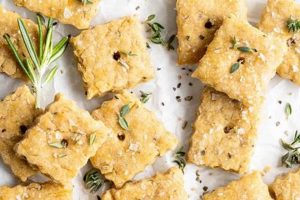
Baked goods that replicate the tangy and creamy texture of traditional cream cheese cookies, but without the use of any animal products, are gaining popularity. These treats typically substitute dairy-based cream cheese with plant-based alternatives made from ingredients like cashews, tofu, or coconut cream, blended to achieve a similar consistency and flavor profile. As an example, a batch might consist of a soft, chewy cookie base swirled with a dairy-free cream cheese frosting.
The appeal of such confectionery stems from several factors. Ethical considerations, such as animal welfare, and environmental concerns associated with dairy farming are significant drivers for consumers seeking plant-based alternatives. Furthermore, health considerations, including lactose intolerance and dietary restrictions, contribute to the growing demand. Historically, recreating textures and flavors associated with dairy products using plant-based ingredients presented challenges, however, advancements in food technology have enabled the creation of increasingly realistic and palatable alternatives.
The subsequent sections will explore various recipes for these baked delights, including specific ingredients and techniques for achieving optimal results. We will also discuss common challenges and troubleshooting tips, as well as examine the nutritional profile of these plant-based treats compared to their traditional counterparts.
Essential Techniques for Superior Outcomes
Achieving optimal results when preparing such baked goods requires careful attention to ingredient selection, preparation methods, and baking conditions. The following tips provide guidance for maximizing the quality and flavor of the final product.
Tip 1: Select High-Quality Plant-Based Cream Cheese: The quality of the plant-based cream cheese alternative significantly impacts the final texture and flavor. Opt for brands that are specifically formulated for baking, as these tend to hold their shape and consistency better during the baking process. Consider the ingredient list; a shorter list with recognizable ingredients is often preferable.
Tip 2: Properly Soften the Plant-Based Cream Cheese: Ensure the cream cheese alternative is sufficiently softened before incorporating it into the dough or frosting. This allows for even distribution and prevents lumps from forming. Softening can be achieved by leaving it at room temperature for a period of time or by briefly microwaving it at a low setting.
Tip 3: Accurately Measure Ingredients: Precision in measurements is crucial for consistent results. Employ a kitchen scale for dry ingredients, ensuring accuracy and uniformity across batches. Use liquid measuring cups for liquid ingredients and level them at eye level.
Tip 4: Avoid Overmixing the Dough: Overmixing develops gluten, resulting in a tough, rather than tender, cookie. Mix the wet and dry ingredients until just combined, leaving a few streaks of flour visible. This technique ensures a softer, more desirable texture.
Tip 5: Chill the Dough Before Baking: Chilling the dough for at least 30 minutes, or preferably longer, allows the fats to solidify, preventing excessive spreading during baking. This results in thicker, chewier cookies with a more concentrated flavor.
Tip 6: Monitor Baking Time and Temperature: Oven temperatures can vary; therefore, closely monitor the baking process. Bake until the edges are golden brown and the centers are set but still slightly soft. Avoid overbaking, which can lead to dry, crumbly cookies.
Tip 7: Allow Cookies to Cool Completely: Allow the cookies to cool completely on a wire rack before frosting or serving. This prevents the frosting from melting and allows the cookies to firm up, making them easier to handle.
By adhering to these guidelines, bakers can significantly enhance the quality and appeal of their creations, producing delectable treats that rival their traditional counterparts. The meticulous application of these techniques contributes to a consistently superior outcome.
The subsequent section will delve into specific recipe variations and ingredient modifications to further tailor these baked goods to individual preferences and dietary requirements.
1. Texture

Texture plays a pivotal role in the sensory experience of these specialized baked goods, directly impacting their perceived quality and appeal. Achieving a desirable texture necessitates careful consideration of ingredient selection and preparation techniques, given the absence of traditional dairy components.
- Softness and Chewiness
A hallmark of well-executed cookies is a soft, slightly chewy interior. This texture arises from a combination of factors, including the moisture content of the dough and the development of gluten. Overmixing the dough can lead to excessive gluten formation, resulting in a tough cookie. Utilizing ingredients such as applesauce or mashed bananas can contribute to the desired moisture content and enhance the overall softness.
- Creaminess of Filling or Swirl
If the recipe incorporates a cream cheese filling or swirl, its texture is paramount. The filling should be smooth, creamy, and devoid of any graininess. Achieving this requires selecting a high-quality plant-based cream cheese alternative and ensuring it is properly softened before incorporation. Over-whipping can cause the filling to become overly airy and lose its intended density.
- Crispness of Edges
While a soft interior is desirable, a subtle crispness around the edges provides textural contrast and enhances the overall eating experience. This crispness is achieved by carefully monitoring the baking time and temperature, allowing the edges to caramelize slightly without overbaking the entire cookie. Chilling the dough prior to baking also contributes to crisper edges by preventing excessive spreading.
- Moistness vs. Dryness
The balance between moistness and dryness is critical. An overly dry cookie will be crumbly and unappetizing, while an overly moist cookie will be gummy and lack structural integrity. The proper ratio of wet to dry ingredients is essential for achieving the ideal balance. Adjustments may be necessary depending on the specific ingredients used and the baking environment.
These textural elements, working in concert, define the overall appeal. Success in these plant-based creations relies on understanding how individual components contribute to the final mouthfeel, enabling refined adjustments to replicate the satisfying textures of conventional cream cheese cookies.
2. Flavor

Flavor is a central determinant of the overall satisfaction derived from any food product, and vegan cream cheese cookies are no exception. Replicating the characteristic tangy and subtly sweet profile of traditional cream cheese cookies, while adhering to plant-based dietary restrictions, presents unique challenges that demand careful consideration of ingredient selection and flavor balancing.
- The Role of Plant-Based Cream Cheese Alternatives
The choice of plant-based cream cheese alternative is paramount in shaping the final flavor profile. Options such as cashew-based, tofu-based, or coconut cream-based alternatives each contribute distinct nuances. Cashew-based alternatives often offer a rich, nutty flavor, while tofu-based alternatives tend to be more neutral, requiring additional flavor enhancements. Coconut cream-based alternatives can impart a subtle coconut flavor, which may or may not be desirable depending on the intended outcome.
- Enhancing Tanginess and Complexity
The signature tang of cream cheese is a defining characteristic that must be replicated using plant-based ingredients. Lemon juice, apple cider vinegar, or lactic acid can be employed to introduce the necessary acidity. Vanilla extract, almond extract, or other flavorings can be added to enhance the overall complexity and depth of flavor. The skillful blending of these components is crucial for achieving a balanced and appealing taste.
- Balancing Sweetness and Acidity
The interplay between sweetness and acidity is critical for creating a harmonious flavor profile. Excessive sweetness can mask the desired tang, while excessive acidity can create an unpleasant sourness. The quantity of sugar used must be carefully calibrated to complement the acidity introduced by other ingredients. Experimentation with different types of sweeteners, such as maple syrup or agave nectar, can also contribute to a more nuanced flavor.
- Addressing Off-Flavors
Some plant-based ingredients can impart undesirable off-flavors that detract from the overall sensory experience. Tofu, for example, can sometimes have a slightly beany flavor. These off-flavors can be mitigated through proper preparation techniques, such as draining and pressing the tofu to remove excess moisture. The addition of complementary flavorings can also help to mask or balance out any unwanted tastes.
Mastering the flavor profile in vegan cream cheese cookies involves understanding the subtle contributions of each ingredient and their interactions. Recreating the desired balance of tanginess, sweetness, and overall complexity requires careful experimentation and a keen awareness of how plant-based ingredients differ from their dairy-based counterparts. Success hinges on the ability to strategically manipulate flavor components to achieve a result that is both delicious and authentically reminiscent of traditional cream cheese cookies.
3. Ingredients

The selection of ingredients forms the bedrock upon which the success of vegan cream cheese cookies is built. The absence of dairy mandates a careful consideration of alternatives that mimic the texture, flavor, and functional properties of traditional components. The precise selection and combination of ingredients will determine the final outcome of the cookie.
- Plant-Based Cream Cheese Alternatives
Vegan cream cheese serves as the linchpin of this formulation. The diverse range of available plant-based alternatives, derived from cashews, tofu, almonds, or a combination thereof, significantly impacts the final product. Each base offers a unique flavor profile and moisture content. Certain commercial brands may include stabilizers and thickeners to emulate the texture of conventional cream cheese, warranting scrutiny of ingredient lists to align with desired dietary standards. The moisture content of these alternatives directly influences the cookie’s spread and overall texture. For example, a cashew-based cream cheese often delivers a richer, denser consistency compared to a tofu-based option, necessitating adjustments in dry ingredients to achieve the optimal dough consistency.
- Flour Selection and Blending
The type of flour employed plays a crucial role in determining the structure and texture of the cookie. All-purpose flour provides a reliable structure, but incorporating gluten-free alternatives, such as almond flour or oat flour, necessitates adjustments to binding agents and moisture levels. Gluten-free flours lack the gluten proteins that provide elasticity and structure, potentially resulting in a crumbly texture. Adding binding agents like xanthan gum or flaxseed meal helps compensate for the absence of gluten. Blending different flours can achieve a balance between structure and tenderness; for instance, combining all-purpose flour with a smaller proportion of almond flour can yield a softer cookie with a subtle nutty flavor.
- Sweeteners: Refined and Unrefined Options
The choice of sweetener extends beyond mere sweetness, influencing the cookie’s texture and moisture retention. Refined sugars, such as granulated sugar, contribute to crispness, while unrefined options like maple syrup or coconut sugar impart moisture and a distinct flavor. The hygroscopic nature of unrefined sweeteners draws moisture from the environment, potentially resulting in a chewier cookie. Adjusting the ratio of dry to wet ingredients becomes crucial when substituting sweeteners. Furthermore, the color of the sweetener impacts the final appearance; dark brown sugar, for example, will result in a darker, more caramelized cookie.
- Fats: Oils and Plant-Based Butters
Fats contribute to tenderness, flavor, and moisture. Vegan butter alternatives, coconut oil, or vegetable oils serve as replacements for dairy butter. Vegan butter alternatives, often composed of a blend of plant-based oils, aim to replicate the flavor and functionality of dairy butter. Coconut oil, in its solid state, can contribute to a chewier texture, while liquid oils result in a flatter cookie. The melting point of the chosen fat significantly impacts the cookie’s spread during baking; fats with lower melting points, like liquid oils, lead to greater spread and thinner cookies.
Ultimately, the success in crafting exceptional vegan cream cheese cookies hinges on a deep understanding of how individual ingredients interact and contribute to the final product. Strategic manipulation of ingredient ratios and types is necessary to achieve a balance between flavor, texture, and structural integrity, closely mirroring the qualities of their conventional counterparts. Precise ingredient selection and careful measurement are essential for consistent results.
4. Baking

The baking process fundamentally transforms raw ingredients into the final, consumable form of these particular plant-based desserts. The application of heat triggers a series of chemical reactions, influencing texture, flavor, and structural integrity. Precise control over time and temperature is paramount, as deviations can significantly impact the quality. For instance, insufficient baking may result in a doughy, undercooked center, while excessive baking can lead to a dry, brittle product. The Maillard reaction, a chemical reaction between amino acids and reducing sugars, contributes to the characteristic browning and development of complex flavors during baking. Inadequate temperature control hinders this reaction, resulting in a paler appearance and diminished flavor profile. Similarly, the leavening process, whether relying on chemical agents or air incorporation, determines the cookie’s rise and final texture.
Specific challenges arise when applying baking principles to plant-based variations. Plant-based ingredients often exhibit different thermal properties compared to their dairy-based counterparts. Vegan cream cheese alternatives, for example, may have a higher water content, affecting the dough’s consistency and baking time. Empirical adjustments to baking time and temperature are often necessary to compensate for these differences. Over-baking can particularly exacerbate dryness due to the lack of moisture-retaining dairy fats. Understanding these nuances allows for informed modifications to baking protocols. A real-life example might involve reducing the baking time by several minutes or lowering the oven temperature slightly to prevent excessive moisture loss when using a particular brand of vegan cream cheese.
In summary, baking serves as a critical control point in determining the final qualities of these desserts. Success hinges on understanding the interplay between heat, ingredients, and chemical reactions. While general baking principles apply, the unique properties of plant-based ingredients necessitate informed adjustments to traditional methods. Recognizing and addressing these challenges ensures the consistent production of palatable and structurally sound goods, contributing to the broader acceptance and enjoyment of plant-based confectionery. Further research and experimentation will continue to refine the baking process, optimizing outcomes and expanding the possibilities within this culinary domain.
5. Consistency

In the context of vegan cream cheese cookies, consistency pertains to both the textural attributes of the individual components and the replicability of the final product. The texture of the cookie dough, the vegan cream cheese filling (if applicable), and the finished cookie itself are all critical aspects of consistency. Lack of uniformity in any of these areas results in deviations from the intended sensory experience, potentially diminishing the overall quality. For example, if one batch of dough is too wet, the cookies may spread excessively during baking, leading to thin, crisp cookies instead of the desired soft, chewy variety. Similarly, inconsistent vegan cream cheese filling can range from grainy to overly liquid, detracting from the cohesive texture of the treat. The cause of inconsistent results can often be traced back to variations in ingredient measurements, mixing techniques, or baking times and temperatures. Therefore, meticulous attention to detail in each stage of the process is crucial for achieving the desired consistency.
The ability to consistently reproduce a specific recipe is also a vital element of consistency. From a culinary perspective, this ensures that the cookies produced on different occasions will share similar characteristics in terms of flavor, texture, and appearance. This replicability is particularly important in a commercial setting, where customers expect a uniform product each time they purchase it. To achieve this level of consistency, precise ingredient weights and volumes are paramount, as are standardized mixing and baking protocols. Documenting every step of the process, from ingredient preparation to baking time, helps in identifying potential sources of variation and implementing corrective measures. For example, if a baker consistently finds that cookies from the same recipe spread differently on different baking sheets, this may indicate that certain baking sheets conduct heat more efficiently than others, prompting adjustments to baking time or temperature for those specific sheets.
Ultimately, consistency represents a crucial element in the creation of successful vegan cream cheese cookies. It encompasses both the textural qualities of the final product and the reliability of the baking process. By understanding the factors that contribute to consistency, bakers can refine their techniques and ensure that each batch of cookies delivers a predictable and satisfying sensory experience. Addressing challenges such as ingredient variability and equipment inconsistencies allows for the creation of a consistently high-quality, repeatable product. This meticulous approach not only improves the quality of the baked goods but also promotes confidence in the vegan baking process as a whole.
6. Storage

Proper storage significantly impacts the longevity and quality of baked vegan cream cheese cookies. Factors such as temperature, humidity, and exposure to air directly affect texture and flavor retention. Optimal storage practices minimize degradation, preserving the intended characteristics of these baked goods.
- Airtight Containers and Texture Preservation
The primary function of airtight containers is to minimize exposure to ambient air. This reduction in air circulation prevents the cookies from drying out or becoming stale. Staling, a process of starch retrogradation, leads to a firming of the cookie’s texture. Airtight containers slow this process, maintaining a softer, chewier consistency for an extended period. As an example, storing cookies in a sealed container at room temperature can preserve optimal texture for up to three days, whereas exposure to air may result in noticeable hardening within 24 hours.
- Temperature Effects on Vegan Cream Cheese Alternatives
The composition of vegan cream cheese alternatives, often based on ingredients like cashews, tofu, or coconut oil, influences storage requirements. While refrigeration can extend shelf life, it can also alter texture. Lower temperatures may cause the plant-based fats to solidify, leading to a firmer, less creamy filling. Conversely, storing at elevated temperatures may result in melting or separation of the filling. Careful consideration of the ambient temperature and the specific ingredients in the vegan cream cheese is essential for maintaining optimal consistency.
- Humidity Control and Mold Prevention
Elevated humidity levels can promote mold growth, significantly reducing the shelf life of these cookies. Storing cookies in a cool, dry place minimizes the risk of fungal contamination. Desiccants, such as silica gel packets, can be used to absorb excess moisture within the storage container. Regular inspection for signs of mold, such as discoloration or a musty odor, is recommended. Discard any cookies exhibiting signs of spoilage to prevent potential health risks.
- Freezing and Long-Term Preservation
For extended storage, freezing provides a viable option. Freezing effectively halts microbial activity and slows down enzymatic reactions, preserving the cookies for several weeks or even months. Wrap the cookies individually or in small batches to prevent freezer burn, a condition caused by sublimation of ice crystals on the surface of the food. Properly thawed cookies should exhibit minimal changes in texture or flavor compared to freshly baked cookies. However, repeated freeze-thaw cycles are not recommended, as they can compromise quality.
The long-term palatability of vegan cream cheese cookies depends significantly on implementing suitable storage strategies. By controlling factors such as air exposure, temperature, and humidity, it is possible to maintain their desired texture and flavor profile, ensuring they remain a satisfying treat for an extended period.
7. Substitutions

The creation of plant-based alternatives to traditional baked goods necessitates careful consideration of ingredient substitutions. The success of vegan cream cheese cookies hinges on the selection of appropriate replacements that mimic the functionality and flavor of dairy-based ingredients, while adhering to ethical and dietary restrictions. These substitutions require a nuanced understanding of baking chemistry and the properties of various plant-derived components.
- Dairy-Free Cream Cheese Alternatives
The cornerstone of this adaptation lies in substituting traditional cream cheese. Options such as cashew-based, tofu-based, or coconut cream-based alternatives each present distinct characteristics. Cashew-based products often offer a richer, more similar texture to dairy cream cheese, while tofu-based options tend to be lower in fat and may require additional flavor enhancements. The moisture content and acidity levels of these alternatives influence the overall texture and tang of the final product. The direct swap might influence flavor profile negatively but can be corrected with ingredient blending.
- Egg Replacers
Eggs contribute to binding, moisture, and leavening in conventional cookies. Plant-based substitutes, such as flaxseed meal mixed with water (flax egg), applesauce, or commercial egg replacers, offer alternative binding properties. Flax eggs contribute a slightly nutty flavor and dense texture, while applesauce adds moisture and sweetness. The choice of egg replacer depends on the desired texture and flavor profile. Incorrect substitution ratios can lead to overly dense or crumbly cookies.
- Butter Replacements
Butter contributes significantly to flavor and tenderness in traditional baking. Vegan butter alternatives, coconut oil, or vegetable oils serve as common substitutes. Vegan butter alternatives, often formulated with a blend of plant-based oils, aim to replicate the flavor and melting properties of dairy butter. Coconut oil, particularly in its solid form, can contribute to a chewier texture. The fat content and melting point of the chosen replacement impact the cookie’s spread and overall texture.
- Sugar Alternatives
Refined white sugar is commonly used, but alternatives such as maple syrup, agave nectar, or coconut sugar can be utilized. Maple syrup and agave nectar introduce additional moisture, potentially altering the texture and requiring adjustments to dry ingredients. Coconut sugar offers a less refined option with a slightly lower glycemic index. The choice of sweetener influences the final flavor profile and moisture content of the cookies.
The successful execution of vegan cream cheese cookies relies on a comprehensive understanding of these substitutions and their impact on the final product. Precise measurements and careful balancing of wet and dry ingredients are crucial for achieving the desired texture, flavor, and overall quality. Experimentation and adjustments may be necessary to optimize the recipe based on the specific ingredients used and individual preferences.
Frequently Asked Questions
The following section addresses common inquiries and concerns regarding the preparation, ingredients, and characteristics of baked goods of this variety.
Question 1: Are these baked goods truly devoid of all animal-derived ingredients?
A rigorously prepared example of these specialized baked items excludes all ingredients sourced from animals. This necessitates the replacement of dairy cream cheese with plant-based alternatives, eggs with suitable substitutes, and butter with vegan-friendly fats. Careful scrutiny of ingredient labels is paramount to ensure adherence to dietary guidelines.
Question 2: What plant-based cream cheese alternative yields the most authentic flavor?
The selection of the plant-based cream cheese substitute hinges on individual preferences. Cashew-based varieties often exhibit a creamy texture and tangy flavor profile reminiscent of traditional cream cheese. Tofu-based options provide a neutral flavor, allowing for greater control over flavor customization through the addition of lemon juice or other acidulants. The appropriate choice is determined by the baker’s desired flavor profile and textural expectations.
Question 3: How does the texture compare to traditional cream cheese cookies?
With proper formulation and technique, a skillful baker can replicate a texture closely resembling traditional cream cheese cookies. However, subtle differences may persist due to the inherent properties of plant-based ingredients. Adjustments to moisture levels and binding agents are often necessary to achieve the desired softness, chewiness, and overall mouthfeel.
Question 4: What are the common pitfalls to avoid during the baking process?
Frequent errors include overmixing the dough, which results in a tough texture; insufficient chilling, leading to excessive spreading; and inaccurate oven temperatures, causing uneven baking. Careful attention to these factors mitigates potential issues and ensures a superior outcome.
Question 5: What is the optimal storage method for preserving freshness?
Airtight containers are essential for maintaining the texture and flavor of these baked goods. Storing at room temperature or, in some cases, refrigerating (depending on the filling) can extend their shelf life. Freezing is a viable option for long-term preservation, provided the cookies are properly wrapped to prevent freezer burn.
Question 6: Are vegan cream cheese cookies nutritionally comparable to their non-vegan counterparts?
The nutritional profile varies depending on the specific ingredients used. Plant-based alternatives may contain different levels of fat, protein, and fiber compared to dairy-based ingredients. A comprehensive nutritional analysis requires careful evaluation of the recipe’s components and their respective nutritional contributions. Sugar, fat, and calories should always be considered.
In summary, the successful preparation of vegan cream cheese cookies requires careful attention to ingredient selection, baking techniques, and storage practices. By addressing these considerations, it is possible to create delicious and satisfying plant-based alternatives that closely mimic the qualities of traditional baked goods.
The subsequent section will explore advanced techniques and variations for further enhancing the quality and appeal of these specialized treats.
Conclusion
The preceding analysis has detailed the intricate processes and considerations involved in creating “vegan cream cheese cookies.” From ingredient selection and substitution to baking techniques and storage methods, each element plays a crucial role in determining the final product’s quality and palatability. The successful creation of such plant-based alternatives requires a thorough understanding of both conventional baking principles and the unique properties of vegan ingredients. Challenges such as replicating texture, achieving desired flavor profiles, and ensuring consistency demand meticulous attention to detail and a willingness to adapt traditional methods.
The continued pursuit of advancements in plant-based baking offers promising avenues for innovation. Further research into ingredient functionality and optimization of baking techniques will likely lead to increasingly refined and indistinguishable vegan alternatives. Continued exploration and experimentation within this culinary domain are crucial to expanding the accessibility and appeal of plant-based confectionery. The ability to produce high-quality “vegan cream cheese cookies” contributes significantly to the growing demand for ethical and sustainable food options, promoting both culinary diversity and dietary inclusivity.