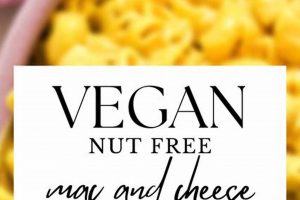
A dairy-free, plant-based sauce designed to replicate the flavor and texture of traditional nacho cheese, but specifically formulated without the use of cashews. This type of cheese alternative often relies on vegetables, starches, and seasonings to achieve its creamy consistency and savory flavor profile. For example, a common base utilizes potatoes, carrots, and nutritional yeast.
The development of this food alternative addresses dietary restrictions and preferences. It allows individuals with nut allergies or those seeking to reduce their cashew consumption to enjoy a nacho cheese-like experience. Historically, vegan cheese alternatives often heavily relied on cashews for their creamy texture, making this a significant advancement for broader accessibility.
The subsequent sections will delve into various methods for creating this specific type of plant-based sauce, exploring different ingredients and techniques employed to achieve optimal flavor and texture, and providing practical tips for successful preparation and application.
Tips for Vegan Nacho Cheese Without Cashews
Achieving optimal flavor and texture in a cashew-free vegan nacho cheese requires attention to detail and strategic ingredient selection. The following tips offer guidance for successful preparation.
Tip 1: Select Appropriate Vegetables: Potatoes and carrots are common bases. Ensure thorough cooking to achieve optimal smoothness when blended. Steaming or boiling are suitable methods.
Tip 2: Incorporate Nutritional Yeast Judiciously: Nutritional yeast provides a cheesy flavor. Begin with a small amount and adjust to taste, as excessive quantities can impart a bitter flavor.
Tip 3: Utilize Tapioca Starch for Texture: Tapioca starch contributes to a stretchy, cheese-like texture. Whisk it thoroughly into a cold liquid before adding it to the heated ingredients to prevent clumping.
Tip 4: Employ Acid for Tang: A touch of lemon juice or apple cider vinegar adds a necessary tang that mimics the sharpness of traditional cheese. Add this towards the end of the cooking process.
Tip 5: Blend Thoroughly: A high-speed blender is recommended to achieve a completely smooth and creamy consistency. If using a standard blender, process for an extended period.
Tip 6: Seasoning is Key: Experiment with spices such as onion powder, garlic powder, smoked paprika, and chili powder to enhance the flavor profile. Adjust quantities to personal preference.
Tip 7: Control the Heat: If cooking on the stovetop, maintain a low to medium heat to prevent scorching. Stir frequently to ensure even cooking.
Tip 8: Adjust Consistency: Add plant-based milk (such as soy or oat milk) gradually to achieve the desired consistency. The sauce will thicken as it cools.
Following these tips can significantly improve the flavor and texture of cashew-free plant-based nacho cheese, allowing for a satisfying dairy-free alternative.
The subsequent section will provide recipe variations and ideas for serving this versatile sauce.
1. Vegetable base

The vegetable base forms the structural and flavor foundation for vegan nacho cheese alternatives that exclude cashews. Its primary function is to provide the bulk and creamy texture typically associated with dairy-based nacho cheese or cashew-based vegan variants. The selection of specific vegetables directly influences the final product’s taste, color, and overall nutritional profile. For example, a combination of potatoes and carrots yields a naturally sweet and orange-hued base, while butternut squash contributes a richer, more savory flavor.
The practical significance of understanding the role of the vegetable base lies in the ability to customize the sauce to specific dietary needs or flavor preferences. Individuals seeking a lower-calorie option may opt for cauliflower as a base, while those prioritizing sweetness might favor sweet potatoes. Furthermore, the preparation method of the vegetables, whether boiled, steamed, or roasted, affects the intensity of their flavor and the smoothness of the final product. Roasting, for instance, caramelizes the natural sugars in vegetables, resulting in a deeper, more complex flavor profile.
In summary, the vegetable base is an indispensable component, critically impacting both the flavor and texture of vegan nacho cheese without cashews. Careful selection and preparation of the vegetables are crucial for achieving a palatable and desirable plant-based alternative. Potential challenges include balancing the flavors of different vegetables and ensuring sufficient blending to create a completely smooth consistency, underlining the importance of informed ingredient selection and appropriate cooking techniques.
2. Nutritional Yeast
Nutritional yeast is a deactivated yeast strain, Saccharomyces cerevisiae, pivotal in replicating the cheesy flavor in vegan nacho cheese alternatives that exclude cashews. Its inherent flavor profile, often described as savory, nutty, and umami-rich, provides a fundamental building block for the desired taste. The absence of dairy and cashews necessitates the incorporation of nutritional yeast to compensate for the missing fats and proteins that contribute to traditional cheese flavor. For example, without an adequate amount of nutritional yeast, the sauce typically lacks the characteristic cheesy tang and depth, resulting in a bland and unappetizing product. The quantity used directly affects the intensity of the “cheesy” flavor.
Furthermore, nutritional yeast contributes to the overall texture and mouthfeel of the sauce. While it doesn’t directly create creaminess like cashews, it adds body and helps bind the other ingredients. In practical applications, a blend of cooked vegetables, starches, and spices, when combined with nutritional yeast, undergoes a flavor transformation, mimicking the complexity of dairy-based nacho cheese. Experimentation with different brands and forms of nutritional yeast (flakes vs. powder) can yield subtle variations in flavor intensity.
In summary, nutritional yeast functions as a critical flavor component, replacing the essential taste elements absent in both dairy and nuts. Its inclusion is not merely optional but fundamental to achieving an acceptable and palatable vegan nacho cheese without cashews. Potential challenges involve balancing the amount of nutritional yeast to avoid overpowering the other flavors, and understanding its interactions with other ingredients to create a harmonious flavor profile, ultimately contributing to a more satisfying plant-based culinary experience.
3. Starch selection

Starch selection is a critical determinant of the texture and stability of vegan nacho cheese alternatives formulated without cashews. The absence of cashew fats, which contribute to a creamy mouthfeel in traditional recipes, necessitates the strategic use of starch to achieve a similar consistency. Different starches possess varying gelatinization properties, impacting the final viscosity and structure of the sauce. For example, tapioca starch provides a characteristic stretch and sheen, while cornstarch yields a thicker, more opaque result. The choice of starch directly influences the overall sensory experience of the plant-based product.
The practical significance of understanding starch selection lies in the ability to control the sauce’s texture and prevent undesirable outcomes such as graininess or excessive thickness. Tapioca starch, when properly hydrated and heated, creates a smooth, cheese-like pull, enhancing the resemblance to conventional nacho cheese. Conversely, an improper ratio of cornstarch to liquid can result in a gummy or pasty texture. Modified starches, often used in commercial formulations, can offer enhanced stability and prevent separation during storage. The appropriate selection depends on the desired texture, cooking method, and storage requirements of the final product. Consider potato starch for a creamier and softer texture.
In summary, starch selection functions as a pivotal component in the formulation of vegan nacho cheese without cashews, influencing texture, stability, and overall palatability. A thorough understanding of the properties of different starches is essential for achieving a satisfying and visually appealing plant-based alternative. Potential challenges include selecting the optimal starch or starch blend for a specific application, managing the cooking process to achieve full gelatinization without overcooking, and considering the impact of other ingredients on starch behavior, highlighting the importance of informed ingredient selection and precise execution.
4. Spice profile

The spice profile is integral to the successful replication of nacho cheese flavor in vegan formulations that exclude cashews. In the absence of dairy fats and the subtle sweetness contributed by cashews, spices serve as primary flavor contributors, defining the overall taste experience. A carefully curated spice blend can mimic the savory, slightly piquant, and sometimes smoky characteristics of traditional nacho cheese. For instance, smoked paprika can impart a smoky depth, chili powder introduces warmth and slight heat, and garlic and onion powder contribute savory undertones. The precise combination and proportions of these spices are critical for achieving a balanced and authentic flavor profile. Without a thoughtfully constructed spice blend, the resulting plant-based sauce is likely to lack the complexity and richness expected of nacho cheese.
The practical significance of understanding the role of the spice profile lies in the ability to customize the vegan nacho cheese alternative to specific taste preferences. A recipe might incorporate cumin for an earthy note, cayenne pepper for increased heat, or turmeric for color and subtle flavor. Furthermore, the method of incorporating the spices influences their impact. Blooming spices in oil before adding them to the sauce can intensify their flavors. The order in which spices are added and the duration of cooking also affect the final taste. Seasoning should be adjusted gradually, tasting frequently to ensure the spice profile complements the other ingredients without overpowering them.
In summary, the spice profile functions as a defining characteristic of vegan nacho cheese without cashews, effectively compensating for the missing flavor components of dairy and nuts. Skillful manipulation of spices is crucial for creating a palatable and desirable plant-based alternative. Potential challenges include achieving a balanced and nuanced flavor profile that appeals to a broad audience, preventing individual spices from dominating, and maintaining the integrity of the spice flavors throughout the cooking process. These challenges highlight the importance of meticulous recipe development and careful attention to detail in execution.
5. Texture control

Texture control is paramount in the production of vegan nacho cheese alternatives that exclude cashews, as it directly impacts the overall palatability and consumer acceptance of the product. The absence of dairy fats and cashew-derived creaminess necessitates meticulous manipulation of ingredients to replicate the smooth, velvety texture associated with traditional nacho cheese. This is often achieved through a combination of techniques including precise starch selection, controlled cooking temperatures, and thorough blending. Inadequate texture control results in a product that may be grainy, watery, or excessively thick, rendering it unappetizing. Therefore, texture is not merely a superficial attribute but a defining characteristic of a successful plant-based substitute. For example, if the blending process is insufficient, resulting in small vegetable particles remaining in the sauce, the texture is compromised regardless of the flavor.
Practical application of texture control principles involves careful consideration of the ingredient interactions. Starch gelatinization, a key factor in achieving a smooth texture, is influenced by both temperature and the presence of other components such as acids or fats (though fats are generally minimized in this context). Overcooking can cause the starch to break down, resulting in a thin and watery sauce, whereas undercooking leads to a grainy texture. Blending efficiency also plays a crucial role; a high-speed blender ensures that all ingredients are fully incorporated, creating a homogenous mixture free of lumps or inconsistencies. Furthermore, the order in which ingredients are added can affect the final texture. For instance, adding starch to a cold liquid before heating helps prevent clumping.
In summary, effective texture control is indispensable for creating a satisfying vegan nacho cheese alternative without cashews. The interplay between starch selection, cooking techniques, and blending efficiency determines the final texture, impacting both the sensory experience and the overall acceptability of the product. Challenges in achieving optimal texture include balancing the different ingredients, preventing over or undercooking, and adapting the recipe to account for variations in ingredient properties. Mastering these techniques is essential for producing a plant-based sauce that successfully emulates the texture of traditional nacho cheese.
Frequently Asked Questions
This section addresses common inquiries and misconceptions regarding cashew-free, plant-based nacho cheese, providing clarity on formulation, flavor, and application.
Question 1: What is the primary difference between cashew-based and cashew-free vegan nacho cheese?
The fundamental distinction lies in the replacement of cashews with alternative ingredients to achieve a creamy texture and rich flavor. Cashew-based versions rely on the inherent fats in cashews, while cashew-free recipes typically utilize a combination of vegetables, starches, and plant-based milks.
Question 2: How is the “cheesy” flavor achieved in the absence of dairy and cashews?
The characteristic cheesy flavor is predominantly derived from nutritional yeast, a deactivated yeast strain with a savory, umami-rich profile. Strategic combinations of spices and vegetable bases further enhance the flavor complexity.
Question 3: What are common vegetable bases used in vegan nacho cheese without cashews, and how do they differ?
Common bases include potatoes, carrots, butternut squash, and cauliflower. Potatoes and carrots contribute to a creamy texture and slightly sweet flavor, while butternut squash offers a richer, more savory profile. Cauliflower provides a lower-calorie alternative.
Question 4: Is it possible to achieve a similar texture to traditional nacho cheese without using nuts?
Yes, through careful selection and manipulation of starches, such as tapioca or arrowroot, and by employing high-speed blending techniques, a smooth and creamy texture that approximates traditional nacho cheese can be achieved.
Question 5: Are there any potential allergens of concern in cashew-free vegan nacho cheese?
While cashews are excluded, potential allergens may include soy (if soy milk is used), or gluten (if certain thickeners are used). Individuals with allergies should carefully review ingredient lists.
Question 6: How does the nutritional profile of cashew-free vegan nacho cheese compare to traditional nacho cheese?
Typically, cashew-free vegan nacho cheese is lower in saturated fat and cholesterol compared to traditional dairy-based versions. The specific nutritional content varies depending on the ingredients used in the recipe.
In summary, vegan nacho cheese without cashews offers a viable alternative for individuals with nut allergies or those seeking a plant-based option. While the flavor and texture may not perfectly replicate traditional nacho cheese, careful formulation and ingredient selection can yield a satisfying and flavorful result.
The following section will explore recipe variations and serving suggestions.
Conclusion
This exploration of vegan nacho cheese without cashews has illuminated key aspects of its formulation and culinary applications. The successful creation of this plant-based alternative hinges on strategic ingredient selection, precise execution of cooking techniques, and a thorough understanding of flavor profiles. From vegetable base considerations to spice blend optimization and texture control, each element contributes to the final product’s overall quality and consumer appeal.
The ongoing development of plant-based alternatives presents both opportunities and challenges for food science and culinary innovation. Further research into novel ingredients and optimized processing methods will continue to refine the sensory attributes of vegan nacho cheese without cashews. As dietary preferences evolve and awareness of food allergies increases, the availability of palatable and nutritious plant-based options will become increasingly significant. The insights presented herein are intended to inform and inspire further exploration in this rapidly evolving field.