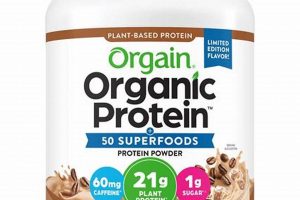
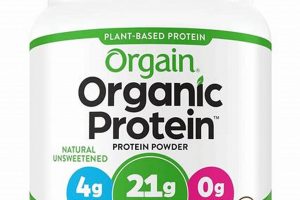
Plant-based protein supplements available at General Nutrition Centers (GNC) cater to individuals seeking alternatives to animal-derived protein sources. These products are formulated without ingredients like whey, casein, or egg, commonly utilizing sources such as pea protein, brown rice protein, soy protein, or blends thereof. They are typically available in powdered form for mixing into beverages or incorporating into recipes.
The increasing demand for these alternatives stems from a variety of factors, including dietary preferences (veganism, vegetarianism), allergies or intolerances (lactose intolerance), and concerns regarding the environmental impact of animal agriculture. Such protein supplements provide a convenient way to augment protein intake, supporting muscle growth, recovery, and overall health. Their availability at established retailers like GNC provides broader accessibility and consumer confidence in product quality.
The following sections will delve into the specific types of plant-based proteins commonly found in these supplements, analyze their nutritional profiles, discuss considerations for selecting the appropriate product, and address potential benefits and drawbacks associated with their use.
Guidance on Selecting Plant-Based Protein Supplements at Retail Locations
This section offers practical advice for consumers navigating the selection of plant-derived protein powders within a retail environment. Emphasis is placed on informed decision-making based on individual needs and product characteristics.
Tip 1: Assess Protein Source Composition: Scrutinize the ingredient list to identify the primary protein sources. Blends may offer a more complete amino acid profile compared to single-source options. Consider pea protein for its digestibility or brown rice protein for its fiber content.
Tip 2: Evaluate Amino Acid Profile: The amino acid profile dictates the protein’s biological value. Ensure the product contains sufficient levels of essential amino acids, particularly leucine, isoleucine, and valine (Branched-Chain Amino Acids or BCAAs), crucial for muscle protein synthesis.
Tip 3: Analyze Added Ingredients: Examine the label for added sugars, artificial sweeteners, fillers, and preservatives. Opt for products with minimal additives to maximize nutritional value and minimize potential adverse reactions. Consider products certified by third-party organizations for purity and ingredient verification.
Tip 4: Determine Protein Content Per Serving: Compare the amount of protein provided per serving relative to the caloric content. A higher protein-to-calorie ratio indicates a more concentrated protein source and can aid in achieving dietary goals.
Tip 5: Consider Dietary Restrictions and Allergies: Verify the product is free from common allergens such as gluten, soy (if applicable), and nuts. Individuals with specific dietary restrictions should carefully review the ingredient list and allergen statements.
Tip 6: Review Customer Feedback and Ratings: Consult online reviews and ratings to gauge product taste, mixability, and overall customer satisfaction. However, interpret feedback critically, recognizing that individual experiences may vary.
Tip 7: Evaluate Price per Serving: Calculate the cost per serving to compare the economic value of different options. Consider the long-term cost-effectiveness based on individual consumption patterns.
Adhering to these guidelines can facilitate a more informed and strategic approach to purchasing plant-based protein supplements. Focusing on protein source, amino acid profile, ingredients, and personal dietary needs, will support the selection of a high-quality product aligned with specific health and fitness objectives.
The subsequent section will analyze common misconceptions associated with plant-derived protein sources and provide a comparative analysis against animal-based protein options.
1. Source

The origin of protein within plant-based supplements is fundamental to understanding their nutritional value and suitability for individual needs. The source material determines the amino acid profile, digestibility, and potential allergenicity of the final product, influencing its effectiveness in supporting muscle growth and overall health.
- Pea Protein
Derived from yellow split peas, pea protein is a commonly used source due to its relatively high protein content and good amino acid profile. It is considered hypoallergenic and easily digestible for many individuals. Pea protein isolate, a purified form, is frequently used in supplements available at retailers to maximize protein concentration.
- Brown Rice Protein
Brown rice protein is another popular option, valued for its gluten-free nature and relatively mild flavor. While it is not a complete protein on its own, it can contribute to a balanced amino acid profile when combined with other plant-based sources. The extraction process can impact the final protein content and purity of the rice protein.
- Soy Protein
Soy protein, derived from soybeans, is a complete protein source, meaning it contains all nine essential amino acids. However, soy is a common allergen, and some individuals may have concerns about its potential hormonal effects. Soy protein isolate and soy protein concentrate are commonly used in protein supplements, with isolate offering a higher protein concentration.
- Blend of Plant Proteins
Many supplements utilize a blend of multiple plant protein sources, such as pea, rice, and soy, to create a more complete amino acid profile and address potential limitations of individual sources. These blends can offer a synergistic effect, improving the overall nutritional value and digestibility of the protein supplement.
The selection of the protein source significantly impacts the nutritional composition and potential benefits of plant-based protein supplements. Retailers like GNC offer a variety of options, each with its unique characteristics. Consumers should carefully consider the protein source when choosing a supplement to align with their dietary needs, allergies, and fitness goals. Understanding the origin of protein helps make an informed decision, increasing the likelihood of achieving desired health outcomes.
2. Amino Acids

The efficacy of plant-based protein supplements, including those available at General Nutrition Centers (GNC), is intrinsically linked to their amino acid profiles. Amino acids are the building blocks of protein, and their presence in adequate quantities determines the protein’s ability to support muscle protein synthesis, tissue repair, and various physiological functions. A complete protein contains all nine essential amino acids, which the human body cannot synthesize and must obtain from dietary sources. Incomplete proteins lack one or more of these essential amino acids, necessitating careful consideration when relying solely on a single plant-based protein source. For instance, brown rice protein is low in lysine, while pea protein can be relatively low in methionine. Consequently, many plant-based protein powders utilize blends of different sources to create a more complete amino acid profile comparable to animal-derived proteins.
The specific amino acid composition of these protein powders directly influences their suitability for various fitness and health goals. Leucine, a branched-chain amino acid (BCAA), plays a crucial role in initiating muscle protein synthesis. Athletes and individuals seeking muscle growth benefit from protein supplements with a high leucine content. Understanding the amino acid profile allows for informed product selection, optimizing results. For example, a blend of pea and brown rice protein might be chosen to compensate for the individual amino acid deficiencies of each source, providing a more balanced composition for muscle recovery and growth. The retailer may provide detailed nutritional information regarding amino acid content, enabling customers to make data-driven decisions.
In summary, the amino acid profile is a critical factor in evaluating the quality and effectiveness of plant-based protein powders. Understanding this connection is essential for consumers seeking to meet their protein needs through vegan sources. By considering the specific amino acid composition, particularly the presence of essential amino acids and BCAAs, individuals can select products that align with their specific dietary and fitness objectives. Furthermore, the availability of diverse blends addresses the limitations of single-source plant proteins, facilitating the achievement of optimal nutritional outcomes.
3. Ingredients

The composition of ingredients within plant-based protein supplements significantly impacts their nutritional value, digestibility, and overall suitability for individuals adhering to vegan diets. Understanding these components, often available at retailers like GNC, is crucial for making informed choices aligned with specific health goals and dietary restrictions.
- Sweeteners and Flavorings
These ingredients enhance palatability but can contribute to added sugar intake. Common sweeteners include stevia, erythritol, and monk fruit extract, which offer low- or zero-calorie options. Artificial sweeteners, while calorie-free, may have potential health implications for some individuals. Natural and artificial flavorings are used to create a desirable taste profile. Consumers should prioritize products with minimal added sugars and natural flavorings.
- Thickeners and Stabilizers
These ingredients improve the texture and consistency of the protein powder when mixed with liquids. Common examples include guar gum, xanthan gum, and cellulose gum. While generally safe, some individuals may experience digestive discomfort from these ingredients. Products with minimal thickeners and stabilizers may offer better digestibility and reduce the risk of adverse reactions.
- Added Vitamins and Minerals
Some plant-based protein powders are fortified with vitamins and minerals to enhance their nutritional value. Common additions include vitamin B12, iron, and calcium, which are often lacking in vegan diets. While fortification can be beneficial, it is important to consider individual nutrient needs and avoid excessive intake of any single nutrient. The bioavailability of added vitamins and minerals should also be considered.
- Fillers and Additives
Certain products may contain fillers and additives, such as maltodextrin or artificial colors, which contribute little nutritional value and may have potential health implications. Maltodextrin, for example, is a rapidly absorbed carbohydrate that can spike blood sugar levels. Artificial colors have been linked to hyperactivity in some individuals. Consumers should carefully scrutinize the ingredient list and prioritize products with minimal fillers and additives.
The selection of plant-based protein supplements necessitates careful evaluation of the ingredient list. Focusing on products with minimal added sugars, natural flavorings, and limited fillers supports a more wholesome dietary approach. Understanding the role and potential impact of various ingredients facilitates informed purchasing decisions and optimizes the health benefits derived from these supplements. Plant based protein available at retailers is diverse and requires diligent evaluation.
4. Digestibility
The ease with which the human body breaks down and absorbs nutrients from vegan protein powders available at General Nutrition Centers (GNC) is a critical factor determining their overall nutritional value. Poor digestibility can negate the benefits of a seemingly high-protein supplement, leading to reduced amino acid bioavailability and potential gastrointestinal discomfort. This impact can range from mild bloating to more severe digestive issues, hindering the effective utilization of the protein for muscle repair, growth, or other physiological processes. For instance, a protein powder containing high levels of anti-nutritional factors, naturally occurring compounds in some plant-based sources that interfere with nutrient absorption, may exhibit reduced digestibility, limiting the amount of protein actually available to the body. The selection of specific vegan protein sources and processing methods significantly influence the digestibility of the final product.
Several factors influence the digestibility of these supplements. The type of plant protein (e.g., pea, rice, soy) plays a significant role, as each source possesses unique characteristics affecting its breakdown and absorption. Processing techniques, such as enzymatic hydrolysis, can improve digestibility by breaking down complex proteins into smaller peptides, making them easier to absorb. The presence of fiber, while beneficial for overall health, can also impact digestibility if present in excessive amounts. For example, a vegan protein powder with a high fiber content might lead to slower digestion and potential bloating in some individuals. Conversely, a protein isolate, which undergoes further processing to remove fiber and other non-protein components, typically exhibits higher digestibility. Therefore, consumers must consider not only the protein content but also the source and processing methods to assess the likely digestibility of a particular product.
In conclusion, digestibility is a paramount consideration when evaluating vegan protein powders available at GNC. Factors such as the protein source, processing techniques, and presence of anti-nutritional factors or high fiber levels directly influence how effectively the body can utilize the protein. Understanding these dynamics allows consumers to make informed decisions, selecting products that offer optimal digestibility and maximizing the nutritional benefits of their chosen protein supplement. Paying attention to reviews pertaining to bloating and digestion can be helpful when choosing products.
5. Availability

The extent to which plant-based protein powders are accessible at General Nutrition Centers (GNC) directly affects consumer adoption and market penetration. The presence, or lack thereof, of these products within a retail chain like GNC reflects market demand, distribution strategies, and the perceived profitability of catering to the vegan demographic. A wide selection across numerous GNC locations indicates strong manufacturer support, effective supply chain management, and a significant consumer base seeking these alternatives to animal-derived protein. Conversely, limited or inconsistent stock levels may signal logistical challenges, low consumer demand in specific geographic areas, or a strategic prioritization of other product categories. The breadth of available vegan options, encompassing various protein sources, flavors, and price points, further influences consumer choice and satisfaction. For instance, the widespread availability of popular brands with diverse protein blends allows customers to compare options and select products aligning with their individual dietary needs and preferences.
Furthermore, the physical placement and marketing of these protein powders within GNC stores contribute to their visibility and consumer awareness. Prominent shelf placement, targeted promotional campaigns, and knowledgeable staff recommendations can increase product exposure and drive sales. The online availability of these products through the GNC website expands accessibility beyond physical store locations, catering to consumers who prefer online shopping or reside in areas without convenient access to brick-and-mortar stores. Inventory management practices, including regular stock replenishment and monitoring of product expiration dates, ensure that consumers consistently have access to fresh and high-quality protein powders. Seasonal promotions and discounts can incentivize purchases and attract new customers to the vegan protein category. The inclusion of customer reviews and ratings on the GNC website provides valuable social proof, influencing purchasing decisions and fostering a sense of community among vegan consumers.
In summary, availability serves as a critical determinant of the success of vegan protein powders at GNC. Adequate stocking levels, strategic placement, effective marketing, and robust online presence are essential for maximizing consumer reach and driving sales. Supply chain disruptions, regional variations in demand, and competitive pressures can pose challenges to maintaining consistent availability. The ongoing monitoring of sales data, customer feedback, and market trends is crucial for adapting distribution strategies and ensuring that GNC effectively caters to the evolving needs of the vegan protein powder consumer base.
Frequently Asked Questions Regarding Plant-Based Protein Supplements Available at General Nutrition Centers (GNC)
This section addresses common inquiries pertaining to the selection, usage, and benefits of vegan protein powders accessible through GNC. The information provided aims to offer clarity and dispel misconceptions.
Question 1: Are plant-based protein powders complete proteins?
The “completeness” of a protein refers to the presence of all nine essential amino acids. Some individual plant-based protein sources, such as soy, are complete. Others, like brown rice protein, may be lower in certain essential amino acids. Many vegan protein powders available at GNC utilize protein blends to ensure a complete amino acid profile.
Question 2: How do plant-based protein powders compare to whey protein for muscle growth?
Whey protein, derived from dairy, is a complete protein with a high leucine content, making it effective for stimulating muscle protein synthesis. Well-formulated plant-based protein powders can be equally effective when they provide a sufficient dose of leucine, either naturally or through added amino acids. The overall protein intake and training regimen are critical factors influencing muscle growth.
Question 3: Are there any potential side effects associated with consuming plant-based protein powders?
Some individuals may experience digestive discomfort, such as bloating or gas, particularly when consuming high quantities of certain plant-based proteins or products containing added fibers or artificial sweeteners. Individuals with soy allergies should avoid soy-based protein powders. Reading the product label and starting with a small serving size can help mitigate potential side effects.
Question 4: How should plant-based protein powders be incorporated into a diet?
Vegan protein powders can be used to supplement daily protein intake. They can be mixed with water, plant-based milk, or added to smoothies, oatmeal, or baked goods. The appropriate serving size depends on individual protein needs, activity level, and overall dietary intake.
Question 5: Are all plant-based protein powders available at GNC certified organic or non-GMO?
The availability of certified organic or non-GMO vegan protein powders varies depending on the brand and product. Consumers seeking these attributes should carefully review product labels for relevant certifications.
Question 6: Do plant-based protein powders taste different from animal-derived protein powders?
Plant-based protein powders can have distinct flavors depending on the protein source. For instance, pea protein may have a slightly earthy flavor, while brown rice protein is often more neutral. The presence of flavorings and sweeteners significantly impacts the overall taste profile. Sampling different products can help determine individual preferences.
In summary, the selection and utilization of plant-based protein powders require consideration of factors such as amino acid profile, potential side effects, and dietary preferences. Reading product labels and consulting with a healthcare professional or registered dietitian can provide further guidance.
The following section will explore the environmental impact of plant-based protein production compared to animal-derived protein sources.
Vegan Protein Powder GNC
The preceding analysis has examined crucial aspects relevant to the selection and utilization of plant-based protein supplements obtainable from General Nutrition Centers. Factors such as protein source composition, amino acid profiles, ingredient lists, digestibility, and product availability have been discussed in detail. Understanding these variables enables consumers to make informed decisions aligned with specific health objectives and dietary requirements. The assessment has revealed the diversity of options available, ranging from single-source proteins to carefully formulated blends designed to maximize nutritional benefits.
The informed consumption of vegan protein powder readily acquired at GNC signifies a commitment to both personal well-being and broader ethical considerations. The onus remains on the individual to meticulously evaluate available options and, when necessary, seek guidance from qualified healthcare professionals to ensure optimal integration into a balanced dietary regimen. Continued research and product development will undoubtedly further refine the quality and efficacy of plant-based protein supplements, solidifying their role in promoting health and fitness across diverse populations.