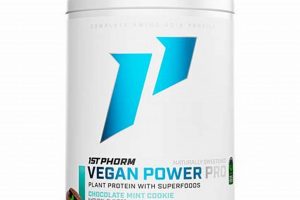
The introduction of plant-based protein supplements into caffeinated beverages, particularly coffee, represents a dietary modification. This practice involves adding a powdered substance derived from sources like peas, brown rice, or soy to enhance the protein content of a cup of coffee. The resulting mixture is consumed as a meal replacement, post-workout drink, or simply as a way to increase daily protein intake.
The appeal of this combination lies in its convenience and potential health benefits. The addition of protein can contribute to satiety, potentially aiding in weight management. Furthermore, it offers a way for individuals following plant-based diets to conveniently supplement their protein intake. The practice reflects a broader trend toward functional foods and beverages, where consumers seek added nutritional value beyond basic sustenance. Historically, protein supplementation was primarily associated with athletic performance, but it has now permeated mainstream dietary practices.
The following sections will explore considerations for selecting appropriate plant-derived protein sources for coffee, examine potential taste and texture alterations, and discuss digestion and absorption factors, as well as potential interactions between caffeine and plant-based protein.
Tips for Incorporating Vegan Protein Powder into Coffee
Maximizing the benefits and minimizing potential drawbacks requires careful consideration when combining plant-derived protein supplements with coffee. The following guidelines offer practical advice for a successful integration.
Tip 1: Select an Unflavored or Complementary Flavored Protein. Choose a protein powder with a neutral or coffee-compatible flavor, such as vanilla, chocolate, or mocha. Strongly flavored options may clash with the coffee’s inherent taste profile.
Tip 2: Gradually Introduce the Protein Powder. Begin with a small amount, such as half a scoop, and gradually increase the quantity to assess tolerance and prevent digestive discomfort. This allows the body to adjust to the increased protein intake.
Tip 3: Employ a Shaker or Blender for Optimal Mixing. Thoroughly mix the protein powder with the coffee to avoid clumping and ensure a smooth consistency. A shaker bottle or immersion blender is recommended for efficient homogenization.
Tip 4: Adjust Liquid Temperature. While some plant-based protein powders dissolve readily in hot liquids, others may benefit from slightly cooled coffee. Experiment to find the temperature that yields the best dissolution and texture.
Tip 5: Consider Protein Source Digestibility. Different plant-based protein sources exhibit varying levels of digestibility. Pea protein, for example, is generally considered more easily digestible than some other options.
Tip 6: Be Mindful of Caffeine Sensitivity. Protein can slow the absorption of caffeine, potentially prolonging its effects. Monitor individual responses and adjust coffee consumption accordingly.
Tip 7: Check for Added Ingredients. Evaluate the ingredient list of the protein powder for added sugars, artificial sweeteners, or unnecessary additives. Opt for products with minimal and recognizable ingredients.
Effective integration of plant-based protein into coffee requires attention to flavor compatibility, proper mixing techniques, and individual tolerance. These considerations enhance the nutritional value and palatability of the beverage.
The following sections will delve into the nutritional benefits, potential side effects, and long-term considerations associated with this practice.
1. Solubility

Solubility represents a critical factor influencing the palatability and overall acceptance of plant-based protein powder when mixed with coffee. Inadequate solubility can lead to clumping, grittiness, and an unappealing texture, negatively impacting the consumption experience. Therefore, understanding the factors that affect the solubility of various plant-derived protein sources in a hot, aqueous environment is essential.
- Particle Size and Milling Process
The fineness of the protein powder significantly affects its dispersion in liquid. Powders with smaller particle sizes, achieved through advanced milling techniques, exhibit greater surface area, facilitating faster and more complete dissolution. Coarsely ground powders tend to clump together, resisting dispersion in coffee.
- Protein Source and Processing Methods
Different plant-based protein sources possess inherent solubility characteristics. For example, pea protein isolates often demonstrate superior solubility compared to brown rice protein concentrates due to differences in amino acid composition and processing methods employed during extraction. Processing techniques, such as enzymatic hydrolysis, can further improve solubility by breaking down protein aggregates.
- Temperature and pH of Coffee
Water temperature influences protein solubility. Higher temperatures generally promote faster dissolution, but excessive heat can denature certain proteins, potentially leading to aggregation. The pH of coffee can also affect solubility; extreme pH values may either enhance or inhibit protein dispersion, depending on the protein’s isoelectric point.
- Presence of Additives and Stabilizers
Some protein powders contain additives, such as lecithin or gums, that act as emulsifiers and stabilizers, improving their ability to mix with liquids. These additives help to prevent protein particles from clumping together and settling out of suspension, thereby enhancing the beverage’s overall texture and appearance. However, the presence and type of additives should be considered in relation to dietary preferences and sensitivities.
The combined effect of particle size, protein source, coffee temperature and pH, and the presence of additives ultimately determines the success of incorporating plant-based protein into coffee. Selecting products with optimized solubility characteristics minimizes textural defects and enhances the overall consumption experience, thereby promoting adherence to protein supplementation regimens.
2. Taste Alteration

The introduction of plant-derived protein supplements into coffee invariably results in a taste alteration. This modification stems from the inherent flavor profiles of the protein sources themselves, often described as earthy, beany, or having a distinct aftertaste. These flavors interact with the naturally bitter and acidic notes of coffee, potentially creating an undesirable sensory experience. The degree of taste alteration is directly proportional to the amount of protein powder added and the specific characteristics of the chosen protein source.
The importance of understanding taste alteration lies in its direct influence on adherence to a dietary regimen. Individuals are less likely to consistently consume a product if the taste is perceived as unpleasant. Real-life examples include consumers abandoning the practice of adding protein to coffee due to a perceived gritty texture or an overpowering “green” flavor. Moreover, taste alteration can necessitate the addition of sweeteners or flavor enhancers to mask undesirable notes, potentially undermining the health benefits associated with the initial intention of protein supplementation.
In conclusion, the successful incorporation of plant-based protein into coffee hinges on mitigating adverse taste alterations. Strategies such as selecting protein powders with neutral or complementary flavor profiles, employing masking agents, or optimizing the coffee-to-protein ratio are essential. The challenges associated with taste alteration highlight the need for careful product selection and a nuanced understanding of flavor interactions to promote long-term adherence and achieve the desired nutritional outcomes.
3. Digestive Impact
The addition of plant-based protein supplements to coffee can exert a variable impact on digestive function. This impact is contingent upon several factors, including the source of the protein, individual digestive sensitivity, and the quantity consumed. Potential digestive consequences range from mild discomfort to more pronounced gastrointestinal disturbances. A careful consideration of these factors is warranted to optimize tolerance and minimize adverse effects.
- Fiber Content and Intestinal Motility
Many plant-based protein sources, such as those derived from legumes and seeds, inherently contain fiber. While fiber can promote healthy bowel function, excessive intake, particularly in individuals unaccustomed to high-fiber diets, can lead to increased gas production, bloating, and abdominal discomfort. The sudden introduction of significant fiber through protein supplementation in coffee may disrupt normal intestinal motility, resulting in either diarrhea or constipation.
- Presence of Anti-nutritional Factors
Certain plant-based protein sources contain anti-nutritional factors, such as phytic acid and trypsin inhibitors, which can interfere with nutrient absorption and digestive enzyme activity. These compounds may exacerbate digestive discomfort, particularly in individuals with pre-existing digestive disorders. Processing methods, such as soaking and sprouting, can reduce the levels of these anti-nutritional factors, but residual amounts may still elicit digestive responses in sensitive individuals.
- Potential for Allergic Reactions and Sensitivities
Plant-based protein powders can trigger allergic reactions or sensitivities in susceptible individuals. Common allergens include soy, nuts, and certain grains. Allergic reactions may manifest as abdominal pain, nausea, vomiting, or diarrhea. Even in the absence of a diagnosed allergy, some individuals may experience non-allergic sensitivities to specific plant proteins, resulting in similar gastrointestinal symptoms.
- Impact on Gut Microbiota Composition
The consumption of plant-based protein can influence the composition and activity of the gut microbiota. Different protein sources support the growth of distinct microbial populations. Alterations in the gut microbiota can lead to changes in fermentation patterns, potentially resulting in increased gas production, altered bowel habits, and shifts in overall gut health. The long-term effects of consistent plant-based protein supplementation in coffee on gut microbiota composition warrant further investigation.
In conclusion, the digestive impact of plant-based protein powder in coffee is a complex interplay of factors related to the protein source, individual physiology, and gut microbiota dynamics. Prudent selection of protein sources, gradual introduction of supplements, and monitoring for adverse reactions are essential for minimizing digestive discomfort and maximizing the benefits of protein supplementation. Individuals with pre-existing digestive disorders should consult with a healthcare professional before incorporating this practice into their diet.
4. Nutrient Profile

The nutrient profile represents a primary consideration when integrating plant-derived protein supplements into coffee. The selection of a specific protein source dictates the resulting nutritional composition of the beverage, influencing its potential health benefits and limitations. A comprehensive understanding of these profiles is essential for optimizing the nutritional value of this practice.
- Protein Content and Amino Acid Composition
The protein content per serving varies significantly across different plant-based sources. Isolates generally offer a higher protein concentration compared to concentrates. Furthermore, the amino acid profile is critical, as it determines the protein’s completeness. While most plant proteins are not complete on their own (lacking sufficient amounts of one or more essential amino acids), combining different sources can yield a more balanced amino acid profile. For example, combining pea protein (low in methionine) with rice protein (low in lysine) can provide a more complete amino acid profile than either source alone.
- Micronutrient Contribution
Beyond protein, plant-based powders often contribute micronutrients, such as iron, calcium, and various vitamins. The specific micronutrient content depends on the source and processing methods. For instance, hemp protein is a good source of magnesium and zinc, while some algal proteins are rich in omega-3 fatty acids. These additional nutrients enhance the overall nutritional value of the coffee beverage, potentially addressing micronutrient deficiencies.
- Fiber Content and Type
As previously mentioned, fiber content is a relevant factor. However, the type of fiber also warrants consideration. Soluble fiber, present in some plant proteins, can promote satiety and regulate blood sugar levels, while insoluble fiber contributes to bowel regularity. The specific type and quantity of fiber influence the beverage’s impact on digestion and overall metabolic health.
- Presence of Added Ingredients
The nutrient profile is not solely determined by the protein source itself but also by added ingredients. Many commercially available protein powders contain sweeteners, flavorings, thickeners, and preservatives. These additives can significantly alter the nutritional composition, potentially adding calories, sugars, or artificial substances. Careful evaluation of the ingredient list is crucial to ensure that the protein powder aligns with dietary goals and preferences. Selecting unflavored, unsweetened options minimizes the introduction of unwanted additives.
The integration of plant-based protein into coffee provides an opportunity to enhance the beverage’s nutritional value. However, the extent of this enhancement depends critically on the protein source’s amino acid profile, micronutrient content, fiber type, and the presence of added ingredients. Careful selection of the protein powder, based on a comprehensive understanding of its nutrient profile, is essential for achieving optimal health outcomes.
5. Timing Optimization
The strategic timing of plant-based protein ingestion in conjunction with coffee consumption influences physiological outcomes. The practice of combining these elements is often motivated by the desire to enhance satiety, promote muscle protein synthesis, or modulate energy levels. Therefore, understanding the interplay between protein absorption, caffeine effects, and individual circadian rhythms is paramount for maximizing the intended benefits. The timing must consider caffeine’s stimulant properties and protein’s role in sustained energy provision.
Post-exercise, the combination may facilitate muscle recovery due to the protein’s amino acid provision. Caffeine’s ergogenic properties can also enhance workout performance, potentially leading to greater muscle damage requiring repair. Consuming the mixture in the morning can provide a sustained release of energy, mitigating the mid-morning energy crash often associated with caffeine alone. However, individuals sensitive to caffeine should avoid late-day consumption to prevent sleep disturbances. If used as a meal replacement, timing becomes less critical, focusing instead on the overall daily nutrient intake. For example, a breakfast replacement must provide adequate protein and sustained energy to prevent premature hunger.
In summary, optimizing the timing of plant-based protein powder consumption with coffee necessitates careful consideration of individual goals, caffeine sensitivity, and the desired physiological effects. Challenges include predicting individual responses to caffeine and accounting for variations in protein absorption rates. The appropriate timing strategy integrates seamlessly with the broader objective of achieving a balanced and effective nutrition plan.
Frequently Asked Questions
The following questions address common concerns and misconceptions regarding the addition of plant-based protein supplements to coffee. The answers provided are intended to offer clarity and guidance based on current scientific understanding.
Question 1: Does the addition of plant-based protein powder to coffee reduce the bioavailability of either the protein or caffeine?
Available data suggests that the co-ingestion of plant-derived protein and caffeine does not significantly impair the absorption of either component. Protein digestion and caffeine absorption occur through distinct mechanisms and within different regions of the digestive tract. However, individual responses may vary, and high concentrations of either substance could potentially influence absorption rates to a minor degree.
Question 2: Can heating protein powder in coffee denature the protein and reduce its effectiveness?
While excessive heat can denature proteins, the temperatures typically reached in a standard cup of coffee are unlikely to cause significant protein degradation. Protein denaturation refers to a change in the protein’s three-dimensional structure, but it does not necessarily eliminate its nutritional value or amino acid content. The protein remains digestible, although its solubility and texture may be altered.
Question 3: Are there specific plant-based protein powders that are better suited for mixing with coffee in terms of taste and texture?
Certain plant-based proteins exhibit more favorable mixing characteristics and taste profiles when added to coffee. Pea protein isolate, for instance, often dissolves more readily and possesses a relatively neutral flavor compared to brown rice protein or soy protein. Choosing unflavored or complementary flavors like vanilla or chocolate can minimize taste alterations. The fineness of the powder also affects texture, with finely milled powders resulting in a smoother consistency.
Question 4: What are the potential drawbacks of using coffee as a primary vehicle for plant-based protein supplementation?
Relying solely on coffee for protein supplementation may lead to an unbalanced dietary intake. Coffee lacks other essential nutrients found in whole foods, such as complex carbohydrates, healthy fats, and a wider range of vitamins and minerals. Furthermore, excessive caffeine consumption can have adverse effects, including anxiety, insomnia, and digestive upset. A balanced diet should prioritize whole, unprocessed foods as the primary source of nutrition, with protein supplementation serving as a complementary strategy.
Question 5: How does the addition of plant-based protein powder affect the acidity of coffee and its impact on tooth enamel?
The addition of plant-based protein powder can potentially influence the pH of coffee. However, the magnitude of this effect and its subsequent impact on tooth enamel is likely minimal. Coffee is inherently acidic, and while some protein powders may slightly alter the pH, the overall acidity remains a primary concern for dental health. Maintaining good oral hygiene practices, such as brushing and rinsing after coffee consumption, is essential for protecting tooth enamel.
Question 6: Are there any contraindications for individuals with specific health conditions, such as kidney disease, when combining plant-based protein powder with coffee?
Individuals with pre-existing health conditions, particularly kidney disease, should exercise caution when incorporating plant-based protein supplements into their diet, including when mixed with coffee. Excessive protein intake can place an additional burden on the kidneys, potentially exacerbating kidney dysfunction. Consulting with a healthcare professional or registered dietitian is crucial to determine the appropriate protein intake and assess any potential risks based on individual health status.
In summary, combining plant-based protein powder with coffee presents both potential benefits and drawbacks. Informed decision-making requires careful consideration of protein source, taste and texture, nutritional balance, and individual health status.
The following sections will explore specific recipe ideas and creative ways to incorporate plant-based protein into coffee while minimizing potential drawbacks.
Conclusion
The preceding analysis has explored various facets of incorporating plant-derived protein supplements into coffee. Considerations encompass solubility, taste alteration, digestive impact, nutrient profile modifications, and strategic timing. Furthermore, frequently asked questions have been addressed to clarify common concerns. The evidence presented underscores the complexity of this practice, highlighting the importance of individualized approaches.
While combining plant-based protein and coffee presents potential advantages for select individuals, such as enhanced protein intake and satiety, potential drawbacks, including taste alterations and digestive discomfort, must be acknowledged. Therefore, consumers are encouraged to engage in careful product selection, mindful consumption, and continuous self-monitoring to optimize outcomes and mitigate potential risks associated with this dietary practice. Further research is warranted to fully elucidate long-term effects and to refine recommendations for specific populations.