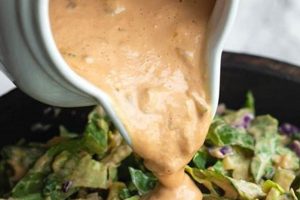
The concept involves preparing and enjoying a meal outdoors that adheres to a plant-based dietary philosophy. Such meals exclude all animal products, including meat, dairy, eggs, and honey. A typical example includes sandwiches made with plant-based protein alternatives, salads incorporating fresh vegetables and legumes, and fruit-based desserts.
This approach to outdoor dining offers multiple advantages. From an ethical standpoint, it aligns with values of animal welfare and environmental sustainability. Health benefits may accrue from increased consumption of plant-based foods, which are often rich in fiber, vitamins, and minerals. Historically, outdoor meals have been a social tradition, and plant-based variations provide an inclusive option for individuals with diverse dietary preferences.
The subsequent sections will detail a range of suitable menu items, practical packing tips, and logistical considerations for successful outdoor meal experiences that comply with plant-based dietary guidelines. Attention will be given to strategies for maintaining food safety and minimizing environmental impact during these outings.
Practical Guidance for Plant-Based Outdoor Dining
The following recommendations are designed to facilitate the preparation and execution of successful plant-based outdoor meals, ensuring both enjoyment and adherence to dietary principles.
Tip 1: Plan the Menu in Advance. Careful menu planning minimizes the risk of ingredient omissions and ensures a balanced nutritional profile. Consider factors such as travel time and weather conditions when selecting items.
Tip 2: Prioritize Durable and Portable Food. Opt for dishes that maintain their integrity during transport and are easily consumed without extensive preparation. Examples include wraps, salads in jars, and fruit skewers.
Tip 3: Utilize Proper Food Storage Techniques. Employ insulated containers and ice packs to maintain safe food temperatures, particularly for perishable items such as plant-based dips and salads. Separate hot and cold items during transport.
Tip 4: Pack Reusable Utensils and Containers. Minimize waste by avoiding single-use plastics. Invest in a set of durable, reusable utensils, plates, and containers for a more sustainable outdoor meal experience.
Tip 5: Select a Suitable Location. Choose a location that offers shade and protection from the elements. Consider factors such as accessibility, seating availability, and the presence of waste disposal facilities.
Tip 6: Prepare Components Ahead of Time. Reduce on-site preparation time by prepping ingredients in advance. Chopping vegetables, making dressings, and assembling sandwiches can all be completed prior to departure.
Tip 7: Consider Hydration. Pack an ample supply of water or other non-alcoholic beverages to ensure adequate hydration, especially during warm weather. Avoid sugary drinks, which can contribute to dehydration.
Adhering to these guidelines enhances the likelihood of a positive and satisfying plant-based outdoor dining experience. Careful planning and preparation contribute to both food safety and environmental responsibility.
The subsequent section will address potential challenges and troubleshooting strategies related to plant-based outdoor meals.
1. Menu Diversification

Menu diversification, in the context of plant-based outdoor meals, directly influences the satisfaction and nutritional value of the experience. A monotonous selection of food items can diminish enjoyment and potentially lead to dietary imbalances. Therefore, a varied menu is essential for sustained adherence to plant-based dietary principles and the overall success of the outing. Example: Instead of relying solely on vegetable sticks and hummus, a diversified selection might incorporate sandwiches with plant-based fillings, a quinoa salad with diverse vegetables, and fruit skewers for dessert.
The practical application of menu diversification requires consideration of several factors. First, it necessitates familiarity with a range of plant-based ingredients and recipes. Second, it demands an understanding of how different food items interact in terms of flavor and texture. Third, it requires attention to dietary balance, ensuring that the menu provides adequate amounts of protein, carbohydrates, and fats. For instance, a plant-based pasta salad with added beans, vegetables and vegan pesto for protein, complex carbs, fats and fibre.
In summary, menu diversification is a key determinant of the success and sustainability of plant-based outdoor dining. It addresses potential challenges related to palatability and nutritional adequacy. A commitment to menu diversification elevates the entire outdoor meal experience, promoting both enjoyment and adherence to plant-based principles.
2. Portable Containers

The selection and utilization of appropriate portable containers constitute a critical aspect of successful plant-based outdoor meals. Containers serve to preserve food quality, prevent spillage during transport, and contribute to the overall convenience of the dining experience. The effectiveness of portable containers directly impacts the practicality and enjoyment of plant-based meals consumed outside the home.
- Preservation of Food Integrity
Containers maintain the intended texture and flavor of food items, preventing crushing or mixing of components. For example, a layered salad benefits from a container that keeps dressings separate until consumption, preserving the crispness of vegetables. Inadequate containers can lead to soggy or unappetizing food, negatively affecting the dining experience.
- Prevention of Spillage and Contamination
Secure containers prevent leakage during transport, minimizing the risk of contamination and mess. Soups, sauces, and dressings require leak-proof containers to avoid spillage within transport bags. Such incidents can compromise the cleanliness of other items and potentially lead to foodborne illness.
- Temperature Regulation
Insulated containers maintain desired food temperatures, preserving both quality and safety. Cold items, such as plant-based salads and dips, require insulated containers with ice packs to prevent spoilage. Warm items, if included, benefit from insulated containers that retain heat.
- Waste Reduction and Reusability
Reusable containers minimize environmental impact compared to single-use plastics. Durable, washable containers contribute to a more sustainable approach to outdoor dining. Selecting reusable containers aligns with principles of environmental responsibility and reduces waste generation.
These facets underscore the integral role of portable containers in facilitating satisfying and responsible plant-based outdoor meals. The strategic selection of containers, considering factors such as durability, leak-resistance, and temperature regulation, enhances the overall experience and minimizes potential challenges associated with transporting and consuming food outdoors.
3. Temperature Control

Temperature control is a crucial determinant in the viability and safety of plant-based outdoor meals. The absence of animal products does not negate the need for rigorous temperature management, as plant-based foods are also susceptible to spoilage and bacterial growth when exposed to unsuitable temperatures. Inadequate temperature control can compromise the integrity of ingredients, leading to diminished flavor, altered texture, and, most critically, the potential for foodborne illness. The proper management of temperature is therefore intrinsically linked to the success and safety of plant-based outdoor dining.
Effective temperature control necessitates several practical measures. The use of insulated containers is paramount, particularly for perishable items such as plant-based dips, salads containing fresh produce, and beverages. Ice packs or frozen gel packs should be included within insulated containers to maintain temperatures below 40F (4.4C). Conversely, if warm dishes are included, insulated containers designed to retain heat should be utilized. Direct exposure to sunlight should be avoided, as it can rapidly elevate temperatures within containers. Prior to departure, it is advisable to chill or freeze components to further extend the duration of safe temperature maintenance.
In summary, temperature control is not merely a supplementary consideration but a fundamental prerequisite for safe and enjoyable plant-based outdoor meals. Its absence can have detrimental effects on food quality and consumer safety. A proactive approach to temperature management, encompassing the selection of appropriate containers, the strategic use of cooling agents, and the avoidance of direct sunlight exposure, mitigates potential risks and ensures a positive outdoor dining experience. This emphasis on temperature control aligns with broader principles of food safety and responsible food handling.
4. Ingredient Freshness

Ingredient freshness is a critical determinant in the success and appeal of plant-based outdoor meals. The inherent qualities of plant-based cuisine emphasize natural flavors and textures, which are significantly impacted by the state of the ingredients. The use of substandard or aged components can diminish the overall dining experience and potentially compromise nutritional value.
- Enhanced Flavor Profiles
Fresh produce contributes significantly to the complexity and vibrancy of flavors in plant-based dishes. Ripe fruits, crisp vegetables, and fragrant herbs enhance palatability. For example, a salad prepared with recently harvested tomatoes and cucumbers will possess a superior taste and texture compared to one made with produce that has been stored for an extended period. The difference in flavor intensity directly influences enjoyment.
- Optimal Nutritional Content
Fresh ingredients retain a higher concentration of vitamins, minerals, and antioxidants compared to older counterparts. The degradation of nutrients occurs over time, particularly with exposure to light, air, and heat. A fruit salad assembled with just-picked berries will deliver a greater proportion of essential vitamins than one utilizing berries that have been frozen and thawed repeatedly.
- Improved Textural Qualities
Freshness directly impacts the textural characteristics of plant-based foods. Crisp vegetables, such as bell peppers and celery, provide a satisfying crunch, while ripe avocados offer a creamy consistency. These desirable textures are often lost as ingredients age, resulting in a less appealing mouthfeel and potentially impacting the overall satiety of the meal.
- Extended Shelf Life During Transport
Starting with fresh ingredients extends the window of time within which the meal remains safe and palatable during transport. Plant-based dishes prepared with ingredients already nearing their expiration date are more likely to spoil or degrade before consumption, particularly in warm weather conditions. This is especially critical when temperature control is limited or challenging to maintain.
These interconnected factors underscore the importance of prioritizing ingredient freshness in the context of plant-based outdoor dining. The investment in high-quality, recently harvested produce translates directly into an improved sensory experience, enhanced nutritional benefits, and a reduced risk of spoilage. The strategic selection of fresh ingredients is therefore an essential component of successful and enjoyable plant-based outdoor meals.
5. Waste Reduction
Waste reduction constitutes a fundamental aspect of responsible outdoor dining, particularly within the context of plant-based meals. The adoption of plant-based diets often stems from environmental concerns, making the minimization of waste a logical extension of these principles. Plant-based picnics can inadvertently contribute to environmental degradation through single-use plastics, disposable packaging, and food waste if not carefully managed.
The practical implementation of waste reduction strategies encompasses several key areas. Employing reusable containers, utensils, and beverage bottles significantly reduces reliance on disposable alternatives. Purchasing food items in bulk and minimizing pre-packaged snacks further minimizes packaging waste. Careful menu planning, coupled with accurate portion estimations, helps prevent excessive food waste. Compostable or biodegradable materials can be utilized when disposable options are unavoidable. An example is using beeswax wraps in place of plastic wrap.
Achieving significant waste reduction in outdoor meals requires conscious planning and execution. Failure to prioritize waste reduction can undermine the environmental benefits associated with plant-based dietary choices. The integration of waste reduction strategies aligns outdoor meals with the broader environmental objectives frequently associated with adopting plant-based diets. The successful implementation of these strategies requires a sustained commitment to minimizing environmental impact during outdoor dining experiences.
6. Nutritional Balance

Nutritional balance is paramount when planning plant-based outdoor meals. A plant-based diet, while offering numerous health advantages, necessitates careful attention to nutrient intake to avoid deficiencies. A poorly planned plant-based meal may lack essential amino acids, vitamins (particularly B12 and D), minerals (iron, calcium, zinc), and omega-3 fatty acids. The exclusion of animal products requires strategic food combinations and, in some cases, supplementation to ensure adequate nutritional support. An outdoor meal consisting solely of fruit, for instance, may be deficient in protein and fats, leading to rapid satiety followed by energy depletion.
Practical applications of nutritional balance in plant-based outdoor meals involve deliberate menu design. Protein sources, such as legumes (chickpeas, lentils), tofu, tempeh, or quinoa, should be included. Healthy fats, derived from avocados, nuts, seeds, or olive oil-based dressings, contribute to satiety and nutrient absorption. Vitamin B12, not naturally found in most plant-based foods, may require fortified products or supplements. Incorporating a diverse range of vegetables and fruits provides essential vitamins and minerals. A balanced meal could consist of a quinoa salad with black beans, corn, bell peppers, avocado, and a lime vinaigrette, offering protein, complex carbohydrates, healthy fats, and a spectrum of vitamins and minerals. Carrying nutritional yeast for sprinkling can contribute to B vitamins and a savory flavor. Choosing whole grain breads or wraps contributes fiber.
Maintaining nutritional balance in plant-based outdoor dining presents challenges, particularly regarding access to diverse food options and the potential for oversight in meal planning. Educational resources and meticulous preparation can mitigate these challenges. The consequences of nutritional neglect can include fatigue, weakened immunity, and long-term health complications. Therefore, prioritizing nutritional balance within the context of plant-based outdoor meals is not merely a dietary preference but a fundamental health imperative, contributing to sustained energy levels, optimal bodily function, and the overall success of the outdoor experience.
7. Location Suitability

Location suitability exerts a demonstrable influence on the success of plant-based outdoor dining experiences. The chosen locale directly impacts factors such as food safety, comfort, and overall enjoyment. An unsuitable location can present logistical challenges, compromise food quality, and detract from the intended recreational benefits. Conversely, a well-selected site enhances the dining experience and contributes to a positive association with plant-based cuisine. Consider, for example, a scenario where a meal is planned in an area lacking shade; elevated temperatures accelerate food spoilage, increasing the risk of bacterial contamination, especially for perishable items common in plant-based diets such as salads and dips. This illustrates a direct cause-and-effect relationship between location and food safety.
The importance of location suitability extends beyond mere food safety to encompass aspects of comfort and convenience. Sites lacking adequate seating necessitate improvisation, potentially leading to discomfort during the meal. Furthermore, the absence of readily accessible waste disposal facilities can create logistical difficulties and contribute to environmental pollution. In contrast, a location equipped with shaded seating, accessible restrooms, and waste receptacles provides a more comfortable and convenient environment. National parks, for instance, often provide designated picnic areas equipped with these amenities, showcasing the practical benefits of suitable location selection. Choosing a site with access to potable water also facilitates hand hygiene, a crucial element in food safety.
In summary, location suitability represents a critical, often overlooked, component of successful plant-based outdoor meals. The chosen environment directly influences food safety, comfort, and the overall enjoyment of the dining experience. By prioritizing factors such as shade, seating, waste disposal, and accessibility, individuals can mitigate potential challenges and maximize the benefits of plant-based outdoor dining. Neglecting these considerations can undermine the intended enjoyment and even pose health risks, underscoring the practical significance of careful location selection.
Frequently Asked Questions
This section addresses common inquiries and concerns related to the preparation, execution, and nutritional aspects of plant-based outdoor meals, providing concise and informative responses.
Question 1: Is specialized equipment required for preparing plant-based outdoor meals?
Specialized equipment is not generally required. Standard kitchen tools are typically sufficient. However, insulated containers and reusable food storage are highly recommended to maintain food safety and minimize waste.
Question 2: How can the risk of foodborne illness be minimized during plant-based outdoor meals?
Meticulous food hygiene practices are essential. Wash all produce thoroughly, maintain appropriate food temperatures using insulated containers with ice packs, and avoid cross-contamination between raw and prepared foods. Discard any food that has been left at room temperature for more than two hours.
Question 3: Are plant-based outdoor meals nutritionally complete?
Nutritional completeness depends on careful meal planning. Ensure adequate protein intake through sources such as legumes, tofu, tempeh, or quinoa. Include a variety of fruits and vegetables for vitamins and minerals. Consider fortified foods or supplements to address potential deficiencies in vitamin B12 and vitamin D.
Question 4: How can single-use plastic waste be reduced during plant-based outdoor meals?
Prioritize reusable containers, utensils, and beverage bottles. Opt for bulk food purchases to minimize packaging. Utilize beeswax wraps or reusable cloth wraps in place of plastic wrap. Consider compostable plates and utensils when disposable options are unavoidable.
Question 5: What are suitable plant-based protein sources for outdoor meals?
Legumes (chickpeas, lentils, black beans), tofu, tempeh, quinoa, nuts, and seeds are excellent sources of plant-based protein. These can be incorporated into salads, sandwiches, wraps, or grain bowls.
Question 6: How does the selection of a suitable location impact the success of a plant-based outdoor meal?
A suitable location provides shade to maintain food temperature, offers comfortable seating, and includes readily accessible waste disposal facilities. Prioritize locations that facilitate food safety and minimize environmental impact.
The information presented addresses key concerns regarding the practicality and safety of plant-based outdoor meals. Adherence to these guidelines enhances the likelihood of a positive and sustainable dining experience.
The following section will provide a summary of best practices for plant-based outdoor meals.
Vegan Picnic Ideas
This discourse examined elements inherent in preparing and executing plant-based outdoor meals. Menu diversification, the use of portable containers, stringent temperature control, ingredient freshness, waste reduction strategies, nutritional balance, and location suitability were identified as critical determinants of success.
The comprehensive application of these tenets ensures the creation of outdoor dining experiences that are not only palatable and nutritious but also environmentally sound. Future endeavors within this domain should emphasize ongoing education and innovation in sustainable food practices, promoting the widespread adoption of plant-based dietary options in outdoor settings. A continued commitment to these principles ensures the integration of ethical and environmentally responsible food choices.