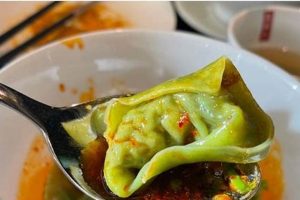
Plant-based choices within Chinese cuisine represent a growing segment of the culinary landscape. These dishes cater to individuals adhering to vegan principles, excluding all animal products, including meat, dairy, eggs, and sometimes honey. Examples range from vegetable stir-fries and tofu-based entrees to noodle dishes prepared without animal-derived ingredients.
The availability of such choices is increasingly vital due to rising consumer awareness of ethical and environmental concerns associated with animal agriculture. Furthermore, plant-based diets are often linked to health benefits, attracting individuals seeking nutritious and flavorful meals. Historically, vegetarianism has roots in Buddhist traditions within China, which contributed to a variety of dishes adaptable to fully plant-based requirements.
Consequently, the following sections will explore ingredient substitutions common in plant-based modifications of standard dishes, strategies for identifying suitable menu items, and considerations when ordering at restaurants. Nutritional aspects and potential challenges will also be discussed.
The following points offer guidance when seeking plant-based choices at establishments serving Chinese food.
Tip 1: Scrutinize Ingredient Lists. Many dishes that appear vegetable-based may contain hidden animal products, such as oyster sauce or fish sauce.
Tip 2: Inquire about Cooking Oil. Some establishments utilize animal-derived fats, like lard, in food preparation. Verify the type of oil used before ordering.
Tip 3: Request Modifications. Most dishes can be adapted to exclude meat or animal byproducts. Request tofu or extra vegetables in place of meat.
Tip 4: Beware of Egg-Based Noodles and Wrappers. Egg noodles are a common ingredient in many dishes. Opt for rice noodles or confirm that noodles are egg-free.
Tip 5: Consider Appetizers Carefully. Spring rolls, dumplings, and other appetizers may contain meat or animal-derived fillers. Confirm ingredients before ordering.
Tip 6: Explore Tofu Dishes. Tofu can be prepared in diverse ways. Consider dishes such as Mapo Tofu (ensure it is prepared without meat) or General Tso’s Tofu (specify plant-based preparation).
Tip 7: Utilize Translation Resources. Learn basic Chinese phrases related to plant-based eating to facilitate communication with restaurant staff. Phrases such as “I do not eat meat” or “Is this vegetarian/vegan?” can be beneficial.
Adhering to these precautions ensures informed decision-making when selecting options aligned with dietary restrictions.
The subsequent section will address common misconceptions about plant-based eating in this culinary context.
1. Ingredient Verification

Ingredient verification forms a cornerstone of accessing authentic plant-based choices within Chinese cuisine. The potential for animal-derived components to be integrated into seemingly vegetarian dishes necessitates a rigorous approach to confirm the absence of non-vegan ingredients. The cause of this requirement lies in the widespread use of sauces, broths, and cooking oils that may contain hidden animal products. Without adequate ingredient verification, consumers are at risk of inadvertently consuming non-compliant food items. A real-life example is encountering a vegetable stir-fry prepared with oyster sauce, rendering it unsuitable for vegan consumption despite its visual appearance. The practical significance of understanding this connection is empowering informed dietary decisions and mitigating potential health or ethical conflicts.
Further analysis reveals that meticulous verification must extend beyond primary ingredients to encompass additives, flavorings, and processing aids. For instance, certain types of soy sauce may undergo clarification processes involving animal-derived agents. Similarly, seemingly innocuous items, such as spring roll wrappers, can contain lard or other animal fats. Practical application involves not only questioning restaurant staff about specific ingredients but also scrutinizing product labels and seeking out establishments that explicitly cater to plant-based diets. Moreover, familiarizing oneself with common non-vegan ingredients in Chinese cooking, such as fish sauce, shrimp paste, and bone broth, aids in proactive identification and avoidance.
In summary, ingredient verification is indispensable for achieving a reliable selection of plant-based Chinese dishes. The key insight lies in recognizing the potential for hidden animal products throughout the cooking process. While challenges exist, the proactive pursuit of ingredient clarity, coupled with heightened awareness of potential pitfalls, enables consumers to navigate the culinary landscape with confidence. This careful attention ensures alignment with dietary principles and contributes to a positive and informed dining experience.
2. Sauce Composition

Sauce composition is a critical determinant in identifying plant-based choices within Chinese cuisine. Many traditional Chinese sauces utilize animal-derived ingredients, necessitating careful evaluation to ensure suitability for those adhering to vegan diets.
- Oyster Sauce Replacement
Oyster sauce, a common ingredient adding umami flavor, is derived from oysters. Plant-based alternatives, such as mushroom-based “oyster sauce” or a blend of soy sauce, sugar, and mushroom broth, provide similar flavor profiles without animal products. Restaurants utilizing these substitutions expand offerings for those seeking compliant meals.
- Fish Sauce Substitution
Fish sauce, another source of umami, is produced from fermented fish. Acceptable substitutes include seaweed-based extracts or fermented soy-based sauces, such as tamari or a high-quality soy sauce enhanced with a touch of rice vinegar and sweetener. Clear communication with the restaurant is essential to confirm substitution practices.
- Hoisin Sauce Variations
While some commercially available hoisin sauces are plant-based, others contain honey. Scrutinizing ingredient lists or opting for homemade versions allows for complete control over constituents. A plant-based hoisin can be created using fermented bean curd, soy sauce, sesame paste, garlic, vinegar, and spices.
- Hidden Animal Fats
Some sauces incorporate rendered animal fats, such as lard or chicken fat, for added richness and flavor. These fats are often not explicitly listed in descriptions. Direct inquiry regarding the types of fats and oils utilized in sauce preparation is essential to ensure compliance with plant-based restrictions.
The composition of sauces profoundly influences the suitability of Chinese dishes for vegan consumption. Awareness of common non-vegan ingredients and proactive inquiry concerning substitutions enable individuals to navigate menus effectively and enjoy plant-based meals confidently. The ongoing development and adoption of plant-based sauce alternatives contribute significantly to increasing the availability of suitable options within this culinary tradition.
3. Cooking Methods

Cooking methods significantly impact the availability and integrity of plant-based choices in Chinese cuisine. Cross-contamination during food preparation is a primary concern. If woks, cooking surfaces, or utensils are used for both meat-containing and plant-based dishes, the latter may become unsuitable for strict vegans due to trace amounts of animal products. This is particularly relevant in stir-frying, where a single wok is often used for numerous dishes sequentially. A vegetable stir-fry, even if composed entirely of plant-based ingredients, can be compromised if cooked in a wok previously used for meat without thorough cleaning. Understanding this cause-and-effect relationship is crucial for informed ordering. The practical significance lies in the need to inquire about the restaurant’s food preparation practices to minimize the risk of cross-contamination.
Different cooking methods can also influence the flavor and texture of plant-based proteins, such as tofu, which is a common meat substitute. Techniques like deep-frying, stir-frying, and braising impart distinct characteristics. Deep-frying creates a crispy exterior, while stir-frying allows tofu to absorb the flavors of accompanying sauces and vegetables. Braising tenderizes the tofu and infuses it with a rich, savory taste. Selecting a cooking method that complements the chosen ingredients is critical for culinary success. For example, Mapo Tofu, a Sichuan dish, typically involves braising tofu in a spicy sauce, creating a dish that is both flavorful and texturally appealing. Alternatively, crispy fried tofu with a sweet and sour sauce offers a different, yet equally satisfying, dining experience. Careful consideration of cooking methods expands the range of palatable plant-based options.
In conclusion, awareness of cooking methods is paramount when seeking authentic plant-based Chinese food. Cross-contamination presents a considerable challenge that requires proactive communication with restaurant staff. The versatility of cooking techniques, such as stir-frying, braising, and deep-frying, offers diverse avenues for preparing flavorful and satisfying plant-based dishes. Recognizing these aspects ensures alignment with dietary principles and enhances the overall dining experience. Overcoming challenges through informed inquiry empowers consumers to navigate the culinary landscape effectively and enjoy the diverse range of plant-based possibilities that Chinese cuisine offers.
4. Hidden Animal Products

The presence of concealed animal-derived ingredients significantly complicates the selection of compliant meals within the realm of Chinese cuisine. Seemingly innocuous dishes often contain unexpected non-vegan components, necessitating careful scrutiny to ensure adherence to dietary restrictions. The following facets illuminate common sources of these covert ingredients.
- Oyster Sauce as a Flavor Enhancer
Oyster sauce, a prevalent flavor enhancer in many Chinese dishes, is derived from oysters. Its subtle umami flavor often goes undetected, making it a common culprit in deceiving those seeking plant-based options. The inclusion of oyster sauce renders dishes like vegetable stir-fries and noodle dishes unsuitable for vegan consumption despite their apparent lack of meat. To overcome this, individuals must specifically inquire about the presence of oyster sauce and request alternatives like mushroom-based substitutes.
- Fish Sauce in Vegetable Dishes
Similar to oyster sauce, fish sauce, made from fermented fish, imparts a savory depth to numerous dishes. It is frequently incorporated into vegetable preparations, soups, and sauces to enhance their flavor profiles. The pungent aroma of fish sauce may not always be readily apparent, further obscuring its presence. Vegans must exercise vigilance by confirming the absence of fish sauce when ordering dishes that appear to be predominantly vegetable-based, opting instead for soy sauce or tamari.
- Animal-Derived Cooking Oils and Fats
Some establishments utilize animal fats, such as lard or chicken fat, in the cooking process. These fats can be used for stir-frying, deep-frying, or to add richness to sauces. The use of animal fats is often not explicitly stated, making it difficult to identify. Individuals must inquire about the types of oils and fats used, specifying their preference for plant-based alternatives like vegetable oil, peanut oil, or sesame oil. This level of detail is crucial in preventing inadvertent consumption of animal products.
- Gelatin in Soups and Desserts
Gelatin, derived from animal collagen, is occasionally used as a thickening agent in soups and desserts. While less common than other hidden animal products, its presence can invalidate a seemingly vegan dish. Individuals must ascertain whether gelatin is used in the preparation of soups, sauces, or sweet treats, opting for plant-based thickeners like cornstarch or agar-agar instead. This proactive approach safeguards against unintended consumption and ensures adherence to dietary requirements.
The identification of these hidden animal products requires diligent inquiry and a heightened awareness of common culinary practices in Chinese cooking. By scrutinizing ingredient lists, posing specific questions to restaurant staff, and familiarizing themselves with plant-based alternatives, individuals can effectively navigate the complexities and enjoy authentic yet compliant Chinese food.
5. Tofu Versatility

Tofu’s adaptability directly impacts the breadth and quality of plant-based choices within Chinese cuisine. Its neutral flavor profile and varying textures render it a suitable substitute for meat in diverse dishes, thereby expanding options for individuals adhering to vegan principles. The cause of this connection stems from tofu’s capacity to absorb flavors and mimic the textures of animal proteins. Without tofu’s versatility, plant-based alternatives within this culinary tradition would be significantly limited. Mapo Tofu, featuring silken tofu in a spicy sauce, and General Tso’s Tofu, employing deep-fried tofu in a sweet and savory glaze, exemplify tofu’s successful transformation into satisfying meatless meals. Understanding this versatility enables restaurants to create appealing offerings, while empowering consumers to confidently select plant-based meals.
Further analysis reveals that tofu can be prepared using numerous cooking techniques, further enhancing its applicability. It can be stir-fried, deep-fried, braised, steamed, or even used in cold dishes. Each method imparts a distinct texture and flavor profile, demonstrating tofu’s remarkable transformability. For instance, firm tofu, when pressed and stir-fried, develops a chewy texture reminiscent of chicken. Silken tofu, on the other hand, lends itself to creamy sauces and desserts. Furthermore, various types of tofu exist, including silken, soft, medium, firm, and extra-firm, each possessing unique characteristics that make it suitable for specific applications. Restaurants leverage this diversity to create innovative dishes that showcase the full potential of tofu, ultimately broadening the scope of plant-based choices.
In summary, tofu’s versatility is a cornerstone of plant-based Chinese cuisine. Its ability to mimic meat textures, absorb flavors, and adapt to various cooking methods significantly increases the availability and appeal of plant-based dishes. While challenges, such as varying quality and preparation techniques, exist, the proactive utilization of tofu’s diverse forms and properties enriches the dining experience and empowers consumers to enjoy flavorful and satisfying vegan meals within this culinary tradition.
6. Noodle Selection

Noodle selection holds significant weight within the context of plant-based modifications to Chinese cuisine. The composition of noodles frequently includes egg, a non-vegan ingredient, necessitating careful evaluation and informed decisions to ensure compliance with dietary restrictions.
- Egg Noodle Prevalence
Many standard noodle varieties commonly used in Chinese dishes, such as lo mein and chow mein, contain egg as a binding agent. This renders these noodles unsuitable for vegan consumption. The prevalence of egg noodles requires patrons to diligently inquire about ingredients and request alternatives to ensure that the selected dish aligns with plant-based dietary requirements.
- Rice Noodle Availability
Rice noodles, derived from rice flour and water, offer a plant-based alternative to egg noodles. Varieties such as vermicelli, wide rice noodles, and ho fun are generally free of animal products. The availability of rice noodles provides a viable option for adapting traditional Chinese noodle dishes to suit vegan preferences. However, it remains critical to verify that these rice noodles are not coated or prepared with non-vegan ingredients.
- Wheat Noodle Scrutiny
Certain wheat noodles, while not inherently containing egg, may be manufactured using processes that involve animal-derived ingredients or cross-contamination. Careful scrutiny of ingredient lists and manufacturing practices becomes essential to identify truly plant-based wheat noodle options. Sourcing noodles from reputable suppliers with transparent production methods can help minimize this risk.
- Noodle Preparation Considerations
Even when selecting inherently plant-based noodles, the preparation methods can introduce non-vegan elements. Noodles may be stir-fried in animal fats or tossed with sauces containing oyster sauce or fish sauce. Awareness of these potential pitfalls and proactive communication with restaurant staff are vital to ensure that noodle dishes are prepared without any animal-derived ingredients.
Noodle selection directly influences the accessibility of Chinese dishes compatible with vegan requirements. Careful consideration of noodle composition, manufacturing practices, and preparation methods is paramount. By prioritizing rice noodles and scrutinizing wheat-based options, alongside clear communication regarding desired preparation techniques, patrons can effectively navigate menus and enjoy satisfying plant-based noodle dishes within this culinary tradition.
7. Cross-Contamination Risks

Cross-contamination poses a significant challenge to individuals seeking plant-based options within Chinese cuisine. The shared cooking equipment and food preparation areas common in many restaurants can lead to unintentional exposure to animal products, even in dishes intended to be vegan. This risk necessitates a heightened awareness and proactive communication with restaurant staff.
- Wok Usage
Woks, the primary cooking vessels in Chinese cuisine, are often used sequentially for various dishes, including those containing meat, seafood, and eggs. Without thorough cleaning between each dish, residual animal products can transfer to subsequent preparations, rendering plant-based items unsuitable for strict vegans. This risk is particularly pronounced in stir-fries, where sauces and oils from previous dishes may cling to the wok’s surface. To mitigate this, requesting that the wok be thoroughly cleaned before preparing a vegan dish is essential.
- Shared Utensils
Using the same utensils for handling both meat-containing and plant-based ingredients introduces another avenue for cross-contamination. Spoons, spatulas, and cutting boards that come into contact with animal products can transfer trace amounts of those products to vegan ingredients. Dedicated utensils for plant-based preparations significantly reduce this risk. Inquiring about the restaurant’s utensil handling practices and requesting the use of clean, separate utensils is crucial.
- Deep-Frying Practices
Deep-frying presents a substantial cross-contamination risk when the same oil is used to fry both animal and plant-based items. Oil readily absorbs flavors and particles from the food cooked within it, leading to potential contamination of vegan items with animal fats and proteins. Verifying that separate fryers or dedicated oil is used for plant-based preparations is essential to avoid this form of cross-contamination. Asking specific questions about deep-frying practices, such as “Is a separate fryer used for tofu and vegetables?”, can provide clarity and reassurance.
- Cutting Board Surfaces
Cutting boards used to prepare raw meat, poultry, or seafood can harbor bacteria and leave behind microscopic traces of animal products. Using the same cutting board for preparing vegetables or tofu can result in cross-contamination, even if the board appears clean. Asking if separate cutting boards are used for meat and vegetables is a necessary precaution. Requesting that vegetables be prepared on a clean, sanitized cutting board minimizes this risk.
These facets of cross-contamination underscore the complexities of ensuring truly plant-based meals in Chinese restaurants. While many establishments are becoming more aware of dietary restrictions, proactive communication and a clear understanding of potential contamination points remain critical for vegans seeking to navigate the menu successfully. The availability of dedicated cooking equipment and the willingness of restaurant staff to accommodate specific requests greatly contribute to minimizing these risks and enhancing the dining experience.
Frequently Asked Questions
The following questions address common concerns and misconceptions regarding plant-based choices within Chinese cuisine, aiming to provide clarity and inform dietary decisions.
Question 1: Are vegetarian dishes in Chinese restaurants automatically vegan?
No. Many vegetarian dishes contain egg or dairy or sauces like oyster sauce and fish sauce. Careful inquiry is required to ensure the absence of all animal products.
Question 2: What are some reliable plant-based protein sources in Chinese cuisine?
Tofu is the most prevalent protein source, appearing in various forms and preparations. Seitan (wheat gluten) is sometimes available, though less common. Mock meats made from plant proteins are also utilized.
Question 3: How can cross-contamination be avoided in a Chinese restaurant setting?
Request that the cooking surfaces and utensils be thoroughly cleaned before the meal is prepared. Specifically inquire about oil usage for deep-fried items, ensuring that separate oil is used for plant-based foods.
Question 4: Are all soy sauces plant-based?
Most soy sauces are plant-based; however, some may contain honey or other additives. Tamari, a Japanese-style soy sauce, is typically wheat-free and plant-based, offering a suitable alternative. Verify ingredient lists when possible.
Question 5: What are common sauces to avoid when seeking plant-based Chinese food?
Oyster sauce, fish sauce, shrimp paste, and hoisin sauce (depending on the brand) are common culprits. Request dishes prepared without these sauces, opting for soy sauce-based alternatives.
Question 6: Can modifications to existing menu items guarantee a truly vegan dish?
While modifications are helpful, they cannot guarantee a fully compliant meal. Thorough communication with restaurant staff regarding all ingredients and preparation methods is paramount to minimize the risk of hidden animal products or cross-contamination.
In summary, navigating plant-based selections within Chinese cuisine requires diligent inquiry and awareness of potential pitfalls. The key lies in proactive communication and informed decision-making.
The following section will provide a concluding summary of this topic.
Chinese Food Vegan Options
This exploration has underscored the intricacies inherent in procuring plant-based alternatives within Chinese culinary offerings. The potential for hidden animal products in sauces, cooking oils, and preparation methods necessitates diligent inquiry and a comprehensive understanding of ingredients. The versatility of tofu and the availability of rice noodles present viable options, yet cross-contamination remains a persistent concern requiring proactive mitigation strategies.
The informed consumer, armed with knowledge of potential pitfalls and a commitment to clear communication with restaurant personnel, can successfully navigate the challenges and enjoy authentic, compliant meals. Increased awareness and demand for plant-based choices will drive further innovation and transparency within the Chinese food industry, fostering greater accessibility and confidence in dietary selections.