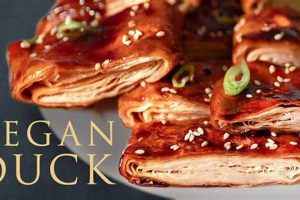
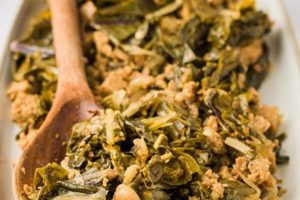
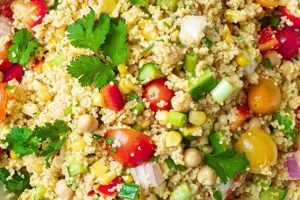
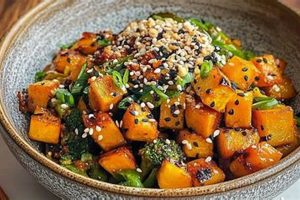
Plant-based culinary creations gain a distinctive depth of flavor through the application of smoke. This process involves exposing vegan ingredients, such as vegetables, tofu, and plant-based proteins, to smoke generated from wood or other fuel sources. The resultant dishes offer a unique sensory experience, characterized by smoky notes that enhance the natural taste profiles of the components. An example includes smoked paprika tofu, where the tofu absorbs the smoky essence during the smoking process.
The introduction of smoky flavors to vegan cuisine significantly broadens its appeal. It allows for the replication of flavors often associated with traditional meat-based dishes, making plant-based meals more accessible and satisfying for a wider audience. Historically, smoking was primarily used for preservation; however, its application in modern vegan cooking primarily focuses on flavor enhancement. The technique introduces complexity and richness, often lacking in simpler vegan preparations, therefore offering a more compelling culinary experience.
The subsequent sections will explore diverse methods for achieving optimal results when incorporating this flavoring technique. It will further discuss appropriate equipment choices, suitable ingredients, and specific recipes designed to showcase the transformative power of introducing a specific flavor to plant-based meals.
Enhancing Plant-Based Dishes With Smoke
Achieving optimal results when infusing plant-based ingredients with smoky flavors requires careful consideration of technique, ingredients, and equipment. The following guidelines offer practical advice for maximizing the potential of such flavor combinations.
Tip 1: Wood Selection: The choice of wood significantly impacts the final flavor profile. Hardwoods, such as hickory and mesquite, impart a strong, assertive smokiness, suitable for robust vegetables and plant-based meats. Fruit woods, like apple and cherry, offer a milder, sweeter smoke, ideal for delicate items like tofu and certain vegetables.
Tip 2: Temperature Control: Maintaining a consistent low temperature is crucial for preventing overcooking and ensuring even smoke absorption. An ideal smoking temperature range is between 200F and 250F (93C and 121C). Utilizing a reliable thermometer is essential for monitoring and adjusting the heat as needed.
Tip 3: Pre-Smoking Preparation: Proper preparation of ingredients enhances smoke penetration. Marinating tofu, for example, not only adds flavor but also helps the smoke adhere to the surface. Similarly, lightly coating vegetables with oil or sauce facilitates smoke absorption.
Tip 4: Moisture Management: Introducing moisture into the smoker, through a water pan or periodic spritzing, prevents ingredients from drying out during the prolonged smoking process. Maintaining humidity helps the smoke adhere better, leading to a more pronounced smoky flavor.
Tip 5: Smoke Duration: Over-smoking can result in a bitter, acrid taste. The optimal smoking duration varies based on the ingredient and desired intensity. Generally, shorter durations are suitable for delicate items, while denser ingredients can withstand longer exposure.
Tip 6: Equipment Considerations: While dedicated smokers offer optimal control, alternative methods, such as stovetop smokers or grill smoking with wood chips, can also achieve satisfactory results. The choice of equipment should align with the available resources and desired level of control.
Tip 7: Experimentation and Refinement: Developing expertise requires experimentation. Careful note-taking regarding wood types, smoking times, and temperature settings allows for refining techniques and achieving consistently desirable outcomes.
Adhering to these fundamental principles enhances the creation of flavorful and nuanced plant-based dishes. Strategic selection of wood, precise temperature management, thoughtful preparation, and judicious application of smoke contribute to elevated culinary experiences.
The subsequent conclusion will summarize the article’s key points and offer final thoughts on the broader potential of the technique to create exciting and accessible plant-based options.
1. Wood Selection

The choice of wood is a determining factor in the flavor profile of plant-based meals prepared using smoke. Different wood types impart unique characteristics, impacting the overall taste experience of the finished dish. Strategic wood selection allows for the creation of nuanced, complex tastes, enhancing the appeal of vegan cuisine.
- Hardwoods vs. Softwoods
Hardwoods, such as hickory, oak, and mesquite, are generally favored for providing a robust, intense flavor. They burn longer and cleaner, offering a consistent smoke. Softwoods, like pine or fir, are unsuitable as they contain resins that produce acrid smoke, rendering the meal unpalatable. The appropriate application of hardwoods creates depth and complexity in smoked vegan items.
- Fruit Woods: Subtle Sweetness
Fruit woods, including apple, cherry, and pecan, impart a milder, sweeter smoke. These are well-suited for lighter ingredients such as tofu, tempeh, and delicate vegetables. Applewood, for instance, offers a subtly sweet flavor that complements tofu without overpowering its natural taste. Using these woods adds a gentle, pleasing sweetness.
- Flavor Pairing Considerations
Wood selection should align with the specific plant-based food being smoked. For heartier items like seitan or jackfruit, stronger woods like hickory or mesquite may be appropriate to create a bolder, more barbecue-like flavor. Delicate items benefit from fruit or nut woods, such as apple or pecan, so as not to overwhelm the food with excessive smoke. Knowing how wood flavor interacts with different ingredients enhances the final product.
- Wood Form: Chips, Chunks, and Pellets
The form of the wood influences the rate and intensity of smoke production. Wood chips ignite quickly and produce smoke rapidly but burn out relatively fast. Wood chunks provide a slower, more sustained smoke. Wood pellets, commonly used in pellet smokers, offer consistent heat and smoke. Choosing the right form for equipment and recipe needs affects the ability to maintain consistent temperatures and smoke quality.
In summary, the selection of wood profoundly influences the overall taste and aroma of meals that have been enhanced by smoke. Consideration of wood type, flavor pairing, and wood form ensures effective application of the smoking technique for optimal results when incorporating this enhancement into vegan recipes.
2. Temperature Control

Precise temperature control is paramount when incorporating smoke into plant-based meals. Inadequate management of heat can lead to undesirable outcomes, compromising the flavor and texture of the vegan ingredients. Therefore, a thorough understanding of temperature’s influence is essential for successful culinary applications.
- Low and Slow Smoking Principles
The “low and slow” approach, typically involving temperatures between 200F and 250F (93C and 121C), is often ideal for plant-based ingredients. This prolonged exposure allows for thorough smoke penetration without causing excessive dryness or charring. For instance, smoking tofu at a higher temperature can result in a tough, unpalatable exterior while failing to infuse the interior with the desired smoky flavor. Precise regulation is critical to maximize the process.
- Impact on Texture and Moisture Retention
High temperatures tend to accelerate moisture loss, leading to dry and unappetizing plant-based products. Tofu, mushrooms, and other vegetables are particularly susceptible to this effect. Maintaining a consistent low temperature, often in conjunction with a water pan within the smoker, helps preserve moisture content and maintain a desirable texture. The internal moistness of an ingredient is directly proportional to maintaining a low smoking temperature.
- Smoke Absorption Dynamics
Smoke absorption is optimized within a specific temperature range. Too low, and the smoke may not effectively adhere to the surface of the ingredients. Too high, and the surface may prematurely seal, inhibiting further penetration. The optimal temperature range facilitates the efficient deposition of smoke compounds onto and into the vegan food items, contributing to a more pronounced and balanced flavor profile. The efficiency of smoke absorption hinges on a consistent temperature.
- Equipment Calibration and Monitoring
Achieving and maintaining precise temperature control necessitates the use of calibrated thermometers and reliable smoking equipment. Inaccurate temperature readings can lead to significant discrepancies in cooking times and overall quality. Regular monitoring and adjustment are essential to compensate for fluctuations caused by external factors, such as ambient temperature and wind. Precision instruments are essential for successful implementation.
The successful infusion of smoky flavors into plant-based meals hinges on the careful regulation of temperature. By adhering to the principles of low and slow smoking, safeguarding moisture content, optimizing smoke absorption dynamics, and employing calibrated equipment, culinary practitioners can consistently achieve desirable and delicious results. A mastery of temperature control unlocks the full potential of smoked vegan recipes.
3. Ingredient Preparation

Effective ingredient preparation is not merely a preliminary step, but an integral determinant of the final quality of meals that incorporate smoke. The manner in which components are handled before exposure to smoke directly influences flavor absorption, texture development, and overall palatability, especially within the context of dishes that focus on plant-based items.
- Marinating and Brining: Enhancing Flavor Absorption
Marinating and brining techniques are crucial for maximizing the absorption of both flavor and moisture in plant-based ingredients. Tofu, for example, benefits significantly from a marinade containing soy sauce, garlic, and ginger. This process not only imparts initial flavor but also primes the ingredient for more effective smoke penetration. Brining, similarly, helps retain moisture, preventing the plant-based protein from drying out during the extended smoking process. These preliminary steps are indispensable for yielding a succulent, flavorful outcome.
- Surface Modification: Facilitating Smoke Adhesion
The surface characteristics of ingredients can either promote or inhibit smoke adhesion. For items with naturally smooth surfaces, such as certain vegetables, lightly coating them with oil or a sauce prior to smoking facilitates the adherence of smoke particles. This creates a more pronounced smoky flavor. Conversely, ingredients with excessive surface moisture may repel smoke; patting them dry beforehand can rectify this issue, ensuring a more uniform application of smoke flavor.
- Size and Shape Considerations: Optimizing Smoke Penetration
The size and shape of the ingredients affect the rate and depth of smoke penetration. Smaller, uniformly cut pieces absorb smoke more quickly and evenly than larger, irregular ones. When working with denser items, such as root vegetables, consider cutting them into smaller pieces or scoring them to increase surface area and expedite smoke absorption. Uniformity in size and shape promotes consistent flavoring throughout the finished dish.
- Pre-Cooking or Blanching: Controlling Texture and Cooking Time
Some vegetables benefit from pre-cooking or blanching prior to smoking. This can help to soften their texture, reduce overall smoking time, and prevent them from becoming overly charred or bitter. For example, carrots and potatoes can be parboiled before smoking to ensure they reach the desired tenderness. This controlled pre-cooking process allows for more precise manipulation of the final texture and flavor balance of the smoked plant-based dish.
These considerations illustrate that ingredient preparation is far more than a preliminary measure; it is an essential, active component in the creation of satisfying culinary experiences. Thorough and thoughtful handling of plant-based ingredients before smoking greatly influences the ultimate texture, flavor, and overall appeal of plant-based creations.
4. Smoke Duration

The duration of smoke exposure significantly impacts the final characteristics of plant-based meals. It dictates the intensity of the flavor imparted, affecting the overall sensory profile of the finished product. The precise length of time ingredients are exposed to smoke determines whether a subtle enhancement or an overwhelming bitterness predominates. Over-smoking can render delicate vegetables inedible, while insufficient smoking leaves larger plant-based proteins lacking in the desired smoky essence. Achieving the appropriate duration is, therefore, critical to successful execution. An example: delicate tofu may only require 1-2 hours of smoke, whereas a dense jackfruit roast might benefit from 4-6 hours.
The effects of smoke exposure are not linear. The rate of flavor absorption diminishes over time. The initial hours of smoking typically yield the most pronounced changes, while subsequent hours contribute more subtle nuances. Monitoring the color and aroma of the ingredients provides valuable feedback, allowing for adjustments to the duration as needed. For example, if a plant-based roast starts developing a very dark exterior early in the process, adjusting the smoke source or slightly reducing the duration can prevent excessive charring. The practical application of this knowledge ensures a balanced flavor profile.
The relationship between smoke duration and product quality is complex and requires careful consideration of multiple variables, including the type of wood used, the temperature maintained, and the density of the plant-based ingredient. Mastering the duration of smoke exposure is fundamental to producing consistently delicious and texturally pleasing vegan dishes. Challenges arise from variations in equipment and environmental conditions, necessitating continuous refinement of technique. The benefits of this mastery extend to expanded culinary possibilities within the realm of vegan cuisine.
5. Moisture Balance

Maintaining appropriate moisture levels is a critical factor in the successful preparation of plant-based items that have been infused with smoke. The inherent composition of many vegan ingredients necessitates careful attention to moisture to prevent desiccation and ensure optimal flavor absorption during the smoking process.
- Water Pan Implementation
The inclusion of a water pan within the smoking apparatus is a common technique for maintaining humidity. The evaporating water introduces moisture into the smoking environment, mitigating the drying effects of prolonged heat exposure. This is especially relevant when smoking items such as tofu, which can become excessively firm and lose palatability if subjected to dry heat for extended periods. Without such humidity controls, the resulting texture can be compromised.
- Ingredient Brining and Marinating
Prior to smoking, brining or marinating plant-based proteins and vegetables can enhance moisture retention. These techniques involve immersing the ingredients in a liquid solution, allowing them to absorb moisture and flavor. When smoking tofu, for example, a marinade containing soy sauce and herbs can both hydrate the protein and infuse it with flavor compounds. Marinating not only adds flavor complexity but, more importantly, counteracts the potential drying effects of the smoking process, resulting in a more succulent final product.
- Surface Spritzing and Basting
During the smoking process, periodic spritzing or basting can replenish surface moisture and prevent the exterior of ingredients from becoming overly dry. This technique involves applying a liquid, such as apple juice or vegetable broth, to the surface of the food item. By maintaining surface moisture, the ingredients are better able to absorb smoke flavor and retain their internal hydration. Consistent basting or spritzing is particularly important for large items, such as plant-based roasts, which are susceptible to drying out over long smoking durations.
- Wood Selection and Soaking Considerations
The type of wood used and its moisture content influence the overall humidity of the smoking environment. Soaking wood chips or chunks in water prior to adding them to the smoker generates steam, contributing to increased humidity levels. This is particularly beneficial when smoking delicate items that are prone to drying out. The choice between dry and soaked wood, and the particular wood variety, should be informed by the specific moisture requirements of the ingredients being smoked.
These considerations illustrate that strategic management of moisture is integral to the creation of high-quality, flavorful vegan items infused with smoke. Implementing techniques to enhance moisture retention ensures that the finished dishes are both texturally pleasing and possess the desired smoky flavor profile.
6. Equipment Choice

The selection of appropriate equipment exerts a significant influence on the outcome of culinary endeavors involving plant-based meals that have been enhanced with smoke. Equipment determines the precision of temperature control, the consistency of smoke dispersal, and, ultimately, the success of achieving desired flavor profiles. For example, a dedicated electric smoker affords precise temperature regulation, ensuring that delicate vegan cheeses do not melt prematurely, while simultaneously infusing them with a consistent smoky essence. Conversely, attempting to smoke such items in an uncontrolled open grill, absent of suitable modification, is likely to result in undesirable outcomes.
Diverse equipment options exist, each presenting unique advantages and disadvantages. Traditional offset smokers, while capable of generating intense smoke flavors, demand considerable skill and attention to maintain stable temperatures, potentially leading to inconsistent results for novice users. Alternatively, pellet smokers offer automated temperature control and consistent smoke generation, simplifying the process and making it accessible to a broader range of individuals. Stovetop smokers provide a compact solution for indoor use, albeit with limited capacity and less intense smoke profiles. The application of liquid smoke, while a shortcut, is distinct from traditional methods and offers limited control over subtle flavor nuances. The practical significance of understanding these differences is paramount: selecting the equipment best suited to skill level and desired outcome is essential for reproducible success.
In conclusion, the choice of equipment is an indispensable component when incorporating smoky notes into plant-based dishes. Mastery of these techniques requires careful consideration of the equipment’s capabilities, limitations, and suitability for various plant-based ingredients. Understanding the interplay between equipment functionality and culinary objective enables the consistent production of flavorful, texturally satisfying meals. This understanding is key to navigating the spectrum of options and ensuring the effective translation of culinary vision into palatable reality.
Frequently Asked Questions
The following addresses frequently encountered inquiries regarding the application of smoke to plant-based meals. These answers aim to clarify common points of confusion and offer practical guidance for achieving optimal results.
Question 1: What wood type is most suitable for imparting smoke to tofu?
Fruit woods, such as apple or cherry, are generally recommended for tofu. These woods impart a subtle sweetness that complements the mild flavor profile of tofu without overpowering it. Stronger woods, like hickory or mesquite, can often overwhelm the delicate flavor.
Question 2: How can excessive dryness be avoided when incorporating smoke?
Moisture management is crucial. Employing a water pan within the smoking apparatus generates humidity and prevents plant-based ingredients from drying out. Additionally, marinating or brining ingredients before smoking assists in retaining moisture.
Question 3: What temperature range is optimal for plant-based smoking?
A temperature range between 200F and 250F (93C and 121C) is generally recommended. This “low and slow” approach allows for thorough smoke penetration without causing excessive dehydration or charring.
Question 4: Is specialized equipment necessary for effective results?
While specialized equipment such as dedicated smokers provides optimal control, satisfactory results can also be achieved using modified grills or stovetop smokers. The choice of equipment depends on available resources and desired level of precision.
Question 5: Can liquid smoke be substituted for traditional smoking techniques?
Liquid smoke offers a convenient alternative but lacks the nuanced flavor profile of traditional smoking methods. It should be used sparingly and with caution, as excessive application can result in an artificial and overpowering taste.
Question 6: What are common indicators of over-smoking?
Bitterness, acrid flavors, and excessive charring are common indicators of over-smoking. Monitoring the color and aroma of the ingredients and adjusting the smoking duration accordingly is essential to prevent over-smoking.
In summary, successful application of these flavor-enhancing techniques to plant-based cuisine hinges on careful consideration of wood selection, moisture management, temperature control, and monitoring.
The subsequent section will explore advanced methods, providing in-depth analyses of complex techniques.
Concluding Thoughts
This exploration of the art of smoked vegan recipes has illuminated the critical elements that contribute to successful outcomes. Considerations such as wood selection, precise temperature regulation, ingredient preparation, and the duration of smoke exposure are not merely procedural steps, but rather, determining factors in achieving rich and complex flavor profiles. The strategic application of these principles allows for the creation of plant-based dishes that rival, and in some instances surpass, their meat-based counterparts in terms of taste and texture.
As the demand for plant-based culinary options continues to expand, mastering techniques like these becomes increasingly important. Experimentation with diverse ingredients and precise methodology represent future directions in this sphere. Those who embrace these methods will lead the way in developing innovative, sustainable, and delicious plant-based cuisine, offering a pathway towards a more conscious and flavorful culinary landscape.