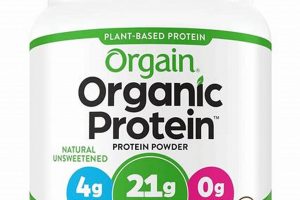
Plant-derived protein concentrates, devoid of artificial or natural sweetening agents, offer a dietary supplement option. These products furnish a concentrated source of amino acids derived from sources like peas, brown rice, or soy, providing a building block for tissue repair and muscle synthesis without added sugars or alternative sweeteners.
The significance of such formulations lies in their suitability for individuals with specific dietary requirements or preferences. Those monitoring sugar intake, managing diabetes, or seeking to minimize exposure to artificial additives may find these unsweetened protein sources beneficial. Historically, the availability of unflavored, unsweetened options has been limited, reflecting a growing consumer demand for cleaner, more customizable nutritional supplements.
The following sections will delve deeper into the specific plant-based sources utilized in these formulations, explore the nutritional profiles offered, and examine the practical applications for health and fitness goals. Furthermore, the process of selecting a suitable product will be addressed, focusing on factors like protein content, amino acid profile, and ingredient purity.
Practical Considerations for Utilizing Plant-Based, Unsweetened Protein Concentrates
Maximizing the benefits of plant-derived protein isolates that are free from added sweeteners requires careful consideration of several factors. These suggestions aim to guide individuals in integrating these products effectively into their dietary regimens.
Tip 1: Ingredient Assessment: Prioritize a thorough examination of the ingredient list. Verify that the sole source of protein originates from identifiable plant sources such as pea, brown rice, or soy. Exclude products containing artificial colors, flavors, or fillers.
Tip 2: Amino Acid Profile Evaluation: Evaluate the amino acid composition of the protein source. Certain plant proteins may be lower in specific essential amino acids, such as lysine or methionine. Consider combining different plant-based protein sources to ensure a complete amino acid profile.
Tip 3: Flavor Customization: Due to the absence of sweeteners, these products possess a neutral or naturally earthy flavor. Enhance palatability by incorporating unsweetened additions such as berries, vegetables, nut butters, or spices into shakes and smoothies.
Tip 4: Digestive Tolerance Monitoring: Plant-based proteins can sometimes cause gastrointestinal distress in sensitive individuals. Initiate consumption with small servings and gradually increase the dosage to assess tolerance and minimize potential bloating or discomfort.
Tip 5: Protein Content Calculation: Accurately calculate protein needs based on individual activity levels and fitness goals. Adjust serving sizes accordingly to meet daily protein requirements without exceeding caloric intake.
Tip 6: Blending Technique Optimization: Achieve a smoother consistency by employing a high-speed blender or shaker bottle during preparation. This will prevent clumping and enhance the overall consumption experience.
Tip 7: Culinary Versatility Exploration: Extend usage beyond shakes and smoothies. Integrate the protein powder into baking recipes, oatmeal, or yogurt to augment protein content in a variety of meals.
Adhering to these guidelines will facilitate a more effective and enjoyable integration of unsweetened, plant-based protein concentrates into a balanced dietary plan, promoting optimal health and fitness outcomes.
The subsequent section will provide information on identifying reputable brands and sources for obtaining high-quality, plant-based, unsweetened protein concentrates.
1. Protein Source Variety

The composition of plant-based protein supplements, especially those without added sweetening agents, is significantly affected by the variety of protein sources employed. The selection of these sources dictates the product’s amino acid profile, digestibility, and overall nutritional value, making protein source variety a critical factor for consumers.
- Amino Acid Complementarity
Different plant protein sources possess varying concentrations of essential amino acids. Pea protein, for instance, is relatively high in lysine but lower in methionine and cysteine. Conversely, brown rice protein is often richer in methionine but lower in lysine. Combining different protein sources, such as pea and brown rice, can create a more complete amino acid profile, approaching that of animal-based proteins. This is vital for supporting muscle protein synthesis and overall health.
- Digestibility Considerations
The digestibility of plant proteins varies depending on the source and processing methods. Some individuals may experience digestive discomfort, such as bloating or gas, with certain plant proteins. For example, soy protein can be allergenic for some, while others might find it difficult to digest large quantities of certain bean-derived proteins. Source variety can help mitigate these issues by providing alternatives that are better tolerated by a wider range of individuals.
- Nutritional Diversity
Utilizing a diverse range of plant protein sources can contribute to a broader intake of micronutrients. For example, hemp protein contains omega-3 and omega-6 fatty acids, while chia seed protein provides fiber and antioxidants. Combining multiple sources ensures a more comprehensive nutrient profile, enhancing the overall health benefits of the protein supplement.
- Flavor Profile Influence
Each plant protein source imparts a unique flavor profile to the final product. Pea protein often has an earthy or slightly bitter taste, while brown rice protein is typically milder. Using a blend of different proteins can help to balance out these flavors, resulting in a more palatable product, especially in unsweetened formulations where there is no added sweetener to mask the natural tastes.
In conclusion, the variety of protein sources is a pivotal element in determining the overall quality and suitability of a plant-based, unsweetened protein supplement. A thoughtful selection of protein sources, considering amino acid profiles, digestibility, nutritional diversity, and flavor, is essential for creating a product that effectively meets the diverse needs and preferences of consumers seeking plant-based protein options.
2. Amino Acid Profile

The efficacy of plant-derived protein isolates devoid of sweetening agents is directly linked to their amino acid composition. Amino acids, the building blocks of proteins, play a crucial role in various physiological processes, including muscle protein synthesis, hormone production, and enzyme function. The completeness and bioavailability of these amino acids within a vegan protein powder significantly determine its nutritional value and potential benefits.
Plant-based proteins often exhibit incomplete amino acid profiles compared to animal-derived sources. This incompleteness stems from lower concentrations of certain essential amino acids, such as lysine, methionine, and tryptophan, in specific plant sources like rice or peas. For instance, a vegan protein powder solely derived from brown rice may be limiting in lysine, potentially hindering optimal muscle recovery and growth. To mitigate this, manufacturers commonly blend multiple plant protein sources, such as pea, brown rice, and quinoa, to achieve a more comprehensive amino acid profile akin to that of complete proteins. Furthermore, techniques like fermentation or enzymatic treatments can improve the bioavailability of amino acids in plant-based protein powders, enhancing their utilization by the body. A practical example is the increased use of sprouted brown rice protein to boost digestibility and amino acid availability.
In summary, understanding the amino acid profile of unsweetened, plant-based protein isolates is paramount for maximizing their nutritional impact. Challenges related to incomplete amino acid profiles can be addressed through strategic blending of protein sources and employing processing techniques that enhance bioavailability. Ultimately, careful consideration of the amino acid composition ensures that vegan protein powders can effectively support the health and fitness goals of individuals seeking plant-based protein supplementation.
3. Digestive Considerations

Digestive considerations are paramount when evaluating plant-derived protein supplements lacking sweetening agents. Plant-based proteins inherently contain compounds that can influence gastrointestinal function. These compounds, such as phytates and trypsin inhibitors, may hinder nutrient absorption and contribute to digestive discomfort in susceptible individuals. The absence of sweeteners in these products amplifies the awareness of these natural components, as sweeteners often mask or distract from the base ingredients’ inherent flavors and potential digestive effects.
The specific plant source significantly impacts digestibility. For example, soy protein may cause issues for individuals with sensitivities or allergies, while pea protein, though generally well-tolerated, can still lead to bloating in some. Processing methods, such as fermentation or enzymatic hydrolysis, can mitigate these digestive challenges by breaking down complex carbohydrates and reducing the levels of antinutritional factors. Therefore, assessing the ingredient list and processing techniques is critical when selecting a plant-derived, unsweetened protein product. Furthermore, starting with small serving sizes and gradually increasing intake allows for monitoring individual tolerance and minimizing potential gastrointestinal distress. The use of digestive enzymes may also be considered to aid in protein breakdown and absorption.
In conclusion, digestive considerations are intrinsic to the utilization of plant-based, unsweetened protein concentrates. Informed selection, based on ingredient awareness and processing methods, coupled with careful monitoring of individual tolerance, is essential for optimizing both the nutritional benefits and digestive comfort associated with these products. Overlooking these aspects can negate the intended health benefits and lead to adverse gastrointestinal experiences.
4. Flavor Neutrality

The defining characteristic of unsweetened, plant-derived protein concentrates is their inherent flavor neutrality. This absence of added sweeteners or flavorings results in a base product that presents a blank canvas for dietary customization. Flavor neutrality significantly influences the application and consumer acceptance of these protein supplements. It permits integration into diverse culinary preparations without imparting unwanted sweetness or conflicting flavor profiles. Real-life examples include incorporating the powder into savory dishes like soups or sauces, where a sweetened variant would be unsuitable. This neutrality enhances product versatility, expanding its use beyond traditional protein shakes.
The importance of flavor neutrality extends to individuals with specific dietary requirements or preferences. Those seeking to control their sugar intake, manage conditions like diabetes, or simply avoid artificial additives benefit from the unadulterated nature of these products. Further, flavor neutrality allows for the addition of natural flavorings and sweeteners tailored to individual tastes, providing greater control over the final product’s composition. This contrasts with pre-flavored protein powders, which limit customization options and may contain ingredients that do not align with individual dietary needs. A practical application is blending the powder with unsweetened almond milk and fresh berries to create a naturally sweetened and flavored protein shake.
In conclusion, flavor neutrality is a core attribute of unsweetened, plant-based protein concentrates, conferring versatility and customization capabilities. While the lack of inherent flavor may require active flavoring by the consumer, this attribute facilitates broader dietary integration and caters to individuals seeking greater control over their nutritional intake. The challenge lies in educating consumers on effective flavoring techniques to maximize product palatability and adherence to dietary regimens. Understanding and embracing flavor neutrality is key to fully leveraging the benefits of unsweetened, plant-derived protein supplementation.
5. Ingredient Purity

Ingredient purity is a foundational aspect of plant-based protein isolates devoid of added sweetening agents. The absence of sweeteners unmasks any impurities or contaminants present, rendering the selection of high-purity ingredients critical. Impurities can originate from various sources, including agricultural practices, manufacturing processes, and storage conditions. Contaminants such as heavy metals, pesticides, or residual solvents can compromise product safety and efficacy, potentially leading to adverse health effects. The cause-and-effect relationship is direct: compromised ingredient purity results in a compromised final product, negating many of the intended health benefits associated with vegan protein supplementation. Real-life examples include instances where protein powders have been recalled due to elevated levels of heavy metals, highlighting the practical significance of rigorous testing and quality control measures.
The importance of ingredient purity extends beyond safety considerations. It also impacts the bioavailability and digestibility of the protein. Impurities can interfere with the digestive process, reducing the absorption of amino acids and hindering muscle protein synthesis. Furthermore, certain contaminants can elicit allergic reactions or exacerbate existing health conditions. To ensure ingredient purity, manufacturers should implement comprehensive testing protocols throughout the production process. This includes sourcing ingredients from reputable suppliers, conducting regular laboratory analyses for contaminants, and adhering to stringent quality control standards. Consumers can also play a role by selecting products that have undergone third-party certification for purity and potency. Third-party certification programs independently verify product quality and provide an added layer of assurance regarding ingredient purity.
In summary, ingredient purity is an indispensable component of high-quality, plant-based protein powders lacking sweeteners. The absence of masking agents necessitates rigorous attention to sourcing, manufacturing, and testing protocols to minimize the risk of contamination and maximize the product’s safety and efficacy. While achieving absolute purity can be challenging, prioritizing ingredient purity through informed purchasing decisions and manufacturer accountability ensures that these supplements deliver the intended nutritional benefits without compromising consumer health. Addressing these challenges reinforces the broader theme of conscientious consumption and responsible manufacturing practices within the dietary supplement industry.
6. Dietary Suitability

Dietary suitability is a primary attribute of plant-based protein isolates without added sweeteners. The formulation addresses a spectrum of dietary needs and preferences often unmet by conventional protein supplements. Individuals with specific conditions, such as diabetes, sugar sensitivities, or artificial sweetener intolerances, find these products appropriate. Plant-derived protein powders lacking sweeteners offer a customizable base, allowing modification to align with diverse dietary protocols. This contrasts with pre-sweetened or flavored options, which may contain additives contraindicated for certain populations. A practical instance involves individuals adhering to ketogenic diets, where carbohydrate restriction is paramount. Unsweetened vegan protein powder permits protein supplementation without introducing unwanted carbohydrates that could disrupt ketosis. Dietary suitability functions as a key differentiator, providing a protein source adaptable to personalized nutritional requirements.
The importance of dietary suitability extends beyond specific medical conditions to encompass ethical and lifestyle choices. Individuals following vegan or vegetarian diets require plant-based protein sources to meet their nutritional needs. Unsweetened formulations eliminate the presence of animal-derived ingredients or byproducts, aligning with ethical considerations. Furthermore, these products accommodate individuals prioritizing clean eating or mindful consumption. The absence of artificial additives or unnecessary ingredients resonates with those seeking minimally processed foods. The practical application is evident in the growing demand for clean-label products, where transparency and ingredient simplicity are valued. The formulation fulfills this demand, offering a protein source consistent with conscious dietary choices.
In summary, dietary suitability represents a crucial characteristic of vegan protein powders devoid of sweeteners. The adaptability of these products to diverse dietary needs, medical conditions, and ethical considerations positions them as a versatile protein source. Addressing challenges related to consumer awareness and education regarding the benefits of unsweetened formulations is essential to maximizing their utilization. Ultimately, the formulations dietary suitability reinforces the broader theme of personalized nutrition and empowers individuals to make informed choices aligned with their health and lifestyle goals.
Frequently Asked Questions
This section addresses common inquiries regarding plant-based protein concentrates formulated without artificial or natural sweeteners. The responses provided are intended to offer clear, concise, and factually accurate information.
Question 1: What are the primary advantages of selecting an unsweetened vegan protein powder over sweetened alternatives?
The primary advantages include greater control over sugar intake, avoidance of artificial sweeteners, and enhanced versatility in culinary applications. The absence of added sweeteners also caters to individuals with specific dietary restrictions or preferences.
Question 2: How does the taste of unsweetened vegan protein powder compare to sweetened varieties?
Unsweetened vegan protein powder typically exhibits a neutral or earthy flavor profile, reflecting the inherent taste of the plant-based protein source. The absence of sweeteners allows for customization through the addition of fruits, spices, or other flavorings.
Question 3: Can unsweetened vegan protein powder be effectively utilized for muscle building and recovery?
Yes, provided the protein powder contains a sufficient amount of essential amino acids. Combining different plant protein sources, such as pea, brown rice, and soy, can ensure a complete amino acid profile suitable for supporting muscle protein synthesis.
Question 4: Are there any potential digestive issues associated with consuming unsweetened vegan protein powder?
Some individuals may experience digestive discomfort, such as bloating or gas, depending on the plant protein source. Initiating consumption with small servings and gradually increasing the dosage allows for monitoring tolerance. Additionally, digestive enzymes may aid in protein breakdown and absorption.
Question 5: How can one ensure the quality and purity of unsweetened vegan protein powder?
Selecting products that have undergone third-party certification for purity and potency is recommended. Reviewing the ingredient list for additives or fillers and sourcing from reputable manufacturers are also crucial steps.
Question 6: Is unsweetened vegan protein powder suitable for individuals with dietary restrictions beyond veganism, such as those with diabetes or gluten intolerance?
Yes, provided the product is certified gluten-free and does not contain ingredients that elevate blood sugar levels. The absence of added sweeteners makes it a suitable option for individuals managing diabetes or adhering to low-sugar diets.
In conclusion, unsweetened vegan protein powder offers a versatile and customizable protein supplementation option for individuals seeking to control their sugar intake, avoid artificial additives, or adhere to plant-based dietary protocols. Careful consideration of protein source, amino acid profile, and product purity is essential for maximizing the benefits of this product.
The subsequent section will provide information on incorporating unsweetened vegan protein powder into various recipes and dietary plans.
Vegan Protein Powder No Sweetener
This exploration has addressed the nuances of plant-derived protein isolates, devoid of added sweetening agents. The absence of such additives necessitates meticulous attention to protein source, amino acid profile, ingredient purity, and digestive considerations. A clear understanding of these factors facilitates informed selection and utilization, enabling individuals to leverage the benefits of vegan protein powder while mitigating potential drawbacks.
The informed integration of vegan protein powder no sweetener into a balanced dietary regimen requires diligence and an awareness of individual needs. This approach not only supports health and fitness objectives but also aligns with the growing demand for clean-label, customizable nutritional supplements. Continued research and consumer education are essential to realizing the full potential of this protein source in the pursuit of optimal well-being.