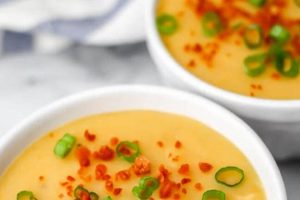
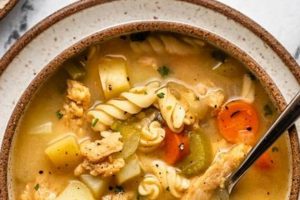
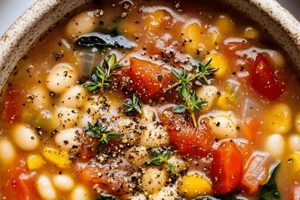
This dish emulates the comforting flavors of a traditional pot pie but refrains from using any animal products. It presents as a creamy and hearty soup, typically incorporating vegetables such as carrots, celery, peas, and potatoes within a thickened broth. Often, plant-based milk alternatives and vegetable broth form the base, and vegan-friendly thickening agents help achieve the desired consistency. Biscuits or crusty bread are frequently served alongside.
Adopting this dietary choice offers several advantages, aligning with ethical and environmental concerns. It eliminates animal suffering associated with factory farming and reduces the environmental footprint linked to meat production. From a nutritional perspective, the soup can be rich in vitamins, minerals, and fiber, depending on the specific vegetables and ingredients included. Historically, variations of vegetable soups have existed across cultures, and the adaptation to mirror pot pie flavors represents a modern, compassionate culinary innovation.
Subsequently, the following sections will delve into specific ingredient substitutions, optimal cooking techniques, potential nutritional profiles, and popular variations that contribute to the overall appeal and enjoyment of this plant-based comfort food.
Optimizing Plant-Based Pot Pie Broth
Achieving a flavorful and texturally satisfying plant-based interpretation of a pot pie requires careful attention to ingredient selection and preparation techniques. The following tips aim to enhance the overall quality of the dish.
Tip 1: Saut Aromatics Thoroughly: Onions, garlic, and celery form the aromatic foundation. Sauting these ingredients in olive oil or vegan butter over medium heat until softened and fragrant enhances the depth of flavor.
Tip 2: Leverage Umami-Rich Ingredients: Incorporate ingredients such as dried mushrooms (rehydrated and chopped), tomato paste, or a splash of soy sauce to add umami, a savory flavor often associated with meat-based dishes.
Tip 3: Thicken Appropriately: A slurry of cornstarch or arrowroot powder mixed with cold water provides an effective thickening agent. Add the slurry gradually to the simmering broth until the desired consistency is achieved. Avoid over-thickening.
Tip 4: Utilize Plant-Based Cream Alternatives: Full-fat coconut milk, cashew cream, or commercially available plant-based creamers contribute to a creamy texture. Add these towards the end of the cooking process to prevent curdling or separation.
Tip 5: Incorporate Diverse Vegetables: A variety of vegetables, such as carrots, peas, potatoes, green beans, and corn, adds visual appeal and nutritional value. Consider roasting root vegetables beforehand for enhanced sweetness and depth of flavor.
Tip 6: Season Generously: Seasoning is critical. Salt, black pepper, dried thyme, rosemary, and a bay leaf (removed before serving) provide a classic pot pie flavor profile. Taste and adjust seasonings as needed throughout the cooking process.
Tip 7: Add a Touch of Acidity: A squeeze of lemon juice or a dash of apple cider vinegar at the end brightens the flavors and balances the richness of the soup.
Implementing these suggestions facilitates the creation of a balanced and flavorful plant-based rendition of the pot pie, suitable for a variety of dietary preferences.
The next section will address various adaptations and alternative ingredients that can further personalize the experience.
1. Vegetable Selection
The composition of plant-based iterations of pot pie is heavily influenced by the selection of vegetables. The specific types, quantities, and preparation methods employed significantly impact the final flavor, texture, and nutritional profile of the dish.
- Foundation Vegetables
Carrots, celery, and onions often serve as the foundational aromatic vegetables. These provide a base layer of flavor that is characteristic of traditional pot pie. Variations may include parsnips or leeks for a slightly sweeter or more subtle flavor profile, respectively.
- Hearty Vegetables
Potatoes, whether white, Yukon gold, or sweet potatoes, contribute substance and heartiness. These vegetables offer a source of carbohydrates and dietary fiber, contributing to the overall satiety of the soup. The choice of potato affects the texture; Yukon golds offer a creamy consistency, while sweet potatoes add sweetness and vibrant color.
- Green Vegetables
Peas, green beans, and spinach introduce a source of vitamins and minerals, as well as adding textural contrast. These vegetables are often added towards the end of the cooking process to retain their vibrant color and prevent overcooking. Broccoli or asparagus can also be included, providing different nutritional profiles and flavor nuances.
- Specialty Vegetables
Mushrooms, such as cremini or shiitake, contribute umami, a savory flavor often associated with meat-based dishes. Corn provides sweetness and textural contrast. The inclusion of roasted butternut squash adds a rich, creamy element and enhances the overall sweetness of the soup.
The interplay between these vegetable categories allows for a customizable and nutritionally diverse adaptation, maintaining the comforting qualities of the original while adhering to plant-based dietary principles. The ratio and combination of these components define the unique characteristic and appeal of each version.
2. Broth Base

The broth base constitutes a crucial element, fundamentally dictating the flavor profile and overall texture of plant-based pot pie renditions. Its composition directly influences the perceived richness, depth, and suitability for accommodating the various vegetable components. Inadequate broth selection can result in a diluted or uninspired finished dish, failing to capture the essence of its traditional counterpart. Conversely, a well-chosen broth enhances the individual vegetable flavors, creating a cohesive and satisfying culinary experience. For instance, using a robust mushroom broth can impart a savory umami characteristic, compensating for the absence of meat-derived flavors often associated with traditional pot pie. Similarly, a creamy cashew-based broth lends a richness that mimics the dairy-based sauces found in conventional recipes.
Numerous commercially available vegetable broths serve as convenient options, however, their sodium content and flavor intensity can vary significantly. Careful consideration must be given to selecting a low-sodium variant, allowing for precise seasoning control. Alternatively, homemade vegetable broth, crafted from vegetable scraps and aromatic herbs, offers superior flavor customization and reduced sodium. This approach allows for the strategic inclusion of specific ingredients, such as roasted garlic or tomato paste, to further enhance the broth’s complexity and depth. The type of liquid employed extends beyond mere vegetable broth; plant-based milk alternatives, such as soy or oat milk, can contribute to a creamier texture, while simultaneously imparting a subtle sweetness that complements the savory elements of the dish. This combination of liquid and plant-based ingredient creates a harmonious balance to the broth’s overall flavor profile.
Ultimately, selecting the appropriate base necessitates a thorough understanding of the desired flavor outcome and the interplay between the broth and other ingredients. The quality of the broth directly impacts the overall success, ensuring a flavorful, comforting, and satisfying vegan pot pie adaptation. Neglecting this foundational aspect risks undermining the potential of the dish, resulting in a suboptimal culinary experience. The selection is more than just a base but a driving influence.
3. Thickening Agent
The consistency of plant-based interpretations of pot pie heavily relies on the effective use of thickening agents. These substances are crucial in transforming a watery vegetable broth into a creamy, cohesive soup that mirrors the texture of a traditional pot pie filling. The selection of the appropriate agent directly impacts the mouthfeel, visual appeal, and overall palatability of the finished product.
- Starch-Based Thickeners
Starches such as cornstarch, arrowroot powder, and tapioca starch represent common choices for thickening soups and sauces. These ingredients are typically mixed with cold water to create a slurry, which is then added to the simmering broth. As the mixture heats, the starch granules absorb liquid and swell, resulting in a thickened consistency. Cornstarch provides a neutral flavor and is readily available, while arrowroot powder offers a similar thickening power with a slightly cleaner taste. Tapioca starch imparts a glossy sheen to the final product. However, starches can lose their thickening power if overcooked or subjected to high acidity.
- Flour-Based Thickeners
Wheat flour or gluten-free flour blends can serve as effective thickening agents. Typically, the flour is cooked with fat, such as vegan butter or olive oil, to create a roux. This cooked flour-fat mixture is then gradually whisked into the hot broth, preventing lumps from forming. The cooking process gelatinizes the starch in the flour, contributing to the thickening effect. However, flour-based thickeners can impart a slightly heavier texture compared to starches, and wheat flour is unsuitable for individuals with gluten sensitivities.
- Pureed Vegetable Thickeners
Pureed cooked vegetables, such as potatoes, butternut squash, or cauliflower, offer a natural and nutritious method for thickening pot pie. These vegetables contribute both texture and flavor to the dish. After cooking, the vegetables are blended until smooth and then stirred into the broth. This method not only thickens the soup but also enhances its nutritional content by adding vitamins, minerals, and fiber. However, the resulting flavor profile will be influenced by the specific vegetable used.
- Legume-Based Thickeners
Pureed white beans or lentils, similar to pureed vegetables, can be incorporated to enhance the thickness and provide a creamy texture. Like pureed vegetables, these can be blended until smooth and then incorporated into the mixture. This method increases nutritional content of soup.
In summary, the choice of thickening agent depends on the desired flavor profile, texture, and dietary requirements. Starches provide a neutral flavor and light texture, flour offers a more substantial consistency, and pureed vegetables and legume-based thickeners contribute both thickness and nutritional value. Careful consideration of these factors ensures a well-balanced and satisfying final product. All this will help provide the consumer with the best choice for them.
4. Crust Alternatives
The integration of crust alternatives within the context of plant-based pot pie significantly influences the dish’s overall character, texture, and dietary profile. The absence of traditional pastry necessitates innovative approaches to replicate the textural and flavor contributions typically associated with a crust. These alternatives directly impact the perceived authenticity and satisfaction derived from the plant-based rendition. For instance, biscuit-style toppings provide a fluffy, soft complement to the creamy soup, while puff pastry offers a flaky, buttery experience. The selection directly influences the final product’s sensory attributes.
Practical examples of crust alternatives include vegan biscuits, either store-bought or homemade, which offer a familiar, comforting element. The biscuit dough can be dropped directly onto the soup surface before baking, creating individual portions with a rustic appearance. Furthermore, utilizing sheets of vegan puff pastry, cut into shapes and baked separately or directly on top of the soup, presents a visually appealing and texturally satisfying option. A less conventional, yet equally effective approach involves serving the soup with crusty bread, providing a textural contrast and allowing for dipping and sopping up the flavorful broth. In each instance, the chosen alternative interacts directly with the soup, affecting how it is consumed and perceived.
In conclusion, the exploration of crust alternatives is integral to creating a successful vegan pot pie adaptation. The selection should consider both textural compatibility and flavor complementarities with the soup itself. While challenges may arise in replicating the exact qualities of traditional pastry without animal products, the diverse range of alternatives provides ample opportunity to create a satisfying and appealing culinary experience. This element remains central to the overall enjoyment and success of the plant-based meal.
5. Seasoning Profile

The seasoning profile is paramount in achieving a palatable and authentic plant-based rendition of pot pie. It is the precise application of herbs, spices, and other flavor enhancers that bridges the gap between a collection of vegetables and a cohesive culinary experience reminiscent of the traditional dish. The absence of animal fats and proteins necessitates a heightened reliance on seasoning to impart depth, complexity, and a savory character. For instance, a balanced blend of dried thyme, rosemary, and sage, commonly associated with poultry seasoning, can effectively mimic the savory notes found in chicken pot pie. Similarly, the judicious use of smoked paprika or nutritional yeast contributes umami, a savory flavor often derived from meat products.
The impact of seasoning extends beyond mere flavor enhancement; it also influences the perceived richness and satisfaction of the dish. A well-seasoned soup stimulates the appetite and creates a sense of fullness, contributing to the overall dining experience. Conversely, under-seasoning can result in a bland and unappetizing product, failing to capture the essence of pot pie. Consider the effect of adding a touch of acidity, such as lemon juice or apple cider vinegar, to brighten the flavors and balance the richness of the soup. Conversely, incorporating a small amount of sugar or maple syrup can enhance the sweetness of root vegetables and create a harmonious flavor profile. Seasoning is both a science and an art, requiring careful attention to detail and a deep understanding of flavor interactions. Without it the soup will not be what is intended.
Effective utilization of a carefully curated seasoning profile is essential for the success of plant-based pot pie soup. It is the key to creating a flavorful, satisfying, and authentic culinary experience that appeals to a broad range of palates. Understanding the nuances of flavor combinations and their impact on the overall dish is critical for replicating the comforting qualities of traditional pot pie in a plant-based format. Though sometimes overlooked, this element is an integral part of recreating vegan soup to replicate the meat option.
6. Creaminess Source
The perceived palatability of plant-based pot pie hinges significantly on the source of creaminess employed within the recipe. Because traditional pot pie relies on dairy-based ingredients to achieve its characteristic rich texture, substitutions must be carefully considered to replicate this attribute without using animal products. The creaminess source directly impacts both the mouthfeel and flavor profile of the final dish, influencing its overall acceptance as a convincing alternative to the conventional version. For instance, the choice between coconut milk, cashew cream, or a roux-based plant milk thickener will yield distinctly different results in terms of both texture and taste. Coconut milk imparts a subtle coconut flavor, while cashew cream offers a neutral richness. A poorly chosen creaminess source can result in a thin, watery soup that lacks the desired luxuriousness, or a flavor profile that deviates too significantly from the expected pot pie experience. Therefore, selecting an appropriate ingredient is critical for creating a satisfying plant-based interpretation.
Beyond flavor and texture, the creaminess source also contributes to the nutritional composition of the dish. Coconut milk, while rich in fats, may not appeal to those seeking lower-fat options. Cashew cream, while offering a creamy texture, presents a concern for individuals with nut allergies. The type of plant milk used in a roux can affect the protein content and overall nutritional value of the soup. Some commercial plant-based creamers contain added sugars or artificial ingredients, which may detract from the health benefits of a plant-based diet. Furthermore, the chosen creaminess source can influence the cooking process. Some ingredients, like certain brands of soy milk, may curdle if subjected to high heat or acidic conditions, requiring careful temperature control and the avoidance of highly acidic ingredients. Real-world examples show that recipes that use pureed potatoes can create a naturally thick and creamy texture but this option tends to lack the richness that is commonly sought.
In summary, the careful selection of the creaminess source in vegan pot pie is essential for achieving a balance of desirable texture, flavor, and nutritional characteristics. Challenges arise in replicating the exact mouthfeel of dairy-based cream sauces, but innovative ingredient choices and preparation techniques can effectively create a plant-based version that is both satisfying and nutritionally sound. The creaminess is a vital element for any pot pie. In the absence of a satisfactory product, the resulting soup will not meet expectations.
7. Nutritional Value

The nutritional value of plant-based pot pie is a multifaceted aspect determined by the constituent ingredients and their respective proportions. Understanding this nutritional profile is crucial for individuals seeking a balanced and health-conscious dietary choice.
- Macronutrient Composition
The balance of macronutrientscarbohydrates, proteins, and fatsdirectly impacts the overall nutritional quality. The carbohydrate content primarily derives from vegetables and thickening agents, with complex carbohydrates preferred over simple sugars. Protein sources, though lower than in meat-based counterparts, originate from plant-based milk alternatives, legumes, or added tofu. The fat content depends on the choice of oil, nuts, or seeds, influencing the calorie density and essential fatty acid profile.
- Micronutrient Density
The selection of vegetables significantly contributes to the micronutrient density. Carrots supply beta-carotene, spinach offers iron and vitamin K, and peas provide vitamin C. The specific combination of vegetables dictates the range and quantity of vitamins and minerals present in the dish. The use of fortified plant-based milk alternatives can further enhance micronutrient content, particularly with vitamin B12 and vitamin D.
- Fiber Content
The inclusion of a variety of vegetables and legumes results in a substantial fiber content. Dietary fiber plays a crucial role in promoting digestive health, regulating blood sugar levels, and increasing satiety. The type of fiber, whether soluble or insoluble, varies depending on the chosen ingredients, influencing its specific health benefits.
- Sodium Levels
Sodium content is a critical consideration, particularly when using commercially prepared vegetable broths or pre-made crust alternatives. High sodium intake can contribute to elevated blood pressure and other health concerns. Careful selection of low-sodium ingredients and mindful seasoning practices are essential for maintaining a heart-healthy dish.
The nutritional profile of plant-based pot pie can be optimized through strategic ingredient selection and preparation techniques. By prioritizing whole, unprocessed foods, and carefully monitoring sodium levels, this adaptation of a classic comfort food can serve as a nutritious and satisfying meal option.
Frequently Asked Questions
The following questions address common inquiries and misconceptions regarding the preparation, nutritional aspects, and variations of plant-based pot pie. The answers provided aim to offer clarity and inform decision-making for individuals interested in exploring this dish.
Question 1: Is plant-based pot pie inherently less flavorful than its traditional counterpart?
When prepared correctly, a properly seasoned plant-based iteration can offer a flavor profile comparable to, or even exceeding, that of traditional versions. Utilizing umami-rich ingredients, aromatic herbs, and carefully selected vegetables contributes significantly to a satisfying culinary experience.
Question 2: How can an appropriate creamy texture be achieved without dairy products?
Creaminess can be achieved through the use of plant-based milk alternatives (such as cashew or oat milk), pureed vegetables (such as potatoes or butternut squash), or a combination thereof. Strategic use of thickening agents like cornstarch or arrowroot powder also contributes to the desired consistency.
Question 3: Are there specific vegetables that should be avoided in plant-based pot pie?
While vegetable selection is largely a matter of personal preference, it is advisable to avoid vegetables that release excessive moisture during cooking, as this can dilute the broth and compromise the overall texture. Vegetables with strong or overpowering flavors should also be used judiciously to maintain a balanced flavor profile.
Question 4: What are some suitable gluten-free crust alternatives?
Gluten-free biscuit recipes, utilizing gluten-free flour blends, provide a suitable crust option. Alternatively, serving the soup with a side of crusty gluten-free bread or crackers offers a satisfying textural contrast.
Question 5: How can the nutritional value of a plant-based pot pie be optimized?
Optimizing nutritional value involves incorporating a diverse range of vegetables, utilizing whole-grain crust alternatives, and carefully monitoring sodium levels. The addition of protein-rich ingredients, such as lentils or tofu, can further enhance the nutritional profile.
Question 6: Is it possible to prepare this dish ahead of time?
Plant-based pot pie can be prepared in advance, however, the crust component should be added just prior to baking to prevent sogginess. The soup itself can be stored in the refrigerator for several days, allowing flavors to meld and intensify over time.
In essence, preparing a successful, health-conscious, and appetizing plant-based version requires thoughtful ingredient choices, careful preparation techniques, and a willingness to experiment with flavor combinations.
The following section will explore potential variations on the plant-based pot pie and how to incorporate them into a regular diet.
Conclusion
The preceding exploration has examined the multifaceted nature of plant-based iterations of pot pie. From foundational elements such as vegetable selection and broth composition to nuanced considerations like thickening agents and crust alternatives, each aspect contributes to the final culinary outcome. This analysis has underscored the inherent flexibility of the dish, allowing for considerable customization while adhering to ethical and dietary principles. Furthermore, the assessment of nutritional value highlights the potential for this meal to align with health-conscious objectives, provided attention is paid to ingredient selection and preparation methods. Incorporating a mindful recipe results in a plant based dish that can be incorporated into any diet.
Consequently, while challenges may exist in replicating the precise sensory experience of traditional counterparts, the insights presented demonstrate that a satisfying and nutritionally sound rendition is attainable. The continued refinement of plant-based culinary techniques promises further advancements in flavor replication and texture enhancement, solidifying the position of vegan pot pie soup as a viable and increasingly appealing alternative within contemporary dietary landscapes. The future of meatless soup is in capable hands.