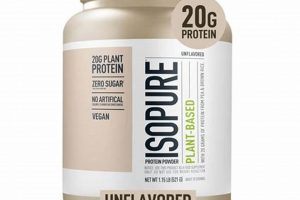
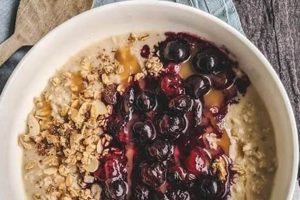
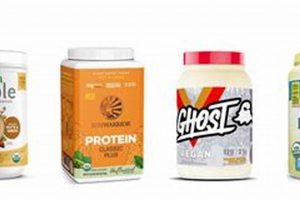
Plant-based alternatives to traditional dairy yogurt, enhanced with supplemental nutrients to increase their nutritional value, are becoming increasingly prevalent. These products provide a dairy-free option while addressing the need for higher protein intake, often achieved through the addition of ingredients like soy, pea protein, or nuts and seeds.
The rising interest in such items stems from several factors, including a growing vegan and vegetarian population, awareness of dairy sensitivities, and the increasing importance placed on protein-rich diets. These enriched yogurts offer a convenient and accessible way to meet daily protein requirements, support muscle development, and promote satiety, aligning with various health and lifestyle choices.
This article will further explore the nutritional composition, production methods, available varieties, and potential health implications associated with these increasingly popular items. It will also examine their role in addressing dietary needs and preferences within a growing consumer market.
Selecting a suitable plant-based yogurt fortified with protein requires careful consideration. This section provides guidance on making informed choices.
Tip 1: Examine Protein Sources: Scrutinize the ingredient list for protein sources. Soy protein isolate, pea protein, and blends of nuts and seeds are commonly used. Opt for products using complete protein sources, offering all essential amino acids.
Tip 2: Assess Sugar Content: Many flavored yogurts contain added sugars. Compare nutrition labels and prioritize options with lower sugar content, or unsweetened varieties. Consider naturally sweetened options using fruit extracts or stevia in moderation.
Tip 3: Evaluate Calcium and Vitamin D Fortification: Dairy yogurt is a natural source of calcium. Ensure the plant-based alternative is fortified with calcium and vitamin D to support bone health. Check the percentage of Daily Value (%DV) provided per serving.
Tip 4: Consider Probiotic Content: Yogurt is traditionally a source of probiotics. Look for products that list specific probiotic strains and colony-forming units (CFU) on the label. This supports gut health.
Tip 5: Inspect for Added Ingredients: Be mindful of added thickeners, stabilizers, and artificial flavors. Opt for yogurts with shorter, more recognizable ingredient lists.
Tip 6: Review Allergen Information: Individuals with allergies to soy, nuts, or other ingredients should carefully review the allergen information provided on the packaging.
Tip 7: Experiment with Flavors and Textures: Plant-based yogurts come in various flavors and textures. Experiment to find options that align with personal preferences. Plain, unsweetened varieties can be customized with fresh fruit or natural sweeteners.
In summary, selecting a protein-enhanced, plant-based yogurt involves a comprehensive evaluation of protein sources, sugar content, nutrient fortification, probiotic presence, and added ingredients. Careful attention to these factors ensures informed dietary choices.
The subsequent sections will explore specific product examples and their applications within various dietary regimes.
1. Protein Source

The protein source within plant-based yogurts significantly impacts the product’s nutritional value, digestibility, and overall suitability for various dietary needs. Understanding the origin and characteristics of the added protein is crucial for making informed consumer choices.
- Soy Protein Isolate
Derived from soybeans, soy protein isolate is a complete protein source containing all nine essential amino acids. Its inclusion in plant-based yogurts enhances the protein content, promoting muscle maintenance and satiety. However, soy allergies or sensitivities should be considered.
- Pea Protein
Extracted from yellow peas, pea protein is another commonly used ingredient. While not a complete protein on its own, it offers a substantial protein boost and is generally well-tolerated. It often contributes a slightly earthy flavor that may be masked with flavorings.
- Nut and Seed Proteins
Almond, cashew, sunflower seed, or pumpkin seed proteins can be incorporated to increase protein levels. These options provide additional nutrients, such as healthy fats and fiber, but may not offer a complete amino acid profile individually. Combinations of different nuts and seeds can improve the amino acid balance.
- Rice Protein
Rice protein is often used in protein-enhanced vegan yogurts due to it being an ingredient that is not considered an allergen. However, this is not a complete protein on its own. Typically, manufacturers combine rice protein with other protein options to get a complete amino acid profile.
The selection of a protein source directly affects the nutritional profile and overall appeal of plant-based yogurt. Consumers should evaluate their individual dietary needs, potential allergies, and flavor preferences when choosing a product. The interaction between the protein source and other ingredients ultimately defines the yogurt’s suitability as a protein-rich dietary option.
2. Amino Acid Profile

The amino acid profile is a critical determinant of the nutritional quality of plant-based yogurts fortified with protein. It reflects the availability and proportions of essential and non-essential amino acids, influencing protein utilization and overall health impact.
- Essential Amino Acid Completeness
Essential amino acids cannot be synthesized by the human body and must be obtained through dietary sources. A complete protein contains all nine essential amino acids in adequate proportions. Plant-based yogurts vary in the completeness of their amino acid profiles depending on the protein source used. Supplementation with multiple protein sources, such as combining pea and rice protein, may be necessary to achieve a complete amino acid profile. Incomplete protein sources may require strategic food combining to ensure adequate intake of all essential amino acids throughout the day.
- Bioavailability and Digestibility
The amino acid profile’s value is contingent upon its bioavailability, or the extent to which amino acids are absorbed and utilized by the body. Processing methods and the presence of antinutritional factors can affect protein digestibility and amino acid absorption. Some plant-based proteins may require specific processing techniques to enhance digestibility and improve amino acid bioavailability. Consumers should consider processing methods when evaluating the nutritional value of plant-based yogurts.
- Limiting Amino Acids
Even if a plant-based yogurt contains protein, the presence of a limiting amino acid can constrain protein synthesis. A limiting amino acid is the essential amino acid present in the lowest quantity relative to the body’s needs. Identifying the limiting amino acid in a particular plant-based protein source is crucial for optimizing dietary intake and ensuring adequate protein utilization. Awareness of limiting amino acids guides strategic food pairing to compensate for deficiencies and maximize the benefits of plant-based protein sources.
- Impact on Muscle Synthesis and Recovery
The amino acid profile directly affects muscle protein synthesis and recovery following exercise. Branched-chain amino acids (BCAAs), particularly leucine, play a critical role in stimulating muscle protein synthesis. Plant-based protein sources vary in their BCAA content. Ensuring adequate intake of BCAAs, either through supplementation or strategic food choices, is essential for athletes and individuals seeking to optimize muscle growth and repair.
In summary, the amino acid profile is a key consideration when evaluating the nutritional quality of protein-enhanced plant-based yogurts. Factors such as essential amino acid completeness, bioavailability, limiting amino acids, and BCAA content collectively determine the effectiveness of these products in meeting protein requirements and supporting overall health. Strategic selection and consumption of plant-based yogurts, informed by an understanding of their amino acid profiles, can contribute to a well-balanced and nutritionally adequate diet.
3. Sugar Content

The sugar content in protein-enhanced plant-based yogurts represents a significant consideration, impacting their overall health profile. While supplemental protein aims to augment nutritional value, excessive sugar can negate these benefits, contributing to adverse health outcomes. The added sugars in these products serve primarily to enhance palatability, masking the often-bland or earthy flavors associated with plant-based protein sources. This is particularly noticeable in flavored varieties, where added sugars are used to mimic the sweetness and taste profiles of conventional dairy-based yogurts. An example includes a comparison between plain, unsweetened soy yogurt and a flavored version; the latter often contains a substantially higher sugar content to achieve consumer acceptance. The practical consequence of this sugar addition is a potential increase in caloric intake without a corresponding increase in nutritional density, impacting weight management and metabolic health.
The source of added sugar is also relevant. Common sweeteners include sucrose, high-fructose corn syrup, and fruit juice concentrates. While fruit juice concentrates may appear healthier, they still contribute to overall sugar load and may lack the fiber found in whole fruit. Alternative sweeteners, such as stevia or erythritol, offer a lower-calorie option but may not be universally preferred due to taste profiles. Moreover, the interplay between sugar and protein content must be considered; a higher protein content might mitigate some of the negative effects of sugar by promoting satiety and stabilizing blood glucose levels. However, this effect is limited and does not negate the need for careful monitoring of sugar intake. Products with high levels of both added sugar and protein can still contribute to weight gain and insulin resistance if consumed in excess.
In conclusion, the sugar content of protein-enhanced plant-based yogurts must be carefully evaluated. Balancing palatability with nutritional considerations is crucial, and consumers should prioritize options with minimal added sugars or opt for unsweetened varieties to which they can add their own fruit or natural sweeteners. The challenge lies in maintaining consumer appeal while mitigating the negative health consequences associated with excessive sugar intake. Future product development should focus on innovative flavorings and natural sweeteners to reduce the reliance on added sugars, aligning with public health recommendations and promoting healthier dietary choices.
4. Calcium Fortification

Calcium fortification in plant-based yogurts enhanced with protein addresses a critical nutritional gap often associated with dairy-free diets. Dairy products are a primary source of calcium for many individuals; therefore, the absence of dairy necessitates deliberate supplementation to maintain adequate calcium intake.
- Bioavailability Considerations
The effectiveness of calcium fortification hinges on its bioavailability, the extent to which the body can absorb and utilize the added calcium. Different calcium compounds, such as calcium carbonate, calcium citrate, and tricalcium phosphate, exhibit varying degrees of bioavailability. Calcium citrate is often preferred due to its higher absorption rate, particularly in individuals with reduced stomach acid production. Plant-based yogurt manufacturers must carefully select calcium compounds that offer optimal bioavailability to ensure effective supplementation. The presence of certain dietary factors, such as phytic acid found in some plant-based ingredients, can inhibit calcium absorption, necessitating higher levels of fortification to compensate.
- Fortification Levels and Regulatory Standards
Calcium fortification levels in plant-based yogurts are subject to regulatory standards that vary by region. These standards aim to provide a significant contribution to daily calcium requirements without exceeding safe upper limits. Manufacturers must adhere to these regulations to ensure product safety and compliance. The fortification levels are typically expressed as a percentage of the Daily Value (%DV) per serving. Consumers should scrutinize nutrition labels to determine the calcium content and assess whether the product aligns with their individual dietary needs.
- Impact on Bone Health
Adequate calcium intake is essential for maintaining bone density and reducing the risk of osteoporosis. Plant-based yogurts fortified with calcium offer a convenient and accessible means of supporting bone health, particularly for individuals following vegan or dairy-free diets. Regular consumption of calcium-fortified plant-based yogurts, in conjunction with vitamin D (which aids calcium absorption), can contribute to improved bone mineral density and reduced fracture risk. However, calcium is only one factor influencing bone health; adequate intake of other nutrients, such as vitamin K and magnesium, is also important.
- Consumer Perception and Market Demand
Calcium fortification is a key selling point for plant-based yogurts, appealing to health-conscious consumers seeking to replicate the nutritional benefits of dairy yogurt. Many consumers actively seek out calcium-fortified options, viewing them as a convenient way to meet their calcium needs. The presence of calcium fortification claims on product packaging influences purchasing decisions and drives market demand for these products. Manufacturers recognize the importance of calcium fortification in attracting consumers and often highlight this feature in their marketing efforts.
In conclusion, calcium fortification is a vital aspect of protein-enhanced plant-based yogurts, addressing a significant nutritional concern for individuals avoiding dairy products. Optimizing bioavailability, adhering to regulatory standards, promoting bone health, and catering to consumer demand are essential considerations for manufacturers. Thoughtful calcium fortification ensures that these products can serve as a valuable component of a well-balanced, plant-based diet.
5. Probiotic Cultures

The incorporation of probiotic cultures into plant-based yogurts, particularly those enhanced with protein, introduces a dimension of functional benefit that transcends basic nutritional provision. These microorganisms, when present in adequate numbers, confer a health benefit on the host, modulating gut microbiota composition and activity.
- Strain Specificity and Health Benefits
The effectiveness of probiotics is highly strain-specific, with different bacterial species and subspecies exhibiting distinct effects on gut health. Lactobacillus and Bifidobacterium are common genera used in yogurt production. For instance, Lactobacillus acidophilus may aid in lactose digestion, while Bifidobacterium lactis can enhance immune function. Manufacturers should specify the strains used in their products and ideally provide evidence supporting their efficacy. The presence of multiple strains does not necessarily equate to greater benefit; strain compatibility and synergistic effects are important factors.
- Viability and Survival
Probiotics must remain viable throughout the product’s shelf life and survive the passage through the upper gastrointestinal tract to exert their beneficial effects in the colon. Factors such as pH, temperature, and oxygen exposure can impact probiotic survival. Microencapsulation is a technique used to protect probiotic cells from harsh environmental conditions, enhancing their delivery to the intestines. Consumers should consider storage conditions and product expiration dates to ensure adequate probiotic viability.
- Quantification and Dosage
The number of colony-forming units (CFU) per serving is a critical determinant of probiotic efficacy. Typically, a daily intake of at least 106 to 109 CFU is considered necessary to achieve a measurable health benefit. The CFU count should be clearly stated on the product label. The dosage requirement can vary depending on the individual’s health status and the specific strain used. Some individuals may experience gastrointestinal discomfort, such as bloating or gas, when initiating probiotic consumption; a gradual increase in dosage can help mitigate these effects.
- Interaction with Plant-Based Matrix
The plant-based matrix of vegan yogurt can influence the survival and activity of probiotic cultures. Some plant-based ingredients may provide prebiotics, non-digestible fibers that serve as food for probiotics, promoting their growth and activity in the gut. For example, inulin derived from chicory root can act as a prebiotic, enhancing the colonization of beneficial bacteria. The composition of the plant-based matrix can also affect the texture and sensory attributes of the yogurt, influencing consumer acceptance.
In summary, the incorporation of probiotic cultures into protein-enhanced plant-based yogurts requires careful consideration of strain selection, viability, dosage, and interaction with the plant-based matrix. When these factors are optimized, probiotics can contribute to improved gut health and enhance the overall nutritional value of these products. Consumers should be discerning in their choices, selecting products with clearly labeled strains and CFU counts, and considering storage conditions to ensure probiotic viability.
6. Ingredient Integrity

Ingredient integrity is paramount in the context of plant-based yogurt products enhanced with protein, directly impacting nutritional value, consumer trust, and overall health outcomes. The deliberate selection and sourcing of ingredients, alongside transparent manufacturing practices, determine the degree to which these yogurts align with their intended health benefits. For example, a plant-based yogurt relying on highly processed protein isolates, artificial sweeteners, and synthetic additives, despite boasting a high protein content, would inherently lack ingredient integrity. This deficiency can manifest as reduced bioavailability of nutrients, potential adverse reactions to artificial additives, and a disconnect from the clean-label aspirations often driving consumer interest in plant-based alternatives. Conversely, a yogurt utilizing minimally processed protein sources like sprouted seeds, naturally derived sweeteners like fruit purees, and recognizable thickeners like tapioca starch, exemplifies ingredient integrity, fostering confidence and aligning with health-conscious consumer preferences.
The importance of ingredient integrity extends beyond individual health considerations. It also encompasses ethical and environmental dimensions. Sourcing plant-based protein from sustainable agriculture practices, minimizing reliance on monoculture farming, and ensuring fair labor standards contribute to the holistic integrity of the product. A specific instance involves the use of almond protein sourced from regions facing water scarcity issues; a product marketed as environmentally friendly would lose credibility if its sourcing practices exacerbate ecological problems. Moreover, transparency in the supply chain, enabling consumers to trace the origin and processing of ingredients, reinforces trust and accountability. This transparency is particularly crucial given the potential for mislabeling and adulteration within the food industry. Independent certifications, such as those verifying organic status or non-GMO sourcing, provide tangible evidence of ingredient integrity, aiding consumers in making informed choices.
In summary, ingredient integrity is not merely a cosmetic attribute but a foundational element of plant-based protein-enhanced yogurts. It directly affects nutritional quality, consumer trust, and ethical sourcing practices. While high protein content may be a primary selling point, it is ultimately the quality and integrity of the ingredients that determine the true value and health benefits of these products. Challenges remain in balancing affordability, palatability, and ingredient integrity, but prioritizing minimally processed, sustainably sourced ingredients is essential for fostering a market characterized by transparency, consumer confidence, and genuine health promotion.
Frequently Asked Questions About Plant-Based Yogurt with Protein
This section addresses common inquiries regarding the composition, benefits, and considerations associated with plant-based yogurt products enhanced with protein.
Question 1: What are the primary protein sources used in plant-based yogurt?
Common protein sources include soy protein isolate, pea protein, rice protein, and protein derived from nuts and seeds (e.g., almond, sunflower). The specific protein source influences the yogurt’s amino acid profile and overall nutritional value.
Question 2: How does the protein content of plant-based yogurt compare to that of dairy yogurt?
Protein levels vary significantly. Some plant-based yogurts are formulated to match or exceed the protein content of conventional dairy yogurt through protein supplementation. Careful examination of nutrition labels is necessary to compare specific products.
Question 3: Are plant-based yogurts with protein nutritionally complete?
Nutritional completeness depends on fortification. Many plant-based yogurts are fortified with calcium, vitamin D, and vitamin B12 to address potential deficiencies in plant-based diets. However, the presence and bioavailability of these nutrients should be verified on the product label.
Question 4: What are the potential benefits of consuming plant-based yogurt with added protein?
Potential benefits include increased protein intake for muscle maintenance and satiety, a dairy-free alternative for individuals with lactose intolerance or dairy allergies, and a source of probiotics for gut health. Specific benefits depend on the ingredients and formulation of the product.
Question 5: What are some potential drawbacks or considerations when choosing a plant-based yogurt with protein?
Potential drawbacks include added sugars, the presence of artificial additives, and incomplete amino acid profiles if the protein source is not carefully selected or supplemented. Consumers should prioritize products with minimal added sugars, recognizable ingredients, and complete protein sources.
Question 6: How should plant-based yogurt with protein be incorporated into a balanced diet?
Plant-based yogurt can serve as a component of a balanced diet, providing protein, calcium (if fortified), and probiotics. It should be consumed in moderation as part of a varied diet that includes fruits, vegetables, whole grains, and other sources of protein and essential nutrients.
In summary, plant-based yogurts with protein offer a dairy-free alternative for increasing protein intake and obtaining other essential nutrients. However, careful attention should be paid to the ingredient list and nutritional profile to ensure the product aligns with individual dietary needs and preferences.
The subsequent section will delve into specific product reviews and comparative analyses of plant-based yogurts fortified with protein.
Concluding Perspectives on Vegan Yogurt with Protein
This exploration has presented various facets of vegan yogurt with protein, underscoring its nutritional variability and the importance of informed consumer choices. The selection of protein sources, the management of sugar content, strategic nutrient fortification, probiotic inclusion, and ingredient integrity were identified as critical determinants of product quality. These factors collectively dictate the extent to which these products contribute positively to dietary needs and overall well-being.
The ongoing evolution of the plant-based food sector necessitates continued scrutiny and product refinement. While vegan yogurt with protein presents a viable alternative to traditional dairy options, its nutritional profile warrants careful assessment. Consumers are encouraged to engage critically with product labeling and consider the broader implications of their dietary choices. Future advancements should prioritize sustainable sourcing, minimal processing, and transparent ingredient disclosure to fully realize the potential of these products as healthful dietary components.