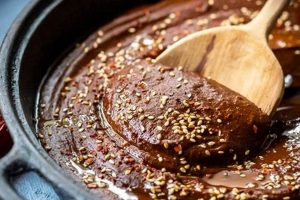
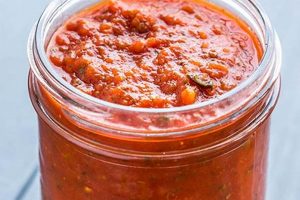
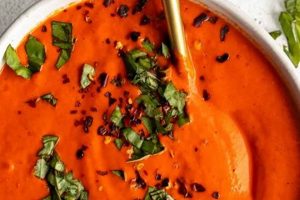
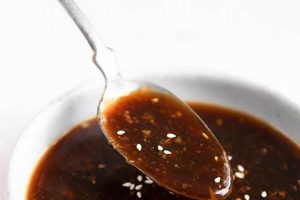
Plant-based culinary enhancements designed to complement rice dishes offer a diverse range of flavors and textures, catering to dietary preferences and ethical considerations. These accompaniments, typically crafted without animal products, can range from savory blends of vegetables and spices to creamy concoctions based on nuts or seeds. A common example is a peanut-based satay sauce, providing a rich and nutty counterpoint to the blandness of plain rice.
The growing interest in such alternatives reflects a broader shift toward conscious consumption and increased awareness of the environmental impact of food choices. Historically, many traditional cuisines already featured naturally vegan options, albeit not always explicitly identified as such. Their contemporary relevance lies in their contribution to sustainable eating practices and their ability to offer varied nutritional profiles, often rich in vitamins, minerals, and fiber.
The subsequent sections will explore specific types of these preparations, detailing their ingredients, preparation methods, and potential applications. Attention will be given to both readily available commercial options and recipes for homemade creations, empowering individuals to create flavorful and ethical meals centering on rice.
Enhancing Rice Dishes with Plant-Based Sauces
Maximizing the flavor potential of plant-based rice sauces requires careful consideration of ingredient selection, preparation techniques, and flavor pairings. Adherence to the following guidelines ensures optimal culinary outcomes.
Tip 1: Emphasize Freshness: Opt for fresh herbs and spices whenever possible. Their volatile oils contribute significantly to the overall aromatic profile and taste intensity. Dried herbs, while convenient, should be used sparingly and adjusted for potency.
Tip 2: Master Flavor Balancing: Achieving a harmonious flavor profile requires careful attention to sweet, sour, salty, bitter, and umami components. Experiment with ingredients such as maple syrup, lime juice, tamari, chili flakes, and nutritional yeast to create a well-rounded sauce.
Tip 3: Control Texture with Precision: The desired sauce consistency can vary depending on the dish. Thickeners such as cornstarch slurry, tapioca starch, or blended silken tofu can be used to achieve the ideal texture. Conversely, vegetable broth or water can be added to thin a sauce that is too viscous.
Tip 4: Consider Regional Pairings: Draw inspiration from global cuisines. Thai-inspired coconut curry sauces pair well with jasmine rice, while Italian-influenced tomato-based sauces complement Arborio rice. Respecting traditional flavor combinations enhances the dining experience.
Tip 5: Employ Proper Cooking Techniques: Gentle simmering is often preferable to high heat, allowing flavors to meld and develop fully. Avoid scorching or burning the sauce, as this can impart a bitter taste. Utilize appropriate cookware to prevent sticking and ensure even heat distribution.
Tip 6: Prioritize Ingredient Quality: The overall quality of the sauce is directly proportional to the quality of its ingredients. Use high-grade oils, vinegars, and plant-based alternatives to achieve the best results. Consider sourcing locally produced items whenever feasible.
Tip 7: Embrace Experimentation: Don’t be afraid to deviate from established recipes. Incorporating unique flavor combinations or adjusting ingredient ratios can lead to the discovery of new and exciting sauce variations. Document successful modifications for future replication.
Implementing these strategies promotes the creation of flavorful, balanced, and texturally appealing rice sauces, elevating the dining experience and showcasing the versatility of plant-based cuisine.
These tips provide a solid foundation for creating delicious and nutritious plant-based sauces, leading to the next section’s exploration of specific recipe ideas.
1. Texture

The textural properties of a sauce exert a profound influence on the overall gustatory experience, particularly when paired with rice. Texture is a critical determinant of mouthfeel, affecting how the sauce is perceived in conjunction with the rice grains. A sauce’s viscosity, smoothness, or the presence of particulate matter can either complement or detract from the rice’s inherent characteristics. For example, a thin, watery sauce may fail to coat the rice adequately, leading to a bland and unsatisfying outcome. Conversely, an excessively thick sauce could overwhelm the delicate texture of the rice, resulting in an unpleasant, pasty sensation. A well-balanced texture allows the sauce to adhere to the rice, providing a consistent and enjoyable flavor delivery with each bite. A chunky vegetable-based sauce, where the individual components of the vegetables complement the rice would be the most appealing one.
Achieving the optimal textural profile in plant-based rice sauces often necessitates careful manipulation of ingredients and preparation methods. The inclusion of thickening agents such as cornstarch, tapioca starch, or pureed vegetables can modulate viscosity. Conversely, liquids like vegetable broth or water can be added to thin a sauce that is too dense. The degree of blending also plays a significant role; a completely smooth sauce may be desirable in some instances, while a slightly coarser texture, achieved through minimal blending, can add complexity and visual appeal. Furthermore, the addition of textural elements like toasted nuts, seeds, or diced vegetables can enhance the sensory experience and provide added nutritional value.
In summary, the manipulation of texture is fundamental to crafting successful plant-based sauces. An appreciation for texture’s importance alongside flavor balancing empowers culinary practitioners to create sauces that seamlessly integrate with rice, elevating both the sensory and nutritional dimensions of the meal. Overlooking textural nuance is a recipe for mediocrity, while mastering it unlocks the potential for truly exceptional vegan rice dishes. The selection of sauce textures depends on the rice being served alongside of it.
2. Flavor Profile

The flavor profile of vegan sauces for rice is a critical determinant of their overall success and palatability. Rice, in its plain form, serves primarily as a neutral carbohydrate base. Consequently, the sauce must provide the primary source of flavor, transforming a simple staple into a satisfying and complete meal. The specific combination of tastes sweetness, sourness, saltiness, bitterness, and umami dictates the overall character of the dish and its compatibility with different cuisines and palates. A poorly conceived flavor profile can render even a well-prepared sauce unappetizing, regardless of its nutritional value or visual appeal. For instance, a sauce lacking sufficient saltiness may taste bland, while one with excessive bitterness can be off-putting.
The construction of a compelling flavor profile involves a careful selection and balancing of ingredients. Umami-rich components such as soy sauce, nutritional yeast, and mushrooms are frequently employed to provide depth and savoriness. Acids like lemon juice, vinegar, or tamarind paste contribute brightness and counteract richness. Sweetness, derived from ingredients like maple syrup, agave, or dates, can enhance the perception of other flavors and create a more rounded taste experience. Spices and herbs introduce complexity and aromatic dimensions. For example, a Thai-inspired peanut sauce often incorporates ingredients like ginger, garlic, chili, lime juice, and coconut milk, resulting in a complex and balanced flavor profile that complements jasmine rice effectively. A tomato-based sauce for risotto benefits from garlic, herbs and a touch of sweetness to create a classic Italian flavour profile.
Understanding the principles of flavor pairing and taste balancing is essential for creating exceptional vegan sauces for rice. Experimentation and iterative refinement are often necessary to achieve the desired outcome. The interplay of different flavors influences the overall perception of the dish, with individual components either harmonizing or clashing. Mastering this skill allows for the creation of sauces that not only enhance the taste of rice but also contribute to a more holistic and satisfying dining experience, reflecting the chef’s skill and artistry in vegan culinary creations. Ignoring the flavor profile could result in a bland or unpalatable dish, highlighting the importance of paying attention to the profile of these sauces.
3. Ingredients

The selection of ingredients represents a foundational aspect of crafting plant-based sauces for rice. Ingredient choices directly determine the sauce’s flavor profile, texture, nutritional value, and overall suitability as a complement to various rice dishes. Careful consideration of ingredient sourcing, preparation, and compatibility is paramount to achieving a desirable culinary outcome.
- Plant-Based Liquids
Liquids form the base of many sauces, influencing consistency and acting as flavor carriers. Coconut milk imparts richness and sweetness, while vegetable broth provides a savory foundation. Tomato juice offers acidity and umami, and nut milks contribute creaminess. The specific liquid selected significantly alters the sauce’s character and should be chosen to align with the desired flavor profile. For example, a cashew cream base is often used to replicate a dairy cream sauce, while coconut milk is more common in Thai and Indian-inspired dishes.
- Thickeners and Texturizers
Achieving the desired sauce texture often necessitates the use of thickening agents. Cornstarch and tapioca starch offer a smooth, glossy finish, while arrowroot powder provides a more natural, less processed alternative. Pureed vegetables, such as butternut squash or sweet potato, can add thickness and nutritional value simultaneously. Ground nuts and seeds, like cashews or sunflower seeds, can create a creamy texture. The choice of thickener depends on the desired texture, flavor contribution, and dietary restrictions. Gluten-free options like tapioca or arrowroot are suitable for those with celiac disease.
- Flavor Enhancers
A diverse array of ingredients serves to enhance the flavor complexity of vegan sauces. Umami-rich options include soy sauce, tamari, nutritional yeast, and miso paste. Acids, such as lemon juice, vinegar, and lime juice, add brightness and balance. Spices, herbs, garlic, and onions contribute aromatic depth. Sweeteners, like maple syrup or agave nectar, can round out the flavor profile and enhance other tastes. The skillful combination of these flavor enhancers is crucial for creating a balanced and nuanced sauce. For example, a combination of soy sauce, ginger, and garlic is frequently used to create a savory Asian-inspired sauce.
- Nuts and Seeds
Nuts and seeds are frequently employed in plant-based sauces for their ability to impart creaminess, richness, and nutritional value. Cashews, when soaked and blended, create a smooth and versatile base for sauces resembling dairy cream. Peanut butter adds a characteristic flavor and texture, while sesame seeds contribute a nutty aroma and subtle crunch. Sunflower seeds provide a cost-effective alternative to cashews. The choice of nuts and seeds influences both the flavor and texture of the sauce, offering a range of possibilities for culinary experimentation. For example, cashew-based alfredo sauces are very popular with pasta dishes and easily adapted to rice.
In conclusion, ingredient selection stands as a pivotal consideration in the creation of flavorful and nutritious vegan sauces for rice. By thoughtfully choosing liquids, thickeners, flavor enhancers, and nuts/seeds, culinary practitioners can tailor sauces to complement a wide range of rice varieties and dietary preferences. The successful application of these ingredients results in dishes that are both delicious and ethically sound, furthering the appeal of plant-based cuisine.
4. Preparation

The method of preparation exerts a substantial influence on the final quality and characteristics of vegan sauces designed for rice dishes. The techniques employed can significantly affect flavor development, texture, and nutritional integrity. Precise execution of preparation steps is essential to unlock the full potential of plant-based ingredients and achieve a sauce that harmonizes effectively with the chosen rice variety.
- Ingredient Pre-Treatment
The initial handling of ingredients, such as vegetables, nuts, and seeds, significantly impacts the final sauce. Roasting vegetables intensifies their sweetness and adds depth, while soaking nuts prior to blending ensures a smoother, creamier texture. Blooming spices in oil releases their aromatic compounds, enhancing flavor. For example, toasting sesame seeds or lightly browning garlic before incorporating them into a sauce amplifies their respective flavors.
- Blending Techniques
The blending process critically influences the texture of vegan sauces. High-speed blenders are often used to create exceptionally smooth sauces from ingredients like cashews or silken tofu. Conversely, pulse blending or manual chopping can yield sauces with a coarser, more rustic texture. The duration and intensity of blending directly impact the final consistency. Over-blending can lead to a gluey or separated sauce, while under-blending may result in undesirable grittiness. This is why the texture of sauces depend on the rice being served.
- Cooking Methods
The application of heat plays a crucial role in flavor development and sauce reduction. Simmering sauces allows flavors to meld and intensify over time, while reducing liquids concentrates their essence. Sauteing vegetables before adding liquid components builds layers of flavor. However, excessive heat can degrade delicate flavors and nutrients. Careful monitoring of cooking temperatures and durations is therefore essential. For instance, cooking a tomato-based sauce slowly for an extended period deepens its flavor and reduces its acidity.
- Seasoning and Flavor Balancing
Precise seasoning is critical for achieving a balanced and harmonious flavor profile. Gradual addition of salt, acid (such as lemon juice or vinegar), and sweetness (such as maple syrup or agave) allows for iterative adjustments to taste. Tasting and adjusting seasoning throughout the preparation process is essential. Over-seasoning or an imbalance of flavors can detract from the overall quality of the sauce. For example, a touch of acidity can brighten a rich cashew cream sauce, while a pinch of salt can enhance the sweetness of roasted vegetables.
In summation, the preparation methods employed exert a defining influence on the quality and characteristics of vegan sauces for rice. Ingredient pre-treatment, blending techniques, cooking methods, and seasoning protocols must be carefully considered and executed to unlock the full potential of plant-based ingredients and achieve a sauce that complements the nuances of the chosen rice dish. An awareness of preparation principles translates to elevated flavour and texture.
5. Versatility

The inherent adaptability of plant-based sauces contributes significantly to their value as complements to rice dishes. This versatility stems from the wide array of ingredients and preparation techniques available, allowing for the creation of sauces suitable for diverse culinary traditions and dietary needs. The absence of animal products permits seamless integration with various ethnic cuisines and accommodates restrictions related to allergies or ethical considerations. A single batch of white rice can be transformed into a multitude of meals simply by altering the accompanying plant-based sauce. This adaptability translates directly to cost-effectiveness and reduced food waste, as leftover rice can be repurposed with different sauces to create entirely new dishes.
The practical significance of this versatility manifests in numerous ways. A simple tomato-based sauce can be adapted from a marinara for Italian-inspired meals to a base for enchilada sauce with the addition of chili powder and cumin. Coconut milk-based sauces can range from mild curries suitable for those sensitive to spice to intensely flavored renditions incorporating chilies and aromatic herbs. The use of nuts and seeds, such as cashews, almonds, or sunflower seeds, allows for the creation of creamy sauces that mimic dairy-based counterparts, broadening the appeal to individuals transitioning to plant-based diets. This adaptability is not merely a matter of convenience; it addresses the fundamental need for dietary variety and cultural relevance in food.
In summary, the versatility of plant-based sauces represents a crucial attribute that enhances their suitability as accompaniments to rice. By enabling adaptation to diverse culinary traditions, dietary restrictions, and individual preferences, this adaptability increases the appeal and practicality of these sauces. While challenges may arise in achieving specific flavor profiles or textures due to the absence of animal products, the overarching benefit of versatility remains a defining characteristic that positions vegan sauces as a valuable component of a balanced and sustainable diet. This inherent quality makes them not just a dietary choice, but a culinary asset.
6. Nutritional Value

The nutritional value of vegan sauces designed to complement rice is a crucial aspect warranting careful consideration. These sauces serve not only to enhance flavor but also to contribute essential nutrients, supplementing the inherent nutritional profile of rice itself. Understanding the components and potential benefits of these sauces is vital for individuals seeking to optimize their dietary intake.
- Macronutrient Balance
Vegan sauces can significantly influence the macronutrient balance of a rice-based meal. A sauce rich in plant-based fats from nuts, seeds, or avocados can increase satiety and provide essential fatty acids. Sources of plant-based protein, such as tofu, lentils, or beans, contribute to muscle repair and overall protein intake. Conversely, sauces high in refined sugars or unhealthy fats may detract from the nutritional value. The strategic use of these macronutrients in the sauce formulation contributes to balanced nutrition.
- Micronutrient Density
Well-formulated vegan sauces are potent sources of essential micronutrients. Vegetables incorporated into the sauce provide vitamins and minerals, such as vitamin C, potassium, and folate. Herbs and spices offer antioxidants and anti-inflammatory compounds. Nutritional yeast is a source of B vitamins, including vitamin B12, which is often lacking in vegan diets. Careful selection of micronutrient-rich ingredients elevates the nutritional profile of the entire meal. For example, incorporating leafy greens such as spinach to a pesto-style sauce will increase mineral intake.
- Fiber Content
Fiber, a critical component of a healthy diet, can be significantly enhanced through the addition of plant-based sauces to rice dishes. Vegetables, beans, and lentils are excellent sources of dietary fiber, promoting digestive health and regulating blood sugar levels. A sauce featuring a blend of beans and vegetables, therefore, offers a substantial fiber boost compared to a sauce primarily composed of oils or refined ingredients. Increased fiber intake is associated with improved cardiovascular health and reduced risk of chronic diseases.
- Minimizing Unhealthy Additives
The nutritional value of vegan sauces is contingent upon minimizing the inclusion of unhealthy additives. Excessive sodium, added sugars, and artificial preservatives can negate the benefits of otherwise nutrient-rich ingredients. Choosing whole, unprocessed ingredients and preparing sauces from scratch allows for greater control over the final product’s nutritional composition. Reading nutrition labels carefully and opting for low-sodium and low-sugar options is advisable when purchasing pre-made sauces.
In conclusion, the nutritional value of plant-based sauces is a critical factor in determining their suitability as complements to rice dishes. By prioritizing macronutrient balance, micronutrient density, fiber content, and minimizing unhealthy additives, individuals can create sauces that not only enhance the flavor of rice but also contribute to a healthier and more balanced diet. The careful selection of ingredients and preparation methods empowers individuals to leverage the nutritional potential of these sauces, transforming a simple staple into a nutrient-rich meal.
Frequently Asked Questions
This section addresses common inquiries concerning plant-based sauces intended for consumption with rice, providing clarification and guidance on their preparation, nutritional aspects, and practical applications.
Question 1: What defines a sauce as “vegan” and suitable for pairing with rice?
A vegan sauce excludes all ingredients derived from animals, including meat, dairy, eggs, and honey. Suitability for rice pairing depends on flavor compatibility, texture, and overall contribution to a balanced meal. Sauces incorporating plant-based proteins, vegetables, and complementary spices are generally well-suited.
Question 2: Are commercially available vegan sauces nutritionally comparable to homemade versions?
Nutritional content varies significantly among commercially available options. Many pre-made sauces contain high levels of sodium, added sugars, or unhealthy fats. Scrutinizing nutrition labels and ingredient lists is essential. Homemade sauces offer greater control over ingredient selection and nutritional composition.
Question 3: How can the flavor profile of a plant-based rice sauce be effectively enhanced?
Flavor enhancement can be achieved through the strategic use of herbs, spices, umami-rich ingredients (such as nutritional yeast or soy sauce), and acids (such as lemon juice or vinegar). Roasting vegetables prior to incorporation intensifies their sweetness and depth of flavor. Balancing sweet, sour, salty, bitter, and umami components is crucial for a well-rounded taste.
Question 4: What thickening agents are appropriate for vegan sauces intended for rice?
Suitable thickening agents include cornstarch, tapioca starch, arrowroot powder, and pureed vegetables (such as butternut squash or sweet potato). The choice of thickener depends on the desired texture and flavor contribution. Gluten-free options, such as tapioca or arrowroot, are available for individuals with dietary restrictions.
Question 5: Can plant-based sauces provide sufficient protein to complement a rice-based meal?
Yes, plant-based sauces can contribute significantly to protein intake. Ingredients such as tofu, lentils, beans, nuts, and seeds are excellent sources of protein. Incorporating these ingredients into the sauce formulation helps to create a nutritionally complete meal.
Question 6: How should vegan sauces be stored to maintain freshness and prevent spoilage?
Proper storage is essential to prevent spoilage and maintain the quality of plant-based sauces. Most sauces should be refrigerated in airtight containers. Homemade sauces generally have a shorter shelf life than commercially produced options due to the absence of preservatives. Adhering to recommended storage guidelines is imperative.
In conclusion, a thorough understanding of the nutritional aspects, flavor enhancement techniques, and storage considerations for vegan sauces ensures a satisfying and healthful dining experience when paired with rice.
The following section will transition to a compilation of specific vegan sauce recipes optimized for various types of rice.
Conclusion
This exploration has detailed the multifaceted characteristics of plant-based preparations intended to enhance rice dishes. Aspects of texture, flavor, ingredient selection, preparation techniques, versatility, and nutritional value were examined. The analysis underscores the necessity of informed decision-making in the creation or selection of these accompaniments to ensure optimal culinary and nutritional outcomes.
The principles outlined herein serve as a guide for those seeking to integrate ethical and sustainable dietary choices into their culinary practices. Continued refinement and application of these techniques will contribute to the expansion and elevation of plant-based cuisine, benefiting both individual well-being and environmental stewardship. Therefore, a commitment to informed and conscientious practices remains paramount in the pursuit of flavorful and sustainable plant-based dining.