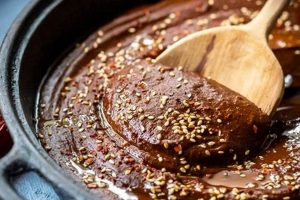
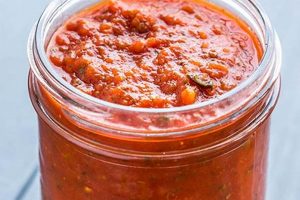
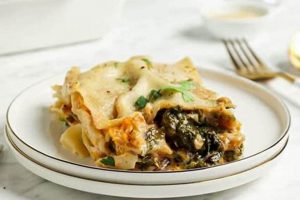
A culinary preparation derived from fire-kissed capsicums, this plant-based condiment offers a depth of flavor achieved through caramelization and concentration of natural sugars. It avoids animal products, adhering to the tenets of veganism. The sauce often serves as a versatile component in dishes, adding a sweet and smoky profile. An instance of its use could involve stirring it into pasta or utilizing it as a base for flatbread toppings.
The advantages of this particular sauce stem from both its dietary compliance and sensory appeal. It provides a readily accessible option for individuals following plant-based diets. Furthermore, it incorporates the nutritional benefits associated with the primary ingredient, such as vitamins and antioxidants. Historically, roasted pepper preparations have been prevalent across various cuisines, suggesting a long-standing appreciation for the flavor profile.
Subsequent sections will delve into specific aspects related to this sauce, including recipe variations, suitable culinary applications, and considerations for storage and preservation. This will provide a more complete understanding of its potential within the culinary landscape.
Vegan Roasted Red Pepper Sauce
Maximizing the flavor and utility of the described sauce necessitates careful attention to preparation and application. The following guidelines aim to enhance the culinary experience.
Tip 1: Pepper Selection: Choose firm, unblemished red bell peppers for optimal sweetness and roasting quality. Avoid peppers with soft spots or discoloration, as these may compromise the final flavor.
Tip 2: Roasting Technique: Ensure even charring of the peppers by rotating them frequently under direct heat (broiler or open flame). This develops the characteristic smoky flavor.
Tip 3: Skin Removal: Immediately after roasting, enclose the peppers in a sealed container (bowl covered with plastic wrap or a zip-top bag) to steam. This facilitates easy skin removal.
Tip 4: Seed and Stem Removal: Thoroughly remove all seeds and the stem core to prevent bitterness in the final sauce.
Tip 5: Flavor Enhancement: Incorporate aromatic ingredients such as garlic, herbs (basil, oregano), and a touch of balsamic vinegar during the blending process to deepen the flavor profile.
Tip 6: Consistency Adjustment: Add vegetable broth or water, gradually, to achieve the desired sauce consistency. Over-blending can result in a thin, watery texture.
Tip 7: Storage Practices: Store the prepared sauce in an airtight container in the refrigerator for up to one week. For extended storage, consider freezing in portioned containers.
Tip 8: Application Versatility: Utilize the sauce as a base for pizza, pasta, dips, or as a spread for sandwiches. Experiment with incorporating it into various recipes to explore its adaptability.
Adhering to these suggestions enables a more flavorful and consistent outcome, promoting the full potential of this vegan condiment.
The subsequent discussion will focus on advanced techniques for creating unique variations of the sauce, incorporating diverse flavor combinations and ingredients.
1. Versatile flavor profile

The inherent characteristic of a versatile flavor profile significantly contributes to the utility and broad appeal of sauces created from roasted red bell peppers adhering to vegan principles. The adaptability of its taste makes it suitable for integration into diverse culinary applications.
- Base Flavor Modulation
The foundation of roasted red pepper provides a subtly sweet and smoky taste that acts as a canvas. This allows for the addition of diverse flavor elements, like acidity, spice, or umami, without overwhelming the original character. Examples include adding lemon juice for brightness, chili flakes for heat, or nutritional yeast for a savory note. This adaptability makes it a reliable ingredient for a multitude of dishes, easily adjusted to different culinary preferences.
- Culinary Application Breadth
The flavor profile accommodates a wide range of applications, spanning from pasta sauces and pizza bases to dips and spreads. It complements both simple and complex dishes, working equally well with grilled vegetables and grain-based meals. Its compatibility reduces the necessity for multiple specialized sauces, streamlining meal preparation.
- Global Cuisine Integration
The inherent flavor lends itself well to a variety of global cuisines. It can be incorporated into Mediterranean-inspired dishes with herbs like oregano and basil, or Southwestern-inspired recipes with cumin and chili powder. This adaptability broadens its potential audience and positions it as a valuable ingredient for fusion cuisine.
- Dietary Accommodation
Being inherently vegan, the base flavor profile avoids common allergens and dietary restrictions related to animal products. This increases accessibility and allows for broader consumer appeal, particularly among individuals with specific dietary requirements or ethical considerations.
The interplay of these elements underscores the significance of the versatile flavor in enhancing the appeal of sauces derived from roasted red bell peppers prepared in accordance with vegan principles. This characteristic, combined with its ease of modification and integration, contributes significantly to its adoption and widespread use in culinary practices.
2. Nutritional contributions

The presence of measurable nutritional components within red bell peppers directly translates to beneficial outcomes when these peppers are transformed into a vegan sauce through roasting. The process of roasting, while enhancing flavor, affects the concentration and bioavailability of certain nutrients. Red bell peppers are inherently rich in Vitamin C, Vitamin A (primarily as beta-carotene), Vitamin B6, and folate. They also contain antioxidants such as carotenoids, including lycopene and beta-carotene, which contribute to overall health. When roasted, the heat can reduce Vitamin C content, but the remaining concentration still provides a valuable contribution. The carotenoids, being fat-soluble, often become more bioavailable due to cell wall breakdown during the roasting process. Examples include sauces providing Vitamin A, important for vision and immune function, and antioxidants that combat cellular damage from free radicals.
Furthermore, the incorporation of additional vegan-compliant ingredients into the sauce, such as garlic, herbs, and olive oil, adds to the overall nutritional profile. Garlic contributes allicin, a compound with potential antimicrobial properties, while herbs provide various vitamins and minerals. Olive oil, a source of monounsaturated fats, contributes to heart health. In practical terms, consuming this sauce as part of a balanced diet can contribute to meeting daily requirements for essential vitamins and antioxidants. However, it is important to note that the precise nutritional content can vary based on the specific recipe and preparation methods.
In summary, the nutritional contributions of vegan roasted red pepper sauce are derived from the inherent nutrient density of red bell peppers and the addition of complementary ingredients. While roasting alters some nutrient concentrations, the sauce remains a source of essential vitamins, antioxidants, and healthy fats. Awareness of these nutritional aspects is crucial for individuals seeking to incorporate this condiment into a health-conscious dietary plan. The challenge lies in optimizing preparation methods to minimize nutrient loss, ensuring maximum benefit from consumption.
3. Roasting process variables

The parameters governing the roasting process exert a significant influence on the final characteristics of vegan roasted red pepper sauce. The interplay of these variables determines flavor depth, texture, and overall sensory experience.
- Temperature
Roasting temperature dictates the rate of caramelization and Maillard reaction, key processes for flavor development. Lower temperatures (e.g., 350F/175C) promote gradual sugar caramelization, resulting in a sweeter, milder flavor. Higher temperatures (e.g., 450F/230C) accelerate these reactions, yielding a more intense, smoky, and potentially bitter flavor. For example, using a lower temperature might produce a sauce with a gentle sweetness suitable for delicate pasta dishes, while a higher temperature would result in a sauce with a robust, charred flavor, ideal for barbecue applications. Incorrect temperature control can lead to uneven roasting or burning, negatively impacting flavor uniformity.
- Roasting Time
The duration of roasting affects the level of moisture reduction and the intensity of flavor concentration. Shorter roasting times preserve more of the pepper’s natural moisture, resulting in a thinner sauce with a fresher, less-developed flavor. Extended roasting times reduce moisture content, leading to a thicker sauce with a more concentrated, richer flavor. Insufficient roasting may leave the peppers undercooked, imparting a raw or vegetal taste to the sauce. Over-roasting can cause excessive charring and bitterness. Optimal roasting time depends on the desired sauce consistency and flavor profile.
- Roasting Method
Different roasting methods impart unique flavor characteristics. Open-flame roasting (e.g., using a gas stovetop burner) produces a distinct charred, smoky flavor due to direct exposure to high heat. Oven roasting, whether convection or conventional, provides more even heat distribution, leading to a more uniform caramelization. Broiling offers intense top-down heat, creating rapid charring. Each method requires careful monitoring to prevent burning. For instance, open-flame roasting, while providing a desirable smoky flavor, demands constant attention to avoid scorching the peppers.
- Pepper Preparation
Pre-roasting preparation, such as halving or quartering the peppers, affects the surface area exposed to heat, influencing roasting speed and flavor development. Halving the peppers allows for faster roasting and more even caramelization compared to leaving them whole. Lightly coating the peppers with oil before roasting can promote even browning and prevent sticking. Properly removing seeds and stems after roasting minimizes bitterness in the final sauce. Inconsistent preparation can result in unevenly roasted peppers and a less homogenous sauce.
These roasting process variables collectively determine the final quality of vegan roasted red pepper sauce. Careful consideration and precise control over these parameters are essential for achieving a sauce with the desired flavor, texture, and overall appeal. Variation in any of these factors can significantly alter the final product, highlighting the importance of understanding their individual and combined effects.
4. Ingredient complementarity
The principle of ingredient complementarity is paramount in the creation of a nuanced and balanced vegan roasted red pepper sauce. Strategic selection of ingredients that harmonize with the inherent flavor profile of roasted red bell peppers enhances the overall sensory experience and elevates the culinary potential of the final product.
- Acidity Balancing
The inherent sweetness of roasted red bell peppers necessitates a counterbalancing acidic element to prevent cloyingness and enhance flavor complexity. Examples include lemon juice, balsamic vinegar, or red wine vinegar. The addition of these acids not only cuts through the sweetness but also brightens the overall flavor profile, contributing a sharper, more vibrant taste. The appropriate level of acidity depends on the desired final flavor profile, with some preparations favoring a more pronounced tang while others prioritize a subtler balance.
- Aromatic Enhancement
Aromatic herbs and spices contribute layers of complexity and depth to the sauce. Garlic, both raw and roasted, introduces pungency and umami. Fresh herbs like basil, oregano, and thyme contribute herbaceous notes that complement the sweetness of the peppers. Smoked paprika adds a smoky dimension, further enhancing the roasted character. These aromatic elements interact synergistically, creating a more compelling and multi-faceted flavor profile. The choice and quantity of aromatics should align with the intended application of the sauce.
- Fat Emulsification and Texture
The incorporation of fat is crucial for achieving a smooth and emulsified sauce texture and for carrying flavor compounds. Extra virgin olive oil is a common vegan choice, contributing both richness and a subtle fruity note. Other options include cashew cream or sunflower seed butter for a creamier texture. The fat component helps to bind the ingredients together, creating a cohesive sauce that clings well to pasta or other surfaces. The amount of fat can be adjusted to achieve the desired level of richness and mouthfeel.
- Umami Enrichment
Umami, the savory fifth taste, can be introduced through ingredients like sun-dried tomatoes, nutritional yeast, or vegetable broth. These ingredients contribute glutamates, which enhance the overall savory character of the sauce and create a more satisfying taste experience. Nutritional yeast also provides a cheesy note, making it a valuable addition for vegan preparations. The use of umami-rich ingredients can deepen the complexity of the sauce and balance the sweetness and acidity, resulting in a more well-rounded flavor profile.
The judicious application of these complementary ingredients transforms a simple roasted red pepper base into a complex and flavorful sauce suitable for a wide range of culinary applications. Understanding the interplay of these elements allows for the creation of customized sauce variations that cater to specific taste preferences and dietary requirements, highlighting the versatility and adaptability of vegan roasted red pepper sauce.
5. Storage considerations
The longevity and quality of vegan roasted red pepper sauce are intrinsically linked to adherence to proper storage protocols. Degradation of the sauce, resulting from microbial growth or enzymatic activity, can be mitigated through appropriate preservation techniques. Failure to store the sauce correctly can lead to spoilage, rendering it unsuitable for consumption and potentially posing a health risk. For example, storing the sauce at room temperature fosters bacterial proliferation, leading to a rapid decline in quality. The acidic nature of some added ingredients, such as vinegar or lemon juice, provides a degree of natural preservation, but it is insufficient to ensure long-term stability without refrigeration or freezing. Improperly sealed containers allow air exposure, promoting oxidation and the development of off-flavors.
Refrigeration at temperatures below 40F (4C) slows down microbial growth, extending the sauce’s shelf life to approximately one week. Freezing the sauce in airtight containers or freezer bags halts enzymatic activity and microbial proliferation, preserving its quality for several months. When freezing, consider portioning the sauce into smaller quantities to facilitate convenient thawing and usage. Upon thawing, the sauce may exhibit a slight change in texture, but the flavor should remain largely intact. Addition of oil can protect the surface against oxidation.
In conclusion, storage considerations are a crucial component in maintaining the quality and safety of vegan roasted red pepper sauce. Refrigeration or freezing are necessary to inhibit microbial growth and enzymatic degradation. Proper packaging and temperature control are essential to prevent spoilage and ensure that the sauce retains its intended flavor and nutritional characteristics over time. Understanding and implementing appropriate storage practices is paramount for both home cooks and commercial producers of this culinary product.
Frequently Asked Questions Regarding Vegan Roasted Red Pepper Sauce
The following questions address common inquiries and misconceptions pertaining to this plant-based condiment, providing clarity on its preparation, usage, and characteristics.
Question 1: What constitutes the defining features of vegan roasted red pepper sauce?
The sauce is characterized by its composition, derived exclusively from plant-based ingredients. It primarily consists of roasted red bell peppers, processed and blended to achieve a desired consistency, and absent of any animal-derived components.
Question 2: How does roasting affect the nutritional profile of the red bell peppers?
Roasting can lead to a reduction in certain heat-sensitive vitamins, such as Vitamin C. However, other nutrients, like carotenoids, may become more bioavailable due to the breakdown of cellular structures during the roasting process.
Question 3: Can variations in roasting techniques alter the flavor of the sauce?
Yes. The duration and temperature of roasting directly impact the degree of caramelization and the development of smoky notes. Extended roasting at high temperatures yields a more intense, charred flavor, while shorter roasting at lower temperatures results in a milder, sweeter profile.
Question 4: What are the primary applications for vegan roasted red pepper sauce in culinary settings?
This sauce serves as a versatile ingredient, functioning as a base for pasta dishes, a topping for pizzas, a spread for sandwiches, or an accompaniment to grilled vegetables. Its adaptability makes it suitable for integration into diverse culinary traditions.
Question 5: What ingredients are commonly incorporated to enhance the sauce’s flavor?
Typical additions include garlic, herbs (such as basil or oregano), balsamic vinegar, olive oil, and spices. The selection of ingredients is contingent upon the desired flavor profile and the intended application of the sauce.
Question 6: How should vegan roasted red pepper sauce be stored to maintain its quality and prevent spoilage?
The sauce should be stored in an airtight container in the refrigerator for up to one week. For extended storage, freezing is recommended, preserving its quality for several months.
These answers clarify fundamental aspects of vegan roasted red pepper sauce, providing a comprehensive understanding of its characteristics and utilization.
The subsequent section will explore advanced techniques for creating unique and innovative variations of the sauce, expanding its culinary possibilities.
Concluding Assessment of Vegan Roasted Red Pepper Sauce
This discourse has systematically examined vegan roasted red pepper sauce, elucidating its composition, nutritional attributes, preparation methodologies, and culinary applications. Emphasis has been placed on the impact of roasting parameters, the role of complementary ingredients, and the necessity of proper storage techniques. The analysis has underscored the sauce’s versatility, dietary compatibility, and potential for flavor diversification.
The ongoing evolution of culinary practices necessitates a continuous exploration of plant-based alternatives and their integration into diverse dietary regimens. Vegan roasted red pepper sauce represents a significant contribution to this landscape, offering a flavorful and nutritious option for both home cooks and culinary professionals. Continued research into optimal preparation methods and ingredient pairings will further enhance its appeal and broaden its application within the global culinary sphere.