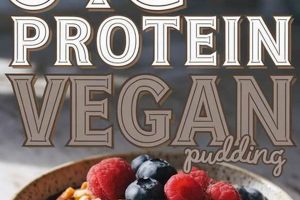
Plant-based sweets that offer a substantial amount of protein are gaining traction. These creations utilize ingredients like tofu, legumes, seeds, and nuts to boost their protein content beyond what is typically found in conventional desserts. Examples include protein-enhanced brownies made with black beans, puddings based on chia seeds, and energy balls packed with nut butter and seeds.
The appeal of these treats lies in their potential to satisfy both sweet cravings and nutritional needs. Increased protein intake can contribute to satiety, muscle repair, and overall well-being. Historically, vegan diets were sometimes perceived as lacking in protein, but the development of protein-rich recipes addresses this concern and expands the options available for those following a plant-based lifestyle.
The following sections will delve into the specific ingredients commonly employed in crafting these protein-forward treats, provide practical tips for maximizing protein content in vegan desserts, and explore a selection of recipes designed to illustrate the possibilities.
Maximizing Protein in Plant-Based Sweets
Achieving a high protein content in plant-based desserts requires strategic ingredient selection and recipe modification. The following guidelines outline practical approaches to enhance the protein profile of vegan sweets.
Tip 1: Incorporate Legumes. Blended beans, such as black beans or chickpeas, can be seamlessly integrated into brownies, cakes, or muffins. They contribute substantial protein and fiber without significantly altering the dessert’s flavor profile.
Tip 2: Utilize Tofu or Silken Tofu. These soy-based products provide a smooth texture and neutral flavor, making them suitable for creating creamy desserts such as puddings, mousses, or cheesecakes. Tofu is a complete protein source, offering all essential amino acids.
Tip 3: Add Nut Butters or Seeds. Almond butter, peanut butter, sunflower seed butter, or tahini can be added to cookies, bars, or energy balls. These ingredients contribute protein, healthy fats, and essential nutrients.
Tip 4: Include Protein Powders. Vegan protein powders derived from sources such as soy, pea, rice, or hemp can be mixed into batters or doughs to increase protein content. Consider the powder’s flavor profile when incorporating it into recipes.
Tip 5: Opt for Protein-Enriched Plant-Based Milks. Soy milk, pea protein milk, or other fortified plant milks can be used in place of water or other liquids in recipes to add protein and other nutrients.
Tip 6: Incorporate Chia Seeds or Flax Seeds. These seeds provide protein, fiber, and omega-3 fatty acids. They can be added to puddings, smoothies, or used as an egg replacement in baking.
Tip 7: Use Whole Grains. When making cookies or bars, utilize whole wheat flour or oat flour to increase the overall protein and fiber content of the dessert.
By implementing these techniques, it is possible to create satisfying and nutritionally balanced plant-based desserts that contribute to overall dietary protein goals.
The subsequent section presents specific recipe examples that showcase these high-protein strategies in action.
1. Ingredient Selection

Ingredient selection is a foundational aspect of creating plant-based, protein-enhanced desserts. The ingredients chosen directly dictate the protein content, texture, flavor, and overall nutritional profile of the final product. Careful consideration of protein sources, binders, sweeteners, and flavorings is essential for achieving a satisfying and nutritious result.
- Plant-Based Protein Sources
Legumes, such as black beans, chickpeas, and lentils, serve as excellent sources of protein and fiber in baked goods. Tofu and silken tofu provide a creamy base for puddings and mousses, offering a complete protein source. Nuts and seeds, including almonds, walnuts, chia seeds, and flax seeds, contribute protein, healthy fats, and essential nutrients. Seitan, a wheat gluten-based ingredient, while less common in desserts, can be adapted into certain recipes for a significant protein boost.
- Binders and Texturizers
In conventional baking, eggs provide binding and leavening. Plant-based alternatives include flax eggs (ground flax seeds mixed with water), chia seeds, apple sauce, mashed banana, and aquafaba (the liquid from canned chickpeas). These ingredients not only act as binders but also contribute to the texture of the dessert. The choice of binder influences the moisture content, density, and overall mouthfeel of the finished product.
- Sweeteners
The selection of sweeteners significantly impacts the flavor and nutritional profile. Refined sugars contribute empty calories, while natural sweeteners like maple syrup, agave nectar, dates, and fruit purees offer additional nutrients and antioxidants. Sugar alcohols, such as erythritol and xylitol, can reduce the calorie content, but potential digestive effects should be considered. Stevia, a non-caloric sweetener, is another option, although its distinct aftertaste may require careful balancing with other flavors.
- Flavorings and Additives
Extracts, spices, cocoa powder, and fruit purees enhance the flavor of plant-based desserts. The choice of these ingredients can also contribute to the overall nutritional value. For instance, cocoa powder provides antioxidants, while spices like cinnamon and nutmeg offer anti-inflammatory properties. Fruit purees contribute vitamins and minerals. The use of natural flavorings and avoidance of artificial additives aligns with a health-conscious approach to dessert creation.
The interplay of these ingredient categories determines the success of the recipe. For example, a black bean brownie relies on the protein and fiber from black beans, the binding properties of apple sauce, and the sweetness of dates. A tofu-based mousse gains its protein from tofu, its smooth texture from the blending process, and its sweetness and flavor from maple syrup and vanilla extract. The careful selection and combination of ingredients is the key to crafting delicious and nutritious plant-based, protein-enhanced desserts.
2. Protein Enhancement

Protein enhancement is a core principle in the creation of high-protein plant-based confectionery. These recipes diverge from conventional dessert formulations by actively increasing the protein content through strategic ingredient additions. This is achieved by incorporating protein-rich components that are not traditionally associated with desserts, effectively transforming the nutritional profile of the final product. The objective is to create a dessert option that not only satisfies sweet cravings but also contributes meaningfully to daily protein intake.
The importance of protein enhancement is evident in its ability to address a perceived nutritional gap often associated with vegan diets. Traditional desserts are typically high in carbohydrates and fats, offering minimal protein. By incorporating ingredients like tofu, legumes, nuts, and seeds, the protein content of the dessert is significantly elevated. For instance, replacing some of the flour in a brownie recipe with black bean puree demonstrably increases the protein content while also contributing moisture and fiber. Similarly, adding a scoop of plant-based protein powder to a smoothie bowl transforms it from a sugary treat into a more balanced and satiating snack. Understanding the impact of different protein sources allows for precise adjustments to recipes, ensuring the desired protein target is reached.
In summary, protein enhancement is not merely an addition but an integral design element in the development of high-protein plant-based confectionery. It is the deliberate manipulation of ingredient composition to create a nutritionally superior product. The ongoing challenge lies in balancing the addition of protein with the preservation of taste, texture, and overall palatability. Successfully navigating this balance is key to creating high-protein plant-based desserts that are both appealing and beneficial.
3. Texture Optimization

Texture optimization is a critical determinant of palatability in any food product, and its importance is amplified in plant-based desserts where conventional animal-derived ingredients, which contribute significantly to texture, are absent. High protein vegan desserts present unique challenges in achieving desirable textural characteristics due to the incorporation of ingredients like legumes, tofu, and protein powders, which can alter the final product’s mouthfeel. Overcoming these challenges is essential for consumer acceptance and satisfaction.
- Managing Moisture Content
The addition of ingredients such as blended beans or tofu can introduce excess moisture, leading to a gummy or excessively dense texture. Conversely, protein powders can absorb moisture, resulting in a dry or crumbly consistency. Balancing moisture is achieved through careful ingredient ratios, controlled baking times, and the addition of ingredients that bind moisture, such as flaxseed meal or psyllium husk. Example: Adjusting the amount of aquafaba in a vegan meringue to control its stability and prevent collapse.
- Mimicking Creaminess and Richness
Animal-based fats contribute significantly to the creamy and rich texture of traditional desserts. Replicating this sensation in plant-based versions requires utilizing ingredients like coconut cream, avocado, or blended cashews. Emulsification techniques, such as high-speed blending, are essential to create a smooth and stable texture. Example: Using soaked and blended cashews to create a dairy-free cheesecake filling with a smooth, rich mouthfeel.
- Controlling Graininess and Grittiness
Certain protein sources, particularly some protein powders or coarsely ground seeds, can impart an undesirable grainy or gritty texture. This can be mitigated by using finely milled ingredients, pre-soaking seeds, or employing techniques like double-baking to reduce the perception of grittiness. Example: Sifting almond flour multiple times to remove larger particles and ensure a smoother texture in vegan macarons.
- Achieving Desired Chewiness or Crispness
The desired texture in baked goods can range from chewy to crisp. Achieving these textures in high-protein vegan desserts requires careful manipulation of gluten development (or its absence in gluten-free recipes) and controlling the Maillard reaction. For example, using a combination of flours with varying protein content can influence the chewiness of cookies, while adjusting baking temperature and time affects their crispness. The addition of ingredients like tapioca starch can also contribute to a chewier texture.
The success of high protein vegan desserts hinges on the effective application of texture optimization strategies. The examples given demonstrate that achieving the texture is feasible, but requires careful attention to detail throughout the formulation and preparation process. Continuous refinement and experimentation with different ingredients and techniques are crucial for expanding the possibilities within this culinary category.
4. Nutritional Balance
Nutritional balance is a central consideration in the formulation of desserts, particularly those designed for specific dietary needs. High protein vegan desserts aim to provide not only a palatable treat but also a more balanced macronutrient profile compared to traditional sweets. The incorporation of plant-based protein sources necessitates careful attention to overall caloric density, carbohydrate content, and fat composition. An ideal outcome involves a dessert that delivers a substantial amount of protein alongside moderate levels of carbohydrates and fats, contributing positively to daily nutritional requirements.
Achieving nutritional balance within these desserts presents certain challenges. For example, adding significant amounts of nuts or seeds to boost protein can also increase fat content, potentially elevating the overall caloric density. Similarly, relying heavily on refined sugars to enhance palatability can negate the health benefits of added protein. A practical approach involves utilizing whole-food sweeteners like dates or fruit purees, which provide natural sweetness alongside fiber and micronutrients. Furthermore, portion control becomes particularly relevant to manage caloric intake, ensuring that these desserts serve as a complement to a balanced diet rather than a replacement for nutritious meals. The addition of ingredients like chia seeds or flax seeds can contribute to both protein and fiber intake, enhancing the nutritional value without substantially increasing calories.
In summary, nutritional balance is not merely an optional add-on but an intrinsic component of well-formulated high protein vegan desserts. It requires a deliberate strategy to optimize macronutrient ratios, manage caloric density, and incorporate nutrient-rich ingredients. The ultimate goal is to provide a satisfying and enjoyable dessert option that aligns with the principles of a healthy and balanced plant-based diet, addressing both the desire for sweetness and the need for adequate protein intake.
5. Flavor Profile
The flavor profile of high protein vegan desserts is a critical element in their overall appeal and acceptance. Successfully crafting these desserts requires a nuanced understanding of how plant-based ingredients interact to create a satisfying and desirable taste experience, particularly in the absence of traditional dairy and egg components.
- Masking and Complementing Base Flavors
Many high-protein vegan ingredients, such as legumes, tofu, or certain protein powders, possess distinct base flavors that may not be inherently desirable in a dessert context. Flavor enhancement strategies involve masking these base flavors with stronger, more appealing notes (e.g., using cocoa powder to conceal the flavor of black beans) or complementing them with ingredients that enhance their inherent sweetness or nuttiness (e.g., pairing almond butter with maple syrup to create a rich, harmonious flavor). These adjustments are necessary to transform inherently savory components into palatable dessert elements. Example: Using dark chocolate and espresso powder to mask the earthy notes of black beans in a brownie recipe, creating a rich, intense chocolate flavor.
- Utilizing Natural Sweeteners and Enhancers
The choice of sweeteners significantly impacts the overall flavor profile. Refined sugars offer a predictable sweetness but lack complexity. Natural sweeteners, such as maple syrup, agave nectar, date syrup, or fruit purees, contribute nuanced flavor notes that can enhance the overall taste experience. Additionally, ingredients like vanilla extract, citrus zest, and spices can intensify sweetness and add complexity. Example: Replacing granulated sugar with date syrup in a vegan cookie recipe, resulting in a slightly caramel-like flavor and a softer texture.
- Balancing Sweetness and Other Flavor Dimensions
Effective flavor profiling in high protein vegan desserts requires balancing sweetness with other flavor dimensions, such as acidity, bitterness, and saltiness. A touch of acidity from lemon juice or apple cider vinegar can brighten the flavors and prevent the dessert from being overly cloying. A pinch of salt can enhance the sweetness and create a more complex and satisfying taste. Incorporating bitter elements, such as dark chocolate or coffee, can add depth and prevent the dessert from being one-dimensional. Example: Adding a small amount of sea salt to a vegan chocolate mousse to enhance the sweetness and create a more sophisticated flavor profile.
- Creating Unique Flavor Combinations
The absence of traditional dairy and egg components provides opportunities to explore unique and innovative flavor combinations. Experimenting with unconventional pairings, such as avocado and lime, or black sesame and coconut, can create desserts that are both surprising and satisfying. The use of herbs and spices, such as basil, mint, or cardamom, can further enhance the complexity and sophistication of the flavor profile. Example: Developing a vegan avocado lime cheesecake that balances the richness of avocado with the tartness of lime and the sweetness of agave nectar, creating a refreshing and unique flavor experience.
The successful integration of these aspects ensures that the ultimate creation is appealing. These strategies contribute to a flavor profile that is not only palatable but also enhances the overall appeal and acceptability of such novel creations. By prioritizing flavor development, these desserts can successfully bridge the gap between health and indulgence, attracting a wider audience and promoting the adoption of plant-based diets.
Frequently Asked Questions
The following addresses common inquiries regarding plant-based, protein-enhanced desserts. These answers aim to provide clarity on nutritional aspects, preparation techniques, and ingredient considerations.
Question 1: What constitutes a high-protein vegan dessert?
A high-protein vegan dessert is characterized by its significant protein content derived solely from plant-based sources. This typically involves the incorporation of ingredients such as legumes, tofu, nuts, seeds, or vegan protein powders to substantially elevate the protein level above that found in conventional desserts.
Question 2: Are high-protein vegan desserts nutritionally complete?
While high-protein vegan desserts can contribute to overall protein intake, they are not typically considered nutritionally complete meals. They are intended to supplement a balanced diet rather than serve as a primary source of essential nutrients. A varied intake of fruits, vegetables, grains, and other protein sources remains crucial.
Question 3: How do these desserts differ from regular vegan desserts?
The primary distinction lies in the emphasis on protein content. Regular vegan desserts focus on excluding animal products but may not necessarily prioritize protein. High-protein versions actively seek to increase protein levels through the inclusion of specific protein-rich ingredients.
Question 4: What are common protein sources utilized in such creations?
Frequently employed protein sources include blended legumes (e.g., black beans, chickpeas), tofu or silken tofu, nut butters (e.g., almond butter, peanut butter), seeds (e.g., chia seeds, flax seeds), and commercially available vegan protein powders derived from soy, pea, rice, or hemp.
Question 5: Can such ingredient changes substantially alter taste or texture?
Yes, the incorporation of protein-rich ingredients can impact taste and texture. Formulations often require adjustments in sweeteners, binders, and flavorings to compensate for any undesirable characteristics introduced by the protein sources. Effective recipes prioritize masking or complementing these flavors to achieve a palatable result.
Question 6: Are commercially available high-protein vegan desserts healthier than homemade versions?
The nutritional quality of commercially available and homemade high-protein vegan desserts varies significantly. Commercially produced options may contain added sugars, processed ingredients, and artificial additives. Homemade versions offer greater control over ingredient selection, allowing for the incorporation of healthier sweeteners, whole foods, and reduced levels of processed ingredients.
In conclusion, high-protein vegan desserts can serve as a supplementary source of protein within a plant-based diet. Careful attention to ingredient selection and recipe modification is essential for achieving a palatable and nutritionally balanced final product.
The subsequent article section will delve into specific recipe adaptations and provide practical tips for maximizing protein content in homemade versions.
Conclusion
The preceding analysis has explored the multifaceted nature of high protein vegan desserts, from the strategic selection of ingredients to the optimization of texture and flavor. The exploration underscores the increasing demand for plant-based options that cater to both dietary preferences and nutritional requirements.
The capacity of high protein vegan desserts to address the perceived protein limitations of vegan diets highlights the potential of culinary innovation to bridge nutritional gaps. Continuous research, refinement, and consumer education are essential to solidify the role of high protein vegan desserts as a sustainable and health-conscious food choice. The future of the segment hinges on the ongoing evolution of recipe formulations, processing technologies, and a growing awareness of the nutritional benefits they provide.

![Fuel Up: Best Vegan Wafer Protein Bars [Delicious!] | Discover Delicious Vegan Food, Beauty Swaps, and Zero-Waste Tips for a Greener Life](https://thisvegangirl.com/wp-content/uploads/2026/05/th-325-300x200.jpg "Fuel Up: Best Vegan Wafer Protein Bars [Delicious!] Discover Delicious Vegan Food, Beauty Swaps, and Zero-Waste Tips for a Greener Life")