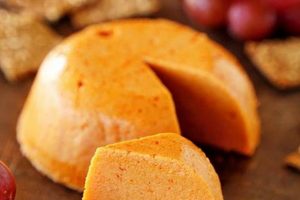
A plant-based alternative to traditional cheese sauce, this recipe utilizes cashews as its primary ingredient. The nuts are typically soaked, blended, and combined with nutritional yeast, spices, and plant-based milk to create a creamy, cheese-like consistency. The resulting product is then flavored to mimic the taste of nacho cheese, often using ingredients such as chili powder, cumin, and paprika.
This food item provides a dairy-free and cholesterol-free option for individuals following vegan or vegetarian diets, or those with lactose intolerance. The cashews contribute healthy fats and protein, while nutritional yeast offers a source of B vitamins. The preparation aligns with the growing demand for plant-based alternatives and offers a more sustainable food choice compared to dairy-based products. It broadens culinary options and introduces a wider audience to the potential of plant-based cuisine.
This article will now explore the specific preparation methods, nutritional profile, and potential culinary applications of this popular vegan alternative. Further discussion will detail common variations, troubleshooting tips, and storage recommendations to ensure optimal results and satisfaction.
Preparation and Usage Tips
Maximizing the quality and flavor of this vegan alternative requires attention to several key aspects during preparation and subsequent application.
Tip 1: Cashew Selection and Soaking: Opt for raw, unsalted cashews. Soaking them in hot water for at least 30 minutes, or preferably overnight, softens them for easier blending and a smoother final texture.
Tip 2: High-Speed Blending: A high-speed blender is recommended to achieve a completely smooth and creamy consistency. If a standard blender is used, extend the blending time and scrape down the sides frequently.
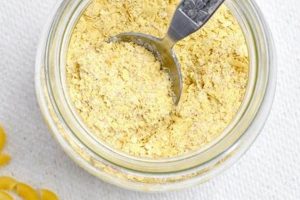
Tip 3: Nutritional Yeast Quantity: Adjust the amount of nutritional yeast to taste. Start with a smaller amount and gradually add more to reach the desired cheesy flavor intensity. Overuse can lead to a bitter taste.
Tip 4: Spice Calibration: Begin with small amounts of chili powder, cumin, and smoked paprika. Taste and adjust the seasoning to preference. Consider adding a pinch of cayenne pepper for a subtle heat.
Tip 5: Acidic Element: Incorporating a small amount of lemon juice or apple cider vinegar enhances the flavor profile, mimicking the tang of traditional cheese.
Tip 6: Thickening Adjustments: If the sauce is too thin, simmer it gently on the stovetop, stirring constantly, until it reaches the desired consistency. If too thick, add small amounts of plant-based milk until thinned.
Tip 7: Serving Temperature: While palatable cold, this item is best served warm. Reheat gently on the stovetop or in the microwave, stirring frequently to prevent separation.
Tip 8: Storage Considerations: Store leftover sauce in an airtight container in the refrigerator for up to 5 days. The sauce may thicken upon refrigeration; re-warm and add a touch of liquid to restore its original consistency.
Adhering to these guidelines can significantly improve the taste, texture, and overall enjoyment of this versatile plant-based condiment.
The following section will delve into various recipe variations and creative applications beyond the traditional nacho pairing.
1. Creamy Texture

The attribute of creamy texture is a defining characteristic central to the appeal and successful substitution of dairy-based nacho cheese with this vegan alternative. The expectation of a smooth, rich mouthfeel is inherent in the concept of nacho cheese, and the ability to replicate this sensation is crucial for consumer acceptance. The creamy texture is a direct consequence of the preparation method, specifically the thorough soaking and high-speed blending of raw cashews. Insufficient soaking results in a grainy or less smooth texture, while inadequate blending leaves noticeable cashew particles, both detracting from the desired outcome. For instance, a batch prepared with unsoaked cashews will invariably possess a noticeably inferior texture compared to one made with cashews soaked overnight.
The attainment of a creamy texture also influences the overall flavor perception. A smoother texture allows the flavors of the nutritional yeast, spices, and acidic elements to meld more effectively, creating a more cohesive and satisfying taste profile. Conversely, a grainy texture can disrupt the flavor balance, making individual components more pronounced and less harmonious. Furthermore, the creamy texture contributes to the versatility of the product, enabling it to function effectively as a dip, sauce, or spread. Its ability to coat and cling to tortilla chips or vegetables, for example, is directly linked to its viscosity and smoothness. A less creamy, more liquid consistency would render it less suitable for these applications.
Ultimately, the emphasis on achieving a creamy texture underscores the importance of precise technique in the preparation of this vegan dish. While flavor is subjective and open to individual preferences, the textural element is a fundamental requirement for successful replication of the nacho cheese experience. The pursuit of this creamy texture requires meticulous attention to detail, highlighting the interplay between ingredient preparation and desired sensory outcome.
2. Nutritional Profile
The nutritional profile of this food item represents a key differentiating factor compared to traditional dairy-based nacho cheese. The base ingredient, cashews, contributes a significant portion of the nutritional value. These nuts are naturally rich in monounsaturated fats, which are considered heart-healthy fats. Additionally, cashews provide a source of plant-based protein, essential for muscle repair and maintenance. Micronutrients present in cashews include magnesium, zinc, and iron, playing vital roles in various bodily functions. The inclusion of nutritional yeast further enhances the nutritional content, providing a source of B vitamins, particularly vitamin B12, which is often lacking in vegan diets. Furthermore, by avoiding dairy, the cheese inherently lacks cholesterol, a beneficial attribute for individuals managing cholesterol levels. The spice blend, while contributing primarily to flavor, can also offer trace amounts of antioxidants.
The absence of dairy, however, also implies the absence of certain nutrients typically found in dairy cheese, such as calcium. While calcium can be supplemented through other dietary sources or fortified plant-based milk within the recipe, it is an important consideration for individuals relying heavily on dairy for calcium intake. The sodium content can also be a factor, depending on the recipe and the amount of salt added for flavor. Careful attention to ingredient selection and portion sizes is crucial for optimizing the nutritional benefits and mitigating potential drawbacks. A well-crafted version balances flavor with nutritional value, providing a satisfying and relatively healthy alternative to traditional cheese.
In summary, the nutritional profile represents a compelling advantage of this plant-based choice. While it may not perfectly replicate the nutritional composition of dairy cheese, it offers a distinct set of benefits, including healthy fats, plant-based protein, B vitamins, and the absence of cholesterol. Strategic ingredient selection and mindful preparation are key to maximizing the nutritional potential and addressing any potential nutrient gaps. Further research and development in vegan cheese alternatives continue to improve the nutritional profiles and broaden the range of available options.
3. Flavor Versatility

Flavor versatility is a significant attribute of the vegan cheese, extending its culinary applications beyond the simple replacement of dairy-based nacho cheese. The neutral base provided by the cashews allows for considerable manipulation of the flavor profile, enabling the creation of variations tailored to diverse cuisines and preferences. This adaptability stems from the blank canvas presented by the cashew cream, which readily absorbs and integrates the flavors of added spices, herbs, and other ingredients. The flavor, while reminiscent of traditional nacho cheese through the use of nutritional yeast and common spices, can be readily altered to create wholly distinct flavor profiles.
The impact of flavor versatility manifests in several practical applications. For instance, the addition of smoked paprika and chipotle peppers creates a smoky, southwestern-style sauce. Conversely, incorporating roasted garlic, herbs de Provence, and a touch of white wine yields a flavor reminiscent of a French-inspired sauce. Examples extend to incorporating ingredients from different ethnic cuisines for new flavor such as indian food, korean, japanese food. The ability to transform the base product into a diverse range of flavors broadens its appeal and utility, making it a valuable ingredient in a variety of culinary contexts. Without this flexibility, the application would be significantly limited, confined to replicating only a single flavor profile.
In conclusion, flavor versatility is a defining characteristic that elevates the value and application of plant-based cheese. The ability to manipulate the flavor profile allows for the creation of a wide range of sauces, dips, and spreads, catering to diverse culinary preferences. This adaptability expands its applicability beyond mere dairy replacement, positioning it as a versatile ingredient in its own right. While achieving optimal texture and flavor balance remains a challenge, the inherent flavor versatility is a significant strength, underscoring its potential as a staple in plant-based cuisine.
4. Dairy-Free Alternative

The rise in demand for dairy-free alternatives has significantly contributed to the popularity and development of foods such as this plant-based choice. This attribute addresses the needs of individuals with lactose intolerance, dairy allergies, or those adhering to vegan diets, offering a viable substitute for traditional dairy-based nacho cheese.
- Health Considerations
Dairy-free options mitigate the digestive discomfort experienced by lactose-intolerant individuals. Eliminating dairy also reduces the intake of saturated fat and cholesterol, potentially benefiting cardiovascular health. Individuals with dairy allergies avoid severe allergic reactions by opting for plant-based alternatives.
- Ethical Considerations
Veganism promotes the ethical treatment of animals, leading to a rejection of dairy products sourced from animal agriculture. Choosing plant-based options aligns with these ethical principles, supporting cruelty-free food systems. Consumers are increasingly concerned about the environmental impact of dairy farming, and dairy-free alternatives offer a more sustainable choice.
- Dietary Restrictions and Preferences
Beyond medical conditions and ethical stances, many individuals simply prefer the taste or texture of dairy-free alternatives. This cheese alternative allows those with dietary restrictions or preferences to enjoy familiar dishes without compromising their dietary needs. It expands culinary options for individuals seeking to reduce or eliminate dairy from their diets.
- Nutritional Modifications
Dairy-free alternatives often undergo nutritional modifications to replicate or surpass the nutritional profile of dairy-based products. Fortification with calcium, vitamin D, and other essential nutrients ensures that consumers receive adequate nutritional support. Careful formulation can optimize the health benefits and address potential nutrient deficiencies.
The facets of health, ethics, dietary restrictions, and nutritional modifications underscore the significance of dairy-free alternatives in modern food systems. The popularity of vegan nacho cashew cheese reflects the increasing awareness of these considerations and the demand for plant-based options that cater to a diverse range of consumer needs and preferences.
5. Preparation Methods

The success of plant-based cheese is inextricably linked to its preparation methods. Unlike traditional dairy cheese, which relies on enzymatic reactions and bacterial cultures, this alternative depends on specific techniques to mimic the texture and flavor of the original. Preparation dictates the final product’s creaminess, taste intensity, and overall appeal. For example, the common practice of soaking cashews before blending directly impacts the sauce’s smoothness; insufficient soaking leads to a grainy texture, a clear indication of inadequate preparation. Similarly, the order and timing of ingredient addition influence flavor development. Incorporating spices too early, before the cashews are fully blended, can result in an uneven distribution of flavor, while adding acidic elements too late might prevent them from fully integrating with the other ingredients.
The choice of equipment also plays a pivotal role. A high-speed blender is often necessary to achieve the desired smooth consistency, while a food processor may yield a grittier result. Home cooks frequently encounter issues related to blending power, resulting in sauces that lack the proper texture. Adjustments, such as adding more liquid or extending blending time, become essential to compensate for equipment limitations. Heat application, whether through stovetop simmering or microwave reheating, also requires careful consideration. Overheating can cause separation or scorching, compromising the sauce’s texture and flavor. Furthermore, storage methods impact the cheese’s consistency over time. Refrigeration thickens the sauce, necessitating the addition of liquid upon reheating to restore its original texture.
In conclusion, preparation methods are not merely procedural steps but rather critical determinants of the quality of the final product. Deviations from established techniques can lead to undesirable outcomes, highlighting the importance of precision and attention to detail. The intricate relationship between preparation and quality underscores the need for clear, concise recipes and a thorough understanding of the underlying principles that govern the creation of successful cheese alternative. As plant-based cuisine continues to evolve, mastering these preparation methods will become increasingly important for both home cooks and professional chefs seeking to create delicious and convincing dairy-free alternatives.
6. Culinary Applications

The versatility of vegan nacho cashew cheese extends far beyond its namesake dish, encompassing a wide array of culinary applications that leverage its creamy texture and adaptable flavor profile. Its function as a dairy-free substitute and its capacity to integrate diverse flavor components render it a valuable ingredient across multiple cuisines.
- Sauce Base
The base serves as a foundation for various sauces, ranging from pasta sauces to vegetable toppings. Its smooth consistency allows it to coat surfaces evenly, imparting flavor and adding richness. Examples include using it as a creamy tomato sauce base for pasta or as a topping for baked potatoes. The neutral flavor allows for the incorporation of herbs, spices, and other flavorings to create customized sauces tailored to specific dishes.
- Dip
The cheese’s texture makes it an ideal dip for vegetables, crackers, and chips. Its creamy consistency enhances the sensory experience, while its flavor can be adjusted to complement the accompanying items. Examples include serving it as a dip for crudits, tortilla chips, or pretzels. Additions such as roasted red peppers, jalapenos, or caramelized onions can create unique and flavorful dips that cater to different preferences.
- Spread
The consistency allows it to function as a spread for sandwiches, wraps, and toast. Its rich flavor and creamy texture add depth and moisture to these items, enhancing their overall appeal. Examples include using it as a spread for grilled vegetable sandwiches, vegan wraps, or avocado toast. Additions such as sun-dried tomatoes, olives, or artichoke hearts can create flavorful spreads that elevate these dishes.
- Component in Baked Dishes
The sauce can be incorporated into baked dishes, such as casseroles, gratins, and pizzas. Its creamy texture and flavor contribute to the overall richness and complexity of these dishes. Examples include using it as a layer in a vegan lasagna, a topping for a vegetable gratin, or a base for a vegan pizza. Its ability to melt and blend with other ingredients makes it a versatile addition to baked culinary creations.
In conclusion, the culinary applications of vegan nacho cashew cheese are diverse, showcasing its adaptability as a dairy-free ingredient. From its function as a sauce base to its use as a dip, spread, and component in baked dishes, its versatility makes it a valuable addition to both home kitchens and professional culinary settings. Experimentation with different flavor combinations and preparation techniques further expands its potential, positioning it as a key ingredient in plant-based cuisine.
Frequently Asked Questions About Vegan Nacho Cashew Cheese
This section addresses common inquiries and misconceptions regarding plant-based nacho cheese, providing clarity on its preparation, nutritional aspects, and usage.
Question 1: Is cashew cheese truly dairy-free, considering its cheese-like qualities?
Yes, cashew cheese is inherently dairy-free. It utilizes cashews as its base and excludes all animal-derived ingredients, including milk, butter, and cheese cultures.
Question 2: Does cashew cheese offer a similar nutritional profile to traditional dairy cheese?
The nutritional profiles differ significantly. Cashew cheese is lower in saturated fat and cholesterol and offers plant-based protein and healthy fats. However, it may lack certain nutrients found in dairy cheese, such as calcium, unless fortified.
Question 3: Can cashew cheese be successfully frozen for later use?
Freezing is generally not recommended, as it can alter the texture, resulting in a grainy or separated consistency upon thawing. Freshly prepared or refrigerated cashew cheese offers the best quality.
Question 4: What are the common mistakes encountered when making cashew cheese?
Common errors include insufficient cashew soaking, inadequate blending, and improper seasoning. Failure to soak cashews thoroughly results in a grainy texture, while inadequate blending yields a lumpy sauce. Imbalanced seasoning can detract from the overall flavor.
Question 5: How long does cashew cheese typically last in the refrigerator?
Cashew cheese generally remains palatable for up to five days when stored in an airtight container in the refrigerator. However, its quality may degrade over time, affecting its texture and flavor.
Question 6: Can the flavor of cashew cheese be easily modified to suit different preferences?
Yes, its flavor can be readily adjusted by incorporating various spices, herbs, and flavorings. This versatility allows for customization to match specific culinary applications and taste preferences.
Cashew cheese presents a viable dairy-free alternative with its own unique set of properties and applications. Understanding its characteristics is crucial for optimal preparation and utilization.
The following section will explore recipe variations and advanced techniques for enhancing the taste and texture of vegan nacho cashew cheese.
Conclusion
This exploration of vegan nacho cashew cheese has examined its composition, preparation, nutritional profile, and culinary applications. The analysis underscored its utility as a dairy-free alternative, highlighting the importance of proper techniques to achieve optimal texture and flavor. The discussion further emphasized its versatility, extending beyond a simple nacho topping to encompass various sauces, dips, and spreads.
Vegan nacho cashew cheese represents a significant advancement in plant-based cuisine, offering a satisfying and ethical alternative to traditional dairy products. Continued research and refinement of preparation methods will undoubtedly further enhance its appeal and broaden its adoption. Its ongoing evolution reflects the growing demand for sustainable and inclusive food options, paving the way for a more diverse and compassionate culinary landscape.
![Daniel Fast: Best Vegan Cheese Options [Guide] | Discover Delicious Vegan Food, Beauty Swaps, and Zero-Waste Tips for a Greener Life](https://thisvegangirl.com/wp-content/uploads/2026/05/th-298-300x200.jpg "Daniel Fast: Best Vegan Cheese Options [Guide] Discover Delicious Vegan Food, Beauty Swaps, and Zero-Waste Tips for a Greener Life")