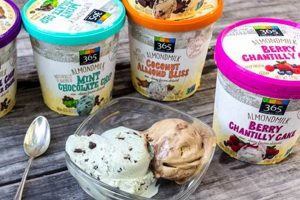
Frozen desserts catering to specific dietary needs are gaining popularity. These products are plant-based and formulated to be lower in calories compared to traditional dairy ice cream. This allows individuals adhering to vegan diets or seeking to reduce their caloric intake to enjoy a sweet treat without compromising their lifestyle choices.
The appeal of these desserts lies in their ability to provide a guilt-free indulgence. They often utilize alternative sweeteners and plant-based ingredients to achieve a desirable texture and flavor profile while minimizing calorie count and animal product usage. Historically, finding such options was challenging, but advancements in food technology have broadened the availability and improved the quality of these products.
The subsequent sections will delve into the ingredients commonly used in these frozen treats, the nutritional considerations to keep in mind, and a comparison with conventional ice cream options. Furthermore, it will explore the market trends and future prospects of this growing segment within the frozen dessert industry.
Guidance for Informed Selection
The following recommendations are designed to aid in making judicious choices when selecting a plant-based, reduced-calorie frozen dessert.
Tip 1: Ingredient List Scrutiny: A thorough review of the ingredient list is essential. Prioritize products that utilize whole food-based ingredients and avoid those with excessive artificial additives or fillers. For example, coconut milk or cashew cream bases are preferable over solely processed isolates.
Tip 2: Calorie Density Assessment: Compare calorie counts per serving across different brands. Pay close attention to serving sizes, as manufacturers may manipulate these to create a misleadingly low-calorie appearance. A realistic serving size should be considered when evaluating nutritional information.
Tip 3: Sugar Content Evaluation: Investigate the type and amount of sugar employed. Opt for products that use natural sweeteners like stevia or monk fruit in moderation, rather than high fructose corn syrup or excessive amounts of cane sugar. Excess sugar can negate the intended benefits of a low-calorie product.
Tip 4: Fat Profile Analysis: Examine the fat content, differentiating between saturated and unsaturated fats. While some saturated fat is acceptable, prioritize products with a higher proportion of unsaturated fats, such as those derived from nuts or avocados. Avoid products high in trans fats.
Tip 5: Fiber Content Consideration: Seek out products that incorporate fiber. Fiber can contribute to satiety, helping to manage portion control and prevent overconsumption. Ingredients like chia seeds or certain plant-based proteins can boost fiber content.
Tip 6: Protein Content Observation: Note the protein content. Although often lower than in traditional dairy ice cream, a product with a moderate amount of protein can contribute to feelings of fullness and support muscle maintenance.
Tip 7: Allergen Awareness: For individuals with allergies, carefully review the ingredient list for potential allergens such as nuts, soy, or gluten. Cross-contamination risks should also be considered, particularly for those with severe allergies.
By carefully considering these factors, consumers can make informed decisions when selecting these types of frozen desserts, aligning their choices with dietary goals and health considerations.
The subsequent sections will provide a more in-depth exploration of the ingredients, nutritional profiles, and market trends associated with this specialized food category.
1. Ingredients
The selection of ingredients is paramount in defining both the ‘vegan’ and ‘low calorie’ attributes of these frozen desserts. The absence of animal-derived components necessitates the use of plant-based alternatives for traditional dairy ingredients like milk, cream, and eggs. This shift fundamentally alters the composition and subsequently, the caloric content and nutritional profile. For instance, coconut milk or cashew cream might replace dairy cream, providing a creamy texture but with varying levels of fat and calories. Similarly, plant-based stabilizers like guar gum or tapioca starch are used in lieu of gelatin, ensuring a vegan-friendly formulation.
The deliberate choice of specific ingredients directly influences the calorie count. Manufacturers often employ alternative sweeteners such as erythritol or stevia to reduce the sugar content, a major contributor to calories in conventional ice cream. The type and quantity of fats used also play a significant role. Utilizing fats derived from sources like avocados or nuts, in controlled amounts, can provide a desirable mouthfeel while minimizing the overall caloric load. An examination of product labels reveals the practical application of these principles, with products listing specific ingredients and their corresponding nutritional values.
In summary, the ingredients are the foundational elements dictating the suitability of a frozen dessert for both vegan and low-calorie dietary requirements. The careful selection of plant-based alternatives and the strategic substitution of high-calorie components are essential for achieving the desired product characteristics. Understanding the interplay between ingredient choices and their subsequent impact on the final product is crucial for informed consumer decisions. Challenges remain in replicating the exact taste and texture of traditional ice cream, but ongoing innovations in food science continue to improve the quality and appeal of these offerings.
2. Sweeteners

The selection of sweeteners represents a critical determinant in the formulation of plant-based, reduced-calorie frozen desserts. The types and quantities of sweetening agents directly influence the overall caloric content, taste profile, and suitability for individuals managing blood sugar levels or seeking to reduce their sugar intake.
- Artificial Sweeteners
Artificial sweeteners, such as aspartame, saccharin, and sucralose, offer intense sweetness without contributing significant calories. While effective in lowering the caloric load, their use remains controversial due to potential health concerns and consumer preferences for more natural alternatives. Certain products may incorporate these sweeteners to achieve a desired sweetness level while minimizing calories.
- Sugar Alcohols
Sugar alcohols, including erythritol, xylitol, and sorbitol, provide a reduced-calorie sweetening option. These compounds are incompletely absorbed by the body, resulting in fewer calories compared to traditional sugars. However, excessive consumption of sugar alcohols can lead to digestive discomfort in some individuals. Erythritol is frequently used due to its minimal impact on blood sugar levels and its generally well-tolerated nature.
- Natural Non-Nutritive Sweeteners
Natural non-nutritive sweeteners, such as stevia and monk fruit extract, are derived from plant sources and offer sweetness without significant caloric contribution. These sweeteners have gained popularity as healthier alternatives to artificial sweeteners and refined sugars. Stevia, extracted from the Stevia rebaudiana plant, and monk fruit, derived from the Siraitia grosvenorii fruit, are commonly used in formulations seeking a natural sweetening solution.
- Impact on Texture and Freezing Point
The choice of sweetener also influences the texture and freezing point of the final product. Traditional sugars contribute to a softer texture and lower freezing point due to their colligative properties. Alternative sweeteners may require the addition of stabilizers or other ingredients to mimic these effects and prevent the formation of ice crystals, ensuring a smooth and palatable texture. The freezing point depression is impacted depending on the sweetener that are being used.
The effective application of sweeteners in these vegan and low-calorie frozen desserts involves a careful balance between achieving the desired sweetness, maintaining acceptable texture, and minimizing potential health implications. Formulators must consider the individual properties of each sweetener and their interactions with other ingredients to create a product that is both palatable and aligned with dietary guidelines. It is the key to a final product that all consumers wants.
3. Calorie Count

Calorie count is a primary consideration for consumers seeking plant-based, reduced-calorie frozen desserts. The appeal of these products lies in their ability to provide a dessert option with fewer calories than traditional dairy-based ice cream, catering to individuals with specific dietary goals or health concerns.
- Base Ingredient Influence
The base ingredient significantly impacts the final calorie count. Plant-based milk alternatives, such as almond milk or coconut milk, offer varying calorie densities compared to dairy cream. Almond milk, for example, generally contributes fewer calories than coconut milk due to its lower fat content. Careful selection of the base ingredient is crucial for achieving a lower calorie profile.
- Sweetener Impact
Sweeteners are a major source of calories in ice cream. Reduced-calorie versions often utilize alternative sweeteners, like stevia or erythritol, which have minimal or no caloric value. The type and amount of sweetener employed directly affect the overall calorie count. Traditional sugars are often replaced or reduced to lower the total caloric load.
- Fat Content Management
Fat content contributes substantially to the caloric density of ice cream. Plant-based options may use different types and amounts of fats. Strategies to lower calorie counts often involve reducing the overall fat content or substituting higher-calorie fats with lower-calorie alternatives, while still maintaining a palatable texture. Certain vegetable oils are often used in minimal amount to prevent from icy finished.
- Serving Size Considerations
Calorie counts are typically listed per serving. Manufacturers may adjust serving sizes to present a lower calorie count. Consumers must pay close attention to serving sizes and adjust their consumption accordingly to align with their dietary goals. Comparing calorie counts across different brands requires evaluating the nutritional information relative to a standard serving size.
The calorie count in plant-based, reduced-calorie frozen desserts is a result of a complex interplay between ingredients, sweeteners, and fat content. Consumers seeking these products should carefully evaluate nutritional labels and consider the specific characteristics of each ingredient to make informed decisions aligned with their desired caloric intake. A balanced approach to ingredient selection and portion control is essential for achieving the intended benefits of these desserts.
4. Texture

Texture plays a pivotal role in the overall sensory experience of plant-based, reduced-calorie frozen desserts. Achieving a desirable texture, comparable to traditional dairy ice cream, presents significant challenges due to the absence of dairy fats and proteins, which contribute substantially to the creamy mouthfeel and smooth consistency.
- Ice Crystal Formation
One of the primary challenges is controlling ice crystal formation. In traditional ice cream, fat molecules interfere with the formation of large ice crystals, resulting in a smoother texture. Plant-based formulations require the addition of stabilizers, such as guar gum or locust bean gum, to mimic this effect. These stabilizers bind water and reduce ice crystal size, but achieving the optimal balance is crucial to avoid a gummy or overly firm texture. Improperly managed ice crystals result to a grainy texture that can be unpleasing.
- Fat Replacement
The absence of dairy fat necessitates the use of plant-based fat alternatives. Coconut oil, cocoa butter, and nut butters are commonly used to provide richness and body. However, the melting properties and solid fat content of these ingredients differ from dairy fat, impacting the final texture. Careful selection and blending of these fats are essential to achieve a smooth and creamy consistency that melts pleasantly on the tongue. The melting point of the fats affect the final melting process in a dessert that consumer eat.
- Protein Contribution
Dairy proteins contribute to the structure and air incorporation in traditional ice cream. Plant-based proteins, such as soy protein or pea protein, can be added to mimic these effects. However, these proteins often have different functionalities and can impact the texture differently. Precise control over protein content and hydration is essential to prevent a chalky or gritty texture. Plant protein has different structure so to mimic the best it has to be controlled with precision.
- Air Incorporation
Air incorporation is crucial for achieving a light and airy texture. Overrun, the percentage increase in volume due to air incorporation, affects the density and mouthfeel of ice cream. Plant-based formulations may require specialized techniques or ingredients to achieve the desired overrun. Insufficient air incorporation results in a dense and heavy product, while excessive air incorporation can lead to a foamy or unstable texture. Amount of air being incorporate will affect the mouthfeel texture.
Successfully replicating the texture of traditional ice cream in plant-based, reduced-calorie formulations requires a comprehensive understanding of the interplay between ingredients, stabilizers, and processing techniques. Ongoing innovations in food science continue to refine these formulations, improving the texture and overall sensory experience of these increasingly popular desserts. The careful control over all factors is crucial to deliver final result and improve the texture of these desserts.
5. Flavor

Flavor is a critical attribute that determines consumer acceptance of plant-based, reduced-calorie frozen desserts. Successfully replicating the taste of traditional dairy ice cream while adhering to vegan and low-calorie constraints presents a significant formulation challenge. The careful selection of ingredients and flavorings is essential to create a palatable and appealing product.
- Base Flavor Interactions
The base ingredient, such as coconut milk, almond milk, or cashew cream, imparts its own distinct flavor notes that can interact with added flavorings. For example, coconut milk contributes a noticeable coconut flavor, which may complement certain flavor profiles (e.g., tropical fruit flavors) but clash with others (e.g., certain chocolate varieties). Manufacturers must carefully consider these interactions to ensure that the base flavor enhances, rather than detracts from, the overall taste. The flavors need to be balanced in this products.
- Flavoring Agent Selection
The choice of flavoring agents is crucial. Natural flavor extracts, such as vanilla extract or fruit purees, can provide authentic and nuanced flavors. However, some natural flavorings may be more expensive or less stable than artificial flavorings. Artificial flavorings can offer a wider range of flavor options and greater stability, but they may be less appealing to consumers seeking natural products. The flavor profile must fit the ingredients being added.
- Sweetener Impact on Flavor
Alternative sweeteners, such as stevia or erythritol, can affect the perceived flavor of the dessert. Stevia, for example, can have a slightly bitter aftertaste, while erythritol can create a cooling sensation. Flavor maskers or flavor enhancers may be added to mitigate these off-flavors and improve the overall taste. The choice of flavor mask is important to not conflict with the main flavor.
- Texture-Flavor Interplay
Texture and flavor are intrinsically linked. A smooth, creamy texture can enhance the perception of certain flavors, while a grainy or icy texture can detract from them. Stabilizers and emulsifiers play a critical role in creating the desired texture, which in turn influences the perceived flavor intensity and overall enjoyment of the dessert. Mouthfeel also contributes in a flavor.
Achieving optimal flavor in plant-based, reduced-calorie frozen desserts requires a holistic approach that considers the interactions between base ingredients, flavoring agents, sweeteners, and texture. Ongoing research and development efforts are focused on identifying novel ingredients and flavor combinations that can deliver a delicious and satisfying sensory experience while adhering to dietary constraints. Replicating well the flavors are important for new products.
6. Nutrition
The nutritional profile of plant-based, reduced-calorie frozen desserts is a critical factor driving consumer interest and product development. This category aims to provide a healthier alternative to traditional ice cream by minimizing calories, animal products, and often, refined sugars. The success of these products hinges on their ability to deliver acceptable taste and texture while offering a favorable nutritional composition. For instance, the substitution of dairy milk with almond or coconut milk significantly alters the fat and protein content, impacting the overall calorie density. Simultaneously, the inclusion of alternative sweeteners, like stevia or erythritol, directly reduces the sugar load, appealing to individuals managing blood glucose levels. A product marketed for weight management must therefore have carefully balanced macronutrients.
Beyond macronutrient composition, the micronutrient content of these desserts deserves attention. Some formulations are enriched with vitamins or minerals to enhance their nutritional value. However, relying solely on fortified micronutrients may not equate to the health benefits derived from whole food sources. Furthermore, the presence of additives and stabilizers, while necessary for texture and shelf life, raises questions about their long-term health effects. An example is the common use of gums to mimic the thickening effects of dairy, which can cause digestive issues in some individuals. It is crucial to examine the overall ingredient list beyond the calorie count to assess nutritional quality.
In summary, nutrition is inextricably linked to plant-based, reduced-calorie frozen desserts. While these products can offer a lower-calorie and vegan-friendly alternative to traditional ice cream, their nutritional value is highly dependent on the specific ingredients and formulation strategies employed. Consumers should carefully scrutinize product labels, considering the balance of macronutrients, the presence of additives, and the source of micronutrients, to make informed choices that align with their dietary goals. Further research is needed to fully understand the long-term health implications of consuming these products, but the current understanding underscores the need for a nuanced and informed approach to their selection. Nutritional benefits can exist but not all brands offer same result.
7. Availability
The accessibility of plant-based, reduced-calorie frozen desserts significantly influences consumer adoption and market growth. The distribution channels, pricing strategies, and geographic location play critical roles in determining how readily consumers can incorporate these products into their diets. Enhanced accessibility is often a precursor to wider acceptance of specialized food products.
- Retail Distribution Networks
The presence of these products within mainstream grocery stores and supermarkets is pivotal. Products stocked only in specialty health food stores exhibit limited reach, whereas availability in major retail chains exposes them to a broader consumer base. The negotiation of shelf space and distribution agreements directly impacts the product’s visibility and purchase frequency. Limited distributions will make it difficult for consumer to find.
- Online Marketplaces and Direct-to-Consumer Sales
E-commerce platforms and direct-to-consumer models have expanded the reach of these products, particularly for smaller brands or those targeting niche markets. Online availability bypasses geographic constraints, allowing consumers in areas with limited retail options to access a wider variety of choices. However, shipping costs and concerns about frozen product integrity during transit can present challenges. Brands with good online presence help facilitate sales.
- Pricing Strategies and Affordability
The pricing of these desserts relative to traditional ice cream influences consumer decisions. Plant-based and low-calorie formulations often carry a premium due to specialized ingredients and manufacturing processes. This price difference can be a barrier for some consumers, especially those on a budget. Pricing strategies that balance profitability with affordability are crucial for expanding market access. The affordability affects sales, for better or for worse.
- Geographic Distribution and Regional Preferences
Availability varies significantly by geographic region, influenced by local demand, cultural preferences, and regulatory environments. Products that are widely available in urban centers may be scarce in rural areas. Understanding regional consumer preferences and tailoring product offerings accordingly is essential for maximizing market penetration. Distribution companies needs to factor these differences.
The availability of plant-based, reduced-calorie frozen desserts is a multifaceted issue encompassing distribution channels, pricing, and geographic considerations. Overcoming barriers to access is essential for promoting wider adoption and achieving sustainable growth within this evolving food category. Brands need to consider various angles when planning product rollout.
Frequently Asked Questions
The following addresses common inquiries regarding plant-based, reduced-calorie frozen desserts. These answers aim to provide clarity on various aspects of these specialized food products.
Question 1: Are these frozen desserts truly lower in calories compared to traditional ice cream?
Calorie content varies significantly across brands and formulations. While these products are often marketed as lower in calories, a direct comparison with conventional ice cream requires careful examination of nutritional labels, paying particular attention to serving sizes and ingredient composition.
Question 2: What ingredients are typically used to replace dairy in these desserts?
Common dairy alternatives include coconut milk, almond milk, cashew cream, and soy milk. These plant-based ingredients provide the base for the frozen dessert, contributing to texture and flavor. The specific ingredient selection influences the final nutritional profile.
Question 3: How is sweetness achieved without using traditional sugar?
Alternative sweeteners, such as stevia, erythritol, monk fruit extract, and sugar alcohols, are frequently employed. These sweeteners provide sweetness with fewer or no calories compared to sucrose. The choice of sweetener can affect the taste and texture of the final product.
Question 4: Are there any potential drawbacks to consuming these desserts?
Potential drawbacks include the presence of artificial sweeteners, which some individuals may wish to avoid. Additionally, some plant-based ingredients may trigger allergies or digestive sensitivities. A thorough review of the ingredient list is recommended to identify potential concerns.
Question 5: How does the texture compare to traditional ice cream?
Achieving a texture similar to traditional ice cream can be challenging. Plant-based formulations often rely on stabilizers and emulsifiers to prevent ice crystal formation and improve creaminess. The resulting texture may differ slightly from dairy-based ice cream, but ongoing advancements are improving product quality.
Question 6: Are these products suitable for individuals with diabetes?
Suitability for individuals with diabetes depends on the specific formulation and individual glycemic response. Products using low-glycemic sweeteners and controlling carbohydrate content may be appropriate, but consultation with a healthcare professional or registered dietitian is recommended.
In summary, plant-based, reduced-calorie frozen desserts offer a variety of benefits and considerations. Understanding the ingredients, nutritional profiles, and potential drawbacks is essential for making informed dietary choices.
The subsequent section will delve into market trends and future innovations within this segment of the frozen dessert industry.
Conclusion
This exploration has illuminated the multifaceted nature of vegan low cal ice cream, detailing its ingredients, nutritional considerations, textural challenges, and market availability. The analysis underscores that while these products present a viable alternative for those seeking plant-based and reduced-calorie dessert options, careful scrutiny of product labels and an understanding of individual dietary needs remain paramount. The quest to replicate the sensory experience of traditional ice cream through innovative ingredient combinations and processing techniques is an ongoing endeavor within the food science community.
The continuing evolution of vegan low cal ice cream hinges on balancing consumer demand for healthier indulgences with the scientific complexities of food formulation. Future advancements will likely focus on enhancing flavor profiles, improving texture, and addressing concerns related to artificial additives. Informed consumer choices, coupled with industry commitment to transparency and innovation, will shape the future trajectory of this product category and its role in promoting healthier dietary habits.