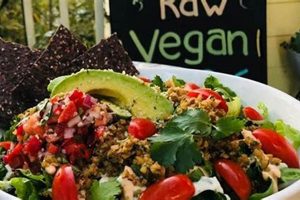
Plant-based dining options within Taipei represent a growing segment of the culinary landscape. These offerings cater to individuals seeking meals entirely devoid of animal products, including meat, dairy, eggs, and honey. Examples range from traditional Taiwanese dishes adapted with plant-based substitutes to international cuisines prepared using strictly vegan ingredients.
The rising prevalence of such culinary choices is driven by several factors. Health concerns, environmental awareness, and ethical considerations regarding animal welfare all contribute to the increasing demand. Historically, vegetarianism has roots in Taiwanese Buddhism, influencing the availability of meat-free food. This existing framework has facilitated the expansion of completely plant-based restaurants and menu items, benefiting both residents and tourists.
The subsequent sections will delve into the variety of establishments providing these specialized meals, discuss the types of cuisine available, and address the unique aspects of sourcing ingredients within the region. Furthermore, practical information for navigating the plant-based dining scene will be provided.
This section provides practical advice for effectively exploring the vegan culinary offerings within Taipei. Careful planning and awareness can significantly enhance the dining experience.
Tip 1: Utilize Online Resources: Before departure or during the stay, consult dedicated websites and applications that specialize in listing vegan-friendly establishments. These platforms often include reviews, menus, and location information, facilitating informed decisions.
Tip 2: Learn Key Phrases: Mastering a few basic Mandarin phrases is beneficial. Specifically, knowing how to inquire if a dish contains meat, dairy, or eggs can prevent accidental consumption of animal products.
Tip 3: Explore Vegetarian Restaurants: Many established vegetarian restaurants in Taipei offer dishes that are inherently vegan or can be easily modified. Inquire about ingredients and preparation methods to ensure compliance with dietary requirements.
Tip 4: Check for Clear Labeling: When purchasing pre-packaged foods, carefully examine ingredient lists for hidden animal-derived ingredients such as gelatin, whey, or casein. Look for certifications or labels indicating that the product is suitable for vegan consumption.
Tip 5: Visit Traditional Markets: Exploring traditional markets can reveal fresh produce and local vegan-friendly ingredients. Observe the stalls and interact with vendors to discover unique items and learn about their origins.
Tip 6: Be Mindful of Sauces: Sauces are a common source of hidden animal products. Fish sauce, oyster sauce, and certain shrimp pastes are frequently used in Taiwanese cuisine. Request modifications or inquire about the ingredients used in sauce preparation.
Plant-based diners can navigate the culinary scene effectively with the right preparation and approach, ensuring a satisfying dining experience. Awareness, resourcefulness, and clear communication are invaluable tools.
The subsequent section will provide a detailed look at specific restaurant recommendations and must-try dishes.
1. Restaurant Diversity
The breadth of dining establishments significantly contributes to the appeal and accessibility of plant-based dining within Taipei. The variety of restaurants determines the range of culinary experiences available to individuals adhering to a plant-based diet. A limited number of options restricts consumer choice, whereas a diverse range promotes exploration and satisfies varying preferences. Restaurant diversity, therefore, functions as a critical component of a thriving “vegan food taipei” scene. The causes of this diversity are multifaceted, stemming from increasing demand, innovative culinary approaches, and the adaptability of traditional Taiwanese cuisine. The effect of this diversity is a more robust and appealing market for plant-based eaters.
For example, Taipei features restaurants specializing in vegan interpretations of traditional Taiwanese street food, offering items such as plant-based oyster omelets and braised “pork” rice. These establishments cater specifically to consumers seeking familiar flavors prepared without animal products. Conversely, other restaurants focus on international cuisines, such as Italian or Japanese, providing vegan pasta dishes or sushi rolls crafted with plant-based alternatives. This wide array ensures that diners can find options that align with their specific tastes and dietary needs. Practical significance lies in the fact that this restaurant diversity directly impacts consumer satisfaction and the overall perception of “vegan food taipei” as a viable and appealing dietary choice.
In summary, restaurant diversity represents a cornerstone of the “vegan food taipei” experience. It promotes accessibility, satisfies diverse preferences, and elevates the overall appeal of plant-based dining. Challenges may include ensuring consistent quality and authenticity across different establishments, but the benefits of a vibrant and varied culinary landscape far outweigh these concerns. Understanding this connection is crucial for individuals seeking to navigate and appreciate the breadth of plant-based cuisine available in Taipei.
2. Ingredient Availability

Ingredient availability forms a foundational pillar supporting the “vegan food taipei” culinary ecosystem. The accessibility and variety of plant-based ingredients directly impact the feasibility and creativity of dishes offered in the region. Limited availability restricts culinary innovation, while a wide range of ingredients fosters diverse and appealing menu options. Ingredient availability determines the overall quality and authenticity of plant-based meals available in Taipei. The causes of ingredient accessibility are multiple: local agricultural production, import policies, and consumer demand all contribute to ingredient accessibility. The effect of this availability is a more stable and innovative market.
For example, the abundance of fresh, locally grown produce, like Taiwanese sweet potatoes, various greens, and tropical fruits, empowers chefs to create vibrant and seasonal dishes. The widespread availability of tofu, a staple in Asian cuisine, allows for the preparation of both traditional and innovative plant-based meals. The import of specialized ingredients such as plant-based meat alternatives, vegan cheeses, and nutritional yeast, further expands the culinary possibilities. Conversely, challenges arise when specific ingredients are difficult to source or prohibitively expensive. For instance, certain types of vegan cheeses or meat alternatives may be less readily available or carry a significant price premium, potentially limiting their use in restaurant menus and impacting cost for consumers. Practical implications mean that chefs and restaurants must be resourceful in ingredient selection and preparation techniques.
In summary, ingredient availability is inextricably linked to the success and sustainability of “vegan food taipei.” It influences menu variety, culinary creativity, and consumer satisfaction. Addressing challenges related to sourcing and cost is crucial for ensuring the continued growth and accessibility of plant-based cuisine in Taipei. Recognizing the interplay between ingredient availability and the overall dining experience is essential for stakeholders, from chefs and restaurant owners to consumers seeking plant-based options. The quality of dining is heavily determined by what ingredients are used.
3. Cultural Adaptation

The process of cultural adaptation plays a crucial role in the evolution and acceptance of plant-based cuisine within Taipei. This adaptation involves modifying traditional dishes and culinary practices to align with vegan principles, while simultaneously retaining the authentic flavors and cultural significance valued by local consumers. Successful cultural adaptation determines the long-term viability and integration of “vegan food taipei” into the mainstream culinary landscape.
- Reinterpretation of Traditional Dishes
Many traditional Taiwanese dishes rely heavily on meat, seafood, and animal-derived ingredients. Cultural adaptation necessitates reinterpreting these dishes using plant-based substitutes. For example, “lu rou fan” (braised pork rice) can be recreated using mushrooms or soy protein to mimic the texture and flavor of pork. The crucial aspect is maintaining the original flavor profile through skillful use of spices and seasonings. This adaptation allows consumers to enjoy familiar dishes in a plant-based format.
- Fusion with Local Ingredients
Incorporating locally sourced, plant-based ingredients into vegan dishes enhances their appeal and aligns them with regional tastes. Tofu, a staple in Taiwanese cuisine, serves as a versatile base for various dishes. Seasonal vegetables, such as Taiwanese sweet potatoes and water spinach, add unique flavors and nutritional value. This fusion strengthens the connection between “vegan food taipei” and the local culinary heritage.
- Addressing Cultural Sensitivities
Adapting plant-based cuisine requires sensitivity to cultural norms and beliefs surrounding food. For instance, some traditional Taiwanese dishes are associated with specific religious or celebratory occasions. Recreating these dishes in a vegan format requires careful consideration to ensure that the essence of the tradition is preserved and respected. Failure to acknowledge these cultural sensitivities can hinder the acceptance of plant-based alternatives.
- Marketing and Promotion
Effective marketing and promotion strategies are essential for introducing adapted vegan dishes to the broader consumer market. Emphasizing the health benefits, environmental advantages, and ethical considerations associated with plant-based cuisine can appeal to a wider audience. Highlighting the culinary creativity and deliciousness of adapted dishes can dispel common misconceptions about vegan food and encourage experimentation.
These facets of cultural adaptation are instrumental in the ongoing development of “vegan food taipei”. The integration of plant-based principles into existing culinary traditions, combined with strategic marketing efforts, promotes broader acceptance and establishes plant-based cuisine as a viable and appealing option for both local residents and visitors. The success of cultural adaptation directly impacts the long-term growth and sustainability of the vegan culinary scene within Taipei.
4. Accessibility Options

Accessibility options critically influence the reach and inclusivity of plant-based dining in Taipei. The ease with which individuals can locate, understand, and enjoy vegan food offerings directly determines the viability of “vegan food taipei” as a mainstream dietary choice. Limited accessibility presents a significant barrier, restricting participation to a niche segment of the population, while enhanced accessibility broadens appeal and fosters wider adoption. This facet extends beyond mere physical location to encompass language support, clear menu labeling, and adaptable service models.
Language support is a primary consideration. Taipei attracts a diverse international population, and the absence of English menus or staff proficient in English can deter non-Mandarin speakers. Clear menu labeling, indicating vegan options distinctly and listing ingredients transparently, is equally vital. Vague descriptions or the omission of animal-derived components can lead to unintentional consumption of non-vegan items. Restaurants employing pictorial menus or multilingual staff significantly enhance accessibility for a broader clientele. Some restaurants offer online ordering and delivery services, increasing the accessibility of vegan meals for individuals with mobility limitations or those residing in remote areas. The availability of such services reflects an effort to cater to diverse needs and preferences.
The correlation between robust accessibility options and the flourishing “vegan food taipei” scene is evident. Prioritizing these considerations ensures a more inclusive and welcoming environment, fostering greater engagement and promoting plant-based dining as a readily available and enjoyable choice for a diverse population. Addressing challenges related to language barriers, unclear labeling, and limited service options is essential for realizing the full potential of plant-based cuisine in Taipei.
5. Price Variation

Price variation is a tangible characteristic within the “vegan food taipei” culinary landscape. The cost of plant-based meals can fluctuate significantly, influenced by factors ranging from ingredient sourcing to the ambiance of the dining establishment. Understanding this price variation is crucial for consumers navigating the options, and for businesses aiming to create sustainable and accessible plant-based offerings. The presence of price variation is caused by import costs and quality of ingredients. The effect is that various customers will choose price levels for their dining experiences.
Several factors contribute to the observed price disparities. Restaurants employing imported or specialized vegan ingredients, such as plant-based meat alternatives or artisanal vegan cheeses, often command higher prices. Establishments emphasizing organic or locally sourced produce may also reflect these costs in their menu pricing. Conversely, smaller eateries utilizing simpler ingredients and focusing on traditional Taiwanese vegan dishes tend to offer more affordable options. Real-life examples include upscale vegan restaurants offering multi-course tasting menus at premium prices, while smaller vegetarian stalls in night markets provide budget-friendly vegan versions of local street food. This diversity allows consumers to choose options that align with their budgetary constraints and dietary preferences. This also means that those on a budget can still enjoy the vegan dishes.
In summary, price variation is a defining feature of the “vegan food taipei” experience. It reflects the diverse range of ingredients, culinary styles, and dining environments available. Consumers benefit from understanding the factors contributing to these price differences, enabling them to make informed choices that align with their financial resources. Businesses seeking to promote plant-based dining should consider offering a range of price points to broaden accessibility and appeal to a wider customer base. Addressing challenges such as the cost of specialized ingredients remains essential for fostering a sustainable and inclusive plant-based culinary ecosystem in Taipei. It is important to note that many vegan restaurants offer similar options at varying costs.
Frequently Asked Questions Regarding Plant-Based Dining in Taipei
The following section addresses common inquiries concerning plant-based cuisine within Taipei. These questions aim to provide clear and concise information, clarifying aspects of ingredient availability, culinary adaptation, and overall accessibility.
Question 1: Are genuinely vegan options readily available, or are most merely vegetarian dishes?
The availability of strictly vegan options within Taipei is increasing. While many restaurants offer vegetarian fare, dedicated vegan establishments and menus clearly denote dishes free from all animal products, including dairy, eggs, and honey. Diligence in verifying ingredients remains advisable, particularly when dining at non-specialized establishments.
Question 2: Is it feasible to maintain a strict plant-based diet while navigating traditional Taiwanese cuisine?
Maintaining a strict plant-based diet within the context of traditional Taiwanese cuisine requires careful navigation. Many dishes incorporate meat-based broths, fish sauce, or shrimp paste. However, numerous restaurants now offer vegan adaptations of classic dishes, utilizing plant-based substitutes while preserving authentic flavors. Communication with restaurant staff regarding ingredients is essential.
Question 3: What are some common hidden animal-derived ingredients to be aware of?
Several seemingly innocuous ingredients may contain animal derivatives. Gelatin, often used in desserts, is derived from animal collagen. Fish sauce, a common flavoring agent, is made from fermented fish. Honey, whey, and casein are dairy products that can appear in unexpected items. Scrupulous examination of ingredient lists and direct inquiry are recommended.
Question 4: Are there resources available in English to assist with finding plant-based restaurants?
English-language resources exist to aid in locating plant-based restaurants in Taipei. Online directories and applications dedicated to vegan and vegetarian dining often include reviews, menus, and location information. These platforms can significantly simplify the search process for non-Mandarin speakers.
Question 5: Is plant-based dining more expensive than conventional dining options in Taipei?
The cost of plant-based dining can vary. While certain specialized establishments utilizing imported ingredients may command higher prices, numerous affordable options exist, particularly in night markets and smaller eateries offering vegan adaptations of traditional dishes. Price is not necessarily a determining factor in quality or enjoyment.
Question 6: How does the local culture view plant-based dietary choices?
Vegetarianism, rooted in Buddhist traditions, has a long history in Taiwan. While not all individuals adhere to plant-based diets, a general understanding and acceptance of vegetarianism prevails. Growing awareness of the environmental and health benefits of plant-based eating is further contributing to its increasing popularity.
In conclusion, while challenges may exist, maintaining a fulfilling plant-based diet within Taipei is achievable. With diligence, resourcefulness, and clear communication, individuals can navigate the culinary scene effectively and enjoy the diverse range of plant-based offerings available.
The subsequent section will provide specific restaurant recommendations and must-try dishes for those seeking plant-based culinary experiences in Taipei.
Vegan Food Taipei
This examination has detailed the multifaceted nature of vegan food in Taipei, highlighting restaurant diversity, ingredient accessibility, cultural adaptations, accessibility options, and price variations. The analysis reveals a dynamic ecosystem shaped by local traditions, global influences, and evolving consumer preferences. It underscores the importance of informed decision-making for both diners and businesses operating within this specialized culinary sector.
The sustained growth of vegan food offerings in Taipei necessitates continued attention to quality, authenticity, and inclusivity. The future success of this dietary segment hinges on addressing existing challenges, fostering innovation, and promoting greater understanding of its benefits within the broader community. Continued efforts in these areas will contribute to a more robust and sustainable plant-based culinary landscape.