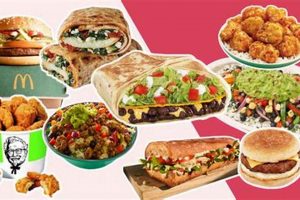
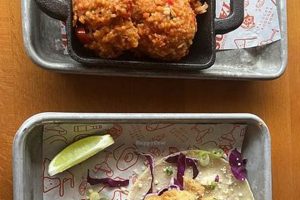
Plant-based cuisine within the Peruvian context represents a growing culinary movement focusing on dishes entirely free of animal products. This encompasses the adaptation of traditional recipes and the creation of innovative dishes utilizing Peru’s diverse range of vegetables, fruits, grains, and legumes. Examples include modified versions of classic dishes like causa made with plant-based fillings or lomo saltado prepared with mushrooms or seitan.
The increased interest in this dietary approach in Peru stems from a variety of factors, including growing awareness of health benefits, ethical concerns related to animal welfare, and the environmental impact of animal agriculture. Historically, Peruvian cuisine has always incorporated a significant proportion of plant-based ingredients, owing to the rich agricultural biodiversity of the region. This existing culinary foundation provides a strong base for the further development and acceptance of this specialized dietary practice.
The following sections will delve into the specific ingredients commonly used, the challenges and opportunities within the Peruvian culinary landscape, the regional variations in plant-based offerings, and the ongoing evolution of this food trend in Peru.
Successfully adhering to a plant-based diet while traveling in Peru requires strategic planning and informed decision-making. Awareness of common ingredients and preparation methods is crucial.
Tip 1: Research Regional Specialties: Different regions of Peru offer unique plant-based dishes. The Andes, for example, frequently feature potato-based meals, while coastal areas may showcase ceviche variations made with fruits or vegetables instead of seafood.
Tip 2: Learn Basic Spanish Phrases: Essential phrases include asking about ingredients (“Tiene carne/pollo/pescado/huevo/leche?”) and stating dietary requirements (“Soy vegano/a. No como productos animales.”). This facilitates clear communication with restaurant staff.
Tip 3: Identify Vegan-Friendly Staples: Recognize commonly available plant-based ingredients such as quinoa, beans, rice, corn, potatoes, and various vegetables. These staples can form the basis of many meals.
Tip 4: Inquire About Preparation Methods: Even dishes appearing to be plant-based may contain hidden animal products. Verify that vegetables are not cooked with lard or animal broths.
Tip 5: Seek Out Specialized Establishments: Vegan and vegetarian restaurants are increasingly common in major cities like Lima, Cusco, and Arequipa. Utilizing online resources and travel guides can aid in locating these establishments.
Tip 6: Consider Cooking Own Meals: Access to a kitchen allows for greater control over ingredients. Visiting local markets provides opportunities to purchase fresh produce and prepare plant-based meals.
Tip 7: Be Mindful of Cross-Contamination: Inquire about potential cross-contamination when ordering in restaurants. Utensils and cooking surfaces may have been used to prepare animal products.
Tip 8: Pack Essential Snacks: Carrying plant-based snacks like nuts, seeds, and dried fruit ensures sustenance is available during travel and when suitable meal options are limited.
Adhering to these guidelines enables a more fulfilling and accessible culinary experience for those seeking plant-based options while exploring Peru.
The subsequent sections will examine challenges and benefits, including the increasing availability of vegan options in the Peruvian culinary landscape.
1. Ingredients

The foundation of plant-based Peruvian cuisine rests upon the nation’s diverse and abundant range of indigenous ingredients. The availability and skillful utilization of these components directly influence the feasibility and richness of meat-free culinary offerings. The inherent diversity allows chefs and home cooks to create authentic and innovative dishes without relying on animal products. For instance, the wide variety of potatoes, including the native papa amarilla and papa nativa, serve as central ingredients in numerous plant-based dishes, providing both sustenance and distinctive flavors. Similarly, the use of quinoa, a complete protein source, allows for the creation of nutritious and satisfying meals.
The impact of ingredient selection extends beyond mere substitution. Careful consideration of flavor profiles and textures is crucial to recreating traditional Peruvian dishes in a plant-based form. For example, replacing meat in a lomo saltado requires selecting ingredients that mimic the savory and umami notes of beef. Mushrooms, seitan, or even carefully prepared vegetables can effectively fulfill this role, albeit with distinct flavor profiles. Furthermore, the use of traditional Peruvian spices and herbs, such as aji amarillo, huacatay, and paico, is essential for maintaining the authenticity of plant-based Peruvian cuisine. These ingredients provide depth and complexity, elevating simple dishes into culinary experiences.
In conclusion, the successful adaptation and innovation of plant-based options within Peruvian cuisine relies heavily on the strategic employment of locally sourced ingredients. The availability of diverse potatoes, grains, vegetables, and spices creates a fertile ground for culinary creativity. However, a deep understanding of these ingredients and their properties is essential for crafting flavorful, nutritious, and authentic plant-based Peruvian meals. The ongoing exploration and incorporation of native ingredients will continue to shape and enrich this evolving culinary landscape.
2. Regional Variations

The expression of plant-based cuisine in Peru is significantly influenced by regional variations in available ingredients, traditional culinary practices, and cultural preferences. These regional differences dictate the types of dishes prepared, the methods of preparation employed, and the overall acceptance of plant-based options. The Andes, for example, boasts a historical reliance on potatoes, quinoa, and beans, creating a foundation for naturally plant-based meals, while the coastal regions exhibit a greater influence of seafood in traditional diets, necessitating creative adaptations to achieve entirely plant-based versions. The Amazon region, with its unique array of fruits, vegetables, and roots, presents further distinctive plant-based possibilities, although awareness and promotion of these options remain relatively limited.
The impact of regional variations extends beyond the mere availability of ingredients. Traditional cooking techniques, often passed down through generations, influence how plant-based meals are prepared and presented. For instance, the pachamanca, a traditional Andean cooking method involving burying food with hot stones, can be adapted to prepare plant-based dishes with a distinctive smoky flavor. Conversely, the coastal practice of marinating seafood in citrus juices for ceviche necessitates alternative methods for plant-based variations, such as using mushrooms or heart of palm to mimic the texture and flavor profile. The cultural significance of certain dishes within specific regions also affects the acceptance and demand for plant-based alternatives. Dishes considered central to a region’s culinary identity may face resistance to modification, requiring careful introduction of plant-based adaptations.
Understanding the nuances of regional variations is crucial for navigating the plant-based culinary landscape in Peru. It allows for informed decision-making when selecting restaurants, ordering meals, and exploring local markets. Recognizing that plant-based offerings vary significantly across regions enables a more adaptable and enriching culinary experience. Furthermore, acknowledging these regional differences facilitates the development of targeted strategies for promoting and expanding plant-based options throughout Peru, taking into account local preferences and cultural contexts. Ignoring these regional variations risks misrepresenting the complexity and potential of the plant-based culinary movement within the country.
3. Restaurant availability

The accessibility of plant-based options in Peru is directly correlated with the prevalence of restaurants offering such cuisine. Increased restaurant availability serves as a primary indicator of the growing demand and acceptance of this dietary approach. The limited number of establishments catering specifically to plant-based diets in certain regions poses a significant challenge for individuals seeking meat-free meals. Conversely, cities with a higher concentration of vegan and vegetarian restaurants, such as Lima and Cusco, facilitate easier adherence to this dietary preference. The presence of dedicated plant-based restaurants, or restaurants with comprehensive vegan menus, directly impacts the ease with which individuals can maintain this dietary choice while traveling or residing in Peru.
The expansion of plant-based restaurant options not only benefits consumers but also influences the broader culinary landscape. The presence of these establishments encourages other restaurants to incorporate vegan dishes into their menus, thereby increasing the overall availability of plant-based food. This ripple effect can lead to greater culinary innovation and experimentation with plant-based ingredients, further enriching the dining experience for all. For example, traditional Peruvian restaurants may begin offering plant-based versions of classic dishes like causa or lomo saltado in response to consumer demand and the success of dedicated vegan establishments. This integration of plant-based options into mainstream cuisine promotes inclusivity and caters to a wider range of dietary preferences.
Ultimately, the availability of restaurants offering plant-based cuisine is a critical factor in the broader acceptance and integration of this dietary approach in Peru. The expansion of these options not only facilitates easier adherence to plant-based diets but also encourages culinary innovation and promotes a more inclusive dining environment. Addressing the limited availability of plant-based restaurants in certain regions remains a key challenge in further developing this culinary segment and meeting the growing demand for meat-free options within Peru.
4. Cultural acceptance

Cultural acceptance significantly impacts the adoption and viability of plant-based diets within Peru. The degree to which vegan food aligns with established culinary traditions, social norms, and perceptions of food influences its integration into the mainstream. While Peru boasts a rich agricultural heritage and a history of plant-based ingredients, traditional cuisine often incorporates animal products, affecting the initial reception of exclusively vegan options. For instance, dishes considered staples, such as ceviche (typically made with fish) or aji de gallina (containing chicken), present challenges for direct vegan adaptation, requiring innovative ingredient substitutions that may initially be met with skepticism or resistance. The pace and extent of this dietary shift are thus intricately tied to prevailing cultural attitudes.
The importance of cultural acceptance is evident in the strategies employed by plant-based restaurants and advocates within Peru. Successful approaches often involve adapting traditional dishes to vegan formats while retaining familiar flavors and textures. This strategy aims to bridge the gap between traditional cuisine and plant-based alternatives, facilitating gradual acceptance. Educational initiatives that emphasize the health benefits, environmental advantages, and ethical considerations of veganism also play a role in shifting cultural perceptions. Furthermore, the involvement of respected Peruvian chefs in promoting plant-based cooking can significantly enhance its credibility and appeal, leveraging established culinary authority to foster wider acceptance.
In conclusion, cultural acceptance remains a crucial determinant of the growth and sustainability of plant-based diets in Peru. Overcoming entrenched culinary traditions and addressing societal perceptions of food requires a nuanced and strategic approach. By creatively adapting traditional dishes, promoting the benefits of plant-based eating, and engaging influential culinary figures, it is possible to gradually increase cultural acceptance and ensure the long-term integration of vegan food into the Peruvian culinary landscape. This integration must respect and acknowledge Peruvian culinary heritage, promoting plant-based options as an evolution rather than a replacement of existing food culture.
5. Nutritional aspects
The nutritional profile of plant-based Peruvian cuisine warrants careful consideration due to its direct impact on individual health and well-being. While a well-planned plant-based diet can offer numerous benefits, including reduced risk of heart disease and type 2 diabetes, inadequate planning can lead to nutrient deficiencies. The specific nutrient needs of individuals adhering to a plant-based diet in Peru must be addressed through informed food choices and potential supplementation. For instance, iron deficiency is a common concern, necessitating the inclusion of iron-rich foods such as lentils, beans, and dark leafy greens, ideally consumed with vitamin C to enhance absorption. Similarly, vitamin B12, not naturally found in plant-based foods, requires supplementation or consumption of fortified foods.
Understanding the nutritional composition of traditional Peruvian ingredients is crucial for constructing balanced plant-based meals. Quinoa, a staple grain in the Andes, provides a complete protein source, while various beans and legumes offer fiber and essential minerals. However, certain traditional dishes may require modification to enhance their nutritional value when adapted for a plant-based diet. For example, reducing the reliance on refined carbohydrates and increasing the proportion of vegetables and legumes can improve the overall nutrient density of a meal. Furthermore, attention should be paid to the fat content of dishes, ensuring a healthy balance of unsaturated fats from sources like avocados and nuts, while limiting the intake of saturated and trans fats, which may be present in certain processed plant-based alternatives.
In summary, the nutritional adequacy of plant-based Peruvian cuisine hinges on informed food choices and careful meal planning. Addressing potential nutrient deficiencies, utilizing a diverse range of plant-based ingredients, and modifying traditional dishes to enhance their nutritional value are essential steps. Ongoing education and awareness regarding the nutritional aspects of vegan diets in Peru are vital to promote health and well-being among individuals adopting this dietary approach. This is especially important considering that relying on less-than-ideal or heavily processed substitutes might not lead to positive health outcomes.
6. Economic impact

The burgeoning interest in plant-based diets in Peru exerts an increasingly notable influence on the nation’s economic landscape. The shift towards vegan food consumption generates ripple effects across various sectors, ranging from agriculture and food processing to tourism and retail. An increased demand for plant-based ingredients, such as quinoa, beans, and indigenous vegetables, stimulates local agricultural production, potentially benefiting small-scale farmers and rural communities. This increased demand can also incentivize farmers to adopt more sustainable agricultural practices, aligning with the environmental benefits often associated with plant-based diets. The food processing industry must adapt to meet the evolving consumer preferences, necessitating investments in new technologies and product development to create plant-based alternatives to traditional Peruvian dishes. The growing popularity of vegan restaurants and food businesses contributes to job creation within the hospitality sector.
The tourism industry in Peru also experiences the economic effects of increased interest in plant-based options. As vegan and vegetarian travelers seek out destinations that cater to their dietary needs, Peru’s ability to offer diverse and appealing plant-based culinary experiences becomes a competitive advantage. This can lead to increased tourism revenue and the development of specialized tour packages focused on vegan cuisine and sustainable travel. Furthermore, the retail sector is witnessing a growth in demand for plant-based products, leading to increased sales of vegan alternatives to meat, dairy, and eggs. This requires supermarkets and grocery stores to expand their product offerings and cater to the growing segment of consumers seeking plant-based options. However, challenges remain, including the higher cost of some plant-based ingredients and products compared to their animal-based counterparts, which may limit access for lower-income populations. Additionally, the lack of established supply chains for certain specialized ingredients can hinder the scalability of plant-based food businesses.
In conclusion, the economic impact of plant-based diets in Peru is multifaceted and evolving. The increased demand for plant-based ingredients and products stimulates agricultural production, fosters innovation in the food processing industry, contributes to job creation, and enhances the attractiveness of Peru as a vegan-friendly tourist destination. Addressing the challenges related to cost and supply chain limitations is crucial to ensure that the economic benefits of this dietary shift are accessible to all segments of society and contribute to sustainable economic growth. A comprehensive understanding of these economic dynamics is essential for policymakers and businesses alike to capitalize on the opportunities and mitigate the challenges associated with the growing popularity of plant-based diets in Peru.
7. Traditional adaptation

The incorporation of plant-based diets within Peru necessitates a careful adaptation of traditional recipes. Peruvian culinary heritage, while rich in vegetable-based ingredients, frequently relies on animal products for flavor and texture. Successful integration of veganism requires modifying established dishes to exclude meat, dairy, and eggs, substituting these with plant-derived alternatives while preserving the essence of the original culinary experience. This adaptation involves not simply replacing ingredients but also understanding their role in the dish’s overall composition and replicating their functional properties.
Consider the example of Causa Rellena, a layered potato dish typically filled with tuna or chicken. A traditional adaptation would involve replacing the animal-based filling with a vegetable medley, such as avocado, hearts of palm, and olives, seasoned with similar spices to maintain the dish’s characteristic flavor profile. The Aji Amarillo sauce, a staple in Peruvian cuisine, often contains dairy; thus, a vegan version necessitates substituting cow’s milk with plant-based alternatives like cashew cream or soy milk to achieve the desired consistency and flavor. Similarly, Lomo Saltado, a stir-fried beef dish, can be adapted by replacing the beef with mushrooms or seitan, marinated in a soy-based sauce to mimic the umami flavors of the original. The challenge lies in retaining the authenticity and cultural significance of the dish while adhering to vegan principles. Failure to maintain these essential characteristics may lead to consumer rejection and undermine the broader acceptance of plant-based cuisine.
In summary, traditional adaptation forms a cornerstone of the vegan food movement in Peru. By carefully modifying existing recipes, chefs and home cooks can create plant-based dishes that are both familiar and appealing to Peruvian palates. This approach not only respects the country’s culinary heritage but also promotes the wider acceptance and integration of veganism into Peruvian society. However, success depends on a thorough understanding of both traditional cooking techniques and the properties of plant-based ingredients, requiring continuous experimentation and refinement to achieve authentic and flavorful results.
Frequently Asked Questions
This section addresses common inquiries regarding plant-based culinary options within the Peruvian context. It aims to provide clarity and dispel misconceptions about the availability, variety, and nutritional aspects of vegan food in Peru.
Question 1: Is it difficult to find vegan food in Peru?
The ease of finding vegan food varies by location. Major cities like Lima and Cusco offer a growing number of vegan-specific restaurants and restaurants with dedicated vegan menus. However, smaller towns and rural areas may present more limited options, requiring careful planning and communication.
Question 2: Are traditional Peruvian dishes easily adapted to be vegan?
Many traditional Peruvian dishes can be adapted to vegan versions with creative ingredient substitutions. This often involves replacing meat, dairy, and eggs with plant-based alternatives while preserving the authentic flavors and textures of the original dish. Success depends on culinary skill and knowledge of plant-based ingredients.
Question 3: What are some common vegan ingredients used in Peruvian cuisine?
Common vegan ingredients include quinoa, beans, potatoes (various types), corn, rice, aji peppers, and a wide array of fresh fruits and vegetables. These ingredients form the foundation of many plant-based Peruvian dishes and contribute to their nutritional value.
Question 4: Is a vegan diet in Peru nutritionally adequate?
A well-planned vegan diet in Peru can be nutritionally adequate. However, attention must be paid to obtaining sufficient iron, vitamin B12, calcium, and omega-3 fatty acids. Supplementation or fortified foods may be necessary to address potential deficiencies.
Question 5: Are plant-based options more expensive than traditional Peruvian food?
The cost of plant-based options can vary. Some vegan-specific restaurants may be priced higher than traditional eateries. However, preparing vegan meals at home using locally sourced ingredients can be a cost-effective option.
Question 6: How can I communicate my dietary needs in Spanish?
Essential phrases for communicating dietary needs include “Soy vegano/a” (I am vegan) and “Tiene carne/pollo/pescado/huevo/leche?” (Does it have meat/chicken/fish/egg/milk?). Learning these phrases can greatly facilitate ordering food in restaurants and inquiring about ingredients.
In conclusion, vegan food is becoming increasingly accessible in Peru. Adapting to this dietary choice requires knowledge, planning, and effective communication.
The next section will explore recipes to try while in Peru.
Conclusion
This exploration of plant-based cuisine within Peru reveals a dynamic and evolving landscape. From the utilization of indigenous ingredients to the adaptation of traditional recipes, the concept of “vegan food in peru” showcases both challenges and opportunities. Regional variations, restaurant availability, cultural acceptance, nutritional considerations, economic impact, and the adaptation of culinary heritage all contribute to the complex picture of plant-based dining in the country. Key takeaways highlight the necessity for informed decision-making, strategic planning, and effective communication to navigate this dietary choice effectively.
Continued growth and integration of this cuisine depend on ongoing innovation, education, and adaptation to local preferences and resources. The sustained success of plant-based options in Peru requires further collaboration between chefs, farmers, consumers, and policymakers to promote sustainable practices and ensure accessibility for all. “Vegan food in peru” is not merely a trend but a burgeoning element of Peruvian culinary identity.