



The combination of plant-based protein sources with coffee creates a beverage option suitable for individuals adhering to vegan dietary guidelines while seeking to augment their protein intake. This product typically involves blending coffee with ingredients such as pea protein, brown rice protein, or other plant-derived protein powders. An example includes a cold brew coffee mixed with a scoop of unflavored pea protein isolate.
The significance of this beverage lies in its ability to provide a convenient and palatable way to meet daily protein requirements, particularly for those who abstain from animal products. Benefits may encompass increased satiety, support for muscle recovery after exercise, and a sustained energy boost. Historically, the demand for such products has grown alongside the increasing popularity of both veganism and high-protein diets.
This article will delve into the specific plant-based protein sources commonly utilized in these coffee-based drinks, explore their nutritional profiles, and offer guidance on preparing such beverages at home, as well as reviewing commercially available options.
Enhancing Plant-Based Protein Intake Via Coffee Beverages
The following guidelines offer strategies for maximizing the benefits of incorporating plant-based protein into coffee beverages, focusing on optimal nutrition and preparation techniques.
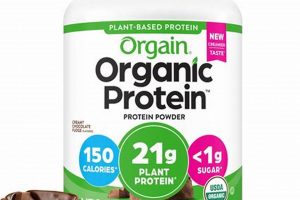
Tip 1: Select High-Quality Protein Sources: Opt for protein powders with complete amino acid profiles. Blends of different plant-based proteins, such as pea and brown rice, can help ensure a complete amino acid intake.
Tip 2: Consider Protein Powder Solubility: Some plant-based protein powders blend more easily than others. Experiment with different brands and blending techniques to minimize clumping and ensure a smooth texture.
Tip 3: Adjust Sweetness Levels Carefully: Many commercially available products contain added sweeteners. Evaluate ingredients and opt for unsweetened or naturally sweetened options to control sugar intake.
Tip 4: Pay Attention to Calorie Content: Be mindful of the total caloric impact. While providing protein, these beverages can contribute significantly to daily calorie consumption. Adjust portions accordingly.
Tip 5: Time Consumption Strategically: Consider consuming this beverage post-workout to aid muscle recovery or as a mid-morning option to promote satiety and sustained energy levels.
Tip 6: Experiment with Flavor Combinations: Enhance the flavor profile by adding spices such as cinnamon or nutmeg, or incorporating extracts like vanilla or almond.
Tip 7: Ensure Adequate Hydration: Increasing protein intake necessitates increased water consumption. Monitor hydration levels and adjust fluid intake accordingly.
Implementing these strategies facilitates a more effective and enjoyable integration of plant-based protein into the daily routine, maximizing nutritional benefits and minimizing potential drawbacks.
The subsequent section will address common concerns and frequently asked questions surrounding the consumption of plant-based protein coffee.
1. Plant-Based Protein

Plant-based protein constitutes the fundamental component differentiating a conventional coffee beverage from one marketed as “protein coffee vegan.” The addition of protein derived from sources such as peas, brown rice, soy, or blends thereof, transforms the caffeinated drink into a more substantial and nutritionally complete product. The direct effect of incorporating such protein is to increase the beverage’s protein content, providing a more sustained energy release and promoting satiety, which may be absent in standard coffee preparations. For example, a typical cup of black coffee offers negligible protein, while a “protein coffee vegan” can deliver anywhere from 10 to 25 grams of protein per serving, depending on the amount and type of protein added. This augmentation is of practical significance for individuals adhering to vegan diets or those seeking to increase their protein intake without consuming animal products.
The selection of a specific plant-based protein influences several aspects of the final product. Pea protein, for instance, is relatively neutral in flavor and easily mixes with liquids, making it a common choice. Soy protein, although offering a complete amino acid profile, may be avoided by some consumers due to allergen concerns or flavor preferences. Brown rice protein is often perceived as having a slightly grainy texture. Manufacturers often blend different protein sources to achieve a balanced flavor, texture, and amino acid profile. The source dictates the ultimate nutritional composition, including the presence and amount of specific amino acids and other micronutrients. Practical application involves careful consideration of these factors during product formulation, ensuring the protein coffee appeals to a target audience while providing tangible nutritional benefits.
Understanding the crucial role of plant-based protein in “protein coffee vegan” empowers consumers to make informed choices. Challenges remain in ensuring complete amino acid profiles and addressing potential allergen concerns within plant-based protein sources. The broader theme centers on the increasing demand for functional foods and beverages that cater to specific dietary needs and preferences. Future developments may involve novel plant-based protein sources and improved processing techniques to enhance digestibility and palatability, further solidifying the place of “protein coffee vegan” within the health and wellness market.
2. Coffee Compatibility

Coffee compatibility represents a critical factor in the formulation and consumer acceptance of “protein coffee vegan” beverages. It dictates the successful integration of plant-based protein sources into the coffee matrix, affecting taste, texture, and overall palatability. Poor compatibility results in undesirable sensory experiences, ultimately hindering product adoption. Effective compatibility yields a synergistic beverage where the protein complements, rather than detracts from, the inherent qualities of coffee.
- Flavor Interaction
The interaction between coffee and plant-based protein flavors significantly impacts the beverage’s overall taste profile. Certain plant proteins, such as soy, possess inherent beany or earthy notes that may clash with coffee’s more nuanced flavors. Conversely, milder protein sources like pea protein require careful flavor masking to avoid diluting the coffee’s characteristic taste. Manufacturers must meticulously select protein sources and employ flavoring agents to achieve a balanced and harmonious flavor profile.
- Solubility and Texture
The solubility of plant-based proteins directly influences the texture of “protein coffee vegan.” Insoluble proteins may result in grittiness or sedimentation, creating an unappealing mouthfeel. Proper processing techniques, such as micronization, can improve solubility. However, the choice of protein source remains crucial. For example, certain protein isolates exhibit superior solubility compared to protein concentrates. The resulting beverage must be smooth and homogeneous to ensure consumer satisfaction.
- pH Stability
Coffee’s inherent acidity can affect the stability of plant-based proteins. Certain proteins may denature or precipitate in acidic environments, leading to undesirable texture changes or a reduction in protein bioavailability. Manufacturers must consider pH stability when formulating “protein coffee vegan,” potentially adjusting the pH of the beverage or selecting protein sources known for their acid resistance. Understanding the specific pH range at which the chosen protein remains stable is essential.
- Heat Stability
The preparation of “protein coffee vegan” often involves heating the beverage, either during brewing or when adding hot coffee to the protein powder. Heat can impact the structural integrity of plant-based proteins, leading to coagulation or a loss of functionality. Selecting protein sources with high heat stability is critical for preserving both the protein’s nutritional value and the beverage’s sensory qualities. Manufacturers often recommend specific mixing temperatures to minimize protein degradation.
The interplay of these coffee compatibility factors ultimately determines the success of “protein coffee vegan” products. The selection of appropriate plant-based protein sources, coupled with careful attention to processing techniques and formulation adjustments, is paramount in delivering a palatable and nutritionally beneficial beverage that satisfies consumer expectations.
3. Vegan Certification
Vegan certification serves as a verifiable assurance that a product adheres to established vegan standards, excluding all animal-derived ingredients and byproducts. In the context of “protein coffee vegan,” this certification provides consumers with confidence that the beverage is free from animal products throughout its production process, addressing ethical and dietary concerns.
- Ingredient Sourcing and Verification
Vegan certification necessitates rigorous scrutiny of ingredient sourcing. Certification bodies require manufacturers to provide documentation verifying that all ingredients, including the protein source, coffee beans, and any added flavorings or sweeteners, originate from non-animal sources. This process often involves audits of suppliers and detailed review of production protocols to ensure compliance at every stage of the supply chain. An example includes tracing the origin of coffee beans to ensure they are not processed using animal-derived enzymes.
- Cross-Contamination Prevention
Preventing cross-contamination with animal products is a crucial aspect of vegan certification. Production facilities must implement stringent cleaning and segregation procedures to minimize the risk of unintentional contamination. This may involve dedicated production lines for vegan products, thorough cleaning of equipment between batches, and employee training on vegan handling practices. For instance, a facility producing both dairy-based and vegan protein powders would require strict protocols to prevent cross-contamination of the vegan coffee protein.
- Animal Testing Prohibition
Vegan certification explicitly prohibits animal testing. Certification bodies require manufacturers to demonstrate that neither the final product nor its individual ingredients have been tested on animals. This criterion aligns with the ethical principles underlying veganism and provides consumers with assurance that their purchase does not contribute to animal suffering. This is particularly relevant for novel ingredients or processing methods where animal testing may be considered a regulatory requirement in some jurisdictions.
- Transparency and Traceability
The certification process emphasizes transparency and traceability throughout the production chain. Manufacturers must maintain detailed records of ingredient sources, production processes, and quality control measures. This allows certification bodies to verify compliance with vegan standards and provides consumers with access to information about the product’s origins. QR codes or certification logos on packaging often link to additional information about the product’s certification status and sourcing details.
Vegan certification enhances the credibility and market appeal of “protein coffee vegan” products by providing consumers with an independent verification of their vegan status. While certification is not a legal requirement, it offers a valuable tool for manufacturers to build trust with vegan consumers and differentiate their products in a competitive market. Examples of certifications include Vegan Action or Vegan Society
4. Nutritional Profile
The nutritional profile of “protein coffee vegan” represents a critical determinant of its value proposition, distinguishing it from conventional coffee. The addition of plant-based protein fundamentally alters the drink’s macronutrient composition, impacting caloric content, amino acid availability, and overall contribution to daily dietary needs. The absence of animal products necessitates a reliance on plant-derived nutrients, thereby influencing the presence and quantity of vitamins, minerals, and fiber. For example, a “protein coffee vegan” incorporating pea protein will exhibit a higher protein content compared to black coffee, simultaneously introducing iron and other micronutrients inherent to pea protein. The cause and effect relationship is direct: the choice of ingredients dictates the resulting nutritional profile, which in turn influences the beverage’s health benefits and suitability for specific dietary requirements. The importance of understanding this relationship cannot be overstated, as it empowers consumers to make informed decisions and manufacturers to formulate nutritionally optimized products.
Practical application of nutritional profile knowledge manifests in several ways. Individuals seeking to increase their protein intake can utilize “protein coffee vegan” as a convenient source, particularly post-exercise to support muscle recovery. Those following vegan diets benefit from the beverage’s contribution to overall protein requirements, which can sometimes be challenging to meet solely through plant-based foods. Furthermore, manufacturers can leverage nutritional information to market the product effectively, highlighting specific benefits such as high protein content, fiber, or vitamin fortification. An example would be emphasizing the presence of vitamin B12 in a fortified “protein coffee vegan” to appeal to vegans who may be at risk of deficiency. Analysis of the nutritional profile also informs portion control and moderation. While providing protein, these beverages contribute to daily caloric intake; therefore, awareness of the complete nutritional information is necessary for maintaining a balanced diet. Careful selection of plant-based protein sources, coupled with attention to added sugars and fats, allows consumers to tailor the beverage’s nutritional profile to their specific needs.
In summary, the nutritional profile is an indispensable component of “protein coffee vegan,” directly influencing its health benefits and appeal to specific dietary groups. Challenges remain in ensuring complete amino acid profiles from plant-based sources and addressing potential allergen concerns. However, a clear understanding of the nutritional composition empowers both consumers and manufacturers to optimize the beverage for specific dietary goals and preferences. Linking to the broader theme, the emphasis on nutritional transparency reflects a growing consumer demand for functional foods and beverages that contribute positively to overall health and well-being.
5. Ingredient Sourcing

The ethical and sustainable acquisition of ingredients is paramount to the integrity of “protein coffee vegan.” The selection of sources directly impacts not only the final product’s quality and nutritional value but also its environmental and social footprint.
- Traceability and Transparency
Traceability within the supply chain allows manufacturers to pinpoint the origin of each ingredient, verifying adherence to ethical labor practices and environmental standards. Transparency, in turn, communicates this information to consumers, fostering trust and informed purchasing decisions. For instance, certified Fair Trade coffee beans ensure equitable compensation for farmers, while traceable protein sources mitigate risks associated with deforestation or unsustainable agricultural practices. Without traceability, manufacturers risk contributing to exploitation and environmental degradation.
- Quality Control and Purity
Rigorous quality control measures during ingredient sourcing safeguard the product’s purity and nutritional integrity. Contamination from pesticides, heavy metals, or other adulterants can compromise the health benefits and safety of “protein coffee vegan.” For example, selecting protein sources with stringent third-party testing ensures they meet regulatory standards and are free from harmful contaminants. Compromised quality undermines the product’s intended health benefits and consumer safety.
- Environmental Sustainability
Sustainable sourcing practices minimize the environmental impact of “protein coffee vegan” production. This encompasses factors such as water usage, land management, and carbon emissions associated with ingredient cultivation and transportation. For instance, opting for coffee beans grown using shade-grown techniques promotes biodiversity and reduces deforestation. Unsustainable practices contribute to climate change, habitat loss, and resource depletion.
- Fair Labor Practices
Ethical sourcing prioritizes fair labor practices throughout the supply chain, ensuring safe working conditions and fair wages for farmers and workers involved in ingredient production. Certifications such as Fair Trade or SA8000 provide independent verification of these practices. For example, sourcing protein from cooperatives that prioritize worker empowerment and community development ensures equitable distribution of benefits. Unfair labor practices perpetuate social inequality and contribute to human suffering.
The integration of these sourcing practices within “protein coffee vegan” production reinforces a commitment to responsible business practices and enhances the product’s overall appeal to ethically conscious consumers. Prioritizing traceability, quality, sustainability, and fair labor ensures a holistically responsible product that benefits both consumers and the environment.
6. Flavor Enhancement

Flavor enhancement is a crucial aspect of “protein coffee vegan” formulation, addressing the challenge of masking or complementing the inherent taste profiles of both coffee and plant-based protein sources. Effective flavor strategies are essential for consumer acceptance and the creation of a palatable and enjoyable beverage.
- Masking Aversive Flavors
Plant-based proteins often possess distinct earthy, beany, or bitter notes that can negatively impact the sensory experience when combined with coffee. Flavor enhancement techniques aim to mitigate these undesirable flavors through the use of ingredients such as cocoa powder, natural sweeteners like stevia or monk fruit extract, or spices like cinnamon and nutmeg. The judicious application of these masking agents helps to create a more balanced and appealing flavor profile. An example includes the addition of a small amount of vanilla extract to offset the bitterness of certain pea protein isolates.
- Complementary Flavor Pairings
Rather than solely focusing on masking undesirable flavors, flavor enhancement can also involve creating complementary pairings that enhance the overall taste experience. For instance, the nutty notes of almond milk or almond butter can complement the inherent flavors of coffee, while also adding a subtle protein boost. Similarly, the addition of date syrup or maple syrup not only provides sweetness but also contributes distinct flavor nuances that harmonize with both coffee and plant-based protein. The goal is to create a synergistic flavor profile that is more appealing than the individual components alone.
- Texture Modification
Flavor perception is intrinsically linked to texture. Flavor enhancement strategies often incorporate ingredients that improve the mouthfeel of “protein coffee vegan” beverages. The addition of emulsifiers, such as sunflower lecithin, can create a smoother, creamier texture, while also enhancing the perception of flavor. Thickeners, like xanthan gum or guar gum, can also improve the beverage’s body and prevent settling, contributing to a more satisfying sensory experience. The manipulation of texture plays a significant role in overall flavor enjoyment.
- Aroma Enhancement
Aroma significantly influences the perception of flavor. Flavor enhancement can involve the use of aromatic compounds, such as vanilla extract, coffee extracts, or natural fruit essences, to enhance the beverage’s overall sensory appeal. These volatile compounds stimulate olfactory receptors, creating a more complex and engaging flavor experience. For instance, the addition of a small amount of coffee extract can intensify the coffee aroma, making the beverage more appealing to coffee lovers. The integration of aroma enhancement techniques can significantly improve the overall palatability of “protein coffee vegan” products.
The successful implementation of flavor enhancement strategies is critical for the widespread acceptance of “protein coffee vegan” beverages. By carefully addressing both masking and complementary flavor profiles, while also considering texture and aroma, manufacturers can create a more palatable and enjoyable product that caters to consumer preferences.
7. Digestibility
Digestibility represents a significant consideration in the formulation and consumption of “protein coffee vegan” beverages. The efficient breakdown and absorption of nutrients, particularly protein, directly influences the physiological benefits derived from the product. Challenges arise from the inherent characteristics of plant-based proteins and potential interactions with coffee components.
- Enzyme Inhibitors and Phytates
Many plant-based protein sources contain naturally occurring compounds such as enzyme inhibitors and phytates, which can interfere with protein digestion and mineral absorption. These compounds reduce the efficiency of proteolytic enzymes, thereby hindering the breakdown of protein into absorbable amino acids. For example, soy protein contains trypsin inhibitors that, if not adequately processed, can impair protein digestion. Similarly, phytates bind to minerals like iron and zinc, reducing their bioavailability. In the context of “protein coffee vegan,” the presence of these compounds can diminish the nutritional benefits of the beverage. Processing techniques like soaking, sprouting, and fermentation are employed to mitigate the effects of enzyme inhibitors and phytates.
- Fiber Content
Plant-based protein sources are often accompanied by significant amounts of dietary fiber. While fiber offers numerous health benefits, excessive fiber intake can, in some individuals, lead to digestive discomfort, including bloating, gas, and abdominal cramping. The rapid consumption of a “protein coffee vegan” beverage containing high levels of fiber may exacerbate these symptoms. Gradual introduction and adequate hydration can help mitigate these effects. Furthermore, the type of fiber present (soluble vs. insoluble) can influence its impact on digestion. For example, soluble fiber forms a gel-like substance in the digestive tract, which can slow down digestion and potentially reduce nutrient absorption.
- Protein Source and Processing Methods
The specific plant-based protein source and the methods used to process it directly affect digestibility. Protein isolates, which undergo extensive processing to remove carbohydrates and fats, generally exhibit higher digestibility compared to protein concentrates. However, the processing methods themselves can also influence digestibility. For example, excessive heat treatment can denature proteins, potentially reducing their digestibility. Furthermore, the presence of residual solvents or chemicals from the processing stage can also negatively impact digestion. Manufacturers of “protein coffee vegan” beverages must carefully select protein sources and processing methods that maximize digestibility while minimizing potential adverse effects.
- Individual Tolerance and Gut Microbiome
Individual variations in digestive capacity and the composition of the gut microbiome play a crucial role in determining how well a “protein coffee vegan” beverage is tolerated. Individuals with pre-existing digestive disorders, such as irritable bowel syndrome (IBS), may experience adverse reactions to certain plant-based proteins or coffee components. Similarly, the composition of the gut microbiome influences the efficiency of nutrient absorption and the production of short-chain fatty acids, which contribute to gut health. A diverse and balanced gut microbiome can enhance the digestion of plant-based proteins and mitigate potential digestive discomfort. Probiotic supplementation or the consumption of fermented foods may improve gut health and enhance the digestibility of “protein coffee vegan” beverages.
These facets illustrate the complex interplay of factors influencing the digestibility of “protein coffee vegan.” Strategies for optimizing digestibility include selecting protein sources with low levels of enzyme inhibitors and phytates, employing appropriate processing techniques, considering individual tolerance levels, and promoting a healthy gut microbiome. The challenge lies in formulating beverages that are both nutritionally beneficial and well-tolerated by a wide range of consumers, highlighting the importance of careful ingredient selection and formulation strategies.
Frequently Asked Questions
This section addresses common inquiries concerning protein coffee vegan, providing clarity on its formulation, benefits, and potential considerations.
Question 1: What constitutes “protein coffee vegan”?
It is a beverage combining coffee with plant-based protein sources, formulated to be free from animal-derived ingredients. These protein sources commonly include pea protein, brown rice protein, or blends thereof.
Question 2: What are the primary benefits associated with its consumption?
Potential benefits encompass increased protein intake for individuals adhering to vegan diets, enhanced satiety, support for muscle recovery post-exercise, and a sustained energy release due to the combined effects of caffeine and protein.
Question 3: Are there potential drawbacks to consider?
Possible drawbacks may include digestive discomfort related to the high fiber content of some plant-based protein sources, potential allergen concerns associated with specific protein sources, and the overall caloric content of the beverage.
Question 4: How does the nutritional profile differ from regular coffee?
Unlike regular coffee, which provides negligible protein, this beverage delivers a significant protein boost, typically ranging from 10 to 25 grams per serving. It also contributes micronutrients and fiber, depending on the protein source.
Question 5: How is “protein coffee vegan” certified as vegan?
Vegan certification involves rigorous scrutiny of ingredient sourcing, prevention of cross-contamination with animal products during production, prohibition of animal testing, and maintenance of transparency throughout the supply chain. Independent certification bodies verify adherence to these standards.
Question 6: How can consumers ensure they are selecting a high-quality product?
Consumers should examine ingredient lists, prioritizing protein sources with complete amino acid profiles and minimal added sugars or artificial ingredients. Third-party certifications, such as vegan certifications, can also provide assurance of product quality and ethical sourcing.
The key takeaways highlight the importance of informed ingredient selection and mindful consumption practices to maximize benefits and minimize potential drawbacks.
The next article section will delve into practical guidance for preparing this beverage at home and explore commercially available options.
Conclusion
This exploration of protein coffee vegan has illuminated its multifaceted nature, encompassing nutritional benefits, ethical considerations, and formulation challenges. The article detailed the significance of plant-based protein sources, coffee compatibility factors, the role of vegan certification, the importance of a transparent nutritional profile, the necessity of sustainable ingredient sourcing, the art of flavor enhancement, and the critical aspect of digestibility. Each element contributes to the overall value and viability of the beverage within the evolving landscape of functional foods.
The continued success and acceptance of protein coffee vegan hinges upon a commitment to rigorous quality standards, ethical sourcing practices, and a transparent communication of its nutritional attributes. As consumer demand for plant-based alternatives and protein-enriched options continues to grow, the industry must prioritize innovation and responsible formulation to ensure this beverage fulfills its potential as a healthful and sustainable choice.
![Fuel Up: Best Vegan Wafer Protein Bars [Delicious!] | Discover Delicious Vegan Food, Beauty Swaps, and Zero-Waste Tips for a Greener Life](https://thisvegangirl.com/wp-content/uploads/2026/05/th-325-300x200.jpg "Fuel Up: Best Vegan Wafer Protein Bars [Delicious!] Discover Delicious Vegan Food, Beauty Swaps, and Zero-Waste Tips for a Greener Life")