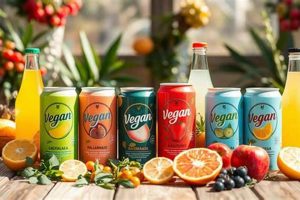
Drinks formulated without animal products are gaining traction in the food and beverage industry. These items exclude ingredients derived from animals, such as dairy milk, honey, and certain additives. Examples include plant-based milks (soy, almond, oat), fruit juices, vegetable juices, some teas and coffees, and certain alcoholic beverages specifically produced without animal-derived fining agents.
The rising popularity of these offerings reflects growing consumer awareness of ethical and environmental concerns associated with animal agriculture. Benefits include catering to individuals with dietary restrictions or preferences, reducing one’s carbon footprint, and promoting a more sustainable food system. Historically, plant-based drinks have been staples in various cultures, but their contemporary surge signifies a shift in mainstream consumption patterns.
The subsequent sections will delve into the diverse range of options available, examine the nutritional profiles of common choices, address common misconceptions, and analyze the impact of these choices on both personal well-being and the environment.
Selection and Consumption Strategies
This section provides guidance for informed decision-making regarding the integration of plant-based drinks into one’s diet.
Tip 1: Scrutinize ingredient lists. Manufacturers may incorporate animal-derived additives such as gelatin or certain food colorings. Thorough examination ensures adherence to dietary principles.
Tip 2: Evaluate nutritional content. Plant-based alternatives often differ significantly in macronutrient profiles compared to their animal-derived counterparts. Pay close attention to protein, calcium, and vitamin B12 levels.
Tip 3: Consider the source. Opt for products from companies committed to sustainable sourcing practices. This reduces environmental impact and supports ethical production.
Tip 4: Experiment with diverse options. Explore the wide array of plant-based alternatives to find preferred flavors and textures. Variety can enhance long-term adherence.
Tip 5: Be mindful of added sugars. Many commercially available options contain high levels of added sugars. Choose unsweetened varieties whenever possible or limit consumption of sweetened alternatives.
Tip 6: Fortify strategically. If relying heavily on plant-based drinks as staple beverages, consider fortified options or supplements to address potential nutrient deficiencies.
Tip 7: Check for allergens. Be aware of potential allergens such as nuts, soy, or gluten, which may be present in certain plant-based formulations.
Adherence to these guidelines facilitates informed and responsible consumption patterns. Choosing mindfully contributes to both personal health and environmental sustainability.
The concluding section will summarize the key insights presented and offer further considerations for those embracing this dietary approach.
1. Ingredient Sourcing

The foundation of ethical and sustainable plant-based drinks lies in meticulous ingredient sourcing. The origin and production methods of components significantly impact the environmental footprint and ethical implications associated with these beverages. For example, almond milk production, while vegan, has faced scrutiny due to its high water usage in regions prone to drought. Conversely, oat milk, often produced with lower water requirements and land usage, presents a potentially more sustainable alternative. Sourcing soybeans for soy milk also involves considerations regarding deforestation and land conversion, especially in areas like the Amazon rainforest, when not sourced responsibly.
The implementation of transparent and verifiable supply chains is crucial. Companies that prioritize partnerships with farmers employing sustainable agricultural practices, such as reduced pesticide use, soil conservation, and fair labor standards, contribute positively to environmental and social well-being. Certification programs, like Fair Trade or organic certifications, provide consumers with assurances regarding ethical and sustainable ingredient sourcing. By selecting products from companies committed to these practices, consumers can minimize their contribution to negative environmental and social consequences.
Ultimately, the impact of plant-based drinks hinges on responsible ingredient sourcing. While offering a potential alternative to animal-derived products, these beverages must be produced in a manner that minimizes environmental damage and upholds ethical principles. Continuous monitoring and improvement of supply chains are essential for ensuring the long-term sustainability of the plant-based beverage industry.
2. Nutritional Profiles

The nutritional composition of plant-based drinks is a critical factor in assessing their suitability as substitutes for animal-derived beverages or as components of a balanced diet. These profiles vary substantially across different types of plant-based milks and other vegan beverages, necessitating careful evaluation by consumers.
- Macronutrient Content
Plant-based milks exhibit considerable variation in macronutrient ratios. For instance, soy milk generally offers a protein content comparable to cow’s milk, while almond milk is notably lower in protein. Carbohydrate levels also differ, with some varieties containing added sugars. Fat content and composition, including saturated versus unsaturated fats, are additional differentiating factors. Understanding these differences is crucial for meeting individual dietary needs and preferences.
- Micronutrient Fortification
Many plant-based drinks are fortified with micronutrients to enhance their nutritional value and mimic the composition of cow’s milk. Common fortification includes calcium, vitamin D, and vitamin B12. However, the bioavailability of these added nutrients may vary depending on the specific formulation. Consumers should examine product labels to ensure adequate micronutrient intake, particularly if relying on these beverages as primary sources of essential vitamins and minerals.
- Added Sugars and Additives
The presence of added sugars and other additives is a significant consideration. Many commercially available plant-based drinks contain added sugars to improve palatability. Excessive sugar consumption is linked to various health concerns, making it prudent to select unsweetened or lightly sweetened options. Furthermore, some products may contain artificial flavors, stabilizers, or thickeners, which may be undesirable for individuals seeking minimally processed foods.
- Potential Allergens
Certain plant-based drinks, such as soy milk and almond milk, may contain allergens that pose risks to sensitive individuals. Proper labeling and awareness of potential allergens are essential for preventing adverse reactions. Alternative options, such as oat milk or rice milk, may be suitable for those with soy or nut allergies.
In summary, navigating the nutritional landscape of vegan beverages requires careful attention to macronutrient ratios, micronutrient fortification, the presence of added sugars and additives, and potential allergens. By critically evaluating product labels and understanding individual dietary needs, consumers can make informed choices that align with their health goals and preferences, maximizing the benefits of incorporating these drinks into their diet.
3. Production Methods

The methods employed in the production of plant-based drinks significantly influence their environmental impact, nutritional integrity, and overall sustainability. Scrutinizing these processes is vital to understanding the comprehensive implications of consuming these beverages.
- Water Usage and Waste Management
Many plant-based beverage production processes require substantial water resources. Almond milk, for example, is often criticized for its high water footprint, particularly in water-scarce regions. Efficient water recycling and conservation strategies are critical for mitigating environmental stress. Furthermore, waste management practices, including the disposal or reuse of plant pulp and byproducts, directly impact the ecological footprint of production. Anaerobic digestion of organic waste can reduce methane emissions and generate renewable energy.
- Energy Consumption and Carbon Footprint
The energy intensity of plant-based beverage production varies depending on factors such as processing techniques, transportation distances, and packaging materials. Renewable energy sources can significantly reduce the carbon footprint of these processes. Life cycle assessments (LCAs) provide a comprehensive evaluation of the greenhouse gas emissions associated with each stage of production, from ingredient sourcing to distribution and disposal. Minimizing energy consumption and transitioning to renewable energy sources are essential for reducing the environmental impact.
- Processing Techniques and Nutritional Retention
Various processing techniques, such as heat treatment, homogenization, and ultra-high temperature (UHT) processing, are used to extend the shelf life and improve the texture of plant-based drinks. These processes can affect the nutritional content of the beverages, potentially reducing the bioavailability of certain vitamins and minerals. Minimally processed options, such as cold-pressed juices, may retain more nutrients but have shorter shelf lives. Careful selection of processing techniques is necessary to balance shelf life with nutritional integrity.
- Packaging Materials and Waste Reduction
The choice of packaging materials significantly impacts the environmental sustainability of plant-based drinks. Single-use plastic packaging contributes to pollution and resource depletion. Alternative packaging options, such as recyclable cartons, glass bottles, and biodegradable materials, offer more sustainable alternatives. Implementing closed-loop recycling systems and reducing packaging waste are essential for minimizing environmental impact.
Evaluating production methods provides a more comprehensive understanding of the environmental and nutritional implications associated with such drinks. Consumers can encourage more sustainable practices by choosing products from companies committed to minimizing their environmental impact and prioritizing transparency in their production processes.
4. Environmental Impact

The proliferation of plant-based drinks presents a complex interplay of environmental consequences. Shifting away from animal-derived milk alternatives aims to reduce the substantial greenhouse gas emissions associated with livestock farming, including methane production and land clearing for grazing. However, the production of plant-based options is not without its own ecological footprint. Cultivation practices for crops like almonds, soybeans, and oats necessitate water resources, and in some regions, the agricultural practices lead to deforestation or habitat degradation. The transportation and processing stages also contribute to energy consumption and emissions.
The environmental impact of each plant-based drink varies depending on the crop’s growing location, farming methods, and processing efficiencies. For instance, almond milk production in California has raised concerns regarding water usage during periods of drought. Conversely, oat milk, generally requiring less water and land, may represent a more sustainable choice in certain regions. Soy production, if not managed responsibly, may contribute to deforestation in areas like the Amazon. Understanding the specific supply chains and production methods of different plant-based drinks enables consumers to make informed choices that minimize their environmental footprint. For example, selecting options with certified sustainable sourcing or locally produced ingredients can mitigate negative environmental effects.
Ultimately, the shift toward plant-based drinks can contribute to a more sustainable food system, provided that production practices are carefully managed and environmental impacts are continually minimized. The critical evaluation of water use, land use, greenhouse gas emissions, and supply chain sustainability is paramount. Continued research and innovation are needed to optimize the environmental performance of plant-based beverage production and ensure that these alternatives genuinely offer a net positive benefit compared to animal-derived products.
5. Consumer Accessibility
Consumer accessibility significantly influences the widespread adoption and impact of plant-based drinks. The availability of these beverages in diverse retail settings, their affordability relative to animal-derived alternatives, and the clarity of product labeling are key determinants of consumer choice. Limited accessibility, whether due to geographic location, economic constraints, or inadequate information, hinders the potential for broader societal benefits associated with these products. For instance, if a rural grocery store does not stock a variety of plant-based milk options, or if the price point is substantially higher than conventional dairy milk, consumers in that area have reduced access. Similarly, ambiguous labeling regarding ingredients or nutritional information can deter potential buyers who are either unfamiliar with plant-based diets or have specific dietary requirements.
Increased accessibility is not solely about physical availability; it also encompasses affordability and awareness. Subsidies or tax incentives that lower the price of plant-based beverages could make them more competitive with traditional dairy products, thereby incentivizing consumers to switch. Educational campaigns that promote the nutritional benefits and environmental advantages of these drinks can also enhance consumer acceptance and demand. Furthermore, targeted distribution strategies that focus on communities with higher rates of lactose intolerance or a greater propensity for plant-based diets can improve accessibility and address specific consumer needs. The expansion of online retailers and delivery services has also broadened access, particularly for consumers in areas with limited brick-and-mortar options.
Ultimately, enhancing consumer accessibility to plant-based drinks necessitates a multi-faceted approach encompassing pricing strategies, distribution networks, and educational initiatives. Overcoming barriers related to availability, affordability, and awareness is crucial for realizing the full potential of these beverages as a sustainable and ethical alternative to animal-derived products. By ensuring that these options are readily available and attractive to a broad range of consumers, the industry can contribute to a more sustainable and inclusive food system.
Frequently Asked Questions
This section addresses common inquiries regarding plant-based drinks, clarifying their composition, nutritional value, and environmental impact.
Question 1: What constitutes a beverage as “vegan?”
A “vegan” beverage is defined as one that excludes all ingredients derived from animals or animal by-products. This encompasses not only direct ingredients like dairy milk or honey but also processing aids such as gelatin, isinglass (used in some alcoholic beverages), or bone char (used in some sugar refining processes). Strict adherence to this definition ensures that the beverage aligns with ethical vegan principles.
Question 2: Are plant-based milks nutritionally equivalent to cow’s milk?
Plant-based milks exhibit varying nutritional profiles compared to cow’s milk. Some, like soy milk, can be comparable in protein content. However, many alternatives, such as almond milk, are lower in protein and fat. Fortification with nutrients like calcium, vitamin D, and vitamin B12 is common but not universal; therefore, careful evaluation of product labels is necessary to ensure adequate nutrient intake.
Question 3: What are the environmental impacts associated with the production of plant-based drinks?
The environmental impacts vary depending on the specific plant source and production methods. Almond milk production has been criticized for its high water usage, particularly in drought-prone regions. Soy production can contribute to deforestation if not sustainably sourced. Oat milk generally requires less water and land than almond or soy milk. Conducting life cycle assessments helps to compare the comprehensive environmental footprints of different options.
Question 4: Do all plant-based drinks contain added sugars?
Not all plant-based drinks contain added sugars. Many commercially available options are sweetened to enhance palatability, but unsweetened varieties are widely available. Scrutinizing product labels for added sugars, such as sucrose, glucose, or corn syrup, is essential for making informed choices, particularly for individuals managing blood sugar levels or seeking to minimize sugar consumption.
Question 5: Are plant-based drinks suitable for individuals with allergies?
Certain plant-based drinks may contain common allergens, such as soy, nuts (almonds, cashews, etc.), or gluten (in some oat milks). Careful attention to ingredient lists is crucial for individuals with allergies to avoid adverse reactions. Alternative options, such as rice milk or hemp milk, may be suitable for those with specific allergies but checking the packaging is always recommended.
Question 6: How can one ensure the ethical sourcing of ingredients in plant-based drinks?
Ensuring ethical sourcing requires seeking products from companies committed to sustainable agricultural practices and fair labor standards. Certifications like Fair Trade or organic labels provide some assurance, but direct engagement with company transparency reports or sustainability initiatives offers more comprehensive insight. Supporting brands that prioritize ethical sourcing helps to promote responsible production practices.
These FAQs offer a foundational understanding of key considerations surrounding plant-based drinks. Informed decision-making requires continuous learning and adaptation to evolving product offerings and scientific evidence.
The subsequent section will offer concluding remarks, synthesizing the key themes discussed and providing forward-looking perspectives on plant-based beverages.
Conclusion
The preceding exploration of vegan beverages reveals a multifaceted domain characterized by diverse nutritional profiles, varying environmental impacts, and evolving consumer accessibility. Sourcing transparency and production methods necessitate critical evaluation. The simple label of vegan is insufficient; rigorous assessment of ingredients, processing, and ecological consequences is paramount. The nutritional content, although often augmented through fortification, requires careful scrutiny to align with individual dietary needs.
Ultimately, the sustained growth and net positive impact of the vegan beverage sector hinge upon responsible manufacturing practices, informed consumer choices, and transparent communication. Further research and innovation are required to minimize environmental burdens and maximize the health benefits associated with these alternatives. The future of vegan beverages lies not only in their proliferation but also in their commitment to verifiable sustainability and ethical production standards.