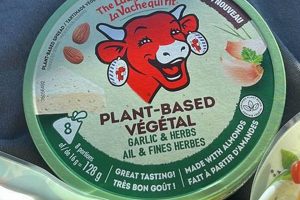
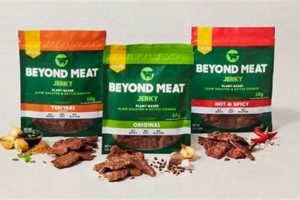
Plant-based diets have a long and nuanced history within the subcontinent. Vegetarianism, deeply rooted in religious and philosophical traditions like Jainism, Hinduism, and Buddhism, has influenced culinary practices for centuries. The adoption of completely animal-product-free lifestyles, however, represents a contemporary evolution, driven by ethical considerations, health awareness, and environmental concerns. This approach to eating excludes all dairy, honey, and other animal-derived ingredients traditionally common in regional cuisine, necessitating creative adaptations of classic dishes.
The rising popularity of this dietary choice offers potential benefits across multiple domains. Environmentally, it reduces the demand for resource-intensive animal agriculture, contributing to lower greenhouse gas emissions and land usage. From a health perspective, carefully planned plant-based meals can offer numerous advantages, including improved cardiovascular health and reduced risk of certain chronic diseases. Historically, while strict avoidance of all animal products was less common, the core principles of non-violence (ahimsa) towards animals have significantly impacted dietary practices, laying a foundation for current trends.
The following sections will explore the specific challenges and opportunities associated with adhering to a fully plant-based lifestyle in this region. This includes addressing nutritional considerations, navigating cultural food traditions, and understanding the growing market for plant-based alternatives. Furthermore, it will delve into the motivations behind embracing this dietary choice and its potential impact on both personal well-being and the broader society.
Guidance for Plant-Based Living
Successful navigation of a diet excluding all animal products requires informed decision-making and strategic planning, particularly within the diverse culinary landscape. Consider the following guidelines:
Tip 1: Fortify Dietary Intake: Prioritize vitamin B12 supplementation. Plant-based diets inherently lack this essential nutrient, vital for neurological function and red blood cell production. Regular supplementation mitigates deficiency risks.
Tip 2: Diversify Protein Sources: Combine pulses, lentils, beans, tofu, tempeh, nuts, and seeds throughout the day. This ensures a complete amino acid profile, crucial for muscle maintenance and overall health. Focus on variety to optimize nutrient absorption.
Tip 3: Scrutinize Ingredient Lists: Become proficient in identifying hidden animal products. Common culprits include ghee (clarified butter), whey protein (dairy), casein (dairy protein), and certain emulsifiers. Diligent label reading is paramount.
Tip 4: Explore Regional Cuisine Adaptations: Leverage the existing wealth of vegetarian dishes as a foundation. Adapt recipes by substituting dairy milk with plant-based alternatives (almond, soy, coconut) and replacing paneer (cheese) with tofu or other plant-based curds.
Tip 5: Communicate Dietary Needs Clearly: When dining out or attending social gatherings, explicitly communicate dietary requirements. Request modifications to dishes to exclude dairy and other animal-derived ingredients. Preparation and clarity are essential.
Tip 6: Address Iron Deficiency Risks: Plant-based iron (non-heme iron) is less readily absorbed than animal-based iron (heme iron). Enhance iron absorption by consuming iron-rich foods (spinach, lentils) alongside foods high in vitamin C (citrus fruits, bell peppers).
Tip 7: Prioritize Calcium Intake: Ensure adequate calcium intake through fortified plant milks, tofu set with calcium sulfate, leafy green vegetables, and nuts. Calcium is crucial for bone health and other physiological processes.
Adherence to these principles facilitates a sustainable and nutritionally sound dietary transition. The outlined strategies provide a framework for navigating the challenges and maximizing the benefits associated with completely plant-based eating.
Subsequent sections will delve into specific culinary adaptations and resources available to support this dietary choice within the regional context.
1. Ethics

The ethical dimension serves as a primary catalyst for the adoption of a fully plant-based lifestyle within India. Individuals are increasingly motivated by concerns regarding animal welfare, specifically the conditions prevalent in the dairy industry and other animal agriculture sectors. Ethical standpoints against animal exploitation, driven by a belief in animal sentience and rights, directly translate into dietary choices. For example, documented instances of inhumane treatment of dairy animals, such as forced impregnation and premature separation of calves, fuel the rejection of dairy consumption. This ethical stance extends to avoiding all products derived from animals, leading to comprehensive lifestyle changes.
The importance of ethics in shaping dietary decisions is underscored by the historical context of ahimsa, or non-violence, a core principle in several Indian religions and philosophies. While traditional vegetarianism often included dairy, the contemporary plant-based movement reflects a more stringent application of ahimsa, extending it to encompass all animal products. The effect is a re-evaluation of food choices through a lens of compassion and moral responsibility. Consider the rise of animal sanctuaries and advocacy groups that raise awareness about animal suffering, directly influencing consumer behavior. The practical significance lies in the growing demand for plant-based alternatives and ethical sourcing, driving innovation in the food industry.
In summary, ethical considerations are not merely abstract concepts but tangible drivers of dietary change. Challenges remain in bridging the gap between deeply ingrained cultural practices and evolving ethical awareness. Ultimately, a clear understanding of the ethical implications of food choices is crucial for promoting a more compassionate and sustainable food system. This ethical foundation necessitates continued education, transparent labeling, and a wider societal dialogue on animal welfare to support and sustain the growth of plant-based eating.
2. Tradition

The interplay between established culinary customs and the adoption of a wholly plant-based diet presents a complex dynamic. Indian cuisine, rich in dairy-based dishes and ghee-tempered preparations, often places traditional practices at odds with the principles of this dietary approach. The cultural significance of ingredients like ghee, paneer, and yogurt extends beyond mere sustenance; they are integral to religious rituals, festive celebrations, and daily meals across diverse regional cuisines. Consequently, embracing a fully plant-based lifestyle necessitates a conscious departure from these deeply ingrained habits, requiring individuals to navigate familial expectations, social norms, and the inherent challenges of altering long-standing dietary patterns. For instance, the preparation of traditional sweets, commonly reliant on dairy products, requires innovative substitutions using plant-based alternatives to maintain cultural continuity. The importance of tradition is evidenced by the emotional and social significance attached to specific dishes, often passed down through generations.
Consider the impact on religious festivals where offerings of milk-based sweets are customary. Plant-based adherents must either abstain from participation or develop plant-based alternatives acceptable within the cultural context. Furthermore, the ubiquitous use of ghee in cooking presents a practical obstacle. Replacing it with plant-based oils or fats requires adjusting cooking techniques to achieve similar flavors and textures. This adaptation extends to everyday meals, necessitating the exploration of plant-based substitutes for common dairy-based ingredients in curries, sauces, and beverages. Understanding the specific traditions associated with food in different regions is crucial. A South Indian diet heavily reliant on yogurt-based preparations presents different challenges compared to a North Indian diet where ghee and paneer are more prevalent.
In summary, tradition significantly influences the landscape of plant-based eating within India. The challenge lies in reconciling deeply ingrained culinary customs with ethical and health-related motivations for dietary change. Overcoming this requires a nuanced approach that acknowledges the cultural significance of food while promoting the adoption of plant-based alternatives. The practical significance of this understanding lies in facilitating a gradual and culturally sensitive transition towards more sustainable and ethical dietary choices. This necessitates community support, educational initiatives, and the development of widely available and culturally appropriate plant-based options to enable widespread adoption.
3. Nutrition

The nutritional dimension is critically intertwined with plant-based diets within India. A well-planned plant-based diet can offer numerous health benefits; however, inadequate planning may lead to nutrient deficiencies. The historical context of vegetarianism, while prevalent, does not automatically equate to nutritional completeness within a completely plant-based context. Traditional Indian vegetarian diets often rely heavily on dairy, providing a source of protein, calcium, and vitamin B12. The elimination of dairy necessitates alternative strategies to obtain these essential nutrients, impacting long-term health outcomes. The cause-and-effect relationship is direct: a poorly designed plant-based diet increases the risk of deficiencies, while a nutritionally sound approach yields positive health results. This understanding underscores the importance of nutritional knowledge as a core component of successful adoption of a completely plant-based lifestyle. Consider the example of vitamin B12, which is not naturally found in plant-based foods and must be supplemented or obtained from fortified sources. Failure to address this can lead to neurological issues and anemia. The practical significance lies in ensuring that individuals adopting this diet have access to accurate information and resources to make informed food choices.
Specific micronutrients warrant particular attention. Iron absorption from plant-based sources (non-heme iron) is less efficient than from animal sources (heme iron). Strategies to enhance iron absorption, such as consuming iron-rich foods with vitamin C, become essential. Similarly, adequate calcium intake must be prioritized through fortified plant milks, tofu, or green leafy vegetables to maintain bone health. Protein intake requires careful planning to ensure a complete amino acid profile is achieved by combining various plant-based protein sources like lentils, beans, and tofu. Real-life examples demonstrate the consequences of neglecting these considerations. Individuals consuming predominantly carbohydrate-based plant-based diets without adequate protein and micronutrient sources may experience fatigue, muscle loss, and impaired immune function. Addressing these challenges requires access to registered dietitians or nutritionists who can provide personalized dietary guidance, especially for vulnerable populations such as pregnant women, children, and the elderly. Practical applications include community education programs and the availability of affordable, nutrient-dense plant-based foods.
In summary, the connection between nutrition and the “vegan of india” highlights the critical importance of informed dietary choices. A comprehensive understanding of nutrient requirements and appropriate strategies for meeting those requirements is crucial for avoiding deficiencies and maximizing health benefits. Challenges remain in addressing misinformation and ensuring access to accurate nutritional guidance. Linking this to the broader theme, promoting a sustainable and ethical food system requires not only advocating for plant-based diets but also ensuring that these diets are nutritionally adequate and accessible to all segments of the population. Addressing the nutritional dimension is vital for the long-term success and sustainability of this movement.
4. Availability
The accessibility of plant-based food products and resources directly impacts the feasibility and adoption rate of a fully plant-based lifestyle. The extent to which alternatives to animal-derived foods are readily obtainable determines the ease with which individuals can adhere to this dietary approach. Limited availability restricts choices, potentially leading to nutritional deficiencies or reverting to non-plant-based options. Consider the availability of fortified plant milks, tofu, and plant-based meat substitutes in various regions. Their absence in smaller towns or rural areas presents a significant barrier, necessitating reliance on traditional vegetarian options, which may still include dairy. The cause-and-effect relationship is clear: increased accessibility promotes adoption and sustainability, while limited availability hinders progress. The practical significance of this understanding lies in identifying and addressing disparities in food distribution and promoting wider access to plant-based alternatives.
The expansion of plant-based options within supermarkets, restaurants, and online platforms is vital for facilitating widespread adoption. Increased demand drives manufacturers to develop and distribute a wider range of plant-based products, creating a positive feedback loop. Initiatives aimed at promoting local production of plant-based foods can further enhance availability and affordability, particularly in regions with limited access to imported alternatives. Real-life examples include the growing number of restaurants offering plant-based menu options and the proliferation of online marketplaces specializing in plant-based foods. However, challenges persist in ensuring that these options are affordable and accessible to all socioeconomic groups. The affordability and supply chain infrastructure influences purchasing decisions.
In summary, the connection between availability and the implementation of a plant-based diet underscores the necessity of addressing infrastructural and economic barriers. Expanding the availability of plant-based food products is not merely a matter of offering alternatives, but a crucial step in creating a more equitable and sustainable food system. The focus on enhancing accessibility contributes directly to the feasibility of ethical and nutritionally sound plant-based eating across diverse communities. Addressing distribution challenges and supporting local production are essential for maximizing the impact and reach of this dietary shift.
5. Adaptation

The modification of traditional recipes and dietary practices is paramount for successful long-term adherence to a fully plant-based lifestyle within the diverse cultural context of India. Adaptation involves not merely substituting ingredients but also preserving flavors, textures, and cultural relevance to maintain a sense of familiarity and satisfaction.
- Ingredient Substitution
Replacing dairy-based staples with plant-derived alternatives is a core component of adaptation. Substituting dairy milk with plant milks (almond, soy, oat), paneer with tofu or plant-based curds, and ghee with plant-based oils requires careful consideration of flavor profiles and cooking properties. For instance, using cashew cream to mimic the richness of dairy-based sauces or employing smoked tofu to replicate the savory notes of paneer are examples of successful ingredient adaptation. The implications include broadening the range of plant-based dishes while retaining familiar tastes.
- Recipe Modification
Traditional recipes often require adjustments to accommodate plant-based ingredients. Adapting a recipe for butter chicken, traditionally reliant on dairy, may involve using coconut milk for creaminess and plant-based yogurt for marination. Similarly, modifying sweet dishes traditionally made with condensed milk may necessitate using cashew or almond-based alternatives. The goal is to retain the essence of the dish while adhering to plant-based principles. The practical outcome is the creation of culturally relevant plant-based options that appeal to diverse palates.
- Culinary Technique Innovation
Mastering new cooking techniques is essential for achieving optimal results with plant-based ingredients. Different plant-based proteins and vegetables may require varied cooking times and methods. For example, properly pressing tofu to remove excess moisture enhances its texture and allows it to absorb flavors more effectively. Using high heat to sear plant-based meats can create a desirable Maillard reaction, mimicking the browning and flavor development of animal-based proteins. The result is the expansion of culinary skills and the creation of innovative plant-based dishes.
- Cultural Contextualization
Adapting plant-based dishes to align with regional cuisines and cultural preferences is crucial for acceptance and sustainability. Tailoring plant-based options to reflect the flavors and ingredients of specific regions, such as using coconut milk and curry leaves in South Indian-inspired dishes or incorporating spices common in North Indian cuisine, enhances their appeal and cultural relevance. It also involves respecting traditional cooking methods while integrating plant-based ingredients and techniques. This ensures the dishes are recognizable and relatable to local palates, fostering a sense of comfort and familiarity.
Adaptation is a dynamic and ongoing process that requires creativity, experimentation, and a deep understanding of both culinary traditions and plant-based ingredients. It is essential for overcoming challenges, creating flavorful meals, and sustaining long-term commitment to a fully plant-based lifestyle within the diverse cultural landscape. The adaptation fosters plant-based culinary heritage, demonstrating that plant-based food is not a limitation but a canvas for innovation and cultural expression.
6. Accessibility

The ease with which individuals can obtain plant-based food options significantly impacts the adoption and sustainability of a fully plant-based lifestyle. Limited accessibility acts as a direct impediment, restricting dietary choices and potentially compromising nutritional adequacy. The presence or absence of plant-based alternatives, particularly in diverse geographical regions and varying socioeconomic contexts, critically influences the feasibility of this dietary approach. A lack of accessibility can lead to nutritional deficiencies due to restricted food choices or increased reliance on less healthy, readily available alternatives. Consider the disparity between urban centers with well-stocked supermarkets and rural areas where access to plant-based protein sources like tofu or tempeh is limited. The practical significance lies in understanding that promoting a plant-based lifestyle necessitates addressing infrastructural and economic barriers that restrict accessibility.
Addressing these challenges requires multi-faceted strategies. Increased distribution of plant-based products through retail channels, expansion of plant-based menu options in restaurants, and government initiatives aimed at promoting plant-based agriculture are essential. Furthermore, addressing the economic dimension is crucial. Plant-based alternatives should be made affordable, possibly through subsidies or tax incentives, to ensure accessibility across all income levels. Education initiatives are equally vital, as consumers need information on where to find plant-based options and how to incorporate them into their diets. Local production of plant-based foods can be promoted to enhance availability and reduce transportation costs. Real-life examples include the growth of online retailers specializing in plant-based products and community-supported agriculture programs that make fresh, locally sourced plant-based foods available to underserved communities. Also, the promotion of simple plant based recipes by local community leaders can create an accessible entry point.
In summary, the correlation between accessibility and the feasibility of the “vegan of india” dietary choice is undeniable. Overcoming the barriers to accessibility is not merely a matter of providing alternatives; it is an essential step towards creating a more equitable and sustainable food system. Addressing distribution challenges, supporting local production, and ensuring affordability are crucial for maximizing the impact and reach of this dietary shift. A focus on accessibility is vital for enabling individuals from all socioeconomic backgrounds and geographical locations to embrace a fully plant-based lifestyle.
Frequently Asked Questions
The following section provides answers to commonly asked questions regarding the adoption and maintenance of a fully plant-based diet within the Indian context. These responses aim to clarify misconceptions and offer practical guidance.
Question 1: Is a fully plant-based diet nutritionally adequate within the context of traditional Indian cuisine?
A properly planned diet excluding all animal products can be nutritionally adequate. Careful attention to micronutrient intake, particularly vitamin B12, iron, calcium, and vitamin D, is essential. Consulting a registered dietitian or nutritionist familiar with plant-based diets is recommended, especially for vulnerable populations such as pregnant women and children.
Question 2: How can individuals adhere to a plant-based lifestyle while navigating social and cultural food traditions?
Communication and adaptation are key. Clearly communicate dietary needs when dining out or attending social gatherings. Explore plant-based versions of traditional recipes, substituting dairy with plant-based alternatives. Engage in open dialogue with family and friends to foster understanding and support.
Question 3: What are some common challenges faced by those adopting a plant-based diet, and how can they be overcome?
Challenges may include limited availability of plant-based alternatives in certain regions, difficulty navigating traditional recipes, and social pressure. Overcoming these challenges requires proactive planning, recipe adaptation, sourcing plant-based alternatives online or through specialized stores, and seeking support from online communities.
Question 4: Is a plant-based diet more expensive than a conventional diet in India?
The cost of a plant-based diet can vary depending on food choices. Relying on whole, unprocessed plant-based foods like lentils, beans, and vegetables can be more affordable than purchasing processed plant-based alternatives. Planning meals and buying in bulk can help reduce costs.
Question 5: How can one ensure adequate protein intake on a fully plant-based diet?
Incorporate a variety of plant-based protein sources into daily meals, including lentils, beans, chickpeas, tofu, tempeh, nuts, and seeds. Combining these sources ensures a complete amino acid profile, essential for muscle maintenance and overall health.
Question 6: What are some reliable sources of vitamin B12 for individuals following a plant-based diet?
Vitamin B12 is not naturally found in plant-based foods and must be obtained through supplementation or fortified foods. Common sources include vitamin B12 supplements, fortified plant milks, and fortified nutritional yeast. Regular monitoring of vitamin B12 levels is advisable.
The above information serves as a starting point for addressing common concerns and misconceptions regarding plant-based living. Further research and consultation with qualified professionals are encouraged for personalized guidance.
The subsequent sections will provide detailed information on specific aspects of plant-based nutrition and resources available for supporting this lifestyle.
vegan of india
This exploration has outlined multifaceted considerations surrounding the adoption and maintenance of a fully plant-based lifestyle within India. Key aspects include ethical motivations, reconciling with traditional culinary practices, ensuring adequate nutrition, addressing availability and accessibility challenges, and the critical role of adaptation. Each of these elements contributes to shaping the landscape of plant-based eating within the region.
The continuous advancement of resources, education, and infrastructure is vital for supporting individuals pursuing this dietary path. Prioritizing the intersection of cultural sensitivity, nutritional completeness, and accessibility is essential for the sustained growth of ethical and sustainable food choices across the subcontinent. Further efforts towards promoting plant-based alternatives are critical, necessitating engagement from individuals, communities, and governmental bodies.