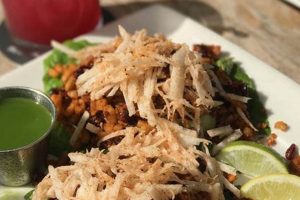
Plant-based versions of traditionally meat and dairy-heavy dishes from Mexican cuisine are gaining popularity. This culinary trend focuses on recreating familiar flavors and textures using ingredients derived solely from plants. Examples include tacos filled with seasoned lentils or jackfruit, enchiladas smothered in cashew-based cream sauce, and tamales stuffed with vegetables and plant-based cheeses.
The increasing interest in plant-based Mexican cooking stems from various factors including ethical concerns about animal welfare, environmental sustainability, and potential health benefits. Historically, Mexican cuisine has always incorporated a wide range of plant-based ingredients such as corn, beans, squash, and chilies. Modern adaptations leverage these staples while exploring new ways to replicate the taste and mouthfeel of meat and dairy.
The following sections will delve deeper into specific aspects of this cuisine, including common ingredient substitutions, popular dishes, regional variations, and considerations for preparing authentic and satisfying plant-based versions.
The following guidance offers practical advice for creating authentic and flavorful meals, while adhering to strict plant-based guidelines. Careful consideration of ingredients, techniques, and flavor profiles is paramount.
Tip 1: Embrace Versatile Legumes: Black beans, pinto beans, and lentils serve as substantial protein sources. Prepare them from scratch to control sodium content and enhance flavor profiles.
Tip 2: Utilize Plant-Based Protein Alternatives: Explore options such as marinated tofu, tempeh, or textured vegetable protein (TVP) to mimic the texture and taste of traditional meat fillings. Experiment with different preparations, such as grilling, braising, or crumbling.
Tip 3: Craft Rich Sauces with Nuts and Seeds: Cashews, almonds, and sunflower seeds, when blended with water and spices, create creamy and decadent sauces, replacing dairy-based components in enchiladas, quesadillas, and other dishes.
Tip 4: Master the Art of Flavorful Salsas: Salsas are integral to the cuisine. Experiment with diverse ingredients and heat levels to enhance dishes. Rely on fresh tomatoes, onions, chilies, cilantro, and lime juice.
Tip 5: Don’t Neglect the Importance of Spices: Mexican cuisine is characterized by its complex blend of spices. Use cumin, chili powder, oregano, and smoked paprika generously to recreate authentic flavor profiles.
Tip 6: Explore Regional Variations: Mexican culinary traditions vary across regions. Research different styles, such as Oaxacan mole or Yucatecan achiote-based dishes, adapting them to plant-based principles.
Tip 7: Make your own tortillas: By creating your own tortillas, you can ensure no lard or animal byproducts are included.
Adhering to these guidelines ensures authentic and satisfying plant-based Mexican food, catering to dietary preferences while preserving culinary integrity.
The subsequent section will explore common challenges and solutions in plant-based Mexican cuisine, focusing on maintaining authentic flavors and textures while adhering to dietary restrictions.
1. Ingredient Substitution

Ingredient substitution forms the bedrock of plant-based adaptations within Mexican cuisine. The ability to effectively replace animal-derived components, such as meat, dairy, and lard, with plant-based alternatives directly influences the authenticity and success of the final dish. The absence of traditional ingredients necessitates innovative solutions that maintain the intended flavor and texture profiles. For instance, jackfruit can effectively mimic the shredded texture of carnitas in tacos and burritos, while cashew cream serves as a rich, dairy-free alternative to crema in enchiladas and sauces. The selection and application of these substitutes require careful consideration to ensure a satisfying and culturally relevant culinary experience.
The significance of proper ingredient substitution extends beyond simple replacement; it involves understanding the functional properties of each ingredient. Lard, traditionally used in tortillas and tamales, provides a specific texture and flavor. Replacing it with vegetable shortening or coconut oil requires adjustments to the recipe to achieve a similar outcome. Similarly, dairy-based cheeses contribute a certain melt and stretch to quesadillas and enchiladas. Plant-based cheese alternatives, often made from nuts or soy, may require adjustments in cooking time or technique to replicate this texture effectively. These substitutions necessitate a deep understanding of both traditional Mexican cooking and the characteristics of plant-based ingredients.
Effective ingredient substitution is crucial for widening the appeal and accessibility of plant-based Mexican cuisine. By offering satisfying and authentic-tasting alternatives to traditional dishes, it allows individuals with dietary restrictions or ethical preferences to enjoy the rich culinary heritage of Mexico. The success of this culinary approach hinges on a thoughtful and informed approach to ingredient replacement, ensuring that dishes maintain their essential flavor profiles and cultural significance. As the demand for plant-based options continues to grow, mastering the art of ingredient substitution becomes increasingly important for chefs and home cooks alike.
2. Authentic Flavor Replication

Authentic flavor replication serves as a critical determinant of success in plant-based adaptations of Mexican cuisine. While ingredient substitution addresses the ethical and dietary considerations of excluding animal products, the reproduction of traditional flavors ensures the cultural integrity and overall satisfaction of the dishes. The absence of authentic flavors can lead to a disconnect from the intended culinary experience, potentially diminishing the appeal of plant-based options to both long-time enthusiasts and newcomers. For example, the smoky depth of a traditionally prepared mole, achieved through a complex blend of chilies, spices, and nuts, must be meticulously recreated using plant-based ingredients to capture the dish’s essence. The success of plant-based Mexican food depends heavily on this replication.
Achieving authentic flavor requires a thorough understanding of traditional Mexican cooking techniques and spice profiles. Simply replacing ingredients without considering their impact on the overall flavor balance can result in bland or uninspired dishes. The proper use of spices such as cumin, coriander, oregano, and various chili powders is essential for creating the characteristic warmth and depth of flavor found in many Mexican dishes. Additionally, understanding the role of techniques like toasting spices and allowing flavors to meld over time is crucial for replicating the complexity of traditional recipes. Plant-based interpretations of dishes like tinga, which typically features shredded chicken in a smoky chipotle sauce, must accurately recreate that smoky intensity through careful selection and preparation of plant-based protein and the incorporation of authentic chipotle peppers. Another example is recreating the tangy, spicy flavors of dishes from the Yucatan region like cochinita pibil, relying on achiote paste and citrus for flavor.
The pursuit of authentic flavor in plant-based adaptations presents a challenge that demands both culinary skill and cultural sensitivity. Successfully navigating this challenge involves not only mastering plant-based cooking techniques but also respecting and understanding the nuances of traditional Mexican flavors. The ongoing development of plant-based ingredient alternatives and the refinement of cooking techniques will undoubtedly contribute to increasingly accurate and satisfying flavor replication, further enhancing the appeal and accessibility of this culinary fusion. The key is to embrace the spirit of innovation while honoring the rich heritage of Mexican cuisine.
3. Nutritional Completeness

Nutritional completeness is paramount in plant-based adaptations of Mexican cuisine. While traditional Mexican food often features nutrient-rich ingredients like beans, corn, and vegetables, ensuring a fully plant-based version provides a complete range of essential nutrients requires careful planning. The absence of animal products necessitates strategic substitution and combination of plant-based sources to deliver adequate protein, iron, vitamin B12, calcium, and omega-3 fatty acids. For example, a plant-based taco substituting meat with seasoned lentils needs to be accompanied by toppings or side dishes rich in vitamin C (e.g., salsa with lime juice) to enhance iron absorption. Without this, the nutritional profile may be lacking compared to a meat-based counterpart.
The careful consideration of nutritional completeness can influence menu design and recipe development. For instance, instead of simply removing cheese from an enchilada, incorporating a cashew-based cream sauce fortified with nutritional yeast provides a source of B vitamins and protein. Similarly, ensuring adequate omega-3 intake may involve adding flax seeds or chia seeds to salsas or incorporating avocado into guacamole. Restaurants and individuals preparing these dishes need to be aware of potential nutrient deficiencies and proactively address them through thoughtful ingredient selection and preparation. This might also involve focusing on less common traditional ingredients like amaranth, which offers complete protein and a good source of fiber.
Maintaining nutritional completeness in plant-based Mexican cuisine is not merely about avoiding deficiencies, but also about maximizing the health benefits associated with a plant-rich diet. By combining nutrient-dense plant-based ingredients, individuals can enjoy the flavors of traditional Mexican food while optimizing their overall health. This requires both knowledge of nutrition and a commitment to creative and thoughtful recipe development. Addressing potential nutritional gaps demonstrates a comprehensive approach, ensuring that these adaptations are not only delicious but also promote well-being.
4. Culinary Technique Adaptation

Culinary technique adaptation is essential for successfully transforming traditional Mexican recipes into plant-based versions. Altering cooking methods is frequently required to achieve the desired texture, flavor, and overall integrity of the dish when animal products are omitted or replaced. The adaptations ensure the viability and appeal of meat-free or dairy-free Mexican offerings.
- Moisture Retention Methods
When meat or dairy are removed, dishes can become drier. Techniques such as braising vegetables in flavorful broths, adding moisture-rich ingredients like tomatoes or mushrooms, and using plant-based fats strategically can prevent this. Tamales, traditionally steamed with lard, may require adjustments to the masa recipe and steaming process to maintain their characteristic moistness when lard is substituted with vegetable shortening or oil.
- Flavor Infusion Strategies
Animal fats often contribute significantly to the depth of flavor in traditional Mexican dishes. To compensate, plant-based versions must utilize techniques like smoking vegetables, employing intense spice rubs, and creating concentrated sauces or marinades. For example, replicating the rich flavor of carnitas using jackfruit may involve slow-cooking the jackfruit with smoked paprika and a blend of Mexican spices to infuse it with a similar smoky, savory profile.
- Texture Modification Approaches
Achieving the desired texture in plant-based dishes often requires manipulating ingredients or applying specific cooking methods. Using a food processor to create a “ground meat” texture from walnuts and mushrooms for tacos or empanadas, or employing techniques like deep-frying to create crispy textures with plant-based ingredients, are examples. Replicating the stretchy texture of melted cheese in quesadillas often requires experimenting with plant-based cheese alternatives and adjusting heating times.
- Binding Agent Innovations
Egg and dairy often act as binding agents in traditional dishes. To replace these, plant-based cooking utilizes alternatives like flaxseed meal, chia seeds, or cornstarch. These are essential for creating cohesive mixtures in dishes like veggie burgers, refried beans, or even some plant-based dessert items inspired by Mexican flavors (like flan or tres leches). The ratios and usage of these binding agents are carefully considered for each recipe.
These culinary technique adaptations demonstrate that plant-based Mexican food is not simply about ingredient substitution. It is a process of reimagining traditional methods and applying culinary creativity to create delicious and authentic dishes that align with plant-based dietary preferences. The ongoing refinement of these techniques continuously enhances the potential and versatility of these culinary adaptations.
5. Cultural Sensitivity

Within the realm of plant-based Mexican culinary adaptations, cultural sensitivity assumes a role of paramount importance. It acknowledges the deep-rooted traditions and significance associated with Mexican cuisine, ensuring that adaptations respect and honor the cultural heritage while aligning with plant-based principles.
- Respecting Traditional Ingredients
Many dishes rely on specific, regionally sourced ingredients that hold cultural value. Plant-based versions should prioritize using similar, accessible plant-based ingredients or clearly acknowledge deviations when necessary. Replacing a specific type of chili with a generic alternative, for example, may alter the intended flavor profile and diminish the cultural authenticity of the dish.
- Acknowledging Historical Context
Understanding the historical origins and evolution of Mexican dishes is crucial. Some dishes have religious or ceremonial significance, and adaptations should be made with reverence. Mole, for instance, often prepared for special occasions, requires a sensitive approach when adapting it to plant-based versions, preserving its complex flavors and symbolic representation.
- Avoiding Appropriation
Plant-based Mexican cuisine should avoid appropriating culinary traditions without proper understanding or respect. Simply labeling a dish as “Mexican” without accurately reflecting authentic flavors and techniques can be seen as cultural appropriation. Plant-based adaptations should strive for genuine representation, demonstrating an appreciation for the cuisine’s origins and complexities.
- Engaging with the Community
When creating or serving plant-based Mexican dishes, engaging with the Mexican community and seeking input can foster cultural understanding and ensure respect for culinary traditions. Collaborating with Mexican chefs or home cooks provides valuable insights and helps avoid unintended misrepresentations or cultural insensitivity.
Cultural sensitivity ensures that plant-based Mexican cuisine is not merely a trend but a respectful and authentic culinary experience. It involves a commitment to understanding, appreciating, and honoring the rich cultural heritage of Mexican cuisine while catering to diverse dietary preferences. By prioritizing cultural sensitivity, plant-based adaptations can contribute to a more inclusive and respectful culinary landscape.
6. Regional Variation Exploration
Regional variation exploration is a critical component of the plant-based adaptation of Mexican food. Mexican cuisine is not monolithic; rather, it comprises distinct regional culinary traditions shaped by local ingredients, climates, and historical influences. Plant-based adaptations that ignore these regional nuances risk homogenization, failing to capture the authentic character of specific dishes. For instance, attempting to create a plant-based mole poblano, a complex sauce originating from Puebla, without understanding the specific types of chilies, nuts, and spices traditionally used would result in a dish that lacks the essential flavors and cultural significance of the original.
The significance of regional variation exploration is amplified when considering the practical application of plant-based adaptations. A plant-based cochinita pibil, a Yucatecan dish featuring slow-roasted pork marinated in achiote paste, demands a different approach than a plant-based birria, a spicy goat stew from Jalisco. The former relies heavily on achiote and citrus flavors, while the latter features a complex blend of dried chilies and spices. Successfully adapting each dish requires a deep understanding of the regional flavor profiles and cooking techniques, employing appropriate plant-based substitutes to achieve authentic results. Understanding this complexity allows for the creation of diverse menus that showcase the breadth and depth of plant-based Mexican cuisine.
In summary, regional variation exploration is not merely an academic exercise but a practical necessity for crafting authentic and satisfying plant-based Mexican dishes. It requires a commitment to research, ingredient sourcing, and culinary experimentation to accurately represent the diverse culinary traditions of Mexico. Ignoring these regional nuances diminishes the richness and complexity of the cuisine, while embracing them allows for a more authentic and culturally sensitive plant-based culinary experience. The future of plant-based Mexican food relies on a continued appreciation and exploration of these regional variations.
7. Ingredient Availability

Ingredient availability exerts a substantial influence on the feasibility and authenticity of plant-based Mexican cuisine. The ease with which specific ingredients, both traditional Mexican staples and plant-based substitutes, can be sourced directly impacts the complexity and diversity of dishes that can be realistically prepared. Scarcity of key components often necessitates improvisation or results in diminished flavor profiles, directly affecting the user experience. For example, access to authentic dried chilies, crucial for mole sauces and various salsas, is not uniform across all regions. This limitation might prompt reliance on less suitable alternatives, compromising the intended taste.
The rise in demand for plant-based options has stimulated increased availability of vegan substitutes, such as plant-based cheeses and meat alternatives. However, distribution remains uneven, with urban centers typically benefiting from greater selection compared to rural areas. Furthermore, the cost of these specialized ingredients can present a barrier, limiting accessibility for some consumers. The ability to cultivate certain traditional Mexican crops locally, such as specific varieties of tomatoes or peppers, offers a means of circumventing supply chain limitations and promoting sustainability. The use of locally sourced products improves freshness and reduces transportation costs, positively impacting both flavor and economic viability.
Ultimately, the relationship between ingredient availability and plant-based Mexican food is symbiotic, with the former directly shaping the potential of the latter. Addressing challenges related to sourcing and distribution will be critical for the continued growth and evolution of this culinary sector. Strategies such as promoting local farming initiatives, expanding access to specialty ingredients through online retailers, and developing cost-effective plant-based substitutes hold the potential to democratize access to authentic and flavorful plant-based Mexican cuisine.
Frequently Asked Questions About Vegan Food Mexican
The subsequent section addresses common inquiries and misconceptions surrounding plant-based adaptations of Mexican cuisine, offering clarity and informative responses.
Question 1: What are the primary challenges in creating authentic plant-based Mexican dishes?
Challenges include replicating textures traditionally achieved with animal products, substituting dairy-based components, and maintaining the complex flavor profiles inherent in Mexican cuisine without relying on meat-based stocks or fats. Solutions often involve innovative use of plant-based proteins, nut-based creams, and skillful application of spices.
Question 2: Is it possible to replicate the taste of traditional Mexican cheeses using only plant-based ingredients?
Replicating the exact flavor and texture of dairy cheeses can be difficult. However, plant-based alternatives utilizing nuts, seeds, or soy can provide satisfying substitutes, offering creamy textures and flavors that complement Mexican dishes. Nutritional yeast and fermentation processes can enhance the “cheesy” taste.
Question 3: How can one ensure adequate protein intake when following a plant-based Mexican diet?
Plant-based Mexican dishes can be excellent sources of protein. Beans, lentils, tofu, tempeh, and textured vegetable protein (TVP) can be incorporated into tacos, burritos, enchiladas, and other dishes. Combining these with grains like rice and corn provides complete proteins.
Question 4: Are there specific Mexican dishes that are inherently easier to adapt to a plant-based diet?
Certain dishes lend themselves more easily to plant-based adaptations. Salsas, guacamole, and many vegetable-based stews are naturally plant-based. Dishes like bean burritos, vegetable enchiladas, and mushroom tacos are readily adaptable with minimal adjustments.
Question 5: What are some common misconceptions about plant-based Mexican cuisine?
Common misconceptions include the belief that it is inherently bland, lacks protein, or is culturally inauthentic. In reality, plant-based Mexican food can be incredibly flavorful, protein-rich, and respectful of culinary traditions through skillful ingredient substitution and creative cooking techniques.
Question 6: How does regional variation affect the creation of plant-based Mexican dishes?
Regional variations introduce diverse flavor profiles and ingredients. Adapting dishes from Oaxaca, known for its complex moles, requires a different approach than adapting dishes from the Yucatan, which often feature achiote and citrus. Understanding these regional nuances is crucial for authentic plant-based recreations.
Plant-based Mexican cuisine offers a delicious and sustainable way to enjoy the flavors of Mexico while adhering to ethical and dietary preferences. With careful planning and creative cooking, it is possible to create authentic and satisfying meals.
The subsequent segment transitions towards plant-based adaptations.
Conclusion
The preceding examination of “vegan food mexican” has illuminated key aspects of adapting traditional dishes to align with plant-based principles. Focus has been given to critical elements such as ingredient substitution, flavor replication, cultural sensitivity, and regional variation. Success in this domain requires both culinary skill and a deep understanding of Mexican culinary heritage.
The future trajectory of “vegan food mexican” depends on continued innovation in plant-based ingredients and a commitment to preserving the cultural integrity of the cuisine. Further research and development in this area are warranted to expand accessibility and ensure nutritional completeness. Authentic representation remains paramount for its continued success.