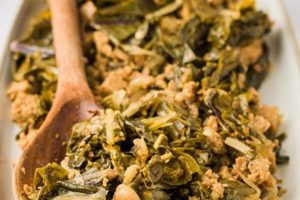
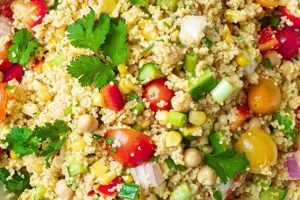
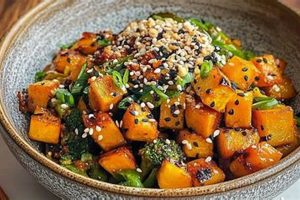
Cuisine from the Caribbean island nation, adapted to exclude all animal products, is the subject of this exploration. It entails modifying traditional dishes, which often include meat, dairy, and eggs, to utilize plant-based alternatives while preserving authentic flavors and culinary techniques. For example, pasteles, traditionally made with pork, can be recreated using seasoned plantains or vegetables.
This culinary adaptation offers numerous advantages, including reduced reliance on industrial agriculture, a decreased carbon footprint, and the promotion of animal welfare. Historically, Puerto Rican cooking has relied heavily on readily available ingredients like plantains, rice, and beans, which naturally lend themselves to plant-based transformations. This makes the adoption of a plant-based approach relatively seamless while maintaining cultural foodways.
The following will explore ingredient substitutions, examine popular reimagined dishes, and provide resources for individuals seeking to incorporate this culinary style into their repertoire. This will further demonstrate the feasibility and deliciousness of this culinary movement, highlighting its potential for both cultural preservation and ethical eating.
Tips for Authentic Puerto Rican Vegan Creations
Achieving genuinely flavored plant-based meals requires careful consideration of ingredient substitutions and preparation techniques. The following suggestions aim to provide guidance for successfully replicating traditional Puerto Rican dishes without animal products.
Tip 1: Employ Sofrito as a Foundation. This aromatic base, typically composed of peppers, onions, garlic, cilantro, and culantro, forms the bedrock of many dishes. Ensure fresh, high-quality ingredients for optimal flavor. This is critical, as it is often the base flavor from dishes.
Tip 2: Master Plantain Preparation. Plantains are integral. Experiment with variations: tostones (twice-fried green plantains), maduros (sweet ripe plantains), and amarillos (slightly sweet plantains) all offer unique textures and tastes. Understanding the differences in ripeness and the corresponding cooking methods is crucial.
Tip 3: Embrace Jackfruit as a Meat Substitute. Young, green jackfruit’s neutral flavor makes it exceptionally versatile. When shredded and seasoned correctly, it replicates the texture of pulled pork or chicken. Simmering it in traditional sauces allows it to absorb the characteristic flavors.
Tip 4: Utilize Beans for Protein and Texture. Beans like habichuelas (kidney beans) and gandules (pigeon peas) are staples. Explore diverse preparation methods beyond stewing; consider mashing them for fillings or using them in fritters.
Tip 5: Recreate Adobo Seasoning with Plant-Based Ingredients. Prepare a homemade blend of garlic powder, onion powder, oregano, turmeric (for color), and other spices. Adjust the ratios to suit personal preferences and ensure the blend is free of animal-derived additives.
Tip 6: Substitute Coconut Milk for Dairy. Coconut milk provides richness and creaminess in desserts, stews, and sauces. Opt for full-fat coconut milk for a more authentic texture and flavor profile. Be mindful that it imparts a slightly coconutty flavor to the dishes.
Tip 7: Experiment with Nutritional Yeast. Nutritional yeast provides a cheesy, umami flavor that can enhance vegan versions of dishes like mofongo or arroz con gandules. It can be added to sauces, sprinkled on top of dishes, or used in homemade vegan cheeses.
By implementing these techniques, cooks can achieve a high degree of authenticity while adhering to plant-based principles. Careful attention to detail and a willingness to experiment will yield successful and flavorful results.
Further explorations into specific dish adaptations and online resources will provide additional support for those seeking to delve deeper into this vibrant culinary domain.
1. Sofrito
Sofrito stands as the aromatic cornerstone of numerous Puerto Rican dishes, irrespective of dietary restrictions. Its critical role necessitates careful consideration when adapting traditional recipes to a plant-based format. The integrity of sofrito directly impacts the overall authenticity and flavor profile of the final product.
- Ingredient Composition and Impact
Traditional sofrito comprises a blend of onions, garlic, peppers (typically aji dulce and bell peppers), cilantro, and culantro. Each ingredient contributes unique flavor notes. Omitting or substituting any component significantly alters the final taste. Maintaining the core ingredients is paramount to preserving the essence of Puerto Rican cuisine. In plant-based adaptations, ensuring the freshness and quality of these vegetables becomes even more critical, as there is no reliance on meat-based flavors to mask any deficiencies.
- Sofrito as a Flavor Amplifier
Sofrito functions not merely as a collection of ingredients but as a flavor amplifier. The sauting process releases aromatic compounds, creating a complex and nuanced base flavor. This foundation then permeates the entire dish, enhancing the taste of other components. In plant-based cooking, where reliance on meat is absent, this amplification effect is crucial. A well-prepared sofrito can elevate simple vegetable dishes to complex and satisfying meals. For example, a vegan arroz con gandules relies heavily on a vibrant sofrito to compensate for the absence of traditional pork.
- Regional Variations and Adaptations
While the core ingredients remain consistent, regional variations in sofrito exist. Some recipes may incorporate tomatoes, oregano, or other herbs. When adapting recipes, it is imperative to understand these regional nuances. A northern Puerto Rican sofrito might differ significantly from one found in the south. Furthermore, cooks may adapt sofrito to enhance the plant-based nature of a dish. For instance, adding a small amount of smoked paprika can impart a subtle smoky flavor reminiscent of traditional pork dishes.
- Preparation Technique and Its Influence
The preparation technique profoundly impacts the final flavor of sofrito. A slow, gentle sauting process allows the vegetables to soften and release their flavors gradually, creating a more complex and nuanced base. Overcooking, on the other hand, can result in a bitter or burnt flavor. In plant-based cooking, where the subtlety of vegetable flavors is paramount, meticulous attention to the sauting process is essential for achieving optimal results.
Therefore, in the context of plant-based cuisine, sofrito is not merely an ingredient but a foundational element that necessitates careful attention and skillful preparation to achieve authentically flavored dishes. The success of many reimagined dishes hinges on the masterful execution of this aromatic base. Understanding its components, variations, and the impact of preparation techniques is crucial for creating satisfying and culturally resonant plant-based Puerto Rican meals.
2. Plantains

Plantains, a staple crop in Puerto Rico, occupy a central role in both traditional and plant-based iterations of its cuisine. Their versatility, nutritional value, and cultural significance render them indispensable to recreating authentic dishes without animal products. The omission of meat and dairy necessitates a greater reliance on plant-based ingredients to provide texture, flavor, and substance. Plantains effectively fulfill these requirements across a range of dishes.
Consider mofongo, traditionally prepared with mashed fried plantains and pork cracklings. In a plant-based adaptation, the plantains remain the dominant ingredient, providing the characteristic dense texture and subtly sweet flavor. The pork cracklings are replaced with alternatives such as fried garlic, plant-based chorizo, or even crumbled plantain chips for added crunch. Similarly, pasteles, traditionally filled with pork, can be reimagined using mashed plantains as the filling, seasoned with sofrito and other vegetables. The plantain leaf wrapper remains integral, preserving the traditional cooking method and flavor infusion. Plantains utility extends beyond main courses. Tostones (twice-fried green plantains) serve as a versatile side dish or snack, while maduros (sweet ripe plantains) provide a sweet and savory contrast in meals.
The understanding of plantain varieties and their optimal uses is crucial for successful plant-based adaptations. Green plantains are ideal for tostones due to their starchy consistency, while ripe plantains are best suited for maduros due to their sweetness. Utilizing the correct variety ensures the desired texture and flavor profile. Improper selection can lead to dishes lacking the intended characteristics. Plantains present a readily available and culturally relevant pathway for maintaining culinary traditions while embracing plant-based principles. Their adaptability allows for creative substitutions and innovations without sacrificing the essence of Puerto Rican gastronomy.
3. Jackfruit

Jackfruit, a tropical fruit native to South Asia, has gained traction as a prominent ingredient in plant-based cuisine, including Puerto Rican adaptations. Its versatility stems from its neutral flavor and fibrous texture, which, when young and unripe, closely mimics that of pulled pork or chicken. This characteristic has rendered it a viable substitute for meat in various traditional dishes, thereby facilitating the creation of plant-based versions. The connection lies in jackfruit’s ability to replicate the texture and mouthfeel of meat, an element often central to the enjoyment of many Puerto Rican culinary staples. The adoption of jackfruit is a direct response to the need for meat substitutes in a plant-based context. For example, dishes like pernil (roasted pork shoulder) can be reimagined using seasoned jackfruit braised in traditional adobo spices.
The preparation of jackfruit for Puerto Rican dishes typically involves rinsing the canned or fresh young jackfruit to remove its brine-like flavor. It is then shredded and sauted with sofrito and adobo seasoning, allowing it to absorb the characteristic flavors. Some cooks also add a touch of liquid smoke to enhance the resemblance to smoked meat. The significance of jackfruit extends beyond mere textural mimicry. Its relatively low cost and accessibility in many markets make it a practical option for those seeking to reduce their meat consumption without sacrificing culturally relevant flavors. One practical application can be found in vegan pasteles, where jackfruit, prepared with sofrito and traditional spices, takes the place of the pork filling. This substitution not only maintains the essence of the dish but also caters to the dietary preferences of plant-based eaters.
In summary, jackfruit’s impact on plant-based adaptations is substantial. Its ability to emulate the texture of meat has provided a key component in recreating traditional flavors without animal products. While challenges may include achieving the exact flavor depth of traditionally meat-based dishes, the adaptability of jackfruit, coupled with the strategic use of traditional seasonings, makes it an invaluable resource. Understanding the proper preparation and application of jackfruit is essential for any cook seeking to authentically replicate Puerto Rican cuisine in a plant-based format.
4. Adobo Seasoning

Adobo seasoning is a cornerstone of Puerto Rican cuisine, imparting characteristic savory flavors to a wide array of dishes. Its significance extends to the realm of plant-based adaptations, where it serves as a crucial tool for replicating authentic taste profiles in the absence of traditional animal-based ingredients.
- Essential Components and Flavor Profile
Traditional adobo typically comprises garlic powder, onion powder, dried oregano, salt, black pepper, and occasionally turmeric for color. This blend creates a savory, umami-rich flavor base that complements various ingredients. In plant-based cooking, adobo provides a critical foundation, compensating for the absence of meat-derived flavors. Its ability to enhance the taste of vegetables is vital for achieving satisfying results.
- Customization and Regional Variations
While a standard adobo blend exists, regional and familial variations are common. Some cooks incorporate cumin, paprika, or even a touch of citrus zest. These adaptations reflect personal preferences and regional traditions. When adapting recipes to a plant-based format, understanding these nuances is crucial. A personalized adobo blend can elevate a simple dish, such as vegan habichuelas guisadas (stewed beans), to new heights.
- Plant-Based Considerations and Substitutions
Commercially available adobo blends may contain additives or caking agents that are not suitable for all plant-based diets. Therefore, preparing a homemade adobo blend is often preferable. This allows for complete control over the ingredients and ensures compliance with dietary restrictions. Furthermore, some cooks add nutritional yeast to their adobo blend to enhance its umami flavor, mimicking the savory qualities of meat.
- Application in Puerto Rican Vegan Dishes
Adobo seasoning is indispensable in a wide range of plant-based Puerto Rican dishes. It is used to season vegetables, beans, plant-based protein sources like jackfruit or tofu, and even rice. A well-seasoned adobo ensures that even dishes without meat retain a distinct Puerto Rican flavor profile. For example, vegan pernil (roasted “pork”) made with jackfruit relies heavily on a robust adobo seasoning to replicate the traditional flavor.
In conclusion, adobo seasoning stands as an essential element in the repertoire of any cook seeking to create authentic plant-based versions of Puerto Rican dishes. Its versatile flavor profile, adaptability, and ability to enhance the taste of vegetables make it an indispensable tool for preserving culinary traditions while embracing plant-based principles. Understanding its components, variations, and applications is crucial for successfully recreating the flavors of Puerto Rico without animal products.
5. Coconut Milk

Coconut milk serves as a critical ingredient in adapting Puerto Rican cuisine to a plant-based format. Its rich texture and subtle sweetness contribute significantly to recreating traditional dishes without the use of dairy products. This introduction sets the stage for a detailed exploration of the multifaceted role of coconut milk within this culinary context.
- Dairy Replacement and Texture Enhancement
Coconut milk functions primarily as a direct substitute for cow’s milk and cream in recipes. Its high fat content provides a similar richness and creamy mouthfeel to dairy products, essential for replicating dishes like arroz con dulce (rice pudding) or creamy stews. The use of full-fat coconut milk is often preferred to maintain the intended texture of the dish.
- Flavor Infusion and Sweetness Contribution
Beyond texture, coconut milk imparts a subtle sweetness and distinctive flavor that complements many Puerto Rican dishes. This flavor profile enhances desserts and savory dishes alike, adding a unique dimension. For example, in a vegan tembleque (coconut pudding), coconut milk is not merely a substitute for dairy but the primary flavor component.
- Versatility in Culinary Applications
Coconut milk exhibits versatility in its application across various culinary techniques. It can be used in sauces, soups, stews, desserts, and beverages. This adaptability makes it an invaluable ingredient for veganizing a wide range of Puerto Rican recipes. Its presence in both sweet and savory applications underscores its importance in replicating authentic flavors.
- Nutritional Considerations and Variations
While coconut milk offers benefits as a dairy alternative, it is important to consider its nutritional profile. It is high in saturated fat and calories. Furthermore, variations in coconut milk products exist, ranging from full-fat to light versions. The choice of product impacts both the texture and nutritional content of the final dish. Awareness of these aspects is essential for mindful consumption within a balanced plant-based diet.
In conclusion, the incorporation of coconut milk into plant-based Puerto Rican recipes facilitates the successful recreation of traditional flavors and textures. Its role as a dairy replacement, flavor enhancer, and versatile ingredient underscores its significance in this culinary adaptation. The judicious use of coconut milk allows for the preservation of cultural foodways while adhering to plant-based principles. Careful selection and awareness of nutritional content are vital for maximizing the benefits of this key ingredient.
6. Beans

Beans are foundational to Puerto Rican cuisine, and their importance amplifies within the context of plant-based adaptations. The omission of meat necessitates an increased reliance on plant-based protein sources, and beans effectively fulfill this nutritional requirement while simultaneously contributing to the flavor and texture profiles of reimagined dishes. The causal relationship is direct: a decrease in animal products results in a heightened need for vegetable-derived protein, which beans readily provide. For instance, habichuelas guisadas (stewed beans) is a traditional dish readily adapted, serving as a central component of a plant-based meal when animal fats and meats are excluded from the preparation.
Different bean varieties offer distinct culinary applications. Habichuelas rosadas (pink beans) are frequently used in stews, while gandules (pigeon peas) are integral to arroz con gandules (rice with pigeon peas), a celebratory dish often adapted by using plant-based broth and avoiding traditional pork products. The practical significance of understanding these bean varieties lies in the ability to construct balanced and flavorful plant-based meals that retain cultural authenticity. Furthermore, beans offer dietary fiber, which is often lacking in diets that rely heavily on processed meat substitutes.
In summary, beans are not merely a component of plant-based Puerto Rican cuisine; they are a nutritional and culinary keystone. Their protein content, versatility, and cultural significance make them essential for successfully recreating traditional dishes without animal products. Challenges may include proper seasoning and cooking times to achieve optimal texture and flavor, but mastering these techniques is crucial for ensuring that plant-based meals are both satisfying and representative of Puerto Rican foodways.
Frequently Asked Questions
The following addresses common inquiries and concerns regarding the creation of plant-based versions of traditional Puerto Rican dishes. It aims to provide clear, concise information based on established culinary practices and nutritional considerations.
Question 1: Are plant-based versions of Puerto Rican dishes inherently less flavorful than traditional recipes?
Flavor perception is subjective; however, plant-based adaptations can achieve comparable depth of flavor through the strategic use of spices, herbs, and umami-rich ingredients such as sofrito and nutritional yeast. The key lies in mastering traditional seasoning techniques and understanding how to build flavor without relying on animal products.
Question 2: Is it possible to replicate the texture of meat in traditional Puerto Rican dishes using only plant-based ingredients?
Certain plant-based ingredients, such as jackfruit and seitan, possess textures that closely mimic that of meat when properly prepared and seasoned. While an exact replication may not always be possible, these substitutes can provide a satisfying textural experience.
Question 3: Are commercially available “Puerto Rican-style” seasoning blends suitable for plant-based diets?
Many commercially available seasoning blends contain animal-derived ingredients, such as lard or bouillon. It is advisable to carefully examine the ingredient list or prepare a homemade seasoning blend to ensure compliance with plant-based dietary requirements.
Question 4: Does adapting Puerto Rican dishes to a plant-based format significantly increase the cost of ingredients?
The cost of ingredients can vary depending on the specific dish and the availability of plant-based substitutes. While some plant-based protein sources may be more expensive than meat, other ingredients, such as beans and vegetables, are generally affordable. Planning meals around seasonal produce and utilizing cost-effective protein sources can help to minimize expenses.
Question 5: How can the nutritional profile of plant-based Puerto Rican dishes be optimized?
Ensuring a balanced intake of essential nutrients, such as protein, iron, and vitamin B12, is crucial when following a plant-based diet. Incorporating a variety of beans, lentils, nuts, seeds, and leafy green vegetables can help to meet these nutritional needs. Supplementation may be necessary to address specific deficiencies.
Question 6: Are there online resources available for individuals seeking plant-based adaptations of traditional Puerto Rican recipes?
Numerous websites and online communities offer plant-based recipes and cooking tips specific to Puerto Rican cuisine. These resources can provide valuable guidance and inspiration for those seeking to explore this culinary domain.
Plant-based adaptations of Puerto Rican cuisine are not only possible but can also be a flavorful and nutritious way to enjoy traditional dishes. Careful ingredient selection, attention to detail, and a willingness to experiment are key to success.
Further explorations will examine specific dishes, and offer detailed modifications for plant-based creation, providing concrete examples to help get you started.
Conclusion
This exploration has demonstrated the viability and richness of “puerto rican vegan recipes”. Adapting traditional dishes requires a thoughtful approach, emphasizing ingredient substitutions that maintain authentic flavors and textures. Key elements such as sofrito, plantains, jackfruit, and adobo seasoning play crucial roles in achieving successful plant-based recreations. The analysis has also addressed common concerns and misconceptions surrounding this culinary adaptation, providing evidence-based responses.
As dietary preferences evolve and awareness of plant-based eating grows, the importance of preserving cultural culinary traditions in accessible formats becomes increasingly apparent. “Puerto Rican vegan recipes” represents not just a trend, but an opportunity to honor heritage while promoting sustainable and ethical food choices. Further research, experimentation, and community engagement will undoubtedly continue to enrich this culinary landscape.