Dietary plans emphasizing plant-based foods while minimizing sodium content address specific health concerns. Such approaches involve replacing high-sodium ingredients with herbs, spices, and alternative flavor enhancers. An example includes a lentil soup prepared with fresh vegetables, aromatic spices, and a potassium-based salt substitute.
Reducing sodium intake offers notable physiological advantages, including supporting healthy blood pressure and mitigating risks associated with cardiovascular diseases. Historically, cultures with primarily plant-based diets have demonstrated lower incidences of hypertension, underscoring the potential benefits of this nutritional strategy.
The following sections will explore practical strategies for preparing plant-based meals with reduced sodium. This includes ingredient selection, cooking techniques, and methods for enhancing flavor without relying on excessive salt.
Tips for Sodium Reduction in Plant-Based Cuisine
The following guidance offers methods for preparing plant-derived dishes that are naturally lower in sodium, promoting healthful consumption.
Tip 1: Utilize Fresh Herbs and Spices: Enhance flavor profiles with ingredients such as basil, oregano, garlic, and pepper. These can replace the need for salt in many preparations. For example, a simple tomato sauce gains complexity through the addition of fresh basil and oregano.
Tip 2: Employ Citrus Juices and Vinegars: Acids such as lemon juice, lime juice, and various vinegars (balsamic, apple cider) can brighten flavors and reduce the reliance on salt. A salad dressing, for instance, can use lemon juice as its primary source of tanginess.
Tip 3: Opt for Low-Sodium Alternatives: Select canned beans, vegetables, and broths labeled as “low-sodium” or “no salt added.” Rinse canned goods thoroughly to further reduce sodium content. Prepare vegetable broths from scratch to control sodium levels precisely.
Tip 4: Increase Potassium Intake: Potassium helps balance sodium levels in the body. Foods like bananas, sweet potatoes, and leafy greens are excellent sources. Consider incorporating a baked sweet potato into a weekly meal plan.
Tip 5: Control Portion Sizes of Salty Ingredients: If using naturally high-sodium foods like olives or seaweed, use them sparingly. Incorporate a small amount of chopped olives as a garnish rather than a main ingredient.
Tip 6: Avoid Processed Foods: Processed vegan foods often contain high levels of sodium. Focus on whole, unprocessed ingredients whenever possible. Substitute commercially prepared vegan burgers with homemade versions using lentils and vegetables.
Tip 7: Explore Umami Flavors: Ingredients rich in umami, such as mushrooms, sun-dried tomatoes, and nutritional yeast, can add depth and richness to dishes without sodium. A mushroom-based sauce can provide a savory element to pasta dishes.
Implementing these suggestions promotes enhanced flavor within plant-based culinary applications while minimizing sodium consumption. This supports dietary objectives and contributes to overall well-being.
The article will now transition to specific recipes demonstrating these techniques.
1. Ingredient Selection

The selection of ingredients forms the cornerstone of preparing plant-based meals with reduced sodium content. The inherent properties of chosen constituents directly influence the sodium levels and overall flavor profile of the finished dish. Careful consideration at this stage can significantly mitigate sodium intake without sacrificing palatability.
- Fresh Produce Over Processed Alternatives
Utilizing fresh fruits and vegetables inherently minimizes sodium exposure. Processed and canned items often contain elevated sodium concentrations for preservation and flavor enhancement. Choosing fresh, whole ingredients allows for complete control over sodium levels, aligning directly with the goals of a low-sodium dietary approach. For instance, selecting fresh tomatoes over canned tomato sauce for a pasta dish can dramatically reduce the sodium content.
- Legumes: Dried vs. Canned
Legumes constitute a critical protein source in vegan diets. Opting for dried legumes over canned varieties offers substantial sodium reduction. Canned legumes are typically packed in a brine that contains significant sodium. Rinsing canned legumes can mitigate some sodium, but dried legumes, soaked and cooked without added salt, provide optimal control. Preparing chickpeas from dried form, rather than using canned chickpeas, empowers greater command over sodium content.
- Herbs and Spices: Sodium-Free Flavor Enhancers
Strategic selection of herbs and spices allows for flavor amplification without reliance on sodium. Ingredients such as basil, oregano, garlic, turmeric, and chili powder offer complex flavor profiles that can effectively replace the need for salt. Experimentation with diverse herbs and spices can transform simple plant-based dishes into palatable, low-sodium culinary creations. Employing a combination of garlic, paprika, and cumin can add depth to black bean burgers, negating the necessity for sodium-rich seasonings.
- Unsalted Condiments and Broths
Common condiments and broths frequently contribute significant amounts of sodium to meals. Choosing unsalted or low-sodium versions of these ingredients is crucial. Preparing homemade vegetable broth without salt offers complete control over sodium content. Similarly, selecting unsalted nut butters and seed butters prevents unintended sodium additions. Substituting conventional soy sauce with a low-sodium alternative or tamari also aids in reducing overall sodium consumption.
These considerations in ingredient selection directly support the creation of plant-based, low-sodium meals. By prioritizing fresh, unprocessed components and employing alternative flavoring agents, individuals can effectively reduce their sodium intake while maintaining dietary satisfaction. The careful selection of ingredients provides the foundation for healthful and flavorful vegan cooking.
2. Flavor enhancement

The challenge in preparing plant-based meals with minimal sodium lies in maintaining palatability. Effective flavor enhancement becomes paramount, requiring strategic employment of alternative seasoning techniques and ingredients to compensate for the reduced presence of salt.
- Acidic Components: Brightening Palates
Acidity introduces a contrasting element to dishes, stimulating taste receptors and creating a sense of brightness that can diminish the perceived need for salt. Citrus juices, such as lemon and lime, vinegars (balsamic, apple cider), and even fermented ingredients like kombucha can contribute this effect. A squeeze of lemon juice over steamed vegetables or a drizzle of balsamic vinegar on a salad provides a notable flavor lift. Incorporating acidic components alters the overall taste profile, reducing the reliance on sodium to achieve desired flavor levels.
- Aromatic Herbs and Spices: Creating Flavor Depth
Herbs and spices possess inherent volatile compounds that impart complex aromas and flavors, enriching the sensory experience of a dish. Fresh herbs, such as basil, cilantro, and mint, release their aromatic compounds more readily than dried herbs. Spices like cumin, coriander, turmeric, and smoked paprika add depth and warmth. A combination of garlic, ginger, and chili flakes can create a vibrant flavor profile in stir-fries, effectively replacing the need for salt for taste enhancement. Thoughtful application of herbs and spices creates a nuanced flavor experience.
- Umami-Rich Ingredients: Enhancing Savory Notes
Umami, often described as a savory or meaty taste, enhances the overall depth and richness of a dish. Ingredients such as mushrooms (especially dried varieties), sun-dried tomatoes, roasted vegetables, and nutritional yeast are rich in glutamates, which contribute to umami flavor. Adding sauted mushrooms to a lentil soup or sprinkling nutritional yeast on popcorn imparts a savory dimension, reducing the desire for added salt. Utilizing umami-rich ingredients balances the flavor profile and enhances overall palatability.
- Textural Contrast: Providing Sensory Satisfaction
Texture plays a crucial role in the overall eating experience, influencing how flavors are perceived. Incorporating contrasting textures, such as crunchy vegetables, creamy sauces, and chewy grains, can enhance sensory satisfaction. Toasted nuts and seeds add crunch, while blended cashews create creamy sauces. A combination of roasted sweet potatoes, quinoa, and steamed kale provides a range of textures that contribute to a satisfying meal. Varying the textures in a dish diverts attention from the absence of salt and promotes greater enjoyment.
Effective utilization of acidic components, aromatic herbs and spices, umami-rich ingredients, and textural contrasts are integral components in formulating compelling flavors in plant-based, low-sodium recipes. These techniques, when applied deliberately, allow for the creation of satisfying and healthful meals without dependence on excessive sodium content. They collectively exemplify a holistic approach to flavor enhancement that supports dietary objectives.
3. Preparation Methods

Effective culinary techniques are crucial for formulating plant-based dishes that minimize sodium content while maintaining palatability. Certain preparation methods inherently reduce the need for added salt, allowing the natural flavors of the ingredients to predominate.
- Steaming and Blanching
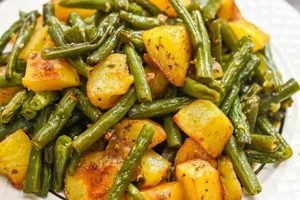
Steaming vegetables preserves their inherent flavors and nutrients without requiring added fats or sodium. Blanching, involving brief immersion in boiling water followed by an ice bath, similarly retains natural flavors while softening textures. These techniques emphasize the inherent characteristics of the produce, minimizing the necessity for seasoning. Steamed green beans, for example, require minimal embellishment beyond a squeeze of lemon juice to enhance their natural taste.
- Roasting
Roasting vegetables caramelizes their sugars, intensifying their sweetness and savory qualities. This process reduces the need for added salt, as the inherent flavors are amplified through high-heat cooking. Root vegetables such as carrots and sweet potatoes exhibit heightened flavor complexity when roasted, often requiring only a touch of herbs to achieve optimal taste. Roasting effectively concentrates flavors, mitigating reliance on sodium.
- Sauting with Aromatic Vegetables
Sauting vegetables like onions, garlic, and celery in a minimal amount of oil releases aromatic compounds that form the foundation of flavorful dishes. This method creates a depth of flavor that can compensate for the absence of salt. The aromatic base provides a savory backdrop that elevates the other ingredients, reducing the perceived need for added seasoning. A sofrito of onions, garlic, and bell peppers can form the flavorful base for a low-sodium vegan stew.
- Baking
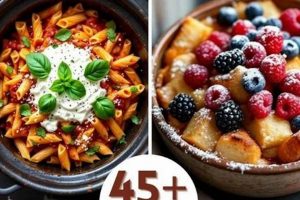
Baking allows for controlled cooking of plant-based dishes, enabling flavors to meld without the need for excessive sodium. Casseroles and baked pasta dishes can be assembled with layers of vegetables, herbs, and low-sodium sauces, resulting in cohesive and flavorful meals. The baking process allows the ingredients to mutually enhance one another, creating a harmonious flavor profile without relying on high-sodium components. A baked vegan lasagna with roasted vegetables and a cashew-based bchamel sauce exemplifies this technique.
Employing these preparation methods strategically allows for the creation of flavorful and satisfying plant-based meals that adhere to low-sodium dietary guidelines. By emphasizing the natural flavors of the ingredients and utilizing techniques that amplify those flavors, the reliance on added salt can be significantly reduced. These preparation methods offer practical approaches to healthful vegan cooking.
4. Nutritional Balance

Maintaining nutritional equilibrium represents a critical aspect of dietary planning, particularly when adhering to specialized eating patterns. In the context of plant-based, low-sodium meal preparation, careful attention to micronutrient and macronutrient intake becomes essential to ensure comprehensive dietary adequacy.
- Protein Adequacy
Plant-based diets necessitate strategic protein sourcing to meet physiological requirements. Low-sodium considerations often restrict the use of processed meat alternatives, compelling reliance on whole food sources. Legumes, tofu, tempeh, and quinoa serve as primary protein contributors. It is imperative to ensure sufficient intake of these foods to support tissue maintenance and repair, especially in individuals with elevated activity levels. For instance, a balanced meal incorporating lentils, brown rice, and steamed vegetables offers both protein and complex carbohydrates, while remaining low in sodium.
- Micronutrient Considerations
Specific micronutrients demand heightened scrutiny in plant-based, low-sodium diets. Vitamin B12, commonly found in animal products, necessitates supplementation or consumption of fortified foods. Iron absorption, inherently lower from plant sources, can be enhanced through concurrent consumption of vitamin C-rich foods. Calcium intake requires attention, with sources including fortified plant milks, tofu processed with calcium sulfate, and dark leafy greens. Careful planning ensures adequacy of these essential micronutrients.
- Essential Fatty Acid Intake
Omega-3 and omega-6 fatty acids play vital roles in cellular function and inflammatory response. Plant-based diets derive omega-3s primarily from alpha-linolenic acid (ALA), found in flaxseeds, chia seeds, and walnuts. Conversion of ALA to EPA and DHA, the more bioavailable forms of omega-3s, can be limited; therefore, optimizing ALA intake is crucial. Monitoring and potentially supplementing with algae-derived EPA and DHA may be necessary for certain individuals to ensure adequate levels of these fatty acids.
- Sodium and Potassium Balance
While minimizing sodium intake is the primary objective, maintaining an appropriate sodium-to-potassium ratio remains significant. Potassium, abundant in fruits, vegetables, and legumes, counteracts the effects of sodium on blood pressure. Increased consumption of potassium-rich foods, such as bananas, sweet potatoes, and spinach, assists in regulating fluid balance and cardiovascular health. Strategic dietary planning emphasizes both sodium reduction and potassium augmentation to achieve optimal physiological outcomes.
Addressing these facets of nutritional balance within the framework of plant-based, low-sodium cuisine promotes optimal health and well-being. Careful attention to protein adequacy, micronutrient considerations, essential fatty acid intake, and the sodium-to-potassium ratio allows for the creation of nutritionally complete and therapeutically beneficial dietary patterns.
5. Recipe Adaptation
The modification of existing recipes represents a cornerstone strategy for integrating the principles of minimal sodium intake within a plant-based dietary framework. Adapting established culinary formulations necessitates a deliberate approach to ingredient substitution, flavor enhancement, and adjustment of cooking techniques to align with low-sodium nutritional parameters.
- Sodium Reduction Through Ingredient Substitution
Adapting recipes for reduced sodium content frequently involves identifying and replacing high-sodium components with lower-sodium alternatives. Canned goods, processed sauces, and conventional seasonings often contribute substantially to sodium levels. Substituting fresh or frozen vegetables for canned varieties, preparing sauces from scratch without added salt, and employing sodium-free herbal blends in lieu of table salt are common adaptation strategies. The implementation of such substitutions allows for a marked reduction in sodium concentration without compromising the fundamental structure of the recipe.
- Flavor Profile Preservation via Strategic Seasoning
A significant challenge in recipe adaptation lies in maintaining a palatable flavor profile despite decreased sodium levels. The strategic utilization of herbs, spices, citrus juices, and vinegars becomes essential to compensate for the reduction in salt. Employing a diverse array of aromatic seasonings, such as garlic, onion, chili pepper, and cumin, can enhance the perceived flavor intensity. Acidic ingredients, like lemon juice or balsamic vinegar, can brighten the overall taste, minimizing the perceived lack of salt. This approach ensures that the adapted recipe remains appealing while adhering to low-sodium guidelines.
- Portion Adjustment and Ingredient Ratio Modification
In certain instances, adaptation may involve adjusting portion sizes or altering ingredient ratios to minimize sodium content. Recipes featuring inherently high-sodium components, such as olives or seaweed, may require careful control of the quantity used. Reducing the proportion of these ingredients relative to other, lower-sodium components can effectively lower the overall sodium concentration. Furthermore, increasing the proportion of vegetables or legumes can enhance the nutritional profile while simultaneously diluting the sodium content per serving.
- Cooking Technique Optimization for Flavor Intensification
The method of food preparation influences the development and perception of flavor. Certain cooking techniques, such as roasting, caramelizing, and grilling, can intensify the natural flavors of plant-based ingredients, reducing the need for added sodium. Roasting vegetables concentrates their sugars and enhances their savory qualities, while grilling imparts a smoky flavor that can mask the absence of salt. Optimizing cooking techniques to maximize inherent flavors represents a valuable adaptation strategy for creating palatable low-sodium dishes.
The systematic application of these adaptive strategies enables the successful modification of existing recipes to conform to low-sodium, plant-based nutritional recommendations. By prioritizing ingredient substitution, strategic seasoning, portion adjustment, and cooking technique optimization, the resulting dishes can effectively balance sodium reduction with flavor preservation, ultimately supporting adherence to healthful dietary patterns.
Frequently Asked Questions
This section addresses common inquiries regarding the preparation and consumption of plant-based recipes designed to minimize sodium intake. The information provided aims to clarify misconceptions and offer practical guidance for those seeking to adopt this dietary approach.
Question 1: Are plant-based diets inherently low in sodium?
No, plant-based diets are not automatically low in sodium. The sodium content of a vegan diet depends heavily on food choices and preparation methods. Processed vegan foods, canned goods, and the addition of salt during cooking can significantly increase sodium levels. A conscious effort to select fresh, whole foods and minimize added salt is essential to maintaining a low-sodium plant-based diet.
Question 2: How can flavor be enhanced in low-sodium vegan meals?
Flavor enhancement in low-sodium vegan cuisine relies on the strategic use of herbs, spices, citrus juices, vinegars, and umami-rich ingredients. Aromatic herbs like basil, oregano, and thyme, as well as spices such as cumin, coriander, and smoked paprika, can add depth and complexity. Citrus juices and vinegars brighten flavors, while ingredients like mushrooms and nutritional yeast contribute savory notes. These elements, when combined effectively, compensate for the absence of salt.
Question 3: What are the primary protein sources in a low-sodium vegan diet?
The primary protein sources in this dietary approach include legumes (lentils, beans, chickpeas), tofu, tempeh, quinoa, and certain nuts and seeds. Careful planning is necessary to ensure adequate protein intake, as some of these sources may contain trace amounts of sodium. Choosing unsalted varieties and monitoring portion sizes are advisable.
Question 4: Is it necessary to supplement with electrolytes on a low-sodium vegan diet?
While strict sodium restriction can, in some cases, necessitate electrolyte monitoring, supplementation is not typically required for most individuals adhering to a moderately low-sodium plant-based diet. Consuming a variety of fruits, vegetables, and legumes provides sufficient potassium and other essential minerals. Individuals with specific medical conditions or those engaging in intense physical activity should consult with a healthcare professional regarding electrolyte balance.
Question 5: Can low-sodium vegan recipes be used to manage hypertension?
Dietary modification, including the adoption of low-sodium vegan recipes, may assist in managing hypertension. A plant-based diet rich in fruits, vegetables, and whole grains is associated with lower blood pressure. However, dietary changes should be implemented under the guidance of a healthcare provider, particularly for individuals currently taking medication for hypertension. A comprehensive approach, including lifestyle modifications and medical supervision, is typically required.
Question 6: Are there any vegan foods that should be avoided on a low-sodium diet?
Yes, certain vegan foods should be consumed in moderation or avoided altogether on a low-sodium diet. These include processed vegan meats, canned soups, commercially prepared sauces, and salted snacks. Reading nutrition labels carefully and prioritizing whole, unprocessed foods is crucial for maintaining a low sodium intake.
The information presented in this FAQ section underscores the importance of informed decision-making when preparing and consuming plant-based meals with minimal sodium content. Individual dietary needs may vary, and consultation with a qualified healthcare professional or registered dietitian is recommended for personalized guidance.
The following section will present example meal plans and recipes that align with these principles.
Conclusion
The preceding discussion has elucidated the principles and practical considerations involved in formulating plant-based culinary preparations that minimize sodium content. Key aspects explored encompassed ingredient selection, flavor enhancement, cooking techniques, nutritional balance, and recipe adaptation. The strategic application of these elements enables the creation of palatable and nutritionally sound meals that align with low-sodium dietary guidelines.
The information presented serves as a foundation for individuals seeking to adopt or refine a plant-based, reduced-sodium eating pattern. Further research, consultation with qualified healthcare professionals, and meticulous attention to dietary details are encouraged to optimize individual outcomes. The pursuit of informed and conscientious food choices represents a proactive approach to health management.