The core concept involves creating a plant-based dish that mimics the texture and flavor profile of traditional pulled pork. This culinary adaptation substitutes meat with ingredients like jackfruit, mushrooms, or even banana peels, which are then seasoned and cooked to achieve a tender, shreddable consistency. For example, unripe jackfruit, when braised in barbecue sauce, transforms into a convincingly similar alternative to the original meat-based dish.
The appeal of this type of recipe stems from several factors. It offers a cruelty-free option for individuals adhering to vegan or vegetarian diets without sacrificing the familiar taste and texture of a popular dish. Furthermore, it often provides health benefits, utilizing ingredients that are lower in saturated fat and cholesterol compared to pork. The rise in popularity reflects a broader trend toward plant-based eating and a desire for sustainable food choices.
Subsequent sections will delve into specific ingredients commonly used, various cooking methods employed to achieve the desired texture, and popular flavor combinations that contribute to a satisfying and authentic experience. The article will also address nutritional considerations and provide guidance on selecting the best plant-based protein source for achieving optimal results.
Essential Guidance for Plant-Based Pulled Creations
Achieving optimal results requires careful attention to ingredient selection, preparation techniques, and flavor balance. The following guidelines offer practical advice for consistently producing a satisfying plant-based alternative.
Tip 1: Ingredient Selection is Paramount. Unripe jackfruit, known for its neutral flavor and fibrous texture, serves as a popular base. Alternatively, consider oyster mushrooms or shredded king oyster mushrooms for a different textural profile. Ensure the chosen ingredient is appropriately prepared, such as removing the core of the jackfruit or tearing the mushrooms into strands.
Tip 2: Mastering Moisture Control. Excessive moisture can result in a soggy final product. Squeeze excess liquid from shredded jackfruit before cooking. Roasting or baking the selected ingredient can also help remove excess moisture prior to saucing.
Tip 3: Achieving Authentic Smoke Flavor. Incorporate smoked paprika, liquid smoke, or a touch of chipotle powder to replicate the characteristic smoky notes associated with traditional preparations. Start with small amounts and adjust to taste, as these ingredients can be potent.
Tip 4: Strategic Sauce Application. Add barbecue sauce gradually during the cooking process to allow the plant-based protein to absorb the flavors. Over-saucing can mask the subtle nuances of the other seasonings. Consider making your own sauce to control the level of sweetness, spice, and sodium.
Tip 5: Low and Slow Cooking is Key. Whether using a slow cooker, oven, or stovetop, maintain a low temperature and extended cooking time to tenderize the plant-based protein. This allows the flavors to meld and the texture to develop.
Tip 6: Adjust Sweetness and Acidity. Balance the sweetness of the barbecue sauce with a touch of acidity. Apple cider vinegar, lime juice, or a dash of hot sauce can effectively cut through the sweetness and add depth of flavor.
Tip 7: Consider Textural Variation. Introducing other elements, such as caramelized onions or crispy fried shallots, can enhance the overall eating experience by providing contrasting textures.
By adhering to these guidelines, consistently achieve a flavorful and texturally pleasing dish that rivals its meat-based counterpart. Attention to detail in ingredient selection, preparation, and cooking techniques ensures a positive culinary outcome.
The concluding section will summarize the key benefits of exploring plant-based cuisine and offer suggestions for serving and enjoying the final product.
1. Jackfruit's fibrous texture

The fibrous texture of jackfruit is a primary determinant in its suitability as a substitute within a meat-free interpretation of pulled pork. Its inherent structure allows for shredding and mimics the mouthfeel of traditional preparations.
- Structure Mimicry
Jackfruit’s natural composition consists of numerous strands, which, when cooked, separate easily, replicating the appearance of pulled meat. This visual similarity is crucial for acceptance and palatability, especially for individuals transitioning from meat-based diets.
- Absorptive Qualities
The fibrous nature of jackfruit allows it to effectively absorb flavors from marinades, sauces, and spices. This characteristic ensures that the final product is thoroughly infused with the desired taste profile, contributing to a more authentic experience.
- Textural Modification
Depending on its ripeness, jackfruit’s texture can be manipulated to achieve varying degrees of tenderness. Young, green jackfruit is preferred due to its firmer consistency, which allows it to withstand longer cooking times without becoming excessively mushy.
- Nutritional Considerations
While offering a textural similarity to meat, jackfruit provides a different nutritional profile. Its low protein content necessitates supplementing with other protein sources to create a balanced meal. The fiber content, however, contributes to satiety and digestive health.
These aspects of jackfruit’s fibrous texture are integral to creating a convincing meat-free alternative. Careful preparation and cooking techniques are required to optimize its structural properties and achieve the desired textural and flavorful characteristics, resulting in a palatable dish aligned with the expectations of a pulled pork analogue.
2. Flavorful barbecue sauce
Barbecue sauce serves as a defining element in achieving a successful plant-based pulled pork alternative. Its role extends beyond mere condiment; it fundamentally shapes the flavor profile, contributes to the overall texture, and provides a sense of authenticity to the dish. The sauce, typically a complex blend of sweet, tangy, smoky, and spicy notes, is instrumental in masking any inherent flavors of the plant-based protein and imparting the characteristic taste associated with traditional pulled pork.
The choice of barbecue sauce directly impacts the perceived quality of the plant-based rendition. For instance, a commercially available sauce with excessive sweetness may overwhelm the subtle nuances of the jackfruit or mushrooms used as the base. Conversely, a sauce lacking sufficient smokiness or acidity may fail to deliver the depth of flavor expected from the dish. Many recipes advocate for homemade barbecue sauce, allowing for precise control over ingredients and flavor intensity. This enables tailoring the sauce to complement the specific characteristics of the chosen plant-based protein and to align with individual preferences for sweetness, spice, and smokiness.
In summary, the selection and application of barbecue sauce are pivotal in crafting a convincing plant-based pulled pork dish. The sauce contributes significantly to both the sensory experience and the perceived authenticity of the recipe. Success hinges on a nuanced understanding of flavor balance and the interplay between the sauce and the underlying plant-based protein.
3. Smoking for authenticity

Achieving a genuine pulled pork experience in a vegan recipe necessitates the incorporation of smoky flavors, a characteristic traditionally imparted through prolonged exposure to wood smoke. The inclusion of this flavor element is not merely aesthetic; it fundamentally contributes to the perceived authenticity and palatability of the final product, bridging the gap between the original meat-based dish and its plant-based counterpart.
- Replication of Traditional Cooking Methods
Traditional pulled pork derives its distinctive smoky flavor from slow-smoking over wood, often for many hours. A vegan recipe must emulate this process through alternative means. This can involve the use of liquid smoke, smoked paprika, or even a brief exposure to an actual smoker, depending on available resources and desired intensity.
- Flavor Layering and Depth
Smoke introduces a complex layer of flavor that elevates the overall profile of the dish. It interacts with the sweetness of the barbecue sauce and the inherent flavors of the plant-based protein (such as jackfruit or mushrooms), creating a more nuanced and satisfying sensory experience. Without smoke, the dish may lack depth and complexity, resulting in a less compelling imitation.
- Psychological Association
The aroma and taste of smoke are strongly associated with barbecued meats in many cultures. Including smoky notes in a vegan recipe leverages this psychological association, making the dish more recognizable and appealing to individuals familiar with traditional pulled pork. This can be particularly important for those transitioning to a plant-based diet.
- Balancing Agent
Smoke can act as a balancing agent, preventing the dish from becoming overly sweet or one-dimensional. The slightly bitter and savory notes of smoke counteract the sweetness of the sauce and the potential blandness of the plant-based protein, contributing to a more harmonious and well-rounded flavor profile.
In summary, the strategic incorporation of smoky flavors is essential for authenticity in a vegan pulled pork recipe. By emulating the traditional smoking process through alternative methods, flavor layering, psychological association, and taste balance, the dish can more closely resemble its meat-based counterpart, offering a satisfying and convincing plant-based alternative.
4. Moisture control is key
In the context of replicating pulled pork in a plant-based format, meticulous moisture management is critical. The success of the recipe hinges on achieving a texture that mimics the succulence of slow-cooked pork without succumbing to a soggy, unappetizing consistency. Failure to control moisture levels can result in a dish that lacks the desired textural characteristics, regardless of the quality of other ingredients or cooking techniques.
- Impact on Texture
Excessive moisture undermines the fibrous texture sought in a plant-based alternative, particularly when using jackfruit. Jackfruit, in its young, green state, possesses a firm texture that allows for shredding. However, if not properly drained and cooked, the retained water prevents the fibers from separating, leading to a mushy result. The absence of a firm, shredded texture detracts significantly from the overall sensory experience.
- Flavor Concentration
High moisture content dilutes the flavors of the barbecue sauce and other seasonings. The excess water effectively reduces the concentration of these flavor compounds, resulting in a bland and less satisfying final product. Properly drying the plant-based protein allows for better absorption of the sauce, leading to a more intense and desirable flavor profile.
- Cooking Technique Adaptation
Various cooking methods, such as slow cooking, baking, or sauting, must be adjusted to account for the initial moisture content of the plant-based protein. For instance, baking jackfruit prior to slow cooking can help remove excess moisture, preventing it from becoming waterlogged during the braising process. Adjustments to cooking times and temperatures are essential to achieve the ideal balance of tenderness and dryness.
- Ingredient Selection and Preparation
The choice of plant-based protein directly influences the need for moisture control. Some ingredients, like shredded mushrooms, naturally contain less moisture than others, such as jackfruit. The preparation method also plays a crucial role. Squeezing excess water from jackfruit after shredding is a standard technique for reducing moisture content before cooking. Ignoring these preparatory steps can negatively impact the outcome.
The facets presented underscore the importance of moisture management in developing a palatable plant-based rendition. These measures are not merely procedural; they are essential for achieving the proper texture, flavor concentration, and overall sensory appeal that characterize a successful pulled pork alternative. The application of appropriate drying and cooking techniques is therefore paramount in the preparation.
5. Slow cooking technique
The slow cooking technique constitutes a vital element in the successful execution of a plant-based pulled pork recipe. This method, characterized by prolonged cooking times at low temperatures, facilitates the tenderization of plant-based proteins, replicating the texture associated with traditionally prepared pulled pork. The prolonged exposure to heat allows the breakdown of cellular structures within ingredients such as jackfruit or mushrooms, transforming them into a shreddable and succulent consistency. The slow cooking process concurrently enables the infusion of flavors from added sauces and spices, enhancing the overall taste profile.
The implementation of slow cooking in these vegan recipes often involves the use of a slow cooker or a Dutch oven. For example, unripe jackfruit, when subjected to low heat in a slow cooker for several hours alongside barbecue sauce and a medley of spices, undergoes a transformation that mirrors the tender texture of pulled pork. Similarly, slow-braising shredded oyster mushrooms in a Dutch oven yields a comparable result. This approach contrasts with faster cooking methods, which may fail to achieve the desired tenderness and flavor penetration. In practical application, the slow cooking technique allows the plant-based protein to absorb flavors more thoroughly than shorter cooking times, resulting in a more convincing meat analogue.
In summary, the slow cooking technique is indispensable for creating a credible plant-based pulled pork alternative. It facilitates textural transformation, enhances flavor absorption, and ultimately bridges the sensory gap between vegan renditions and their meat-based counterparts. The challenge lies in optimizing cooking times and temperatures to avoid overcooking or drying out the plant-based protein, ensuring a consistently palatable result. The understanding of the relation between slow cooking and “pulled pork vegan recipe” is crucial for plant-based meals.
6. Serving considerations

Serving considerations are integral to the overall success and perception of a plant-based pulled pork dish. The manner in which this dish is presented and accompanied directly influences its appeal and its ability to satisfy expectations associated with traditional pulled pork.
- Bun Selection and Preparation
The choice of bun significantly impacts the eating experience. Soft, slightly sweet rolls are often preferred, mirroring the traditional presentation. Toasted or warmed buns provide a textural contrast and prevent sogginess from the saucy filling. The bun should be sturdy enough to contain the filling without disintegrating.
- Coleslaw Accompaniment
Coleslaw is a classic pairing with pulled pork. Its creamy, tangy flavor profile complements the richness of the sauced filling, while its crisp texture provides a refreshing contrast. A vinegar-based coleslaw can cut through the sweetness of the barbecue sauce, adding balance to the overall dish. The inclusion of coleslaw aligns with established culinary expectations.
- Sauce Enhancement and Customization
Offering additional barbecue sauce options allows diners to customize the flavor profile according to their preferences. A spicier sauce, a sweeter sauce, or a vinegar-based sauce can cater to diverse tastes. Providing squeeze bottles or small bowls of sauce encourages experimentation and enhances the dining experience. This customization option acknowledges the varied tastes when consuming a plant-based meal, such as a “pulled pork vegan recipe”.
- Side Dish Variety
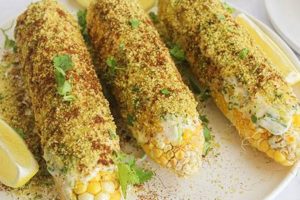
While coleslaw is a standard accompaniment, offering a selection of complementary side dishes enhances the meal. Options such as baked beans, corn on the cob, potato salad, or mac and cheese provide additional flavors and textures. These side dishes contribute to a more complete and satisfying meal, reflecting the traditional barbecue experience.
These serving considerations are essential for creating a cohesive and enjoyable plant-based pulled pork experience. By paying attention to the presentation, accompaniments, and customization options, the overall dining experience can be elevated, enhancing the appeal of the dish and satisfying the expectations of those familiar with traditional pulled pork. These factors are therefore critical to be considered when preparing “pulled pork vegan recipe”.
Frequently Asked Questions About Plant-Based Pulled Creations
The following addresses common inquiries regarding the creation and consumption of a meat-free alternative. Clarification of these points aims to enhance understanding and improve culinary outcomes.
Question 1: What are the most suitable plant-based protein sources for replicating pulled pork?
Unripe jackfruit, oyster mushrooms, and shredded king oyster mushrooms are frequently employed. Jackfruit offers a fibrous texture, while mushrooms provide a different textural profile and umami flavor.
Question 2: Is it essential to use liquid smoke in a vegan pulled pork recipe?
Liquid smoke enhances the authenticity by replicating the smoky notes associated with traditional barbecue. However, smoked paprika or chipotle powder can serve as acceptable substitutes, albeit with slightly different flavor characteristics.
Question 3: How can excessive moisture be prevented in the final dish?
Squeezing excess liquid from shredded jackfruit prior to cooking is recommended. Roasting or baking the chosen ingredient before adding sauce can further reduce moisture content.
Question 4: What type of barbecue sauce is best for a plant-based adaptation?
Homemade barbecue sauce offers greater control over sweetness, spice, and sodium levels. Commercial sauces can be used, but careful attention should be paid to their ingredient list and flavor profile to ensure they complement the plant-based protein.
Question 5: Can the slow cooking process be bypassed to save time?
While alternative cooking methods can be employed, slow cooking is generally recommended for achieving optimal tenderness and flavor infusion. Faster cooking methods may not adequately break down the plant-based protein or allow the flavors to fully meld.
Question 6: What are some recommended serving suggestions for plant-based pulled pork?
Serving on soft rolls with coleslaw remains a classic presentation. Additional side dishes, such as baked beans or potato salad, can enhance the overall meal.
Adherence to these guidelines and consideration of the outlined variables will contribute to a successful culinary endeavor. Experimentation with flavors and textures is encouraged to refine the recipe to individual preferences.
The subsequent section will conclude this discourse, summarizing key insights and offering perspectives on the future of plant-based alternatives.
Conclusion
This exploration of “pulled pork vegan recipe” has illuminated the crucial elements required for a successful meat-free adaptation. From the selection of appropriate plant-based proteins and the mastery of moisture control to the incorporation of smoky flavors and the utilization of slow cooking techniques, each step contributes to the creation of a dish that convincingly mimics its traditional counterpart. The serving suggestions outlined further enhance the overall experience, aligning with established culinary norms and expectations.
The continued refinement of recipes under the “pulled pork vegan recipe” umbrella reflects a growing demand for plant-based alternatives that do not compromise on flavor or texture. Further research and experimentation will undoubtedly yield even more sophisticated and satisfying renditions, contributing to a broader acceptance and integration of plant-based cuisine into mainstream culinary practices. The future of “pulled pork vegan recipe” and similar adaptations lies in continuous innovation and a commitment to culinary excellence.