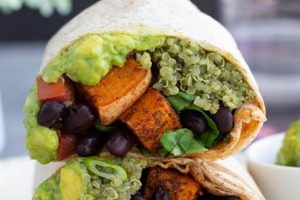
The practice involves preparing complete meals in advance that adhere to a vegan dietary framework, while also prioritizing a high protein content. A practical illustration is the assembly of several containers, each containing a serving of lentils, quinoa, and roasted vegetables, sufficient for multiple lunches throughout a work week.
This strategy offers multiple advantages, including efficient time management during the week, adherence to specific dietary goals, and the assurance of adequate protein intake from plant-based sources. Its historical context stems from both the increasing popularity of veganism and the broader trend towards meal prepping for health and convenience.
Subsequently, detailed explorations of plant-based protein sources suitable for this preparation, practical meal planning strategies, and considerations for nutritional balance are warranted. Furthermore, appropriate storage methods and common pitfalls to avoid will be addressed.
Essential Considerations for Efficient Vegan Protein Meal Preparation
Optimizing meal preparation that aligns with vegan and high-protein dietary guidelines requires careful planning and execution. The following tips provide actionable strategies for maximizing efficiency and nutritional value.
Tip 1: Protein Source Selection: Prioritize complete protein sources like quinoa, soy products (tofu, tempeh, edamame), and hemp seeds. Combining incomplete proteins, such as beans and grains, also provides a full amino acid profile.
Tip 2: Strategic Batch Cooking: Prepare large quantities of staple ingredients, such as lentils, chickpeas, or roasted vegetables, to reduce preparation time for individual meals. Utilize airtight containers for optimal storage.
Tip 3: Diverse Flavor Profiles: Incorporate a variety of spices, herbs, and sauces to prevent flavor fatigue. Explore global cuisines that naturally feature plant-based protein sources, such as Indian dals or Mediterranean falafel.
Tip 4: Balanced Macronutrient Ratios: Ensure that each meal provides an adequate balance of protein, carbohydrates, and healthy fats. Include sources of essential fatty acids, such as avocados, nuts, or seeds.
Tip 5: Portion Control and Calorie Management: Calculate appropriate portion sizes based on individual energy requirements. Consider using food scales and measuring cups for accurate portioning.
Tip 6: Proper Food Storage: Adhere to recommended food safety guidelines for refrigerating and freezing prepared meals. Label each container with the preparation date to ensure freshness and prevent spoilage.
Tip 7: Smart Shopping List: Construct a shopping list beforehand to buy what is needed. It saves your time and makes your vegan protein meal preparation go smoothly.
Implementing these strategies facilitates a streamlined approach to preparing nutritious and satisfying vegan meals. Consistency in application is crucial for realizing the long-term benefits of this preparation method.
The subsequent sections will delve into specific recipes and address common challenges encountered when adopting this dietary practice.
1. Plant-based protein sources

The selection of appropriate plant-based protein sources is foundational to successful vegan protein meal preparation. The following details are of utmost importance.
- Legumes: A Foundational Element
Legumes, including beans, lentils, and chickpeas, constitute a primary protein source for vegan meal preparation. They are cost-effective, versatile, and provide substantial amounts of protein per serving. For example, cooked lentils offer approximately 18 grams of protein per cup. Incorporating legumes into prepared meals is critical for ensuring adequate protein intake within a vegan diet.
- Soy Products: Complete Protein Options
Soy products, such as tofu, tempeh, and edamame, provide complete protein sources, containing all nine essential amino acids. Tofu’s neutral flavor profile makes it amenable to diverse culinary applications, from stir-fries to scrambles. Tempeh offers a firmer texture and nutty flavor, suitable for grilling or baking. The utilization of soy products is strategically advantageous for building robust protein profiles in pre-prepared vegan meals.
- Grains and Seeds: Complementary Protein Sources
Certain grains, such as quinoa and amaranth, are considered complete proteins. Seeds like hemp, chia, and pumpkin seeds also contribute significant protein and essential fatty acids. While grains and seeds may not be the sole protein source in a meal, their inclusion enhances the overall protein content and nutritional diversity of prepared vegan dishes. For instance, adding hemp seeds to a vegan smoothie can increase its protein content and provide omega-3 fatty acids.
- Nuts and Nut Butters: Supplemental Protein and Healthy Fats
Nuts and nut butters offer a convenient source of protein and healthy fats, contributing to satiety and nutritional balance. Almonds, walnuts, and peanuts, along with their respective butters, can be incorporated into vegan protein meal preparation as snacks, additions to oatmeal, or ingredients in sauces and dressings. The caloric density of nuts necessitates careful portion control when integrating them into prepared meals.
The strategic combination of these plant-based protein sources is integral to achieving optimal protein intake through structured vegan meal planning. Thoughtful ingredient selection enables the creation of nutritionally complete and satisfying meals, supporting long-term adherence to a vegan dietary approach.
2. Nutrient Density

Nutrient density, defined as the concentration of micronutrients and macronutrients relative to caloric content, assumes paramount importance in the context of vegan protein meal preparation. The exclusion of animal products necessitates a deliberate focus on consuming foods rich in vitamins, minerals, and essential amino acids to mitigate potential deficiencies. A meal plan deficient in nutrient-dense foods, despite adequate protein content, may compromise overall health and well-being. The deliberate selection of ingredients therefore becomes a critical factor in successful meal preparation.
An example illustrates this principle: a prepared vegan meal consisting solely of refined grains and processed meat substitutes may provide sufficient protein but lacks the vital micronutrients found in whole plant foods. Conversely, a meal incorporating dark leafy greens, colorful vegetables, and legumes alongside plant-based protein sources delivers a wider spectrum of essential nutrients. The practical application of this understanding involves prioritizing whole, unprocessed foods and strategically combining them to ensure a comprehensive nutritional profile. Such an approach would involve carefully selecting ingredients like kale, spinach, and broccoli to maximize micronutrient intake alongside protein sources like lentils, quinoa, or tofu. Furthermore, considerations for essential fatty acids from sources such as flax seeds, chia seeds, and walnuts are vital for supporting brain health and overall physiological function.
In conclusion, the correlation between nutrient density and vegan protein meal preparation highlights the critical need for informed dietary choices. The potential for nutritional inadequacies within a vegan diet necessitates a strategic focus on nutrient-dense foods. Challenges arise in accurately assessing the nutrient content of meals and consistently adhering to balanced meal plans. However, by prioritizing whole plant foods and adopting a mindful approach to meal preparation, individuals can optimize their nutritional status and derive the full health benefits of a well-executed vegan diet.
3. Portion Control

Portion control is intrinsically linked to successful vegan protein meal preparation. Precise regulation of serving sizes ensures optimal caloric intake, macronutrient balance, and adherence to dietary goals, thereby maximizing the efficacy of the meal preparation strategy.
- Caloric Regulation
Excessive caloric consumption, irrespective of dietary composition, can impede weight management and overall health. Portion control, in the context of vegan protein meals, facilitates precise tracking and management of calorie intake. Pre-packaging meals in predetermined portion sizes mitigates the risk of overeating, promoting weight maintenance or loss as desired. For example, a pre-portioned container with 400 calories composed of lentil stew ensures adherence to a specific caloric target.
- Macronutrient Balancing
Optimal health necessitates a balanced intake of macronutrients: protein, carbohydrates, and fats. Portion control allows for precise allocation of each macronutrient within a meal. Vegan protein sources, such as legumes or tofu, must be carefully portioned relative to carbohydrate and fat sources to achieve the desired macronutrient ratio. Consider a meal featuring 4 ounces of tofu (protein), 1 cup of brown rice (carbohydrates), and 1 tablespoon of avocado (fats). This predetermined portioning ensures that each meal contributes proportionally to the overall dietary needs.
- Waste Reduction
Portion control minimizes food waste by preparing only the necessary quantities of food. Precise meal planning and portioning prevent the preparation of excess food that may ultimately spoil, leading to environmental and economic benefits. If one plans to use 1.5kg of lentil for 5 days, the amount in each container can be determined by dividing it 5 times (1.5kg / 5). So, each container should contain 300g of lentil.
- Improved Satiety Signaling
Consuming appropriately sized portions facilitates the body’s natural satiety signaling mechanisms. Overconsumption can disrupt these signals, leading to continued eating despite adequate nutritional intake. Pre-portioned meals allow the body to recognize and respond to satiety cues more effectively, promoting a sense of fullness and satisfaction with appropriately sized servings.
Effective portion control, when integrated into vegan protein meal preparation, extends beyond mere calorie counting. It serves as a tool for promoting balanced nutrition, minimizing waste, and optimizing physiological responses to food intake. Consistently adhering to predetermined portion sizes reinforces mindful eating habits and supports long-term adherence to a health-conscious vegan lifestyle.
4. Advance Planning
The systematic organization inherent in advance planning is a critical determinant of success in vegan protein meal preparation. Effective execution demands a proactive approach to optimize efficiency, nutritional balance, and dietary adherence. Absence of adequate planning can lead to suboptimal outcomes, including nutritional deficiencies, time constraints, and dietary lapses.
- Menu Conceptualization
Strategic menu conceptualization forms the bedrock of advance planning. It entails defining specific meals for designated periods, typically spanning several days or a week. This process involves identifying protein sources, vegetables, grains, and other components that align with dietary requirements and flavor preferences. A concrete example involves drafting a weekly menu including lentil soup, tofu stir-fry, and black bean burgers, ensuring diversity and adequate protein intake.
- Nutritional Assessment
A comprehensive nutritional assessment is integral to ensuring meals provide a complete spectrum of essential nutrients. This process involves calculating macronutrient ratios (protein, carbohydrates, fats) and micronutrient content (vitamins, minerals). Utilizing nutritional analysis tools or consulting with a registered dietitian can facilitate accurate assessment. For instance, evaluating the iron content of a meal plan and supplementing with iron-rich foods or supplements, if necessary, illustrates this facet.
- Procurement and Inventory Management
Efficient procurement and inventory management are essential for streamlining the preparation process. This entails creating a detailed shopping list based on the menu plan and assessing existing pantry inventory to avoid unnecessary purchases. Categorizing items on the shopping list by store section optimizes shopping efficiency. Regular inventory audits prevent ingredient shortages and food spoilage.
- Scheduling and Time Allocation
Realistic scheduling and time allocation are crucial for effective meal preparation. This involves designating specific time slots for shopping, chopping vegetables, cooking protein sources, and assembling meals. Breaking down tasks into manageable segments reduces perceived overwhelm. For instance, allocating one afternoon per week for bulk cooking and portioning meals optimizes time management and promotes consistency.
Integrating these facets of advance planning ensures a streamlined and efficient approach to vegan protein meal preparation. Through careful menu design, nutritional analysis, resource management, and time allocation, individuals can optimize their dietary adherence and achieve desired health outcomes. Failure to address these elements can compromise the efficacy and sustainability of the meal preparation strategy.
5. Storage Efficiency

Effective storage significantly impacts the viability of vegan protein meal preparation. Optimized storage practices maintain food quality, prevent spoilage, and preserve nutritional value, crucial aspects considering the effort and resources invested in meal preparation.
- Container Selection and Material
The choice of containers directly influences food preservation. Airtight containers crafted from glass or BPA-free plastic minimize air exposure, retarding oxidation and bacterial growth. Glass containers offer the advantage of non-reactivity with food, preventing flavor or odor transfer. Incorrect container selection may compromise food safety and palatability.
- Temperature Control and Refrigeration
Maintaining consistent refrigeration temperatures inhibits microbial proliferation. Prepared vegan meals should be cooled rapidly and stored at temperatures below 40F (4C). Proper temperature management minimizes the risk of foodborne illnesses and extends the shelf life of prepared meals. Inadequate refrigeration accelerates spoilage and compromises food safety.
- Freezing Strategies and Techniques
Freezing provides a long-term storage option for prepared vegan meals. Properly freezing meals requires rapid cooling, airtight packaging, and temperature maintenance at or below 0F (-18C). Freezing slows enzymatic activity and microbial growth, preserving food quality for extended periods. Inadequate freezing techniques can result in freezer burn, texture degradation, and nutritional losses.
- Labeling and Organization Systems
Clear labeling of prepared meals with the date of preparation is essential for inventory management and ensuring food safety. Implementing an organized storage system, such as a “first-in, first-out” approach, minimizes the risk of consuming spoiled food. Lack of labeling and organization can lead to confusion, food waste, and potential health risks.
Integrating these storage efficiency strategies is paramount for maximizing the benefits of vegan protein meal preparation. By employing appropriate container selection, temperature control, freezing techniques, and organization systems, individuals can maintain food quality, prevent spoilage, and optimize the long-term viability of their prepared meals. This ensures both nutritional integrity and food safety, fundamental components of a successful vegan diet.
6. Dietary Adherence

Dietary adherence, defined as the consistent alignment of food intake with pre-established dietary guidelines, assumes a central role in realizing the intended benefits of vegan protein meal preparation. Its importance extends beyond mere compliance; it is the keystone to achieving sustained health outcomes through dietary modification.
- Behavioral Reinforcement Through Convenience
Prepared meals inherently offer convenience, a factor directly impacting long-term dietary adherence. Reduced decision fatigue associated with daily meal planning and preparation mitigates the likelihood of deviating from pre-determined dietary choices. For example, having ready-to-eat vegan protein bowls available minimizes the temptation to opt for less healthy, non-vegan alternatives when time is limited.
- Structured Nutritional Intake and Goal Alignment
Vegan protein meal preparation provides a framework for structured nutritional intake, facilitating alignment with specific dietary goals, such as weight management or muscle building. The controlled portions and pre-calculated macronutrient ratios support consistent calorie and nutrient intake, minimizing deviations from established dietary plans. As an illustration, athletes following a vegan diet can ensure adequate protein consumption by precisely preparing meals with predetermined quantities of legumes, tofu, and quinoa.
- Mitigation of Environmental Influences and Impulsive Choices
Prepared meals act as a buffer against external environmental influences that might otherwise lead to impulsive dietary choices. Having pre-packaged, healthy vegan meals readily available reduces susceptibility to the allure of readily accessible, less nutritious food options. A prepared vegan lunch prevents resorting to fast food or processed snacks during workdays.
- Enhanced Self-Efficacy and Habit Formation
Successfully executing vegan protein meal preparation enhances self-efficacy, fostering a sense of control over one’s dietary habits. Consistent adherence to prepared meals reinforces positive dietary behaviors, contributing to the formation of long-term, sustainable habits. Individuals who consistently adhere to their prepared vegan meals are more likely to maintain their dietary choices over extended periods, thus solidifying their commitment to a vegan lifestyle.
The synergy between dietary adherence and vegan protein meal preparation underscores a cyclical relationship. By minimizing barriers to healthy eating, the strategic pre-planning and preparation of meals fosters consistent adherence to vegan dietary guidelines. In turn, consistent adherence reinforces positive dietary habits, leading to improved overall health and well-being. Conversely, inconsistent meal preparation can lead to dietary lapses and hinder the achievement of long-term health goals. The commitment to prepared vegan meals, therefore, necessitates a conscious and sustained effort to ensure consistent dietary adherence.
Frequently Asked Questions
The following section addresses prevalent inquiries and clarifies common misconceptions associated with preparing plant-based, protein-rich meals in advance.
Question 1: What constitutes an adequate protein intake for individuals engaging in vegan protein meal preparation?
Recommended daily protein intake varies based on factors such as activity level, age, and physiological condition. General guidelines suggest 0.8 grams of protein per kilogram of body weight for sedentary individuals. Athletes and those seeking muscle growth may require up to 1.6 to 2.2 grams of protein per kilogram of body weight. Calculating individual protein requirements is essential for effective meal planning.
Question 2: Are all plant-based protein sources nutritionally complete?
No. While some plant-based sources, such as soy products (tofu, tempeh, edamame) and quinoa, provide all nine essential amino acids and are considered complete proteins, most others are incomplete. Combining various plant-based protein sources, like legumes and grains, over the course of a day ensures the acquisition of all essential amino acids.
Question 3: How can one mitigate the risk of nutritional deficiencies when adhering to a vegan diet through meal preparation?
Mitigation requires a deliberate focus on nutrient-dense foods. Prioritize consumption of dark leafy greens (calcium, iron), fortified plant-based milks (vitamin B12, vitamin D), and incorporate sources of omega-3 fatty acids (flax seeds, chia seeds, walnuts). Consider consulting with a registered dietitian to assess individual needs and address potential deficiencies.
Question 4: What are the primary considerations for ensuring food safety during vegan protein meal preparation?
Key considerations include maintaining proper hygiene during food handling, ensuring adequate cooking temperatures for protein sources, and refrigerating prepared meals promptly (within two hours) at temperatures below 40F (4C). Properly storing meals in airtight containers and consuming them within recommended timeframes (3-4 days for refrigerated meals, 1-2 months for frozen meals) are also essential.
Question 5: How can one effectively prevent flavor fatigue when preparing vegan meals in advance?
Variety is key. Incorporate a diverse range of spices, herbs, sauces, and cooking methods to prevent monotony. Explore cuisines that naturally feature plant-based protein sources. Rotating menus on a weekly or bi-weekly basis can also enhance palatability and maintain interest.
Question 6: What are some strategies for optimizing the cost-effectiveness of vegan protein meal preparation?
Planning meals around seasonal produce, purchasing dried legumes and grains in bulk, and utilizing store-brand or generic products can reduce expenses. Growing herbs and vegetables, when feasible, can further minimize costs. Strategic meal planning and minimizing food waste also contribute to overall cost savings.
In summary, vegan protein meal preparation necessitates careful consideration of protein requirements, nutritional completeness, food safety, flavor variety, and cost-effectiveness. A strategic approach to planning and preparation is crucial for achieving optimal outcomes.
The subsequent section will explore advanced techniques for optimizing vegan protein meal planning.
Conclusion
The preceding examination has underscored the multifaceted nature of vegan protein meal prep. Key aspects encompass strategic protein source selection, nutrient density considerations, meticulous portion control, the imperative of advance planning, efficient storage methodologies, and the overarching importance of dietary adherence. Each of these facets contributes to the successful implementation of a sustainable and nutritionally sound vegan dietary regimen.
The effective application of these principles demands a commitment to informed decision-making and consistent execution. While challenges may arise, the potential benefitsimproved health outcomes, optimized time management, and enhanced dietary controlwarrant diligent effort. Continued exploration and refinement of these strategies will further solidify the role of vegan protein meal prep as a valuable tool for individuals seeking to align their dietary choices with ethical and health-conscious objectives.