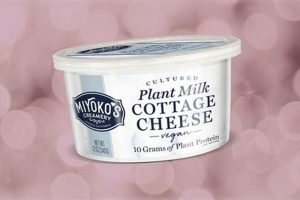
Dairy-free cheese alternatives formulated without soy offer options for individuals with soy allergies or sensitivities, or those who simply prefer to avoid soy in their diet. These products utilize ingredients like nuts (cashews, almonds, macadamia), seeds (sunflower, pumpkin), coconut, or vegetable starches to mimic the texture and flavor profiles of traditional dairy cheese. Examples include cashew-based mozzarella shreds, almond-based cream cheese spreads, and coconut oil-based cheddar blocks.
The significance of these products lies in their inclusivity, catering to a broader range of dietary needs and preferences within the vegan and plant-based communities. Historically, soy was a dominant ingredient in many vegan cheese alternatives, limiting options for some. The development of soy-free varieties expands the market and provides more accessible choices. Furthermore, these alternatives often offer nutritional benefits, providing vitamins, minerals, and healthy fats depending on the primary ingredients used.
The subsequent sections will delve deeper into the ingredients used in these dairy-free cheeses, examine their nutritional profiles, explore preparation methods, outline potential applications, and provide insight into emerging trends and consumer preferences shaping the market.
Tips for Working with Soy Free Vegan Cheese
Achieving optimal results with dairy-free cheese alternatives often requires adjusting culinary techniques. The following guidelines facilitate successful integration of soy-free options into various recipes.
Tip 1: Understand the Base Ingredient. Different bases, such as cashew, coconut, or nut blends, behave differently. Coconut-based cheeses may melt smoothly but can sometimes have a subtle coconut flavor. Nut-based options often offer a richer texture but might require careful handling to prevent burning.
Tip 2: Monitor Melting Temperatures. Soy-free vegan cheeses typically melt at lower temperatures than dairy cheese. Reduce oven or stovetop heat to prevent burning or separation of ingredients. Observe closely during melting and adjust accordingly.
Tip 3: Add Thickeners Strategically. Starches, such as tapioca or potato starch, can improve melt and stretch. Incorporate a small amount of starch into shredded or crumbled products before baking or grilling. Experimentation is crucial to determine the optimal quantity.
Tip 4: Enhance Flavor Profiles. Many soy-free vegan cheeses benefit from added flavor. Nutritional yeast provides a cheesy, umami note. Other additions, such as garlic powder, onion powder, herbs, or spices, can enhance the overall taste and complement the dish.
Tip 5: Adjust Liquid Content. Consider the liquid content of the cheese when adding to recipes. Softer varieties may release moisture during cooking, potentially affecting the final texture. Adjust other liquid ingredients in the recipe to maintain the desired consistency.
Tip 6: Temper Before Shredding. For shreddable blocks, chilling the product before shredding yields better results. A firm, cold block is easier to grate or shred evenly, preventing clumping and facilitating smoother melting.
Adherence to these guidelines will enable readers to maximize the flavor and performance of soy-free alternatives in various culinary applications, from pizza and grilled cheese to dips and sauces. Careful consideration of ingredient properties and precise application of techniques are necessary to successfully incorporate it into culinary creations.
The next section will discuss the nutritional value of these plant-based alternatives and compare them to traditional dairy cheese.
1. Ingredients

The selection of ingredients is fundamental to the creation of soy-free vegan cheese and directly determines its characteristics. The absence of soy necessitates the use of alternative plant-based components to provide structure, texture, and flavor. Ingredients such as nuts (cashews, almonds, macadamias), seeds (sunflower, pumpkin), coconut oil, vegetable starches (tapioca, potato), and gums (xanthan, guar) are commonly employed. The combination and proportion of these ingredients directly influence the final product’s melting properties, taste, and overall mouthfeel. For example, a cheese predominantly based on cashew nuts tends to possess a creamy texture and a subtle nutty flavor, while a coconut oil-based cheese may offer improved melting capabilities at the expense of a distinct coconut taste. Thus, ingredient selection is not merely a substitution exercise but a careful calibration to achieve the desired sensory attributes.
Beyond the primary components, additional ingredients often play a critical role in enhancing the cheese analogue. Nutritional yeast contributes a savory, umami flavor that mimics the taste of aged dairy cheese. Lactic acid, derived from vegan sources, adds a tangy note essential for replicating the sharpness of cheddar or parmesan. Spices, herbs, and vegetable purees are incorporated to customize flavor profiles and enhance color. Emulsifiers and stabilizers, such as sunflower lecithin or modified food starch, are used to prevent separation of oils and water, ensuring a smooth and consistent texture. The specific selection and balance of these supplemental ingredients are crucial in achieving a convincing and palatable soy-free cheese alternative.
Understanding the individual contributions of each ingredient allows for a deeper appreciation of the complexity involved in formulating soy-free vegan cheese. The interplay between ingredients determines the product’s success in replicating the sensory experience of traditional dairy cheese while adhering to dietary restrictions. Therefore, a thorough examination of the ingredient list is essential for both consumers seeking allergen-free options and manufacturers aiming to create high-quality, plant-based alternatives. The challenges lie in achieving a harmonious blend of ingredients that delivers both desirable taste and texture while maintaining nutritional value and ingredient integrity.
2. Texture

Texture is a critical attribute of soy-free vegan cheese, significantly impacting its palatability and perceived similarity to dairy cheese. The absence of soy, a common protein source in vegan cheese, necessitates alternative strategies to achieve a desirable texture, ranging from creamy and spreadable to firm and shreddable. The choice of base ingredients, such as nuts, seeds, or coconut oil, dictates the foundational texture. Cashew-based cheeses often exhibit a smooth, creamy consistency, while those relying on coconut oil may present a firmer, somewhat waxy texture. Manipulating the proportions of these base ingredients, along with the addition of starches and gums, allows manufacturers to fine-tune the final texture to match specific cheese types.
The influence of texture extends beyond mere mouthfeel. The textural properties directly affect the cheese’s melting behavior, shreddability, and overall functionality in various culinary applications. For instance, a cheese intended for pizza must possess sufficient elasticity to stretch and brown without becoming excessively oily or separating. A cheese designed for slicing requires a firm, yet slightly pliable texture to prevent crumbling. The selection of gelling agents, such as agar-agar or carrageenan, plays a crucial role in modulating these properties. Furthermore, the emulsification process, which involves stabilizing the mixture of oils and water, is vital in preventing a grainy or separated texture. Successful soy-free vegan cheese formulations meticulously balance these factors to replicate the textural attributes of their dairy-based counterparts.
Achieving an acceptable texture in soy-free vegan cheese presents ongoing challenges. The inherent properties of plant-based ingredients differ significantly from those of dairy proteins, requiring innovative approaches to mimic the complex interactions that contribute to dairy cheese’s texture. Addressing this challenge is vital, as consumer acceptance hinges significantly on textural expectations. Ongoing research focuses on exploring novel combinations of plant-based proteins, starches, and hydrocolloids to create soy-free vegan cheese with textures that are indistinguishable from traditional dairy options. Successfully replicating texture is crucial for broadening the appeal and utility of these plant-based alternatives.
3. Flavor

Flavor is a primary determinant of consumer acceptance for soy-free vegan cheese. Replicating the complex and nuanced flavors of dairy cheese using plant-based ingredients presents a significant challenge. The absence of soy, previously a common ingredient in vegan cheese, necessitates alternative flavor-building strategies. These strategies often involve a combination of fermentation techniques, the use of nutritional yeast for its umami notes, and the incorporation of plant-derived lactic acid or other organic acids to impart tanginess. Real-world examples include cashew-based “cheddars” flavored with annatto for color and a sharp profile or coconut oil-based “mozzarellas” enhanced with lactic acid to mimic the characteristic tang. The practical significance of understanding flavor profiles is that manufacturers can tailor their products to meet specific consumer preferences, thereby increasing market penetration.
The flavor development process also extends to the careful selection of supporting ingredients. Garlic powder, onion powder, and various herbs contribute layers of complexity, while smoked paprika or liquid smoke can mimic the flavor of smoked cheeses. Furthermore, techniques such as aging or culturing the cheese analogue, even without traditional dairy cultures, can enhance flavor depth. Culturing with vegan-friendly bacterial strains, for example, contributes to the development of more complex aromatic compounds, adding to the overall flavor perception. Careful balancing of these flavor components is necessary to create a cheese analogue that is both palatable and convincing as a substitute for dairy.
The challenges in achieving authentic flavor are considerable, given the intricate composition of dairy cheese and the unique chemical reactions that occur during its production. Nevertheless, ongoing research and development efforts are yielding increasingly sophisticated techniques for flavor replication. By understanding the chemical compounds responsible for the characteristic flavors of various cheeses and identifying plant-based sources of these compounds, manufacturers are steadily improving the flavor profiles of soy-free vegan cheeses. Overcoming the flavor hurdle is essential for these products to achieve widespread adoption and to provide a satisfying alternative for individuals seeking dairy-free options. This flavor pursuit directly connects to expanding the accessibility and desirability of plant-based diets.
4. Melting Properties

Melting properties are a critical consideration in the development and application of soy-free vegan cheese. The ability to melt, stretch, and brown similarly to dairy cheese significantly impacts its suitability for various culinary uses. The absence of soy necessitates alternative ingredient combinations and processing techniques to achieve desired melting characteristics.
- Ingredient Composition and Melt Behavior
The primary ingredients, such as coconut oil, cashews, or modified starches, fundamentally dictate the melting profile. Coconut oil-based cheeses tend to melt relatively easily but may exhibit a greasy texture if not properly formulated. Cashew-based options may require higher temperatures and longer times to achieve a satisfactory melt. Modified starches, particularly tapioca starch, are often incorporated to enhance meltability and improve the texture of the melted cheese. This interplay between ingredients is essential for achieving the desired melting point and consistency.
- Impact of Formulation Techniques
Formulation methods significantly influence the melting properties of soy-free vegan cheese. Emulsification techniques, which involve stabilizing the mixture of oils and water, are crucial in preventing separation during melting. The use of stabilizers, such as xanthan gum or carrageenan, can also improve the overall texture and prevent the cheese from becoming excessively liquid when heated. Careful control of these formulation parameters is necessary to create a stable and visually appealing melt.
- Culinary Applications and Melting Expectations
The specific culinary application dictates the required melting properties. A pizza topping requires a cheese that stretches and browns evenly, while a cheese sauce demands a smooth and consistent melt without separation. Soy-free vegan cheeses formulated for different applications will exhibit varying melting characteristics. Products designed for pizza typically contain ingredients that promote stretch and browning, whereas cheese sauces often prioritize a smooth, creamy melt.
- Challenges and Innovations in Melting Technology
Achieving a melt comparable to dairy cheese remains a significant challenge in the soy-free vegan cheese industry. Dairy proteins possess unique properties that contribute to their melting behavior, which are difficult to replicate using plant-based ingredients. Ongoing research focuses on developing innovative ingredient combinations and processing techniques to improve the melting characteristics of soy-free vegan cheese. Examples include incorporating novel plant-based proteins or utilizing enzymatic modification to enhance meltability. These advances aim to close the gap between dairy and plant-based cheese alternatives.
The melting properties of soy-free vegan cheese are a direct result of its ingredient composition, formulation techniques, and intended culinary application. Ongoing innovation continues to improve melting characteristics, making plant-based cheese alternatives more versatile and appealing to consumers.
5. Nutritional Profile

The nutritional profile of soy-free vegan cheese is a crucial consideration for health-conscious consumers. Because formulations vary significantly, assessing the macronutrient and micronutrient content is essential for making informed dietary choices.
- Macronutrient Composition (Fats, Carbohydrates, Proteins)
Soy-free vegan cheese products often exhibit varying macronutrient ratios. Some may be high in saturated fat, derived from coconut oil, while others might prioritize carbohydrates from starches or proteins from nuts and seeds. For example, a cashew-based cheese may offer a moderate protein content, while a coconut oil-based option could be primarily fat. Understanding these differences allows individuals to align their cheese choices with their macronutrient goals.
- Micronutrient Content (Vitamins and Minerals)
Soy-free vegan cheeses can be fortified with vitamins and minerals to enhance their nutritional value. Calcium, vitamin B12, and vitamin D are commonly added to mimic the nutrient profile of dairy cheese. Furthermore, some ingredients, such as nutritional yeast, naturally contribute B vitamins. However, micronutrient content varies widely between brands, necessitating careful label reading.
- Sodium Content
Sodium levels in soy-free vegan cheese can be substantial, depending on the formulation and manufacturing process. Excessive sodium intake poses health risks; therefore, selecting lower-sodium options is advisable, particularly for individuals with hypertension. Comparing sodium content per serving across different brands is a practical approach to making healthier choices.
- Fiber Content
Unlike dairy cheese, some soy-free vegan cheeses may contain dietary fiber, particularly those made with nuts or seeds. Fiber contributes to satiety and digestive health. Examining the fiber content on the nutrition label helps consumers identify products with added health benefits. For example, a sunflower seed-based cheese may offer a notable amount of fiber compared to a coconut oil-based alternative.
In conclusion, the nutritional profile of soy-free vegan cheese is highly variable and depends on the specific ingredients and manufacturing processes employed. A thorough examination of the nutrition facts label is essential for making informed dietary choices and ensuring that these plant-based alternatives align with individual nutritional needs and health goals.
6. Allergens
The increasing demand for soy-free vegan cheese reflects a growing awareness of food allergies and intolerances. While the absence of soy addresses concerns for those with soy allergies, it is crucial to recognize that these alternatives may contain other common allergens. Therefore, careful evaluation of ingredients is necessary for individuals with specific dietary restrictions.
- Tree Nuts
Many soy-free vegan cheeses utilize tree nuts as a primary ingredient, particularly cashews, almonds, and macadamia nuts. Individuals with tree nut allergies must exercise caution and meticulously review ingredient lists to avoid potential allergic reactions. Cross-contamination during manufacturing is also a significant concern. Products labeled as “made in a facility that also processes tree nuts” pose a risk, even if tree nuts are not listed as direct ingredients.
- Coconut
Coconut, although botanically classified as a fruit, is considered a tree nut allergen by the U.S. Food and Drug Administration (FDA). Some individuals with tree nut allergies may also react to coconut. Soy-free vegan cheeses frequently employ coconut oil or coconut cream to achieve desired texture and flavor. Therefore, individuals with tree nut allergies should consult with an allergist to determine if coconut-containing products are safe for consumption.
- Seeds
Certain soy-free vegan cheeses incorporate seeds, such as sunflower seeds, pumpkin seeds, or sesame seeds. Seed allergies are becoming increasingly prevalent. As with tree nuts, meticulous ingredient scrutiny is vital to avoid potential reactions. Furthermore, awareness of potential cross-contamination during production remains essential.
- Gluten
Although not inherently present in all soy-free vegan cheeses, gluten may be introduced through thickening agents or cross-contamination during manufacturing. Individuals with celiac disease or gluten sensitivity should seek out products explicitly labeled as “gluten-free” and ensure that they are produced in dedicated gluten-free facilities. Modified food starch, if derived from wheat, can be a source of hidden gluten.
In summary, while soy-free vegan cheese offers a solution for individuals with soy allergies, vigilance regarding other potential allergens remains paramount. Careful label reading, awareness of cross-contamination risks, and consultation with healthcare professionals are crucial steps in ensuring safe consumption for individuals with food allergies.
7. Applications

The utility of soy-free vegan cheese spans a diverse range of culinary applications, mirroring and, in some instances, diverging from the uses of traditional dairy cheese. Its versatility makes it a relevant ingredient across multiple dietary frameworks.
- Culinary Incorporation in Main Dishes
Soy-free vegan cheese serves as a direct substitute in various main courses. Shredded varieties melt on pizzas and in casseroles. Sliced options function in sandwiches and grilled preparations. Crumbled versions enhance salads and pasta dishes. Specific examples include cashew-based mozzarella on pizza, almond-based ricotta in lasagna, and sunflower seed-based feta in Greek salads. The implications are that individuals adhering to vegan or soy-free diets can still enjoy familiar dishes with modified ingredients.
- Use in Sauces and Dips
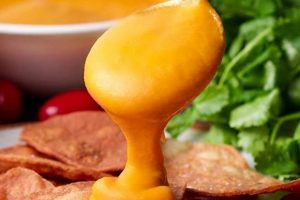
The creamy texture of certain soy-free vegan cheeses lends itself to the creation of sauces and dips. Cashew cream cheese forms the base for vegan queso and ranch dressings. Blended coconut-based cheeses can create smooth Alfredo sauces. The practical benefit is the provision of plant-based alternatives for traditionally dairy-heavy condiments. Such options expand dietary choices without sacrificing flavor profiles.
- Ingredient in Baked Goods
Soy-free vegan cheese integrates into baked goods, adding moisture and a subtle tang. Vegan cheesecakes utilize cashew or coconut cream cheese as their foundation. Dairy-free cream cheese frosting relies on similar substitutes. The importance lies in enabling the creation of vegan desserts that closely resemble their conventional counterparts, thus accommodating diverse dietary needs.
- Standalone Consumption and Charcuterie Boards
Certain soy-free vegan cheeses are designed for standalone consumption, either sliced or spread on crackers. Aged cashew-based cheeses offer complex flavors suitable for charcuterie boards. Flavored cream cheeses enhance bagels and breakfast pastries. This expands the accessibility of plant-based alternatives in situations where simple, ready-to-eat options are desired.
The applications of soy-free vegan cheese reflect its adaptability and the expanding scope of plant-based cuisine. Its utilization across diverse culinary settings underscores its potential as a relevant and versatile ingredient in contemporary food practices.
Frequently Asked Questions
This section addresses common inquiries regarding soy-free vegan cheese, providing factual information to aid understanding and informed decision-making.
Question 1: What ingredients are commonly used in soy-free vegan cheese?
Soy-free vegan cheeses typically utilize nuts (cashews, almonds, macadamias), seeds (sunflower, pumpkin), coconut oil, vegetable starches (tapioca, potato), and gums (xanthan, guar) to replicate the texture and flavor of dairy cheese.
Question 2: Is soy-free vegan cheese nutritionally equivalent to dairy cheese?
The nutritional profile of soy-free vegan cheese varies significantly depending on the formulation. It may be lower in protein and calcium than dairy cheese unless fortified. Careful label reading is essential to assess the macronutrient and micronutrient content.
Question 3: Can soy-free vegan cheese melt and stretch like dairy cheese?
The melting properties of soy-free vegan cheese depend on the specific ingredients and manufacturing techniques used. Some varieties melt reasonably well, while others may not. Tapioca starch and specific formulations can improve melting behavior.
Question 4: Is soy-free vegan cheese suitable for individuals with nut allergies?
Many soy-free vegan cheeses contain tree nuts. Individuals with nut allergies must carefully review ingredient lists and consider potential cross-contamination during manufacturing. Seed-based alternatives may offer a solution, but seed allergies should also be considered.
Question 5: What are the common culinary applications of soy-free vegan cheese?
Soy-free vegan cheese can be used in a variety of culinary applications, including pizza toppings, grilled cheese sandwiches, sauces, dips, and baked goods. The suitability of specific varieties depends on their texture and melting properties.
Question 6: How does the flavor of soy-free vegan cheese compare to dairy cheese?
The flavor of soy-free vegan cheese varies depending on the ingredients and flavorings used. Nutritional yeast, lactic acid, and various spices are often added to mimic the flavor of dairy cheese. The taste may not be identical to dairy cheese but can be palatable and satisfying.
Understanding the ingredients, nutritional profile, and functional properties of soy-free vegan cheese is essential for making informed dietary choices and successful culinary applications. Careful consideration of these factors allows individuals to effectively incorporate plant-based alternatives into their diets.
The subsequent section explores emerging trends and future directions in the soy-free vegan cheese market.
Conclusion
This exploration of soy free vegan cheese highlights its role in accommodating dietary restrictions and preferences. The absence of soy, while addressing specific allergen concerns, necessitates careful consideration of alternative ingredients, nutritional profiles, and functional properties. Successful incorporation of these products into culinary applications requires an understanding of their distinct characteristics and potential limitations compared to traditional dairy cheese.
Ongoing research and development efforts are focused on improving the flavor, texture, and nutritional value of soy free vegan cheese. As consumer demand for plant-based alternatives continues to grow, informed choices and critical evaluation of available options remain paramount for both consumers and manufacturers seeking to optimize dietary outcomes and culinary experiences.