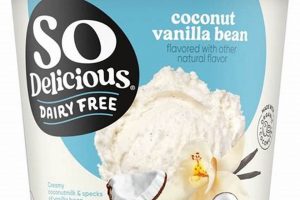
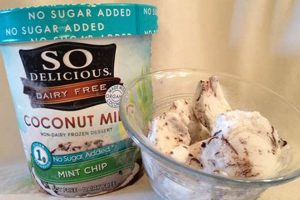
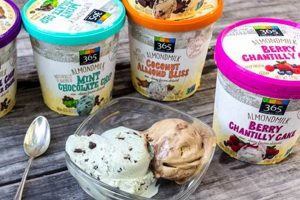
The dessert in question is a frozen confection flavored with coffee, formulated without the use of animal products such as dairy milk or cream. Examples include commercially produced pints using coconut milk, cashew milk, or oat milk as a base, or homemade versions utilizing similar plant-based ingredients.
This approach to frozen dessert allows individuals following vegan diets or those with dairy sensitivities to enjoy the flavor profile of coffee in a creamy, frozen form. Its rise in popularity reflects increased consumer awareness of plant-based alternatives and ethical considerations surrounding animal agriculture. The development of improved vegan ingredient technology has also contributed to superior taste and texture.
The subsequent sections will delve into the specific plant-based milk alternatives commonly employed in its production, explore various flavoring methods to achieve optimal coffee infusion, and provide guidance on achieving desirable texture and consistency. Considerations for shelf life and potential ingredient pairings will also be addressed.
Production Recommendations
Effective formulation of the plant-based coffee dessert requires careful consideration of ingredients and techniques. The following recommendations outline key areas for optimization.
Tip 1: Plant-Based Milk Selection: Base selection significantly impacts the final texture and flavor. Coconut milk contributes richness, while cashew or oat milk offer a smoother, more neutral profile. Consider blending multiple bases for optimal results.
Tip 2: Coffee Infusion Method: Cold brew concentrate provides a robust, less acidic coffee flavor compared to traditional brewing methods. Steep coffee grounds directly in the plant-based milk overnight for a more subtle infusion.
Tip 3: Sweetener Choice: Liquid sweeteners like agave or maple syrup integrate seamlessly and prevent graininess. Adjust the amount to balance the bitterness of the coffee.
Tip 4: Stabilizer Utilization: Gums such as guar or xanthan gum help to improve the texture and prevent ice crystal formation during freezing. Use in small quantities to avoid a gummy texture.
Tip 5: Churning Process: Proper churning is essential for creating a smooth, creamy texture. Follow the manufacturer’s instructions for the ice cream maker, ensuring adequate chilling time of the base before churning.
Tip 6: Freezing Time: Allow sufficient time for the dessert to harden completely after churning, typically at least 4-6 hours. This allows the flavors to meld and the texture to stabilize.
Tip 7: Storage Practices: Store the dessert in an airtight container in the coldest part of the freezer to prevent freezer burn and maintain optimal texture. Consumption within two weeks is recommended for best quality.
Implementing these recommendations should contribute to a more palatable and structurally sound plant-based frozen dessert. Careful attention to detail throughout the production process is paramount.
The subsequent section will explore ingredient variations and potential flavor pairings to enhance the core coffee flavor profile.
1. Plant-based Milk Selection

The selection of the plant-based milk alternative is a foundational decision in the creation of frozen coffee confections devoid of animal products. This choice significantly influences the final product’s texture, flavor profile, and overall stability.
- Fat Content and Texture
Different plant-based milks exhibit varying levels of fat. Higher fat content, as found in coconut milk, typically results in a richer, creamier texture resembling traditional dairy-based versions. Lower-fat options, such as almond or oat milk, may require additional stabilizers or thickening agents to achieve a comparable mouthfeel. The selection should align with the desired textural outcome.
- Flavor Profile Interaction
Each plant-based milk possesses a distinct inherent flavor. Coconut milk imparts a noticeable coconut flavor, which may complement or clash with the coffee flavor. Oat milk generally has a milder, slightly sweet taste that can enhance the coffee without overpowering it. The interaction between the milk’s inherent flavor and the coffee extract must be considered to achieve a harmonious taste.
- Protein Content and Structure
The protein content of the plant-based milk influences the structural integrity of the frozen product. Higher protein content may contribute to a slightly firmer texture and improved resistance to melting. Soy milk, for instance, contains a relatively high protein content compared to other plant-based alternatives. The protein structure also affects the ice crystal formation during freezing; stabilizers are often necessary to mitigate large crystal formation regardless of the base protein level.
- Availability and Cost
The availability and cost of different plant-based milks can impact the feasibility of large-scale production. Coconut milk and almond milk are generally widely available, while more niche options like hemp milk or pea milk may be less accessible and more expensive. Production costs directly influence the retail price and market competitiveness of the final product.
Therefore, the selection of the plant-based milk alternative is not merely a substitution of dairy, but a critical decision that requires careful evaluation of its impact on texture, flavor, structure, availability, and cost. Effective formulation requires an understanding of these factors to deliver a product that is both appealing and commercially viable.
2. Coffee extraction method

The extraction method employed directly dictates the flavor profile imparted to plant-based coffee frozen desserts. A nuanced selection is crucial, as the resulting coffee concentrate or infusion constitutes a primary flavor component. Different techniques, such as cold brew, espresso, and traditional hot brewing, produce variations in acidity, bitterness, and overall intensity, ultimately influencing the final taste. For example, cold brew extraction yields a smoother, less acidic flavor, which may be preferred when aiming for a milder, creamier profile in the finished dessert. Espresso extraction, conversely, offers a more concentrated and intense coffee flavor, suitable when a bold and robust taste is desired. The choice of extraction method is, therefore, a deliberate step in crafting the intended flavor of the product.
The method also impacts the solubility of coffee compounds within the plant-based milk medium. Cold brew, for instance, relies on extended steeping time to extract flavor, potentially leading to a fuller extraction of desirable compounds and minimizing the extraction of less desirable, bitter components. Espresso utilizes high pressure and short extraction times, resulting in a different chemical composition of the coffee extract. Furthermore, the extraction process affects the amount of caffeine present in the final frozen product. Accurate control and quantification of caffeine levels may be necessary, particularly for products marketed with specific caffeine content claims. This necessitates a thorough understanding of the extraction method’s influence on both flavor and chemical composition. Improper selection of extraction method also could lead to coffee that is either over or under extracted.
In summary, the selection of a particular coffee extraction method is paramount in determining the flavor intensity, acidity, and overall sensory experience of plant-based coffee frozen desserts. This decision directly influences the final product’s appeal and aligns with the desired flavor profile and branding. Consideration of the extraction method’s impact on caffeine levels and the solubility of coffee compounds is essential for ensuring both flavor accuracy and product consistency.
3. Sweetener characteristics

Sweeteners are critical components in the formulation of plant-based coffee frozen desserts, extending beyond the provision of sweetness. Their characteristics directly influence the final product’s texture, freezing point, and overall flavor profile. The selection of a particular sweetener must, therefore, be approached with an understanding of its specific properties and interactions with other ingredients.
- Freezing Point Depression
Different sweeteners exert varying degrees of freezing point depression on the plant-based milk base. Sugars like sucrose or fructose lower the freezing point more significantly than sugar alcohols such as erythritol or xylitol. This affects the hardness and scoopability of the final product. A lower freezing point can result in a softer texture, while a higher freezing point can lead to a harder, icier consistency. The desired texture dictates the appropriate type and concentration of sweetener used.
- Solubility and Texture
The solubility of the chosen sweetener influences the texture and smoothness of the dessert. Insoluble sweeteners can create a gritty mouthfeel. Liquid sweeteners like agave syrup or maple syrup generally integrate more seamlessly into the base, preventing graininess. Crystalline sweeteners, such as granulated sugar, may require additional processing or heat to ensure complete dissolution and prevent the formation of undesirable ice crystals. The solubility properties of the sweetener should be carefully considered to avoid textural defects.
- Flavor Profile Contribution
Beyond sweetness, sweeteners contribute distinct flavor notes that can complement or clash with the coffee flavor. Honey imparts a floral, slightly earthy flavor, while maple syrup offers a caramel-like taste. Refined white sugar provides a neutral sweetness, allowing the coffee flavor to remain dominant. The selected sweetener should enhance, rather than detract from, the overall flavor profile. The presence of molasses, fructose or even dextrose could give more unique flavor.
- Impact on Stability
Certain sweeteners can affect the long-term stability of the plant-based frozen dessert. High concentrations of certain sugars can promote the growth of ice crystals during storage, leading to a coarser texture. The use of stabilizers, such as guar gum or locust bean gum, can mitigate this effect. The sweetener’s effect on stability is a critical consideration to ensure the product maintains its desired texture and quality over time.
In summary, the characteristics of the sweetener selected for plant-based coffee frozen dessert extend beyond simply providing sweetness. The effect on freezing point, solubility, inherent flavor notes, and long-term stability directly impact the final quality and sensory appeal. Appropriate selection and utilization require a thorough understanding of these properties to create a product that is both delicious and structurally sound.
4. Texture optimization

Texture optimization is a critical component in achieving a palatable and commercially viable plant-based coffee frozen dessert. The absence of dairy fat, which traditionally contributes to the smooth and creamy texture of conventional products, necessitates strategic manipulation of ingredients and processing techniques. This pursuit involves addressing issues such as ice crystal formation, achieving appropriate viscosity, and ensuring a desirable mouthfeel that mimics or improves upon traditional dairy-based counterparts. Real-world examples include the utilization of stabilizers like guar gum or locust bean gum to prevent ice crystal growth during freezing and storage, thereby maintaining a smooth texture. Furthermore, the selection of plant-based milk alternatives with suitable fat content, such as coconut milk or cashew cream, directly influences the final product’s creaminess. Improper texture optimization results in a product that is either icy, grainy, or overly firm, rendering it unappealing to consumers.
Practical applications of texture optimization principles extend to both small-scale artisanal production and large-scale manufacturing. In smaller settings, experimentation with various plant-based milk blends and stabilizer combinations allows for the fine-tuning of texture to meet specific consumer preferences. Larger-scale manufacturers often employ more sophisticated techniques, such as high-pressure processing or homogenization, to further refine texture and enhance product stability. The use of overrun, the amount of air incorporated into the mixture during churning, is also carefully controlled to achieve the desired density and mouthfeel. This meticulous control over texture attributes is essential for maintaining consistent product quality and consumer satisfaction.
In conclusion, texture optimization is not merely an aesthetic consideration but a fundamental aspect of creating a successful plant-based coffee frozen dessert. Challenges remain in replicating the precise texture of dairy-based products, particularly in achieving long-term stability during storage. Ongoing research into novel plant-based ingredients and processing methods continues to drive innovation in this area, ultimately contributing to the wider acceptance and enjoyment of these products. The success of “coffee ice cream vegan” hinges on meeting consumer expectations for both flavor and texture, making texture optimization a non-negotiable element in the formulation process.
5. Flavor pairings

Strategic flavor pairings are critical in elevating a plant-based coffee frozen dessert from a simple novelty to a sophisticated culinary experience. The inherent bitterness of coffee, coupled with the specific characteristics of plant-based milk alternatives, necessitates careful consideration of complementary flavors to achieve balance and complexity.
- Chocolate and Cocoa
The combination of coffee and chocolate is a classic pairing that translates effectively to frozen desserts. The bitterness of dark chocolate complements the coffee’s inherent flavor profile, while cocoa nibs can add textural interest and a deeper chocolate intensity. A vegan chocolate swirl or chunks of dairy-free chocolate can enhance the overall richness and appeal of the product.
- Nuts and Caramel
Nuts, such as walnuts, pecans, or almonds, offer a textural contrast to the creamy base, while their inherent nuttiness harmonizes with the coffee flavor. Caramel, whether salted or unsalted, provides a sweet and buttery counterpoint to the coffee’s bitterness. Vegan caramel sauces, often made with coconut milk or dates, can be swirled into the dessert to create pockets of intense flavor and add visual appeal. A nut praline is an other option too.
- Spices: Cinnamon and Vanilla
Warm spices like cinnamon, cardamom, or nutmeg can enhance the coffee’s aromatic qualities and add a comforting element to the frozen dessert. Vanilla, whether in the form of extract or bean specks, provides a subtle sweetness and rounds out the overall flavor profile. These spices work particularly well with plant-based milk alternatives that have a milder flavor, such as oat milk or cashew milk. Vegan cream cheese alternative is a good choice here.
- Fruit: Berries and Banana
Berries, such as raspberries or blueberries, provide a tart and refreshing counterpoint to the coffee’s richness. They can be incorporated as a swirl, a compote, or as whole berries mixed into the base. Bananas, pureed and added to the base, contribute natural sweetness and a creamy texture. The fruit also can give more complex flavour to the product.
The selection of flavor pairings for plant-based coffee frozen desserts is driven by the desire to create a balanced and complex sensory experience. Strategic combinations of sweet, bitter, nutty, and fruity elements can elevate the product beyond a simple coffee-flavored treat, appealing to a wider range of consumers seeking sophisticated and satisfying plant-based options. Each of these can be also used in another product too. These flavourings are all very welcome too.
6. Storage stability

Storage stability is a critical factor influencing the quality and consumer acceptance of plant-based coffee frozen desserts. The absence of dairy components, which contribute significantly to the structural integrity and texture of conventional ice cream, renders plant-based alternatives inherently more susceptible to degradation during frozen storage. Fluctuations in temperature, prolonged storage durations, and improper packaging exacerbate these vulnerabilities, leading to undesirable changes in texture, flavor, and appearance. Real-world examples include the formation of large ice crystals, resulting in a grainy or icy mouthfeel; the development of off-flavors due to oxidation or ingredient interactions; and the collapse of the product structure, leading to a dense and unappetizing consistency. The importance of storage stability in plant-based coffee frozen desserts cannot be overstated, as it directly impacts the overall sensory experience and consumer satisfaction.
Achieving adequate storage stability in plant-based coffee frozen desserts necessitates a multi-faceted approach, encompassing careful ingredient selection, optimized formulation techniques, and appropriate packaging strategies. The selection of plant-based milk alternatives with inherent stability characteristics, such as high fat content or protein content, can improve the product’s resistance to structural changes. The incorporation of stabilizers, such as guar gum, locust bean gum, or cellulose derivatives, helps to control ice crystal growth and maintain a smooth texture during storage. Antioxidants may be added to mitigate oxidative degradation of fats and flavors. Furthermore, the use of airtight and moisture-resistant packaging materials minimizes exposure to air and moisture, reducing the risk of freezer burn and flavor loss. The application of appropriate freezing and hardening processes also contributes to long-term stability. An example of the significance is a test where a product with stabilizer holds texture and flavour for longer than a product without.
In conclusion, storage stability is a paramount consideration in the development and production of plant-based coffee frozen desserts. The inherent instability of plant-based formulations necessitates a proactive and comprehensive approach to ensure product quality and consumer satisfaction throughout the intended shelf life. While challenges remain in achieving comparable stability to dairy-based products, ongoing research and innovation in ingredient technology and processing techniques continue to improve the long-term quality and appeal of these increasingly popular frozen desserts. Overcoming challenges is critical to the plant-based sector’s continued growth. A company with good product and bad storing can quickly lose customers.
Frequently Asked Questions About Plant-Based Coffee Frozen Dessert
This section addresses common inquiries regarding the production, ingredients, and characteristics of frozen confections flavored with coffee, formulated without animal-derived components.
Question 1: What plant-based milk alternatives are suitable for creating a coffee-flavored frozen dessert?
Common choices include coconut milk, cashew milk, oat milk, and soy milk. Coconut milk provides a rich, creamy texture due to its high fat content. Cashew and oat milk offer a smoother, more neutral flavor profile. Soy milk offers high protein.
Question 2: How is the coffee flavor typically incorporated into plant-based coffee frozen dessert?
Coffee flavor can be infused through several methods, including the use of cold brew concentrate, espresso shots, or by steeping coffee grounds directly into the plant-based milk base. Cold brew concentrate offers a less acidic and less bitter flavor.
Question 3: What stabilizers are commonly used to improve the texture of plant-based coffee frozen dessert?
Guar gum, locust bean gum, and xanthan gum are frequently employed stabilizers. These ingredients aid in preventing ice crystal formation and enhancing the overall creaminess of the product.
Question 4: What sweeteners are recommended for plant-based coffee frozen dessert formulations?
Agave syrup, maple syrup, and coconut sugar are suitable sweeteners. Liquid sweeteners tend to integrate more seamlessly into the base, preventing graininess. The sweetener selection should consider the interaction of inherent flavour.
Question 5: How does the shelf life of plant-based coffee frozen dessert compare to traditional dairy-based versions?
Plant-based coffee frozen dessert may exhibit a shorter shelf life than traditional dairy-based alternatives, depending on the specific formulation and storage conditions. Proper storage in airtight containers at consistent freezer temperatures is crucial for preserving quality.
Question 6: Are there specific flavor pairings that complement plant-based coffee frozen dessert?
Commonly paired flavors include chocolate, nuts (such as walnuts or pecans), caramel, cinnamon, and vanilla. These additions can enhance the overall flavor profile and provide textural contrast.
Understanding these aspects of plant-based coffee frozen dessert enables informed decisions regarding formulation, production, and consumption. Careful consideration of these factors contributes to a high-quality final product.
The following section will address product marketing and commercialisation.
Conclusion
This exploration of coffee ice cream vegan has illuminated the key considerations for its successful creation, from plant-based milk selection and coffee extraction methods to texture optimization, flavor pairings, and storage stability. The absence of dairy necessitates careful attention to ingredient functionality and processing techniques to achieve a palatable and commercially viable product.
The future success of coffee ice cream vegan and similar plant-based frozen desserts hinges on continued innovation in ingredient technology and processing methods. Further research into improved stabilizers, plant-based fat alternatives, and packaging solutions will be crucial for enhancing product quality, extending shelf life, and meeting the evolving demands of discerning consumers. Continued dedication to improving the food can ensure future customers.