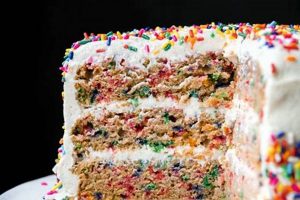
A plant-based dessert replicating the classic lava cake experience, this offering typically features a warm, soft exterior yielding to a liquid chocolate center. Recipes for this treat commonly substitute traditional ingredients like eggs and dairy with plant-derived alternatives, such as flaxseed meal or aquafaba for binding, and plant-based milk and oils in place of dairy. For instance, one may find recipes using dark chocolate combined with coconut oil and almond milk to achieve the desired texture and flavor profile.
This dessert option addresses the growing demand for inclusive dessert choices catering to individuals following vegan diets or those with dairy sensitivities. Its appeal lies in providing a decadent and satisfying experience without compromising ethical or dietary considerations. Historically, the development of such recipes reflects an increasing awareness of animal welfare and environmental sustainability, prompting innovation in plant-based cuisine. The ability to recreate traditionally dairy and egg-heavy dishes with equivalent taste and texture showcases advancements in ingredient technology and culinary techniques.
Subsequent sections will delve into specific ingredient substitutions used in crafting this plant-based dessert, explore diverse recipe variations incorporating different flavor profiles, and provide practical tips for ensuring a perfectly molten center every time. Furthermore, nutritional considerations related to this dessert, as well as its potential for adaptation to other dietary needs, will be addressed.
Crafting the Perfect Vegan Molten Cake
Achieving the ideal molten center and rich flavor in a plant-based dessert requires attention to specific techniques and ingredient considerations. The following tips provide guidance for successful preparation.
Tip 1: Chocolate Selection: Opt for high-quality dark chocolate with a cocoa content of 70% or higher. This ensures a deep, intense chocolate flavor that is essential to the molten cake experience. Check the ingredient list to confirm the chocolate is vegan, as some dark chocolates may contain milk solids.
Tip 2: Binding Agent Optimization: Flaxseed meal or aquafaba serve as effective egg replacements. When using flaxseed meal, combine 1 tablespoon of ground flaxseed with 3 tablespoons of water and allow it to sit for 5 minutes to form a gel. Aquafaba, the liquid from canned chickpeas, can be whipped to create a light and airy texture. The choice depends on the desired density and moisture level of the cake.
Tip 3: Fat Source Consideration: Coconut oil, vegan butter alternatives, or neutral-flavored oils such as canola or sunflower oil can be used as fat sources. Coconut oil, particularly, contributes to a rich, decadent texture. However, the choice should consider potential flavor impact on the final product.
Tip 4: Oven Temperature Precision: Accurate oven temperature is crucial for achieving the molten center. Utilize an oven thermometer to ensure the oven reaches and maintains the specified temperature, typically between 425F (220C) and 450F (232C). Variations in oven calibration can significantly impact the outcome.
Tip 5: Baking Time Monitoring: Baking time is a critical factor. Begin checking for doneness 2-3 minutes before the recommended time in the recipe. The edges of the cake should be set, but the center should still appear slightly soft. Overbaking will result in a fully cooked cake without the desired molten core.
Tip 6: Cooling and Release Technique: Allow the cakes to cool in their ramekins for 1-2 minutes before inverting them onto plates. This brief cooling period helps the cakes firm up slightly, preventing them from collapsing during unmolding. Use a thin knife to gently loosen the edges from the ramekin before inverting.
Tip 7: Ingredient Temperature Consistency: Ensure that all ingredients are at room temperature before mixing. This promotes even emulsification and contributes to a smoother batter, resulting in a more consistent texture in the finished product.
Adherence to these guidelines can greatly improve the chances of creating a successful plant-based lava cake, offering a satisfying dessert experience for those seeking vegan alternatives. Achieving the desired texture and flavor profile requires careful attention to detail throughout the preparation process.
The subsequent section will explore potential variations and additions to the foundational recipe, allowing for personalized flavor profiles and creative dessert presentations.
1. Dairy-Free

The “dairy-free” attribute is fundamental to the very definition of a vegan molten cake. Traditional molten cakes rely heavily on dairy components, such as butter, milk, and sometimes cream, to achieve their characteristic rich flavor and smooth texture. The removal of these ingredients is not merely an alteration but a defining characteristic that necessitates the use of plant-based substitutes. Without this substitution, the resulting dessert would not qualify as vegan. The exclusion of dairy ensures adherence to the core principles of veganism, which prohibits the consumption of animal products.
The practical significance of this connection lies in catering to specific dietary needs and preferences. Lactose intolerance, dairy allergies, and ethical veganism are all factors that drive the demand for dairy-free alternatives. The availability of this dessert widens accessibility, allowing a greater number of individuals to enjoy this classic treat. Real-world examples include the increasing prevalence of this dessert option on restaurant menus and the growth of specialty bakeries dedicated to vegan desserts. The success of these establishments demonstrates the tangible impact of the dairy-free element on consumer choice and market trends.
In summary, the “dairy-free” aspect is not simply a modifier but an integral component of this plant-based dessert. Its presence defines the dessert’s alignment with vegan principles, broadens its accessibility to diverse consumer groups, and reflects a growing awareness of dietary sensitivities and ethical food choices. Challenges remain in replicating the precise taste and texture of traditional recipes, but ongoing innovation in plant-based ingredients continues to bridge this gap. This connection underscores the broader trend of adapting classic recipes to meet evolving dietary needs and preferences.
2. Eggless

The absence of eggs is a defining characteristic of any formulation classified as vegan, including the molten cake variation. Traditional molten cake recipes rely on eggs for binding, emulsification, and leavening. The exclusion of eggs in this dessert necessitates the utilization of alternative ingredients and techniques to achieve the desired structural integrity and texture.
- Binding Agents
Eggless versions of this cake employ plant-derived binding agents such as flaxseed meal, chia seeds, or aquafaba (chickpea brine). These ingredients, when mixed with water, develop a gelatinous consistency mimicking the binding properties of eggs. For example, a mixture of flaxseed meal and water can be used as an egg replacement. The efficacy of these binders impacts the cake’s structural stability and prevents it from crumbling excessively.
- Emulsification Techniques
Eggs contribute to emulsification, the process of blending fats and liquids into a stable mixture. In the absence of eggs, careful attention must be paid to the order and method of incorporating fats and liquids. Ensuring all ingredients are at room temperature can aid in emulsification. Vegan butter alternatives or plant-based oils must be thoroughly incorporated to prevent separation, maintaining a smooth batter consistency.
- Leavening Considerations
While eggs provide some leavening, their absence can be compensated for with chemical leavening agents such as baking powder or baking soda. The specific amount and type of leavening agent will depend on the desired texture and rise. Overuse can result in an undesirable metallic taste or overly porous texture, whereas underuse can lead to a dense, heavy cake.
- Texture Modification
The absence of eggs impacts the final texture of the dessert, potentially resulting in a denser cake. Modifying the liquid content or adding ingredients such as applesauce or mashed bananas can introduce moisture and compensate for the loss of eggs. Careful adjustments are required to prevent the cake from becoming overly wet or gummy.
The “eggless” nature of this dessert necessitates careful consideration of alternative binding, emulsification, and leavening techniques. Success in creating a viable plant-based variant lies in understanding the functional roles of eggs in traditional recipes and effectively replicating those roles with plant-derived substitutes. This ingredient modification expands the accessibility of the molten cake dessert to individuals following vegan diets or those with egg allergies, demonstrating an adaptation of classic recipes to meet diverse dietary needs and preferences.
3. Texture

The textural profile of any dessert, particularly a vegan molten cake, significantly influences its overall appeal and eating experience. Achieving the characteristic contrasts of a firm exterior and a flowing, molten center is crucial. Modifications in ingredients and techniques, necessitated by the absence of animal products, directly impact the final textural outcome.
- Crust Development
The outer crust provides a necessary structural component, preventing collapse and offering a textural contrast to the liquid interior. The formation of this crust relies on precise baking times and temperatures. Plant-based fats, such as coconut oil or vegan butter alternatives, contribute to a crispier outer layer compared to traditional butter. However, overbaking can result in a dry, rather than fudgy, crust. Underbaking compromises the cake’s structural integrity, leading to collapse.
- Molten Core Viscosity
The molten center should exhibit a fluid, lava-like consistency, neither too thick nor too watery. This is achieved by carefully controlling the baking time and the ratio of liquid to solid ingredients. Excessive baking results in a solidified center, while insufficient baking yields a batter-like consistency. The use of high-quality dark chocolate with a high cocoa content contributes to a richer, more viscous molten core.
- Mouthfeel Considerations
The overall mouthfeel the sensory experience of the food in the mouth is a critical aspect. Ingredients such as plant-based milk, applesauce, or mashed bananas can be used to enhance moisture and create a smoother, more desirable mouthfeel. However, improper ingredient ratios can result in a gummy or excessively dense texture. Achieving a balanced mouthfeel requires careful consideration of ingredient interactions and their impact on the overall sensory experience.
- Ingredient Interactions
The interplay between wet and dry ingredients, as well as the binding agents employed, directly influences the cake’s final texture. Overmixing the batter can lead to a tough texture due to gluten development in the flour. Conversely, undermixing can result in uneven distribution of ingredients, leading to pockets of dryness or uncooked batter. Plant-based binders, such as flaxseed meal or aquafaba, contribute to the cake’s structure but can also affect its density and overall texture if not used judiciously.
In summary, the successful execution of a plant-based lava cake relies heavily on the management of textural elements. The interplay between crust development, molten core viscosity, mouthfeel considerations, and ingredient interactions dictates the quality of the final product. Careful ingredient selection, precise baking techniques, and an understanding of the functional properties of plant-based substitutes are essential for replicating the desired textural experience of this classic dessert.
4. Chocolate Intensity

The degree of chocolate intensity directly influences the sensory experience and overall satisfaction derived from a plant-based molten cake. It is a primary driver of flavor perception, acting as a core component that distinguishes this dessert from other sweet offerings. A heightened chocolate presence provides a richer, more decadent flavor profile, while an insufficient intensity may result in a bland or underwhelming experience. The choice of chocolate, specifically its cocoa percentage and origin, significantly impacts the final flavor expression. Dark chocolate with a higher cocoa content, such as 70% or greater, typically contributes to a more intense flavor compared to milk chocolate or semi-sweet varieties. For example, a recipe utilizing 80% dark chocolate from Ecuador will yield a noticeably more pronounced flavor compared to one using 60% dark chocolate from a different region.
The practical significance of understanding this connection lies in optimizing recipe formulation and ingredient selection. Bakers can tailor the chocolate intensity to suit individual preferences and dietary requirements. For instance, individuals who prefer a less intense flavor profile can opt for a lower cocoa percentage chocolate or incorporate ingredients such as plant-based milk or vanilla extract to mitigate the bitterness. Alternatively, those seeking a more intense experience can increase the amount of chocolate used or incorporate additions such as espresso powder or chili flakes to complement and enhance the chocolate flavor. Furthermore, the type of sweetener used can also influence perceived chocolate intensity. Natural sweeteners like maple syrup or coconut sugar can impart subtle flavor nuances that complement or contrast with the chocolate, while refined sugar provides a cleaner, more neutral sweetness.
In conclusion, the chocolate intensity is an essential factor in crafting a successful plant-based molten cake. Careful consideration of chocolate selection, ingredient ratios, and flavor pairings is critical for achieving the desired sensory outcome. The challenges in replicating the rich flavor profile of traditional molten cakes using only plant-based ingredients can be overcome through a thorough understanding of the interplay between chocolate intensity and other key components. Ongoing experimentation and refinement are necessary to optimize recipes and cater to the diverse preferences of vegan dessert enthusiasts.
5. Baking Time

Baking time is a critical determinant of the final texture and structural integrity of a plant-based molten cake. It dictates the degree of solidification of the outer layer and the liquidity of the inner core, both essential characteristics of this dessert. Insufficient baking time results in an undercooked cake that lacks structural support and exhibits an excessively fluid center. Conversely, excessive baking time leads to a fully cooked cake, devoid of the signature molten center. The relationship between baking time and outcome is therefore a delicate balance, requiring precise calibration.
The effect of baking time is magnified by the ingredient modifications inherent in plant-based recipes. Traditional molten cakes rely on eggs for structure and binding. The absence of eggs in a vegan version necessitates the use of alternative binding agents, such as flaxseed meal or aquafaba, which possess different heat-setting properties. These substitutes can alter the optimal baking time. For example, a plant-based recipe might require a slightly shorter baking time than a traditional recipe due to the increased moisture content of the binding agent. Deviation from the optimal baking time, even by a minute or two, can significantly impact the outcome. An example of this could be a situation where a cake baked 30 seconds too long loses its molten core and results in a solid center.
In summary, baking time is a crucial variable in the successful preparation of a plant-based molten cake. The interplay between baking time, ingredient substitutions, and desired textural attributes demands a precise understanding of cause-and-effect relationships. The challenges in replicating the consistency of traditional recipes with plant-based alternatives are mitigated by careful attention to this parameter. Accurate temperature calibration and attentive monitoring of the cake during baking are essential for achieving the intended result. Recipes should be meticulously followed and adjusted according to the specific oven characteristics and environmental conditions to ensure optimal results.
6. Plant-Based Fats

The selection and utilization of plant-based fats are fundamental to the structure, texture, and flavor profile of a plant-based molten cake. Traditional molten cake recipes rely heavily on butter and other dairy-based fats for richness and emulsification. Replicating these qualities with plant-derived alternatives requires careful consideration and an understanding of the functional properties of different fats.
- Coconut Oil: Texture and Flavor Implications
Coconut oil, both refined and unrefined, is a common ingredient. Refined coconut oil offers a neutral flavor, making it suitable when a subtle taste is desired. Unrefined coconut oil imparts a distinct coconut flavor, which may complement certain chocolate profiles. The high saturated fat content of coconut oil contributes to a firm texture when chilled and a smooth, melt-in-the-mouth sensation when warm. In a molten cake, it can help create a crisp outer layer and a fluid, molten center. However, excessive use can lead to a greasy texture, and the coconut flavor may not be desirable in all variations.
- Vegan Butter Alternatives: Emulsification and Mouthfeel
Vegan butter alternatives, typically composed of a blend of plant-based oils such as palm, soy, or sunflower, are formulated to mimic the functionality of dairy butter. These alternatives contribute to emulsification, helping to create a smooth batter and prevent separation of fats and liquids. They also contribute to the overall mouthfeel, providing a rich and creamy sensation. Some vegan butter alternatives may contain added flavorings or emulsifiers to further enhance their performance. However, the specific composition and properties can vary significantly between brands, impacting the final result.
- Cocoa Butter: Chocolate Enhancement and Stability
Cocoa butter, the natural fat extracted from cocoa beans, offers a complementary fat source that enhances the chocolate flavor and contributes to the stability of the molten center. Its addition can improve the melting properties of the chocolate and create a smoother, more decadent texture. It also contributes to the overall richness and intensity of the chocolate flavor. However, cocoa butter can be relatively expensive, and its use may be limited in some recipes due to cost considerations.
- Olive Oil: Flavor and Health Considerations
Olive oil, while less commonly used in traditional dessert recipes, offers a healthier alternative to saturated fats. Extra virgin olive oil can impart a distinct flavor profile, which may not be desirable in all applications. Light or refined olive oil, with a more neutral flavor, can be used to add moisture and richness to the cake. Olive oil can also contribute to a slightly denser texture compared to other plant-based fats. However, its use can align with dietary preferences emphasizing healthier fat sources.
The strategic selection of plant-based fats is essential for creating a successful dessert. Each fat source contributes unique textural and flavor characteristics, influencing the outcome. A comprehensive understanding of the functional properties of each fat allows bakers to optimize recipes and achieve the desired results. The use of plant-based fats is not merely a substitution, but an opportunity to create a unique and appealing dessert with distinct characteristics. The specific blend and ratios will impact not only the sensory profile but also the nutritional aspects of the final product.
7. Serving Temperature
Serving temperature is a crucial parameter influencing the sensory experience of a plant-based molten cake. It affects not only the perceived texture and flavor but also the structural integrity of the dessert. Optimizing serving temperature is essential for realizing the intended qualities of a molten cake, characterized by a firm exterior and a flowing, liquid interior.
- Molten Core Viscosity
Serving temperature directly impacts the viscosity of the molten center. A cake served too warm may exhibit an excessively fluid center, potentially resulting in a messy presentation and a less satisfying mouthfeel. Conversely, a cake served too cool may have a partially solidified center, diminishing the signature lava-like texture. For example, a plant-based lava cake held at room temperature for an extended period may lose its molten core entirely. The optimal serving temperature aims to strike a balance, ensuring a smooth, flowing center that contrasts with the firm exterior.
- Structural Stability
The structural stability of the plant-based molten cake is influenced by serving temperature. A cake served too soon after baking may lack sufficient firmness, leading to collapse upon unmolding or serving. Conversely, excessive cooling can cause the outer layer to become too firm, hindering the desired molten effect. Allowing the cake to cool slightly before serving permits the outer layer to set, providing a stable structure while preserving the liquid center. The ideal serving window is a narrow range determined by ingredient composition and baking parameters.
- Flavor Perception
Serving temperature affects the perception of flavor. Warm temperatures enhance the volatility of aromatic compounds, intensifying the perceived flavor of chocolate and other ingredients. A plant-based lava cake served warm will exhibit a more pronounced chocolate flavor compared to one served at room temperature. Conversely, excessively high temperatures can mask subtle flavor nuances or create an imbalance in the flavor profile. The optimal serving temperature should enhance the flavor without overwhelming the palate.
- Sensory Contrast
The textural and thermal contrast between the firm exterior and the warm, flowing center is a key element of the sensory experience. Serving the cake at the appropriate temperature maximizes this contrast, creating a more dynamic and satisfying eating experience. This contrast is particularly important in plant-based versions, as ingredient substitutions can impact the overall textural profile. For example, the use of coconut oil can contribute to a firmer outer layer, enhancing the contrast when served warm.
In conclusion, serving temperature is an indispensable factor influencing the sensory attributes and structural integrity of plant-based lava cakes. Its impact on the molten core viscosity, structural stability, flavor perception, and sensory contrast demonstrates the importance of careful consideration in both recipe development and serving protocols. Adjustments to ingredient ratios and baking times should be made with serving temperature in mind. This is to ensure the final product exhibits the characteristic qualities of a plant-based lava cake.
Frequently Asked Questions
The following questions address common inquiries and misconceptions regarding the preparation, ingredients, and characteristics of plant-based lava cake. These responses aim to provide clear and informative guidance for those seeking to understand and create this dessert.
Question 1: Is the texture of a plant-based lava cake comparable to its traditional counterpart?
The textural profile is generally achievable but may necessitate adjustments to ingredient ratios. Plant-based binding agents, such as flaxseed meal or aquafaba, impart different structural properties compared to eggs. Careful experimentation is often required to attain the desired molten center and firm outer layer.
Question 2: Does the taste of a plant-based lava cake differ significantly from a non-vegan version?
Flavor differences can arise depending on the choice of plant-based ingredients. The selection of chocolate, for example, plays a crucial role. High-quality dark chocolate with a high cocoa content can effectively mask any subtle flavor variations introduced by the egg or dairy replacements.
Question 3: What are the common challenges encountered when baking a plant-based lava cake?
Common challenges include achieving the correct molten center consistency, preventing the cake from sticking to the ramekin, and ensuring sufficient structural integrity. Careful monitoring of baking time and temperature, along with proper ramekin preparation, is essential.
Question 4: Can plant-based lava cakes be prepared in advance?
Plant-based lava cakes are best served immediately after baking to preserve the molten center. While the batter can be prepared in advance and refrigerated, baking should occur shortly before serving for optimal results. Reheating baked cakes may result in a less desirable texture.
Question 5: What types of sweeteners are recommended for plant-based lava cake recipes?
Various sweeteners can be employed, including granulated sugar, brown sugar, maple syrup, and agave nectar. The choice of sweetener can impact the final flavor profile and moisture content. Adjustments to the liquid ratio may be necessary depending on the sweetener used.
Question 6: Are there variations in recipes for plant-based lava cakes?
Numerous variations exist, incorporating different flavor profiles and ingredient combinations. Additions such as espresso powder, nut butter, or fruit purees can enhance the flavor and complexity of the dessert. Experimentation with different types of plant-based milk or chocolate is also common.
These frequently asked questions offer insights into the complexities and nuances of crafting a delicious dessert. By understanding the impact of ingredient substitutions and preparation techniques, one can consistently achieve a satisfying outcome.
The subsequent section will explore advanced techniques for customizing the basic recipe, catering to diverse dietary needs, and perfecting plating and presentation methods.
In Conclusion
The preceding exploration has detailed the complexities inherent in replicating the classic molten cake as a plant-based offering. Key considerations include the selection of appropriate dairy and egg replacements, precise control over baking time and temperature, and an understanding of how ingredient interactions impact the final texture and flavor. The attainment of a desirable outcome necessitates careful attention to these variables, as well as a willingness to adapt recipes based on the specific characteristics of the ingredients employed.
Further advancements in plant-based cuisine and ingredient technology hold the potential to refine this recipe and enhance the overall experience. Continued experimentation and refinement, coupled with a rigorous understanding of culinary principles, will drive the evolution of the plant-based lava cake and ensure its place as a satisfying and accessible dessert option for a wider audience. Mastering the art of crafting plant-based versions signifies a commitment to culinary innovation and dietary inclusivity.