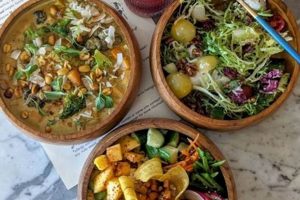
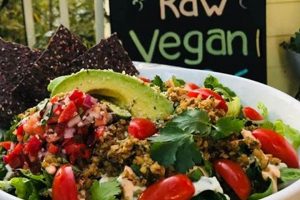
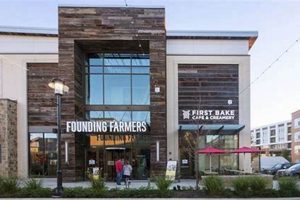
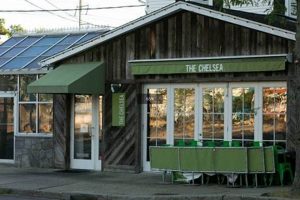
The availability of dining establishments that cater to plant-based diets in Pittsburgh has grown significantly. These restaurants offer menus with clearly marked vegan options or feature entirely plant-based cuisine, ensuring individuals adhering to vegan principles can find suitable meals while dining out.
The increasing prevalence of establishments meeting these dietary needs reflects a broader societal trend towards health-consciousness, environmental awareness, and animal welfare concerns. Historically, vegan options were limited and often required special requests. However, the demand for plant-based choices has prompted many Pittsburgh restaurants to adapt their menus, enhancing the dining experience for vegan patrons and making it easier to maintain a vegan lifestyle.
This article will explore the various types of restaurants offering plant-based options in the city, highlight some popular choices, and provide information for navigating the dining scene for those seeking vegan-friendly fare.
Successfully locating and enjoying plant-based meals requires consideration of several factors. The following tips are designed to aid in navigating the dining landscape.
Tip 1: Utilize Online Resources: Online platforms and apps specializing in restaurant reviews often include filters for dietary restrictions. Employ these filters to narrow down dining options based on plant-based criteria.
Tip 2: Examine Menus in Advance: Prior to visiting a restaurant, consult its online menu. Many establishments now indicate vegan options directly on their menus, simplifying the selection process.
Tip 3: Contact the Restaurant Directly: When uncertainty exists regarding menu offerings, contact the restaurant via phone or email. Inquire about vegan options and potential modifications to existing dishes.
Tip 4: Explore Diverse Cuisines: Certain cuisines, such as Indian, Mediterranean, and Ethiopian, naturally feature a wider array of plant-based dishes. Consider these options when seeking diverse and flavorful vegan meals.
Tip 5: Request Modifications Politely: When a desired dish is not inherently vegan, inquire about the possibility of modifications. For example, ask if dairy-based sauces can be substituted or removed.
Tip 6: Be Aware of Hidden Ingredients: Certain ingredients, such as honey or fish sauce, are not always immediately apparent. Inquire about the presence of such ingredients when ordering.
Tip 7: Support Dedicated Vegan Establishments: Consider patronizing restaurants that are entirely vegan. These establishments offer a wider range of options and eliminate the risk of cross-contamination.
By employing these strategies, individuals can confidently navigate the Pittsburgh dining scene and discover a multitude of satisfying plant-based meals.
The concluding section will summarize available resources and offer further insights into the evolving landscape of plant-based cuisine.
1. Location and Accessibility

The geographic distribution and ease of access to plant-based dining establishments significantly influence the vegan experience in Pittsburgh. Proximity and transportation options are critical factors for individuals seeking to patronize these restaurants regularly.
- Downtown and University Areas
The central business district and areas surrounding universities typically boast a higher concentration of restaurants with clearly marked vegan options. This concentration is driven by foot traffic and a diverse population often seeking plant-based meals. Ease of access via public transportation and pedestrian-friendly infrastructure supports these dining options.
- Neighborhood Restaurants
Restaurants located in residential neighborhoods may offer fewer vegan choices compared to those in central areas. Accessibility relies heavily on personal vehicles or localized bus routes. Awareness of plant-based diets among neighborhood restaurant owners may also be lower, leading to a limited selection.
- Parking Availability
Parking availability directly impacts accessibility. Restaurants in areas with limited or expensive parking may deter individuals from frequenting them, even if plant-based options are available. Free or easily accessible parking enhances the dining experience, encouraging repeat patronage.
- Public Transportation
The city’s public transportation network facilitates access to restaurants located along bus and light rail lines. Individuals relying on public transport can more easily reach dining establishments offering plant-based cuisine, regardless of their immediate location.
The strategic placement of restaurants with well-defined vegan menus, combined with readily available transportation and parking, are essential elements in fostering a thriving plant-based dining scene within Pittsburgh. Addressing accessibility barriers can significantly expand the reach and impact of these establishments.
2. Menu Variety/Options

Menu variety directly determines the attractiveness and viability of dining establishments seeking to cater to vegan diners. The breadth and creativity of available dishes significantly impact a restaurant’s ability to serve this demographic effectively within Pittsburgh.
- Beyond Substitutions: Standalone Vegan Entrees
The mere provision of ingredient substitutions within existing dishes is insufficient for fulfilling the needs of vegan patrons. Standalone vegan entrees demonstrate a restaurant’s commitment to plant-based cuisine, ensuring the availability of complete, thoughtfully designed meals, rather than simply modified versions of meat-centric options. Examples include fully vegan pasta dishes or unique tofu-based preparations.
- Appetizers and Side Dishes
A comprehensive menu extends beyond main courses to include vegan-friendly appetizers and side dishes. This allows for a complete and satisfying dining experience, offering choices beyond a single entree. Examples include plant-based soups, salads without animal-derived dressings, or innovative vegetable preparations.
- Dessert Offerings
Vegan desserts are often overlooked, yet they represent a critical component of a satisfying dining experience. Including plant-based desserts demonstrates attention to detail and provides a complete menu for vegan diners. Examples include fruit-based desserts, vegan cakes, or plant-based ice cream.
- Cuisine Diversity
The availability of plant-based options across a range of cuisines increases the appeal of a restaurant to a broader audience. Offering vegan versions of Italian, Asian, or American dishes demonstrates versatility and caters to diverse palates. Examples include vegan sushi, plant-based pasta dishes, or vegan versions of classic burgers.
The richness and diversity of vegan menu choices are defining factors in the success of dining locations. Establishments demonstrate dedication to serving the plant-based community by offering a complete, interesting, and culturally varied menu, thereby increasing their appeal within Pittsburgh.
3. Ingredient Sourcing

Ingredient sourcing is a critical component of establishments recognized as vegan-friendly. The quality, sustainability, and ethical implications of ingredient procurement directly influence the integrity and appeal of these restaurants to consumers adhering to plant-based diets in Pittsburgh. This relationship is characterized by a direct cause-and-effect dynamic: conscientious sourcing results in a more authentic and ethically sound vegan dining experience, consequently increasing customer satisfaction and loyalty.
One practical application of this understanding can be seen in restaurants that prioritize locally sourced produce. For example, a restaurant partnering with local farms not only ensures fresher, higher-quality ingredients but also supports the local economy and reduces its environmental footprint through decreased transportation needs. This level of transparency and commitment resonates strongly with vegan consumers who often prioritize environmental and ethical considerations alongside dietary requirements. Furthermore, restaurants that explicitly highlight their sourcing practices on their menus demonstrate a commitment to transparency, fostering trust and attracting a wider range of ethically minded diners. Another example can be the case of organic certification. The sourcing of organic ingredients assures the customers that the food are free of pesticides and other chemicals.
In summary, ingredient sourcing represents a cornerstone of what constitutes a legitimately vegan-friendly restaurant within the Pittsburgh culinary scene. The process encompasses not only the absence of animal products but also a conscious evaluation of environmental impact, ethical labor practices, and overall ingredient quality. Challenges may arise in balancing cost considerations with ethical sourcing, but the benefits of establishing transparent and responsible supply chains, in terms of consumer trust and market differentiation, are substantial. These elements ultimately support the long-term sustainability and integrity of vegan-centered food establishments.
4. Cross-contamination prevention

Cross-contamination prevention is a critical operational element within plant-based dining environments. Its effectiveness directly impacts the suitability and trustworthiness of establishments identifying as “vegan friendly restaurants pittsburgh”. The stringent protocols implemented to avoid contact between animal products and plant-based ingredients are paramount.
- Dedicated Equipment and Utensils
The utilization of designated cooking equipment and utensils exclusively for plant-based food preparation is essential. Shared equipment introduces the risk of unintended exposure to animal-derived substances. For instance, a grill used to cook both meat and plant-based burgers, without thorough cleaning, presents an unacceptable risk. Utensils used for stirring dairy-based sauces must be segregated from those used for vegan sauces. This segregation minimizes the possibility of cross-contamination.
- Separate Food Preparation Areas
Establishing physically separate areas for preparing vegan and non-vegan foods is a best practice. This prevents direct contact and airborne contamination. For example, designating distinct sections of a kitchen for vegetable chopping and meat handling effectively minimizes the risk of cross-contamination. Separate preparation surfaces and cutting boards are imperative.
- Staff Training and Awareness
Adequate staff training is crucial for implementing effective cross-contamination prevention measures. Personnel must be thoroughly educated on the principles of veganism, the potential sources of contamination, and the proper protocols for maintaining segregation. Regular training sessions and clear operational guidelines are essential. This is exemplified by staff members accurately identifying ingredients and following strict procedures when preparing vegan dishes.
- Cleaning and Sanitation Procedures
Rigorous cleaning and sanitation protocols are necessary to eliminate residual traces of animal products from surfaces and equipment. Implementing specialized cleaning agents and thorough washing procedures is essential. This is highlighted in the meticulous cleaning of cookware after preparing non-vegan items, ensuring no residue remains that could contaminate subsequent vegan dishes.
The effectiveness of these cross-contamination prevention measures directly influences the credibility of dining establishments claiming to be “vegan friendly restaurants pittsburgh”. Consumers prioritizing plant-based diets rely on restaurants to adhere to stringent protocols. Any lapses in these procedures undermine trust and compromise the dining experience.
5. Price range

Price range is a significant determinant influencing accessibility and patronage of establishments promoting themselves as vegan-friendly within the Pittsburgh area. It is a multifaceted aspect, impacting various segments of the vegan community and shaping the overall landscape of plant-based dining.
- Accessibility for Diverse Income Levels
The price point of vegan options directly dictates their availability to individuals across varying income brackets. If plant-based meals are exclusively offered at high-end establishments, they become inaccessible to those with limited financial resources. The presence of moderately priced or budget-friendly vegan choices expands the reach of plant-based cuisine, making it a viable option for a broader demographic. Examples include casual eateries offering affordable vegan bowls or cafes featuring reasonably priced plant-based sandwiches. This inclusivity ensures that veganism is not perceived as an exclusive lifestyle limited to affluent individuals.
- Ingredient Cost and Menu Pricing
The sourcing of ingredients substantially impacts the ultimate price range of vegan dishes. Restaurants utilizing organic or locally sourced produce may incur higher costs, which are subsequently reflected in their menu pricing. Conversely, establishments relying on conventional or mass-produced ingredients may offer more competitive prices. The trade-off between ingredient quality and affordability is a constant consideration for vegan-friendly restaurants. This is illustrated by the varying price points between a fast-casual vegan burger chain using conventional soy patties and a farm-to-table restaurant offering burgers made with locally sourced, organic ingredients.
- Value Perception and Customer Expectations
The perceived value of a vegan meal significantly influences customer satisfaction and repeat business. Diners assess whether the quality, portion size, and overall dining experience justify the price. Restaurants must strike a balance between pricing their dishes competitively and delivering a product that meets or exceeds customer expectations. For example, a higher-priced vegan entree must offer a unique flavor profile, exceptional presentation, or superior ingredients to warrant the increased cost. Customer reviews often reflect this assessment of value, with comments focusing on the relationship between price and the overall dining experience.
- Competition and Market Positioning
The competitive landscape of the Pittsburgh dining scene influences the pricing strategies of vegan-friendly restaurants. Establishments must consider the prices charged by their competitors while differentiating themselves through unique offerings or specialized services. Restaurants positioning themselves as high-end or upscale may justify higher prices through premium ingredients, sophisticated ambiance, and attentive service. Conversely, casual or budget-friendly eateries may focus on affordability and accessibility to attract a larger customer base. This dynamic is evident in the range of vegan burger prices across different establishments, from fast-casual chains to gourmet burger restaurants.
Ultimately, the price range of vegan-friendly restaurants profoundly shapes their accessibility, target audience, and overall success within the Pittsburgh community. Balancing ingredient costs, value perception, and competitive pressures is essential for creating a sustainable and inclusive plant-based dining ecosystem.
6. Customer reviews
Customer reviews are a crucial component in assessing the veracity and quality of any dining establishment identifying as a “vegan friendly restaurants pittsburgh”. These reviews serve as a direct conduit for conveying diners’ experiences, offering insights into aspects such as menu accuracy, food quality, service attentiveness to dietary needs, and the overall atmosphere. The prevalence of positive reviews centered on authentic plant-based offerings, knowledgeable staff, and diligent cross-contamination protocols strongly correlates with a restaurant’s credible claim as vegan-friendly. Conversely, an abundance of negative reviews citing mislabeled dishes, limited vegan options, or staff unfamiliarity with vegan requirements undermines this claim.
The practical significance of customer reviews extends beyond mere assessments of food quality. For individuals adhering to strict vegan principles, these reviews act as a vetting mechanism, enabling them to discern establishments that genuinely cater to their dietary needs from those that offer superficial or inaccurate information. For example, a review detailing a restaurant’s willingness to customize dishes, its use of dedicated vegan cookware, or the attentiveness of its staff to allergy concerns can be instrumental in a vegan diner’s decision-making process. Platforms like Yelp, Google Reviews, and HappyCow serve as primary repositories for these reviews, allowing prospective diners to gather a comprehensive understanding of the vegan dining landscape in Pittsburgh. Restaurants actively solicit and respond to customer feedback demonstrate a commitment to continuous improvement and a genuine desire to cater to the needs of their vegan clientele.
In conclusion, customer reviews are essential for navigating the vegan dining options in Pittsburgh. They provide valuable, experience-based insights that contribute significantly to informed decision-making. Despite the inherent subjectivity of reviews, consistent patterns regarding the accuracy and quality of vegan offerings can provide a reliable indicator of a restaurant’s adherence to plant-based principles, facilitating a more transparent and trustworthy relationship between establishments and their vegan patrons.
Frequently Asked Questions
The following questions address common inquiries and misconceptions regarding identifying and evaluating establishments offering plant-based options within the Pittsburgh culinary scene.
Question 1: How is “vegan-friendly” defined in the context of Pittsburgh restaurants?
In this context, “vegan-friendly” indicates that an establishment offers clearly designated vegan options on its menu or is willing to modify existing dishes to meet vegan requirements. It does not necessarily imply that the entire restaurant is vegan, but rather that suitable plant-based choices are readily available.
Question 2: What resources are available to locate vegan options in Pittsburgh restaurants?
Online platforms such as HappyCow, Yelp, and Google Maps provide filters for dietary restrictions, including veganism. Additionally, many restaurants in Pittsburgh now display their menus online, allowing individuals to examine available options prior to visiting the establishment.
Question 3: How can potential cross-contamination risks be mitigated at non-vegan restaurants?
Patrons should inquire about the restaurant’s cross-contamination prevention protocols. This includes asking about the use of separate cooking equipment, preparation areas, and utensils for vegan and non-vegan dishes. Direct communication with the restaurant staff is crucial.
Question 4: What is the typical price range for vegan meals in Pittsburgh restaurants?
The price range varies considerably depending on the restaurant type, location, and ingredients used. Budget-friendly options can be found at casual eateries and cafes, while high-end establishments may offer more expensive vegan entrees using premium ingredients. Researching menus in advance is advisable.
Question 5: How important are customer reviews in determining if a restaurant is truly vegan-friendly?
Customer reviews provide valuable insights into the actual dining experience, including the accuracy of menu descriptions, the knowledge of the staff regarding vegan requirements, and the attentiveness to cross-contamination concerns. These reviews serve as a vetting mechanism for discerning genuinely vegan-friendly establishments.
Question 6: Are dedicated vegan restaurants more reliable than restaurants offering vegan options?
Dedicated vegan restaurants typically offer a wider array of plant-based options and eliminate the risk of cross-contamination. However, many non-vegan restaurants in Pittsburgh are increasingly accommodating and provide high-quality vegan meals. Ultimately, the choice depends on individual preferences and priorities.
These FAQs should provide a clearer understanding of navigating the plant-based dining landscape in Pittsburgh.
The concluding section will offer insights and the future of plant-based options.
Conclusion
This article has explored the multifaceted nature of “vegan friendly restaurants pittsburgh,” examining various factors that contribute to the credibility and quality of establishments catering to plant-based diets. Ingredient sourcing, menu diversity, cross-contamination prevention, and customer reviews all play critical roles in shaping the vegan dining experience. The increasing availability and acceptance of plant-based cuisine in the city reflect a broader societal shift towards health-conscious and ethically-minded consumption.
As the demand for vegan options continues to grow, the expectation is that Pittsburgh restaurants will further refine their offerings, emphasizing transparency, sustainability, and culinary innovation. Individuals are encouraged to actively support establishments that genuinely prioritize plant-based principles, thereby fostering a more inclusive and ethically responsible dining landscape. Continued engagement and informed consumer choices are essential to driving positive change within the local food industry.