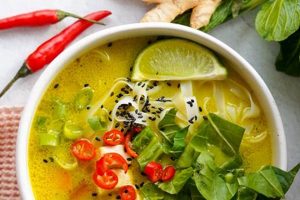
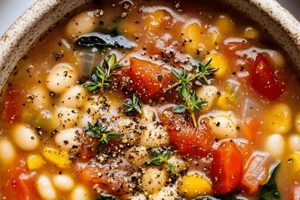
This dish represents a plant-based adaptation of a Southwestern-inspired stew, designed for slow cooker preparation. It typically incorporates a variety of vegetables such as corn, beans, tomatoes, and peppers, seasoned with chili powder, cumin, and other spices to mimic the flavor profile of traditional taco fillings. The slow cooking process allows the flavors to meld, resulting in a hearty and flavorful meal.
Its convenience and adaptability make it a popular choice for individuals seeking easy, healthy, and meat-free meal options. The slow cooker method reduces active cooking time, offering a hands-off approach to meal preparation. The recipe is also conducive to customization, allowing for the addition or substitution of ingredients to accommodate dietary preferences and available resources. The roots of this recipe likely stem from a desire to create comforting, budget-friendly, and accessible vegetarian or vegan meals.
The following sections will elaborate on the specific ingredients, preparation techniques, and variations that contribute to creating a successful and satisfying rendition of this popular slow-cooked meal. Further exploration will detail nutritional considerations and potential modifications to cater to specific dietary needs and preferences.
Preparation Strategies
Optimizing the preparation method is crucial for achieving a desirable outcome. The following strategies enhance the flavor and texture profile, while maintaining convenience.
Tip 1: Saut Aromatics: Prior to adding ingredients to the slow cooker, saut diced onions and minced garlic in a pan. This step unlocks deeper flavor compounds that contribute to the overall richness of the finished product.
Tip 2: Layer Ingredients Strategically: Place denser ingredients, such as beans and root vegetables, at the bottom of the slow cooker. Lighter vegetables, such as leafy greens or delicate peppers, should be added during the final hour of cooking to prevent overcooking.
Tip 3: Utilize Quality Spices: Employ fresh, high-quality spices. Ground spices lose potency over time; thus, replacing them periodically ensures optimal flavor intensity. Consider toasting spices lightly in a dry pan before adding them to the soup.
Tip 4: Employ Broth Judiciously: Add broth gradually, as the vegetables will release liquid during cooking. Too much liquid results in a watery soup; too little can lead to scorching. Monitor liquid levels and adjust accordingly.
Tip 5: Incorporate Smoked Paprika: A small amount of smoked paprika introduces a subtle smokiness that enhances the overall complexity of the flavor profile, mimicking the taste of traditionally smoked meats.
Tip 6: Pre-Soak Dry Beans (If Using): If substituting canned beans with dry beans, pre-soak them overnight. This reduces cooking time and improves digestibility. Ensure the beans are fully cooked before adding them to the slow cooker.
Tip 7: Consider Fire-Roasted Tomatoes: Fire-roasted tomatoes contribute a deeper, richer flavor than standard canned tomatoes. This small substitution significantly enhances the soup’s overall taste.
Adhering to these preparation strategies ensures a flavorful, texturally balanced, and convenient culinary experience. Each step is designed to maximize flavor and minimize potential pitfalls associated with slow cooking.
The subsequent sections will delve into potential variations and serving suggestions to further enhance the versatility of this dish.
1. Bean Variety

The selection of bean varieties exerts a significant influence on the final characteristics of a vegan taco soup prepared in a slow cooker. Bean type impacts both the flavor profile and the texture of the dish, and careful consideration should be given to the properties of each potential ingredient.
- Flavor Contribution
Different beans possess distinct flavor profiles. Black beans offer an earthy, slightly sweet taste, while kidney beans provide a more subtle, neutral flavor. Pinto beans, often found in Southwestern cuisine, contribute a creamy texture and mild, nutty flavor. The choice directly affects the overall taste of the soup, and selecting a bean that complements the desired flavor profile is paramount.
- Textural Impact
The texture of beans varies significantly. Black beans tend to retain their shape during slow cooking, offering a firmer bite. Kidney beans become softer and more yielding. Pinto beans, as mentioned, can create a creamier consistency due to their tendency to break down slightly. The desired texture within the soup should inform the choice of bean, considering the interplay between bean integrity and overall soup consistency.
- Nutritional Profile
While all beans are a good source of plant-based protein and fiber, their specific nutritional profiles differ slightly. Black beans are rich in antioxidants, while kidney beans provide a significant amount of iron. Pinto beans offer a good source of folate. Considering the nutritional goals of the meal can influence the choice of bean variety. The selected bean contributes to the overall nutritional density of the vegan taco soup, aligning with health-conscious dietary objectives.
- Regional Authenticity
Different bean types are traditionally associated with specific regional cuisines. Pinto beans are a staple in Southwestern cooking, making them a common ingredient in taco-inspired dishes. Black beans are more prevalent in Mexican and Caribbean cuisines. The desired regional authenticity can guide the selection of bean variety. Utilizing beans commonly found in traditional taco preparations contributes to an authentic flavor experience.
In summary, the choice of bean variety is not merely a matter of preference but a deliberate decision that shapes the flavor, texture, nutritional content, and overall culinary experience of the resulting vegan taco soup. Thoughtful selection contributes to a well-balanced and satisfying plant-based meal.
2. Spice Optimization
Spice optimization is a critical determinant of flavor complexity and overall success in a slow-cooked, plant-based taco soup. The absence of meat necessitates a greater reliance on spices to provide depth and umami, thereby replicating the savory experience typically associated with traditional taco soup.
- Foundation Spices: Chili Powder and Cumin
Chili powder and cumin constitute the foundational spice base. Chili powder, a blend of ground chilies and other spices, introduces warmth and complexity. Cumin contributes an earthy, slightly bitter note, providing a crucial counterpoint to the sweetness of other ingredients. Their precise ratio determines the soup’s heat level and overall aromatic profile. Imbalances can result in a bland or overly aggressive flavor profile. The skillful application of these spices is paramount to achieving a balanced and flavorful outcome.
- Enhancing Spices: Smoked Paprika and Garlic Powder
Smoked paprika introduces a subtle smokiness that mimics the depth of flavor often imparted by meat. Garlic powder provides a concentrated garlic flavor that permeates the dish, enhancing its savory qualities. Their strategic use elevates the sensory experience, adding layers of complexity that compensate for the lack of animal-derived ingredients. Excessive use, however, can lead to an artificial or overpowering taste. Careful calibration is essential for nuanced flavor enhancement.
- Aromatic Boosters: Onion Powder and Oregano
Onion powder provides a concentrated onion flavor that complements the sweetness of the vegetables. Oregano, a traditional Mexican herb, adds a distinctive aromatic quality. These spices contribute to the overall complexity of the aroma, making the soup more appealing. Overuse can result in a bitter or medicinal taste. Judicious application is crucial for achieving aromatic harmony.
- Heat Control: Cayenne Pepper and Chipotle Powder
Cayenne pepper and chipotle powder offer different approaches to controlling the soup’s heat level. Cayenne pepper provides a direct, sharp heat, while chipotle powder contributes a smoky heat. The selection depends on the desired flavor profile. Incorporating these spices allows for precise customization of the soup’s spiciness. Neglecting to account for individual preferences can result in a dish that is either too mild or overwhelmingly hot.
In conclusion, spice optimization is not merely a matter of adding spices; it is a strategic process of balancing complementary flavors, controlling heat levels, and enhancing aroma to create a complex and satisfying culinary experience within the context of a vegan taco soup. The thoughtful and precise application of these principles allows for a plant-based dish that rivals the flavor complexity of its traditional, meat-based counterpart.
3. Vegetable Texture

Vegetable texture plays a pivotal role in the overall appeal and sensory experience of vegan taco soup prepared in a slow cooker. The extended cooking time inherent in slow cooking necessitates a strategic approach to vegetable preparation and incorporation to prevent undesirable textural outcomes.
- Timing of Addition
The sequence in which vegetables are added to the slow cooker directly impacts their final texture. Vegetables with longer cooking times, such as root vegetables like potatoes or carrots, should be added at the beginning of the cooking process. More delicate vegetables, such as bell peppers or zucchini, should be added later to prevent them from becoming overly soft or mushy. The correct timing of addition is a critical factor in maintaining distinct and desirable textures within the soup.
- Dicing and Cutting Techniques
The size and shape of vegetable pieces influence their cooking rate and final texture. Uniformly diced vegetables cook more evenly, preventing some pieces from being overcooked while others remain undercooked. Larger chunks of firmer vegetables may be preferred to maintain some resistance to the bite, while smaller dices of softer vegetables contribute to the overall consistency of the soup. Selection of appropriate dicing and cutting techniques contributes to a more palatable textural experience.
- Pre-Cooking Considerations
Certain vegetables may benefit from pre-cooking before being added to the slow cooker. Sauting onions and garlic prior to adding them to the soup enhances their flavor and softens their texture. Roasting vegetables like corn or sweet potatoes before adding them introduces a smoky flavor and firmer texture. Pre-cooking options provide additional control over the final textural outcome, allowing for greater customization based on personal preferences.
- Ingredient Selection
The selection of vegetable varieties also influences the textural characteristics of the soup. Some vegetables, like mushrooms, retain their texture relatively well during slow cooking, while others, like spinach, tend to wilt and become less distinct. Choosing vegetables that are known for their ability to withstand prolonged cooking times helps to ensure a more texturally diverse and appealing soup. Careful ingredient selection is a proactive approach to managing vegetable texture.
These facets collectively demonstrate the importance of a deliberate approach to vegetable handling when preparing vegan taco soup in a slow cooker. By considering timing, cutting techniques, pre-cooking options, and ingredient selection, it is possible to achieve a soup with a variety of desirable textures that complement the overall flavor profile, contributing significantly to the enjoyment of the meal.
4. Broth Composition

Broth composition fundamentally influences the flavor profile and nutritional value of vegan taco soup prepared in a slow cooker. Because the soup lacks meat-based ingredients, the broth assumes a primary role in establishing the dish’s savory depth and overall richness. The choice of broth directly impacts the final taste and nutritional content, effectively dictating the success of the plant-based adaptation.
Vegetable broth serves as a common base, offering a light and neutral flavor. Mushroom broth imparts a more robust and umami-rich taste, emulating the savoriness found in traditional meat-based versions. A smoky vegetable broth introduces a deeper, more complex flavor profile, mimicking the taste of smoked meats. Failure to select an appropriate broth results in a bland or incomplete flavor profile, potentially undermining the overall satisfaction of the dish. Experimentation with combinations of vegetable and mushroom broths is encouraged for nuanced flavor development. Seasoning the broth itself with spices such as smoked paprika, cumin, or chili powder enhances the final product.
In summation, careful consideration of broth composition is essential for creating a flavorful and satisfying vegan taco soup in a slow cooker. The broth choice significantly influences the dishs taste and nutritional characteristics. A strategic selection process and careful seasoning of the broth are critical to achieving a successful plant-based meal. It must work toward a broader theme and goal of deliciousness in the finished products to be achieved by Vegan Taco Soup Crock Pot
5. Topping Choices

Topping choices significantly augment the sensory experience of a slow-cooked, plant-based taco soup. These additions extend beyond mere garnish, influencing flavor, texture, and visual appeal.
- Creamy Textural Contrasts
Toppings like avocado, dairy-free sour cream alternatives, or cashew cream contribute a smooth, cooling contrast to the hearty, spiced base. The presence of creamy elements introduces textural diversity, preventing palate fatigue and enhancing the overall mouthfeel. For example, a dollop of avocado provides richness and healthy fats, balancing the acidity of the tomato-based soup. Such creamy components effectively mitigate the intensity of spices, offering a more balanced and satisfying dining experience. This inclusion has to be a part of the Vegan Taco Soup Crock Pot.
- Fresh Herbal Infusion
Fresh herbs such as cilantro, parsley, or green onions impart bright, aromatic notes, elevating the soup’s freshness. These additions provide a counterpoint to the cooked flavors of the soup, contributing a vibrant, herbaceous quality. As an illustration, finely chopped cilantro offers a distinctive, slightly citrusy flavor that complements the Southwestern spice profile. The aromatic compounds released from these herbs stimulate olfactory senses, enhancing the perception of flavor and overall satisfaction. This infusion enriches the experience of Vegan Taco Soup Crock Pot.
- Crunchy Textural Accents
Toppings such as tortilla strips, crushed corn chips, or toasted pumpkin seeds provide a satisfying textural contrast to the soft soup base. The addition of crunchy elements enhances the sensory experience, preventing the soup from becoming monotonous. To illustrate, crispy tortilla strips offer a salty, fried flavor and satisfying crunch that complements the savory soup. The juxtaposition of textures creates a more engaging and enjoyable dining experience. The Vegan Taco Soup Crock Pot would not be complete without it.
- Acidic Flavor Enhancers
Lime wedges or a drizzle of hot sauce introduce acidity, brightness, and heat, respectively, which balance the richness and spice of the soup. Acidic components cut through the richness of the other ingredients, preventing the soup from becoming too heavy. Consider a squeeze of lime juice, which adds a tangy, citrusy note that brightens the flavor profile. These elements awaken the palate and enhance the perception of other flavors in the dish, ensuring a more complete sensory experience. And is part of the Vegan Taco Soup Crock Pot recipe.
These topping choices transcend basic garnishes; they are strategic additions that amplify the flavor, texture, and overall appeal of a slow-cooked, plant-based soup. Thoughtful selection of toppings transforms a simple preparation into a multi-sensory culinary experience. Vegan Taco Soup Crock Pot brings all of the options together to create the perfect experience.
Frequently Asked Questions
This section addresses common inquiries regarding the preparation, modification, and nutritional aspects of plant-based taco soup cooked in a slow cooker.
Question 1: Can dry beans be used instead of canned beans in the recipe?
Yes, dry beans are a suitable substitute. However, pre-soaking is required for at least 8 hours, preferably overnight, to ensure adequate softening. The pre-soaked beans should then be added to the slow cooker at the beginning of the cooking process, allowing ample time for complete cooking.
Question 2: What are suitable substitutions for vegetable broth?
Mushroom broth provides a more savory and umami-rich alternative, enhancing the overall depth of flavor. Alternatively, a diluted vegetable bouillon cube or paste can be used; however, sodium content should be monitored to maintain a healthy nutritional profile.
Question 3: How can the soup’s consistency be adjusted?
To thicken the soup, a cornstarch slurry (cornstarch mixed with cold water) can be added during the final hour of cooking. To thin the soup, additional vegetable broth or water can be incorporated as needed. Gradual adjustments are recommended to avoid over-thinning or over-thickening.
Question 4: What is the optimal cooking time for this recipe?
The optimal cooking time varies depending on the slow cooker model. Generally, 6-8 hours on low heat or 3-4 hours on high heat is sufficient. Bean tenderness and vegetable consistency should be monitored to determine doneness. Overcooking may result in overly soft vegetables.
Question 5: How can spice levels be modified to suit individual preferences?
To increase spice levels, cayenne pepper, chipotle powder, or additional chili powder can be added. To reduce spice levels, the quantities of these ingredients should be decreased or omitted entirely. Dairy-free sour cream or avocado can also be used as toppings to temper the heat.
Question 6: Is this recipe suitable for freezing?
Yes, vegan taco soup prepared in a slow cooker freezes well. Allow the soup to cool completely before transferring it to airtight containers or freezer bags. Properly stored, the soup can be frozen for up to 3 months. Thaw overnight in the refrigerator before reheating.
These FAQs offer guidance for addressing common challenges and optimizing the preparation of plant-based taco soup in a slow cooker. Adhering to these recommendations enhances the likelihood of a successful and enjoyable culinary outcome.
The subsequent section will explore potential recipe variations and ingredient substitutions to cater to specific dietary needs and preferences.
Conclusion
This exploration of vegan taco soup crock pot has detailed essential aspects of its preparation, encompassing ingredient selection, preparation techniques, and customization options. Considerations regarding bean variety, spice optimization, vegetable texture, broth composition, and topping choices have been presented to facilitate informed decision-making.
The information provided serves to equip individuals with the knowledge necessary to create a satisfying and nutritionally sound plant-based meal, adaptable to diverse dietary requirements and flavor preferences. The principles outlined encourage a thoughtful approach to slow-cooked vegan cuisine, fostering culinary creativity and promoting healthful eating habits.