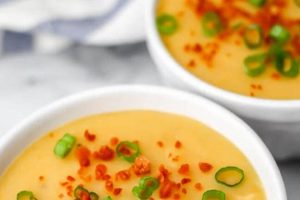
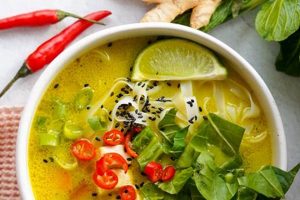
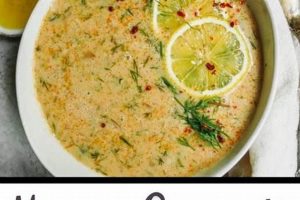
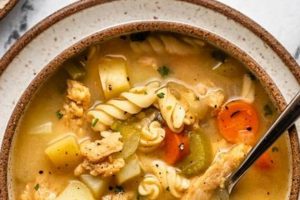
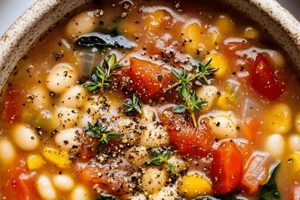
A plant-based variation of a comforting and nourishing dish, this meal eschews all animal products. It typically incorporates rice as its primary grain component, simmered in a vegetable broth. Vegetables, herbs, and spices are added to enhance flavor and nutritional value. Common examples include versions featuring carrots, celery, onions, garlic, ginger, and leafy greens.
The significance of this culinary option lies in its versatility, affordability, and health benefits. It provides a readily accessible source of carbohydrates, vitamins, and minerals, making it suitable for individuals adhering to vegan diets or those seeking a light and easily digestible meal. Historically, simple rice-based soups have been dietary staples in various cultures across the globe, adapted with locally available ingredients. The vegan adaptation aligns with increasing awareness of ethical and environmental considerations related to food consumption.
The following sections will delve into specific recipes, nutritional profiles, ingredient selection, and preparation techniques for creating delicious and wholesome renditions of this plant-based staple. Subsequent discussions will also address potential variations incorporating global flavors and methods for optimizing the meal for different dietary needs and preferences.
Essential Guidance for Preparing Plant-Based Rice Broth
This section provides essential advice to ensure a successful and flavorful outcome when creating this plant-based meal.
Tip 1: Utilize High-Quality Broth: The foundation of the dish relies heavily on the flavor of the broth. Opt for a low-sodium vegetable broth, or prepare a homemade version using vegetable scraps to maximize depth of flavor and control salt content.
Tip 2: Select the Appropriate Rice: Different varieties of rice yield distinct textures and cooking times. Short-grain rice, such as Arborio, will create a creamier consistency due to its higher starch content. Long-grain rice, such as Basmati, will remain more distinct and separate.
Tip 3: Employ Aromatic Vegetables: Sauting aromatic vegetables like onions, garlic, and ginger in a small amount of oil at the beginning of the cooking process releases their flavors and builds a savory base for the broth.
Tip 4: Incorporate Leafy Greens Strategically: Hearty greens such as kale or collard greens can be added earlier in the cooking process, while delicate greens like spinach or chard should be stirred in towards the end to prevent overcooking and maintain their vibrant color and nutritional value.
Tip 5: Adjust Seasoning Gradually: Taste the broth frequently throughout the cooking process and adjust seasoning accordingly. Consider using herbs, spices, soy sauce, or nutritional yeast to enhance the umami and savory notes.
Tip 6: Consider Texture Variations: Incorporating other vegetables like shredded carrots, peas, diced potatoes, or corn can enhance the texture and nutritional profile. Cook times should be adjusted based on the density of the chosen vegetables.
Tip 7: Garnish Appropriately: A final garnish of fresh herbs, a squeeze of lemon juice, or a drizzle of chili oil can elevate the visual appeal and add a burst of fresh flavor to the finished dish.
Mastering these techniques contributes significantly to creating a satisfying and nutritious plant-based meal that caters to a range of dietary needs and preferences.
The following section will offer practical recipes and creative adaptations of the meal, incorporating diverse flavor profiles and ingredients.
1. Broth Quality

Broth quality serves as a foundational element in determining the overall flavor profile, nutritional content, and satisfaction derived from plant-based rice broth. Its selection significantly influences the characteristics of the finished dish.
- Flavor Base and Depth
Broth imparts the primary flavor notes to the soup. High-quality broth, whether commercially prepared or homemade, contributes a depth of flavor that elevates the dish beyond simple boiled rice and vegetables. Low-quality broths or water may result in a bland and unappetizing final product.
- Nutritional Value Enrichment
Well-prepared vegetable broths derived from a variety of vegetables, herbs, and spices can introduce additional vitamins, minerals, and antioxidants into the meal. A nutritionally rich broth transforms the dish from a simple carbohydrate source into a more complete and beneficial dietary option.
- Sodium Content Considerations
Sodium levels in commercially prepared broths can vary significantly. Excessive sodium intake is a concern for some individuals; therefore, selecting low-sodium or unsalted broths is crucial. Homemade broths allow for complete control over sodium content, enabling customization to individual dietary requirements.
- Ingredient Sourcing and Transparency
The quality of ingredients used in broth production, particularly in commercially available options, influences the final product’s overall quality. Transparent sourcing practices and clear labeling of ingredients are desirable for consumers seeking to make informed choices about the origin and potential allergens present in the broth.
The interplay between these facets underscores the importance of thoughtful broth selection. The choice of broth directly shapes the sensory experience, nutritional contributions, and overall healthfulness of this simple meal. Understanding these relationships empowers individuals to create satisfying and beneficial versions of plant-based rice broth.
2. Rice Selection

Rice selection exerts a substantial influence on the texture, flavor, and overall character of plant-based rice broth. The choice is not merely a matter of preference; it fundamentally alters the culinary experience and the suitability of the dish for different purposes. For instance, short-grain rice varieties, such as Arborio, release considerable starch during cooking. This results in a creamier, thicker broth reminiscent of risotto, which may be desirable when seeking a richer, more comforting meal. Conversely, long-grain rice varieties, such as Basmati or Jasmine, maintain their structural integrity and yield a lighter, more distinct texture. This is preferable when aiming for a delicate, clear broth where individual grains remain separate. Consider a scenario where a person recovering from an illness requires an easily digestible meal; a long-grain rice variety would likely be selected for its gentler impact on the digestive system.
Furthermore, the nutritional profile varies among different rice types. Brown rice, a whole grain, offers higher fiber content and a greater array of vitamins and minerals compared to white rice. Incorporating brown rice into the preparation enhances the nutritional density of the broth, making it a more substantive and healthful option. However, brown rice requires a longer cooking time and possesses a chewier texture, which may not be suitable for all palates. Pre-soaking brown rice before cooking can mitigate this, shortening the cooking time and improving digestibility. Black rice, or forbidden rice, offers the highest level of antioxidants among all rice varieties, also contributing a distinctive dark purple color to the broth. For those seeking an antioxidant-rich meal, black rice represents a compelling choice.
In summary, thoughtful rice selection is paramount when preparing this plant-based meal. The choice between short-grain, long-grain, brown, black, or other varieties directly impacts the texture, flavor, nutritional content, and suitability of the broth for various applications. By carefully considering these factors, individuals can create a dish that aligns with their specific dietary needs, flavor preferences, and desired culinary outcomes. A common challenge lies in balancing nutritional benefits with palatability; experimentation and understanding individual preferences are key to optimizing rice selection.
3. Vegetable Diversity
The nutritional value, flavor complexity, and visual appeal of plant-based rice broth are directly proportional to the diversity of vegetables incorporated. Limited vegetable selection yields a nutritionally deficient and potentially bland broth. A strategic inclusion of various vegetables addresses these limitations. For example, carrots and celery provide sweetness and aromatic depth, while leafy greens like spinach and kale contribute essential vitamins and minerals. Mushrooms, in contrast, impart umami notes that enhance the savory profile. The choice of vegetables dictates the overall healthfulness and gustatory experience.
Beyond basic flavor and nutrition, vegetable diversity allows for the creation of unique and regionally inspired variations. A Mediterranean-style broth might feature tomatoes, zucchini, and bell peppers, seasoned with herbs like oregano and basil. An Asian-inspired variation could incorporate bok choy, shiitake mushrooms, and ginger, seasoned with soy sauce and sesame oil. Experimentation with seasonal vegetables also adds variety and allows for the utilization of fresh, locally sourced ingredients. However, careful consideration must be given to cooking times; denser vegetables such as potatoes require longer simmering periods than delicate greens to ensure even cooking and optimal texture.
In summary, vegetable diversity is not merely an aesthetic consideration, but a crucial factor in the nutritional quality, flavor depth, and adaptability of the dish. Understanding the individual contributions of different vegetables allows for the creation of a well-balanced and satisfying plant-based meal. Challenges may arise in sourcing a wide variety of fresh vegetables, particularly in certain geographic locations or during specific seasons. However, careful planning and creative use of available resources can overcome these obstacles, resulting in a vibrant and nutritious vegan rice broth.
4. Seasoning Balance

Seasoning balance represents a critical determinant of palatability in vegan rice soup. The absence of animal-derived flavors necessitates careful calibration of plant-based seasonings to achieve a satisfying and complex taste profile. Insufficient or improperly balanced seasonings result in a bland and unappetizing dish, negating the potential benefits of the constituent ingredients. Real-life examples demonstrate this: a broth relying solely on vegetable stock, devoid of herbs, spices, or umami-enhancing elements, will lack depth and fail to stimulate the palate. Conversely, an overabundance of a single spice, such as turmeric or cumin, can overwhelm the other flavors and render the soup unbalanced. The practical significance lies in understanding how different seasonings interact and complement each other to create a harmonious and appealing final product.
Achieving seasoning balance involves strategic layering of flavors. A foundational element is the use of aromatic vegetables, such as onions, garlic, and ginger, which contribute depth and complexity when sauted at the beginning of the cooking process. Herbs, both fresh and dried, provide nuanced flavors that enhance the overall profile. Examples include thyme, rosemary, and bay leaf for savory notes; cilantro and parsley for freshness; and basil and oregano for Mediterranean-inspired flavors. Spices, such as cumin, coriander, and chili powder, add warmth, earthiness, and heat, respectively. Umami-rich ingredients, such as soy sauce, miso paste, or nutritional yeast, can compensate for the absence of meat-based flavors and add a savory depth that is often lacking in purely vegetable-based dishes. The practical application involves incremental addition and frequent tasting to ensure that no single flavor dominates and that all elements work in concert to create a balanced and cohesive whole.
In conclusion, seasoning balance is not merely a matter of taste; it is an essential component of a successful vegan rice soup. Careful consideration of the interplay between different seasonings, strategic layering of flavors, and frequent tasting throughout the cooking process are crucial for achieving a palatable and satisfying final product. Challenges may arise in identifying and sourcing high-quality seasonings and in understanding individual flavor preferences. However, a commitment to experimentation and a willingness to adjust seasoning levels based on taste will ultimately result in a dish that is both nutritious and flavorful, showcasing the potential of plant-based cuisine. The ability to create a well-seasoned broth elevates this from a simple dish to a flavorful meal.
5. Texture Variation

Texture variation within plant-based rice broth significantly impacts the sensory experience, influencing perceived palatability and satiety. The strategic incorporation of diverse textures elevates the dish from a simple, homogenous liquid to a more complex and satisfying culinary creation.
- Rice Consistency and Type
The type of rice employed directly dictates the inherent texture of the broth. Short-grain rice, such as Arborio, releases starch during cooking, creating a creamy and thickened consistency. This contrasts sharply with long-grain rice, like Basmati, which retains its individual grain structure, resulting in a lighter, more distinct texture. Brown rice, with its bran layer intact, introduces a chewy element not found in refined white rice varieties. The cooking time also plays a critical role, overcooked rice yielding a mushy texture while undercooked rice remains unpleasantly firm. Consider a broth intended for infants or individuals with chewing difficulties; a well-cooked, short-grain rice would be ideal for its soft and easily digestible properties.
- Vegetable Firmness and Preparation
Vegetables contribute a spectrum of textures, ranging from the crispness of raw sprouts to the tenderness of simmered root vegetables. Dicing vegetables into uniform sizes ensures even cooking and consistent texture throughout the broth. Some vegetables, such as carrots and potatoes, retain a degree of firmness even after cooking, while others, like spinach, wilt and soften significantly. The order in which vegetables are added to the broth affects their final texture; heartier vegetables should be added earlier to allow sufficient cooking time, whereas delicate greens should be incorporated towards the end to prevent overcooking and maintain their vibrant color and structural integrity. A well-executed example features firm diced carrots providing a pleasing counterpoint to the soft rice grains and wilted spinach.
- The Role of Add-Ins and Toppings
Incorporating add-ins and toppings offers another avenue for enhancing texture variation. Toasted nuts or seeds provide a crunchy element that contrasts with the softness of the broth. Tofu, whether soft or firm, introduces a protein-rich component with a distinct texture. Crispy fried shallots or garlic offer both flavor and textural contrast. A garnish of fresh herbs, such as cilantro or parsley, adds a refreshing burst of flavor and a subtle textural component. These additions can transform a simple soup into a layered culinary experience, engaging multiple senses and enhancing overall satisfaction. However, one must carefully balance add-ins to enhance, not overwhelm, the core broth.
- Liquid to Solid Ratio and Density
The ratio of liquid to solid ingredients fundamentally determines the overall texture. A higher liquid ratio results in a thinner, more broth-like consistency, whereas a greater proportion of solid ingredients yields a thicker, more stew-like texture. Pureeing a portion of the cooked vegetables can also alter the density of the broth, creating a creamier consistency without the addition of dairy products. An example where this is very effective is creating a smooth and creamy soup where some of the potato is pureed to thicken the soup.
In conclusion, texture variation is a crucial element in crafting a compelling plant-based rice broth. The interplay between rice consistency, vegetable firmness, add-ins, and liquid-to-solid ratios creates a sensory experience that enhances palatability and contributes to overall satisfaction. Careful consideration of these factors allows for the creation of a diverse range of broth variations, catering to individual preferences and dietary needs. The integration of contrasting textures results in a more engaging and rewarding culinary experience, transforming a simple dish into a memorable meal.
6. Cooking Time

Cooking time is a critical parameter in the preparation of vegan rice soup, directly influencing the texture of the rice and vegetables, the overall flavor profile, and the nutritional value of the finished product. Inadequate cooking results in undercooked rice and vegetables, rendering the soup unpalatable and potentially difficult to digest. Excessive cooking leads to mushy rice, overcooked vegetables, and a diminished nutritional content due to the degradation of heat-sensitive vitamins. The optimal cooking time is therefore a crucial factor in achieving a balanced and satisfying outcome. The impact of cooking time is most evident in the rice: undercooked grains remain hard and starchy, while overcooked grains become swollen and disintegrate, releasing excessive starch into the broth. Similarly, vegetables require precise timing; root vegetables like carrots and potatoes need longer cooking times to become tender, while leafy greens require only brief exposure to heat to retain their color and nutrients.
The specific cooking time required varies depending on several factors, including the type of rice used, the size and density of the vegetables, and the desired consistency of the soup. Brown rice, for example, requires a significantly longer cooking time than white rice due to its intact bran layer. Densely packed vegetables, such as squash or sweet potatoes, also require longer cooking times compared to leafy greens or delicate vegetables like zucchini. Furthermore, the desired consistency of the soup influences the total cooking time; a creamy, thickened soup may require longer simmering to allow the rice to release more starch, while a clear, broth-like soup benefits from shorter cooking times to prevent excessive starch release. A practical example: a recipe calling for long-grain white rice, diced carrots, and spinach will require approximately 20-25 minutes of simmering, while a recipe using brown rice, diced sweet potatoes, and kale may require 40-45 minutes. Careful monitoring and tasting are essential to determine when the rice and vegetables have reached the desired level of tenderness.
In conclusion, cooking time is not merely a procedural detail but a critical element that determines the quality and appeal of vegan rice soup. Factors such as rice type, vegetable density, and desired consistency all influence the optimal cooking time. Challenges may arise in accurately assessing the doneness of ingredients, particularly for novice cooks. However, with practice and attention to detail, it is possible to master the art of timing and consistently produce a vegan rice soup that is both delicious and nutritious. The understanding and careful management of cooking time transforms a potentially bland dish into a savory and nourishing meal, highlighting the importance of culinary precision in plant-based cooking. Achieving this balance elevates the recipe and its consumption experience.
7. Nutritional Value

The nutritional value of vegan rice soup is fundamentally linked to its constituent ingredients, representing a key factor in its appeal as a healthful and balanced meal. The absence of animal products necessitates a reliance on plant-based sources to provide essential nutrients. The overall nutritional profile is directly determined by the variety and quality of the vegetables, grains, legumes, and other ingredients incorporated into the recipe. For example, a vegan rice soup featuring brown rice, lentils, and a diverse array of vegetables like spinach, carrots, and tomatoes will offer a significantly higher concentration of fiber, vitamins, and minerals compared to a soup made solely with white rice and minimal vegetable content. The practical significance of understanding this connection lies in the ability to consciously design recipes that maximize nutrient density and cater to specific dietary needs.
Optimizing the nutritional value involves strategic ingredient selection and preparation methods. Legumes, such as lentils and beans, contribute substantial protein and fiber, while whole grains, like brown rice and quinoa, provide complex carbohydrates and essential minerals. Vegetables offer a broad spectrum of vitamins, minerals, and antioxidants. Cooking methods can also influence nutrient retention; steaming or lightly sauting vegetables preserves more vitamins than prolonged boiling. Furthermore, the addition of nutrient-dense ingredients like nutritional yeast (for vitamin B12), nuts and seeds (for healthy fats and minerals), and fortified plant-based milks (for calcium and vitamin D) can enhance the overall nutritional profile. A concrete example includes fortifying a simple rice soup with nutritional yeast and chopped walnuts to augment its vitamin B12 and omega-3 fatty acid content, respectively.
In conclusion, the nutritional value of vegan rice soup is not an inherent characteristic but rather a direct consequence of intentional ingredient choices and preparation techniques. While vegan rice soup offers a versatile and accessible platform for incorporating a wide range of plant-based nutrients, challenges may arise in ensuring adequate intake of certain micronutrients, such as vitamin B12 and iron. However, with careful planning and a focus on nutrient-rich ingredients, vegan rice soup can serve as a valuable component of a well-balanced and healthful plant-based diet. A thorough understanding of these principles allows for the creation of customized soups that meet individual nutritional requirements and preferences, ultimately contributing to improved health and well-being.
Frequently Asked Questions about Vegan Rice Soup
This section addresses common inquiries and clarifies misconceptions surrounding vegan rice soup, providing factual information to enhance understanding.
Question 1: What are the primary benefits of consuming vegan rice soup?
Vegan rice soup offers a readily digestible and customizable source of carbohydrates, vitamins, and minerals. It is a suitable option for individuals adhering to vegan diets, those seeking a light meal, or those with dietary restrictions prohibiting animal products. The specific benefits vary depending on the ingredients utilized, but generally include increased fiber intake from vegetables and whole grains, and a source of essential vitamins and minerals.
Question 2: Can vegan rice soup provide adequate protein for a balanced diet?
While rice itself is not a complete protein source, vegan rice soup can be supplemented with plant-based protein sources such as lentils, beans, tofu, or edamame. The addition of these ingredients significantly increases the protein content, making the soup a more substantial and balanced meal. Combining rice with legumes ensures the intake of all essential amino acids.
Question 3: How does the flavor profile of vegan rice soup compare to traditional rice soups that contain animal products?
Vegan rice soup relies on the strategic use of herbs, spices, and umami-rich ingredients to achieve a savory and flavorful profile. Ingredients like nutritional yeast, soy sauce, miso paste, or roasted vegetables can enhance the depth of flavor and compensate for the absence of meat-based flavors found in traditional rice soups. Flavor profiles are highly customizable based on chosen ingredients and seasoning.
Question 4: What are some common mistakes to avoid when preparing vegan rice soup?
Common mistakes include using low-quality or heavily salted broth, overcooking the rice, under-seasoning the soup, and failing to incorporate a variety of vegetables. Utilizing proper cooking techniques, selecting high-quality ingredients, and carefully adjusting seasoning levels are crucial for achieving a successful outcome.
Question 5: How can vegan rice soup be adapted to meet specific dietary needs, such as gluten-free or low-sodium diets?
Vegan rice soup is inherently gluten-free if prepared with rice and gluten-free broth and ingredients. To create a low-sodium version, select low-sodium broth or prepare a homemade broth without added salt. Ingredient substitutions can further tailor the soup to specific dietary requirements; for instance, using quinoa instead of rice for a higher protein content or incorporating specific vegetables to address vitamin deficiencies.
Question 6: Is vegan rice soup a cost-effective meal option?
Yes, vegan rice soup is generally a cost-effective meal option, particularly when prepared with budget-friendly ingredients such as rice, lentils, and seasonal vegetables. Preparing the broth from vegetable scraps further reduces costs. The soup can be made in large batches and stored for later consumption, making it a practical and economical choice.
In summary, vegan rice soup provides a versatile and nutritious meal option suitable for various dietary needs and preferences. The keys to a successful dish lie in thoughtful ingredient selection, careful seasoning, and proper cooking techniques.
The following section will explore advanced techniques and creative variations to further enhance the versatility and appeal of the dish.
In Conclusion
This exploration has illuminated the multifaceted aspects of this dish, from foundational elements like broth quality and rice selection to crucial considerations such as seasoning balance and texture variation. The nutritional value hinges on thoughtful ingredient choices, while optimal cooking time ensures palatability and digestibility. The flexibility of this soup allows for countless variations and adaptations to meet diverse dietary needs and preferences.
The preparation and consumption of plant-based rice soup represents a conscious decision aligned with health, ethical, and environmental considerations. Further research and culinary experimentation are encouraged to unlock its full potential as a staple in a sustainable and nutritious diet. Its accessibility and adaptability position it as a significant contribution to global culinary practices.