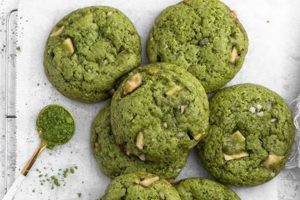
Plant-based baked goods created specifically for Valentine’s Day offer an alternative to traditional recipes. These treats exclude all animal products, such as dairy, eggs, and honey, relying instead on ingredients like plant-based butter substitutes, flaxseed meal, and maple syrup. Examples include heart-shaped sugar cookies decorated with vegan icing, chocolate chip cookies using dairy-free chocolate, or red velvet cookies colored with beet juice.
The significance of these plant-based options lies in their inclusivity, allowing individuals with dietary restrictions or ethical preferences to participate fully in Valentine’s Day celebrations. These treats provide a way to express affection while adhering to a vegan lifestyle. Historically, baked goods have been a customary gift for Valentine’s Day, and adapting recipes to meet evolving dietary needs ensures this tradition remains accessible to everyone.
Exploring available recipes, ingredient substitutions, and decorating techniques can provide the knowledge necessary to create delicious and ethically conscious Valentine’s Day baked goods. This understanding empowers individuals to craft thoughtful gifts that align with their values and cater to the preferences of loved ones.
Vegan Valentine’s Day Cookies
Producing successful plant-based Valentine’s Day cookies requires careful attention to ingredient selection and baking techniques. The following tips address common challenges and offer guidance for optimal results.
Tip 1: Ingredient Selection is Critical. Opt for high-quality vegan butter alternatives that closely mimic the properties of dairy butter. Select a plant-based milk that complements the intended flavor profile of the cookies, such as almond milk for subtle sweetness or oat milk for a richer texture.
Tip 2: Master Egg Replacements. Flaxseed meal or chia seed gel effectively binds ingredients and adds moisture. Prepare by mixing one tablespoon of flaxseed meal or chia seeds with three tablespoons of water; allow it to sit for approximately five minutes until it thickens into a gel. The amount of egg replacement may vary based on recipe.
Tip 3: Dairy-Free Chocolate Alternatives. Ensure that the selected chocolate chips, chunks, or cocoa powder are explicitly labeled as vegan. Many dark chocolate products are naturally free of dairy, but it is imperative to verify ingredient lists.
Tip 4: Sugar Selection Matters. Granulated sugar can sometimes be processed using bone char. Choose certified vegan sugar or alternatives like coconut sugar or organic cane sugar to guarantee compliance with vegan standards.
Tip 5: Dough Consistency is Key. Vegan cookie doughs may require slight adjustments to hydration levels compared to traditional recipes. If the dough appears too dry, gradually incorporate additional plant-based milk, one teaspoon at a time, until the desired consistency is achieved.
Tip 6: Baking Time and Temperature Monitoring. Vegan cookies can brown more quickly due to the lack of dairy fats. Closely monitor the cookies during baking and reduce the oven temperature by 25 degrees Fahrenheit if necessary to prevent over-browning.
Tip 7: Cooling is Essential. Allow the cookies to cool completely on the baking sheet before transferring them to a wire rack. Vegan cookies tend to be more delicate when warm and are prone to crumbling.
Understanding the nuances of plant-based baking will enhance the final product. By implementing these strategies, individuals can create treats that are both delicious and ethically sound. This attention to detail ensures successful execution.
These guidelines provide a foundation for successfully navigating plant-based baking. By paying close attention to detail, a positive outcome can be achieved.
1. Ingredient substitutions

Ingredient substitutions are fundamental to the production of plant-based Valentine’s Day cookies, representing the core mechanism through which traditional recipes are rendered suitable for a vegan diet. The removal of animal-derived productsdairy, eggs, honeynecessitates the incorporation of plant-based alternatives with comparable functional properties. Without appropriate substitutions, the structural integrity, flavor profile, and overall palatability of the final product would be compromised. For instance, replacing butter with vegan butter or coconut oil influences the cookie’s spread and texture, while using flaxseed meal or applesauce in place of eggs affects binding and moisture content. Successful ingredient swaps dictate the viability of plant-based Valentine’s Day cookies as a consumable item.
Real-world applications demonstrate the criticality of informed substitution. A baker using aquafaba (chickpea brine) as an egg white replacement in a vegan meringue topping alters the final texture, resulting in a lighter product compared to traditional recipes. Employing plant-based milk, such as almond or soy, in place of cow’s milk influences the cookie’s moisture content and density. Substituting honey with maple syrup or agave nectar introduces distinctive sweetness profiles. Therefore, the selection and proportional adjustment of each substitution directly affects the sensory attributes of the resulting vegan Valentine’s Day cookie.
In summary, ingredient substitution is not merely a component of producing plant-based Valentine’s Day cookies; it constitutes the defining characteristic. The judicious and informed replacement of animal-derived ingredients with plant-based alternatives directly influences the taste, texture, and overall quality of the baked goods. Challenges arise in accurately replicating the functional properties of traditional ingredients, requiring experimentation and careful consideration of the resulting product. This understanding allows for the creation of plant-based Valentine’s Day cookies that are both palatable and ethically aligned.
2. Texture variations
Texture variations in plant-based Valentine’s Day cookies represent a significant departure from traditional recipes due to the absence of animal fats and proteins. This necessitates careful manipulation of plant-based ingredients to achieve desired textural outcomes. The absence of butter, for example, influences the spread and crispness of the cookie, while the substitution of eggs with binding agents alters the chewiness and crumb structure. The interplay of ingredients significantly impacts the final mouthfeel and overall eating experience.
Achieving diverse textures in these baked goods necessitates strategic ingredient selection and baking techniques. For instance, using different types of plant-based fats (coconut oil vs. vegan butter) results in discernible differences in cookie spread and chewiness. The addition of ingredients like applesauce or mashed banana provides moisture and softness, while incorporating nut flours yields a denser, more crumbly texture. Over-baking or under-baking further influence the final textural characteristics. Therefore, a deep understanding of how plant-based ingredients interact is crucial for controlling texture outcomes.
Understanding the relationship between ingredients and textural outcomes enables bakers to create a spectrum of plant-based Valentine’s Day cookies, ranging from crisp and delicate to soft and chewy. The challenges lie in precisely replicating the textures familiar in traditional recipes, often requiring experimentation and iterative adjustments. Mastering this skill transforms the creation of these treats into a deliberate and controlled process, leading to diverse and satisfying plant-based offerings that appeal to a broader audience.
3. Flavor balancing
Flavor balancing is a critical aspect of creating successful plant-based Valentine’s Day cookies. The absence of traditional ingredients, such as butter, eggs, and dairy, necessitates a strategic approach to ensure a harmonious and satisfying taste profile. Plant-based ingredients often possess distinct inherent flavors that require careful consideration and complementary additions to achieve a balanced final product.
- Sweetness Modulation
Refined sugar alternatives, like maple syrup or agave, impart unique flavor notes beyond mere sweetness. Maple syrup can contribute a caramel-like undertone, while agave offers a more neutral profile. The intensity and character of these sweeteners must be carefully calibrated to prevent overpowering other delicate flavors. An overabundance of maple syrup, for instance, might mask the subtle nuances of vanilla or almond extract, disrupting the intended balance.
- Fat Profile Harmonization
Replacing butter with plant-based fats, such as coconut oil or vegan butter alternatives, significantly alters the fat profile and, consequently, the perceived richness and mouthfeel. Coconut oil imparts a distinct coconut flavor that may not complement all flavor combinations. Vegan butter alternatives, while designed to mimic dairy butter, often lack the same depth of flavor. Achieving flavor balance requires introducing complementary flavors, such as chocolate or nuts, to enhance the overall richness and mask any undesirable aftertastes.
- Acidic Counterpoint
Plant-based baking can sometimes result in a perceived flatness or lack of complexity. Introducing an acidic component, such as lemon zest or a touch of apple cider vinegar, can elevate the flavor profile and create a more dynamic taste experience. The acid counteracts excessive sweetness and balances the richness of the fats, preventing the cookie from becoming cloying.
- Spice Integration
Spices, such as cinnamon, nutmeg, or cardamom, can add warmth and depth to plant-based Valentine’s Day cookies. The strategic use of spices can mask any lingering off-flavors from plant-based ingredients and enhance the overall complexity. For example, a pinch of cardamom can elevate the flavor of a vegan sugar cookie, while cinnamon complements the sweetness of maple syrup in a gingersnap cookie. The key is to use spices judiciously, ensuring they complement rather than overpower the other flavors.
The art of flavor balancing is essential for crafting plant-based Valentine’s Day cookies that are both delicious and satisfying. A thorough understanding of the inherent flavors of plant-based ingredients and the strategic use of complementary components are crucial for achieving a harmonious taste profile. Careful attention to sweetness modulation, fat profile harmonization, acidic counterpoint, and spice integration allows bakers to create plant-based treats that rival their traditional counterparts in flavor and complexity.
4. Ethical sourcing

Ethical sourcing, in the context of plant-based Valentine’s Day cookies, represents a commitment to procuring ingredients that are produced and distributed in a manner that minimizes harm to people, animals, and the environment. It extends beyond mere compliance with legal standards to encompass a broader set of values related to fairness, sustainability, and transparency throughout the supply chain. The principles of ethical sourcing are particularly relevant to vegan baking, aligning with the core tenets of veganism, which emphasize compassion and non-exploitation.
- Fair Labor Practices
Ensuring fair wages, safe working conditions, and the absence of child labor in the production of ingredients like cocoa, sugar, and vanilla is a crucial aspect of ethical sourcing. Many cocoa farms, for example, are located in regions where child labor is prevalent. Selecting certified fair-trade cocoa or directly sourcing from cooperatives committed to ethical labor practices can mitigate this risk. Similarly, the production of sugar, particularly cane sugar, can involve exploitative labor practices. Opting for organic or fair-trade sugar ensures that workers receive fair compensation and are protected from hazardous working conditions.
- Sustainable Agriculture
Sustainable agricultural practices minimize environmental impact and promote long-term ecological health. This includes reducing pesticide use, conserving water resources, and promoting biodiversity. Ingredients like almonds, for instance, are often grown in regions facing water scarcity. Choosing almonds from farms that employ water-efficient irrigation techniques or sourcing from regions with more abundant water resources can contribute to sustainable agriculture. Similarly, the cultivation of palm oil, a common ingredient in vegan butter alternatives, has been linked to deforestation and habitat loss. Selecting sustainably sourced palm oil or opting for palm-oil-free alternatives supports environmentally responsible practices.
- Animal Welfare
While plant-based cookies inherently exclude animal products, ethical sourcing extends to the welfare of animals involved in the production of associated ingredients. For example, some vegan sugar refining processes may utilize bone char, an animal-derived product, for decolorization. Choosing sugar that is explicitly labeled as vegan or opting for alternative sweeteners avoids indirect animal exploitation. Additionally, ensuring that packaging materials are sourced responsibly and minimize harm to wildlife aligns with a broader commitment to animal welfare.
- Transparency and Traceability
Transparency and traceability throughout the supply chain are essential for verifying ethical sourcing claims. This involves knowing the origin of ingredients, the production methods employed, and the labor practices involved. Certifications like Fair Trade, Rainforest Alliance, and Certified B Corporation provide third-party verification of ethical sourcing standards. Consumers can actively support ethical sourcing by purchasing products with these certifications and by engaging with companies that prioritize transparency and traceability in their supply chains.
The application of ethical sourcing principles to plant-based Valentine’s Day cookies offers a tangible way to align consumer choices with values of fairness, sustainability, and compassion. By consciously selecting ethically sourced ingredients, individuals can contribute to a more just and sustainable food system while creating plant-based treats that are both delicious and ethically sound. The increased availability of certified ethically sourced ingredients empowers consumers to make informed decisions and support companies committed to responsible practices.
5. Decoration techniques

Decoration techniques are integral to the aesthetic appeal and personalization of plant-based Valentine’s Day cookies. The visual presentation significantly influences the perceived value and emotional impact of these treats, enhancing their suitability as gifts or celebratory items. Specific methodologies and plant-derived materials are essential to achieving visually appealing results that align with vegan principles.
- Vegan Icing Preparation
Traditional icing relies heavily on egg whites or dairy fats for structure and consistency. Plant-based alternatives involve substituting these with ingredients such as aquafaba (chickpea brine) or vegetable shortening. Aquafaba, when whipped, mimics the properties of egg whites, creating a meringue-like base for royal icing suitable for detailed decorations. Vegetable shortening, combined with powdered sugar and plant-based milk, forms a simpler glaze. Food coloring derived from plant sources, such as beet juice for red or spinach powder for green, ensures the icing remains compliant with vegan dietary guidelines. The successful application of these techniques requires precise measurements and temperature control to achieve the desired consistency and stability of the icing.
- Natural Food Coloring Application
Synthetic food colorings are often avoided in vegan baking due to potential animal testing or the use of animal-derived carriers. Natural food colorings, extracted from fruits, vegetables, and spices, provide a viable alternative. Beetroot powder yields shades of pink and red, turmeric imparts a yellow hue, and spirulina provides a blue or green tint. These natural colorings can be incorporated directly into the cookie dough or used to tint vegan icing. However, their color intensity is typically less pronounced than synthetic dyes, requiring a higher concentration to achieve similar results. Furthermore, some natural colorings can affect the flavor of the cookies, necessitating careful consideration of flavor pairings. For example, using too much beetroot powder can impart an earthy taste that might not be desirable in all cookie recipes.
- Piping and Detailing
Piping bags and tips are standard tools for creating intricate designs on cookies. Vegan icing, prepared with aquafaba or vegetable shortening, can be used to outline shapes, add details, and create decorative patterns. The consistency of the icing is critical for successful piping. If the icing is too thin, it will spread and lose definition; if it is too thick, it will be difficult to extrude from the piping bag. Practice and precision are essential for mastering piping techniques. Common designs for Valentine’s Day include hearts, flowers, and personalized messages. The addition of edible glitter, made from plant-based materials, can enhance the visual appeal of the decorated cookies.
- Edible Decorations and Accents
Various edible decorations can further enhance the visual appeal of plant-based Valentine’s Day cookies. Vegan sprinkles, made without confectioner’s glaze (which contains shellac, an insect-derived resin), are widely available. Candied flowers, prepared by coating edible flowers with sugar and allowing them to crystallize, add an elegant touch. Chopped nuts, dried fruits, and dairy-free chocolate shavings can also be used to create textural and visual interest. When selecting edible decorations, it is essential to verify that all ingredients are vegan-friendly, paying close attention to potential hidden animal products in the ingredients list.
These decoration techniques, when skillfully applied, transform plant-based Valentine’s Day cookies from simple baked goods into visually appealing expressions of affection. The utilization of plant-derived materials and careful attention to detail ensures that the final product aligns with both vegan ethical standards and aesthetic preferences. The versatility of these techniques allows for a wide range of creative possibilities, enabling individuals to personalize their treats and create memorable Valentine’s Day gifts.
6. Presentation styles

Presentation styles exert a significant influence on the perceived value and appeal of plant-based Valentine’s Day cookies. The visual arrangement and packaging create an immediate impression, shaping the recipient’s anticipation and overall experience. A well-executed presentation elevates the cookies from simple baked goods to thoughtfully crafted gifts, enhancing their emotional resonance and signifying care and attention to detail. Conversely, a poorly executed presentation can diminish the perceived quality, regardless of the cookies’ taste or ingredients. For example, cookies haphazardly placed in a generic container may convey a lack of effort, while cookies arranged artfully in a decorative box suggest a higher level of consideration. The choice of packaging materials, arrangement, and accompanying elements all contribute to the overall impression and influence how the cookies are received.
Specific presentation techniques contribute to the overall impact. Individual wrapping of each cookie in cellophane bags maintains freshness and allows for the addition of decorative ribbons or personalized tags. Arranging cookies in tiers within a decorative box lined with tissue paper creates a visually appealing display. Incorporating elements such as dried flowers, handwritten cards, or small, complementary gifts (e.g., vegan chocolate or tea) further enhances the presentation and adds a personal touch. Furthermore, the choice of color palette and design elements can reinforce the Valentine’s Day theme. For example, using heart-shaped containers, pink and red ribbons, or floral patterns creates a cohesive and festive presentation. The presentation style also communicates information about the product. Clear labeling indicating the cookies are vegan can cater to specific dietary requirements and preferences.
In summary, the presentation style of plant-based Valentine’s Day cookies is a crucial factor in determining their overall success as gifts or celebratory items. It is not merely an aesthetic consideration but a strategic element that influences perception, enhances emotional impact, and communicates key information about the product. Challenges arise in selecting presentation materials that align with vegan principles and minimize environmental impact. However, thoughtful planning and attention to detail can result in presentations that are both visually appealing and ethically consistent. By recognizing the importance of presentation styles, bakers and gift-givers can elevate their plant-based Valentine’s Day cookies to a level that reflects care, creativity, and a commitment to ethical consumption.
7. Recipe adaptation
Recipe adaptation is a core process in the creation of plant-based Valentine’s Day cookies. Traditional recipes frequently rely on animal-derived ingredients, rendering them unsuitable for individuals adhering to a vegan lifestyle. This necessitates modification to ensure compliance with dietary restrictions while maintaining the desired flavor and texture. The success of plant-based baking hinges on the accurate and effective substitution of ingredients, adjusting methodologies to account for variations in composition and performance.
The importance of recipe adaptation can be illustrated through specific examples. A traditional sugar cookie recipe incorporating butter for richness and eggs for binding requires substantial modification. Vegan butter alternatives, possessing varying fat contents and melting points, affect the cookie’s spread and crispness. Egg replacements, such as flaxseed meal or applesauce, provide binding properties but also introduce moisture, potentially altering the dough’s consistency. A failure to adapt baking times and temperatures to accommodate these substitutions can result in under-baked or overly dry cookies. Similarly, adapting chocolate chip cookie recipes necessitates sourcing dairy-free chocolate, and potentially adjusting the sugar content to compensate for differences in sweetness levels. The practical significance of understanding these adaptations lies in the ability to create plant-based treats that are indistinguishable in taste and texture from their conventional counterparts, expanding accessibility and inclusivity during Valentine’s Day celebrations.
In conclusion, recipe adaptation is not merely a superficial alteration but a fundamental aspect of plant-based Valentine’s Day cookie creation. It requires a nuanced understanding of ingredient properties, their interactions, and their impact on the final product. While challenges exist in replicating the precise characteristics of animal-derived components, mastering adaptation techniques ensures that vegan individuals can participate fully in Valentine’s Day traditions and enjoy delicious, ethically sourced treats.
Frequently Asked Questions
The following addresses common inquiries surrounding the preparation, ingredients, and overall characteristics of Valentine’s Day cookies adhering to vegan dietary guidelines.
Question 1: Are plant-based Valentine’s Day cookies inherently less flavorful than traditional varieties?
The flavor profile of plant-based baked goods is not intrinsically inferior. Flavor is determined by ingredient quality and the skill of the baker in balancing sweet, savory, and aromatic elements. Plant-based recipes necessitate strategic substitution and enhancement techniques to achieve comparable taste experiences.
Question 2: What are the most common challenges encountered when baking plant-based Valentine’s Day cookies, and how can these be overcome?
Challenges typically involve replicating the textural properties of butter and eggs. These can be mitigated by employing specific ingredient replacements, such as vegan butter alternatives and flaxseed meal, respectively, and by carefully adjusting baking times and temperatures.
Question 3: Can plant-based Valentine’s Day cookies accommodate other dietary restrictions, such as gluten intolerance?
Yes, plant-based recipes can be adapted to address multiple dietary restrictions. Gluten-free flour blends can be substituted for wheat flour, and nut-free alternatives can replace common allergens like almonds or walnuts, provided appropriate considerations are made to maintain structural integrity.
Question 4: Is it more expensive to bake plant-based Valentine’s Day cookies compared to traditional recipes?
The cost can vary depending on ingredient choices. Specialty vegan ingredients, such as certain butter substitutes or plant-based chocolates, may be more expensive than their traditional counterparts. However, cost-effective alternatives exist, and bulk purchasing can reduce expenses.
Question 5: How does one ensure the ethical sourcing of ingredients used in plant-based Valentine’s Day cookies?
Ethical sourcing requires diligent research and conscious purchasing decisions. Seeking out certifications such as Fair Trade, Rainforest Alliance, or B Corp, and prioritizing brands committed to transparent and sustainable practices supports ethical sourcing.
Question 6: What is the recommended storage method for plant-based Valentine’s Day cookies to maintain freshness and prevent spoilage?
Cookies should be stored in airtight containers at room temperature or in the refrigerator, depending on the specific recipe and ingredients. Some plant-based ingredients may be more susceptible to moisture absorption, necessitating refrigeration to prolong shelf life.
Plant-based Valentine’s Day cookies offer an inclusive and ethically conscious alternative to traditional recipes. Careful ingredient selection, skilled baking techniques, and adherence to ethical sourcing principles ensure a delicious and satisfying experience.
Moving forward, consider exploring specific recipes and variations to refine plant-based baking skills and create unique Valentine’s Day treats.
Conclusion
This exploration has detailed the multifaceted nature of plant-based Valentine’s Day baked goods, addressing ingredient substitutions, texture variations, flavor balancing, ethical sourcing considerations, decorative techniques, presentation styles, and recipe adaptation. Each aspect is crucial to the successful creation of these treats that align with vegan principles.
The continued development and refinement of techniques associated with plant-based baking are essential to expanding dietary inclusivity. By embracing informed ingredient choices and mastering adaptation methodologies, individuals can ensure that all members of society, regardless of dietary restriction, may participate fully in celebratory occasions.