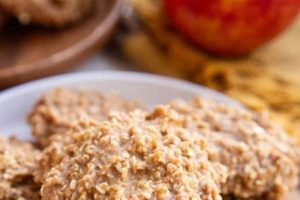
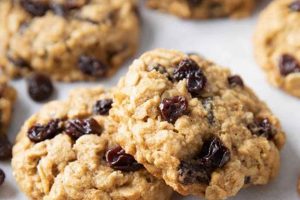
Confections, crafted without animal-derived ingredients for Valentine’s Day, offer an inclusive approach to traditional holiday treats. These baked goods typically substitute butter with plant-based alternatives like vegan margarine or coconut oil and replace eggs with flaxseed meal or applesauce. Examples include heart-shaped sugar cookies decorated with vegan icing and chocolate chip cookies using dairy-free chocolate.
The rising popularity of these treats reflects a growing awareness of ethical and environmental concerns associated with animal agriculture. Their consumption allows individuals adhering to vegan lifestyles to fully participate in Valentine’s Day festivities. Historically, homemade cookies have been a symbol of affection; the vegan adaptation expands accessibility to this expression of care.
Further discussion will explore specific recipes, decorating techniques using plant-based ingredients, and options for purchasing pre-made versions from bakeries and online retailers. Considerations for nutritional content and allergy awareness will also be addressed.
Essential Guidance for Crafting Vegan Valentine’s Day Confections
The following recommendations offer insight into producing high-quality, plant-based baked goods suitable for Valentine’s Day celebrations. Attention to ingredient selection and preparation methods is crucial for optimal results.
Tip 1: Ingredient Substitution Accuracy: Precise measurement of replacement ingredients, such as flaxseed meal for eggs or plant-based butter for dairy butter, is vital. Over- or under-substitution can significantly alter the cookie’s texture and structure. Consult reliable vegan baking guides for conversion ratios.
Tip 2: Flour Selection Impacts Outcome: Different flours yield varied textures. All-purpose flour provides a standard result, while gluten-free blends may require adjustments to binding agents. Experimentation with flour combinations can enhance the cookie’s desired characteristics.
Tip 3: Temperature Control During Baking: Monitor oven temperature with an external thermometer. Variations in oven calibration can lead to uneven baking. Rotate the baking sheet halfway through the baking process to ensure uniform browning.
Tip 4: Vegan Chocolate Selection: Not all chocolate is vegan. Verify the ingredients list to confirm the absence of dairy products. Dark chocolate with a high cocoa percentage is often a reliable choice. Ensure the chocolate is tempered correctly for optimal shine and snap.
Tip 5: Frosting and Decoration Alternatives: Utilize plant-based buttercreams, royal icing made with aquafaba, or naturally colored glazes derived from fruit and vegetable extracts. Employ piping bags and decorating tips for precise designs.
Tip 6: Preventing Cookie Spread: Chill cookie dough thoroughly before baking to minimize excessive spreading. Line baking sheets with parchment paper or silicone baking mats to prevent sticking and promote even browning.
Tip 7: Consider Allergy Concerns: Clearly label cookies with potential allergens, such as nuts, soy, or gluten. Offer allergen-free alternatives to accommodate various dietary restrictions. Maintain separate preparation areas to prevent cross-contamination.
Adhering to these guidelines will contribute to the successful creation of visually appealing and palatable vegan Valentine’s Day confections, ensuring inclusivity and enjoyment for all recipients.
The subsequent sections will delve into specific recipe adaptations and offer insights into the storage and presentation of these baked goods.
1. Plant-based Ingredients

Plant-based ingredients form the foundational elements of vegan Valentine’s cookies. The absence of animal-derived products necessitates the substitution of traditional baking components with alternatives sourced from plants. This requirement has a direct causal relationship; the intent to create a vegan confection automatically mandates the use of plant-based materials. For example, dairy butter is replaced with vegan butter made from vegetable oils, and eggs are substituted with flaxseed meal or applesauce for binding purposes. The integrity of the final product hinges on the successful integration of these alternatives.
The selection of specific plant-based ingredients impacts the texture, flavor, and overall quality of the resulting cookie. Consider vegan chocolate, which, while free of dairy, can vary significantly in taste and cocoa content. Similarly, different types of plant-based milk (almond, soy, oat) contribute distinct nuances to the dough. Practical application involves careful consideration of these variables to achieve a desired outcome that mirrors or improves upon traditional recipes. For example, using aquafaba (chickpea brine) as an egg replacement creates a light and airy texture, while coconut oil provides a rich flavor.
Understanding the role and impact of plant-based ingredients is crucial for successful vegan baking. While the substitution process presents challenges, such as achieving similar binding or leavening effects, the availability of diverse plant-based alternatives allows for creative and customizable recipes. Further investigation into specific ingredient properties and their impact on cookie characteristics continues to refine and advance the art of vegan baking, enabling the production of delicious and ethical Valentine’s Day treats.
2. Egg Replacement Methods

The successful formulation of vegan Valentine’s cookies hinges significantly on effective egg replacement methods. Eggs provide crucial binding, leavening, and moisturizing properties in traditional baking; replicating these functions with plant-based alternatives is essential for achieving desired texture and structure.
- Flaxseed Meal Binding
Ground flaxseed, when mixed with water, forms a gelatinous substance that emulates the binding properties of eggs. A typical substitution involves one tablespoon of flaxseed meal mixed with three tablespoons of water per egg. In vegan Valentine’s cookies, flaxseed meal helps hold ingredients together, preventing excessive crumbling. Its subtle nutty flavor can complement certain cookie profiles.
- Applesauce Moisturization
Unsweetened applesauce serves as a moisture-retaining agent and contributes to a soft texture. Approximately one-quarter cup of applesauce can replace one egg. The moisture content requires adjustment of other liquid ingredients to prevent a soggy outcome. This substitution is particularly suitable for cookies where a subtle fruit flavor is desired.
- Aquafaba Leavening
Aquafaba, the liquid from canned chickpeas, possesses unique foaming capabilities similar to egg whites. Whipping aquafaba creates a meringue-like texture, adding lightness and airiness to baked goods. While less common in cookie recipes, aquafaba can be used to create vegan royal icing for intricate Valentine’s Day decorations.
- Commercial Egg Replacers
Various commercial egg replacers are available, typically formulated with starches, tapioca flour, and other plant-based ingredients. These blends are designed to mimic the functionalities of eggs in a broader range of recipes. Following the manufacturer’s instructions regarding quantity and preparation is critical for optimal results in vegan Valentine’s cookies.
The choice of egg replacement method directly affects the final characteristics of vegan Valentine’s cookies. Each option offers distinct advantages and limitations, necessitating careful consideration of the desired texture, flavor profile, and overall recipe goals. Experimentation and precise measurement are paramount in achieving successful and satisfying plant-based alternatives.
3. Dairy-free Chocolate
The incorporation of dairy-free chocolate represents a critical element in the creation of vegan Valentine’s cookies. It provides the characteristic flavor and aesthetic appeal traditionally associated with chocolate confections while adhering to the constraints of a vegan diet.
- Ingredient Sourcing and Verification
Dairy-free chocolate necessitates careful scrutiny of ingredient lists. Chocolate products labeled “dark chocolate” are not automatically vegan; many contain milk fat or milk solids. Verification of the absence of these ingredients is paramount. Reputable brands explicitly labeled as “vegan” offer assurance, reducing the risk of unintended dairy consumption.
- Cocoa Content and Flavor Profiles
The percentage of cocoa solids influences the intensity and bitterness of dairy-free chocolate. Higher percentages typically indicate a more intense chocolate flavor and reduced sugar content. The selection of cocoa content dictates the overall flavor profile of the vegan Valentine’s cookies, necessitating consideration of intended palatability.
- Textural Properties and Melting Behavior
Dairy-free chocolate formulations often exhibit variations in texture and melting behavior compared to traditional chocolate. The absence of milk fat can alter the smoothness and liquidity of melted chocolate, impacting its suitability for coating or incorporating into cookie dough. Adjustments to baking temperatures or recipes may be required to compensate for these differences.
- Ethical Considerations and Sourcing Practices
The ethical sourcing of cocoa beans extends beyond veganism. Consideration of fair trade practices, child labor prevention, and sustainable farming methods aligns with the broader ethical considerations often associated with vegan lifestyles. Opting for dairy-free chocolate sourced from transparent and ethical suppliers contributes to a more responsible and conscientious approach to vegan baking.
The selection and integration of dairy-free chocolate into vegan Valentine’s cookies represent a multifaceted decision. Beyond simply omitting dairy, careful attention to ingredient verification, flavor profiles, textural properties, and ethical sourcing contribute to the creation of a product that is both palatable and ethically sound. The successful application of dairy-free chocolate enhances the appeal and inclusivity of vegan Valentine’s Day confections.
4. Vegan Frosting Options

The application of vegan frosting is integral to the visual appeal and palatability of vegan Valentine’s cookies. It provides a medium for creative expression while adhering to the dietary constraints of a vegan lifestyle. The selection of an appropriate vegan frosting impacts both the aesthetic presentation and overall taste profile of the finished product.
- Plant-Based Buttercream
Plant-based buttercream utilizes vegan butter substitutes, such as those derived from vegetable oils, in place of dairy butter. This creates a frosting with a similar richness and texture to traditional buttercream. The selection of vegan butter directly influences the flavor; some impart a subtly coconut-like taste. This frosting is suitable for intricate designs and holds its shape well at room temperature, making it practical for decorating complex cookie patterns associated with Valentine’s Day.
- Aquafaba Royal Icing
Aquafaba, the liquid derived from canned chickpeas, when whipped with powdered sugar, creates a stable and glossy royal icing. This option is particularly useful for creating detailed line work and flooding cookies with a smooth, even surface. Aquafaba royal icing dries to a firm consistency, facilitating intricate decorations that maintain their integrity during handling and display. The subtle flavor of aquafaba is typically masked by the sweetness of the sugar.
- Coconut Cream Frosting
The solid portion of refrigerated full-fat coconut milk can be whipped into a light and airy frosting. This option imparts a distinct coconut flavor and provides a less sweet alternative to traditional frostings. Coconut cream frosting is less stable at room temperature than buttercream or royal icing, requiring refrigeration to maintain its structure. The natural sweetness of coconut can complement certain cookie flavors, offering a unique sensory experience.
- Cashew-Based Frosting
Soaked and blended cashews create a creamy base for a frosting that is rich in flavor and texture. The addition of sweeteners, such as maple syrup or agave nectar, and flavorings, such as vanilla extract or citrus zest, enhances the overall appeal. Cashew-based frosting offers a nutritious alternative to traditional frostings and provides a blank canvas for a variety of flavor profiles. Its smooth texture makes it suitable for spreading and piping, enabling versatile decoration options for vegan Valentine’s cookies.
The selection of a specific vegan frosting option is contingent upon considerations of flavor preference, intended decorative techniques, and stability requirements. Each alternative offers unique characteristics that contribute to the overall appeal and functionality of vegan Valentine’s cookies. Thoughtful selection ensures that the frosting complements the cookie base and enhances the overall Valentine’s Day experience.
5. Allergen considerations

The formulation of vegan Valentine’s cookies necessitates meticulous attention to potential allergens. The omission of animal products does not inherently guarantee allergen-free status. Plant-based ingredients commonly used as substitutes can pose risks to individuals with specific sensitivities. Therefore, awareness and proactive management of allergen-related factors are paramount.
- Nut Allergies and Alternative Ingredients
Nuts and nut-derived ingredients, such as almond flour, cashew cream, and peanut butter, are frequently employed in vegan baking to enhance flavor and texture. These components present a significant risk to individuals with nut allergies. When crafting vegan Valentine’s cookies, utilizing nut-free alternatives like sunflower seed butter, oat flour, or coconut flakes is crucial to ensure broader accessibility. Clear labeling of ingredients is essential to prevent accidental exposure.
- Soy Allergies and Substitution Strategies
Soy lecithin, soybean oil, and soy protein isolates are common ingredients in vegan baking products, including vegan butter substitutes and chocolate. Individuals with soy allergies must exercise caution. Alternatives include sunflower lecithin, coconut oil, and specific soy-free vegan butter brands. Thorough examination of ingredient lists and prioritization of certified soy-free products mitigate the risk of allergic reactions.
- Gluten Intolerance and Gluten-Free Options
Traditional cookie recipes often rely on wheat flour, a source of gluten. Individuals with celiac disease or gluten intolerance require gluten-free alternatives. Options include rice flour, almond flour (see nut allergy caveat above), oat flour (certified gluten-free), and commercially available gluten-free flour blends. Adherence to strict gluten-free baking protocols, including the use of separate utensils and surfaces, is necessary to prevent cross-contamination.
- Cross-Contamination Risks and Preventative Measures
Even when recipes are formulated without common allergens, the potential for cross-contamination exists within shared kitchen environments. Thorough cleaning of surfaces, utensils, and baking equipment is critical. Separate storage of allergen-free ingredients and the use of dedicated baking tools further minimize the risk of unintentional allergen exposure. Transparency regarding potential cross-contamination risks is essential when offering vegan Valentine’s cookies to others.
Integrating allergen considerations into the planning and execution of vegan Valentine’s cookies enhances their inclusivity and ensures the safety of individuals with specific dietary restrictions. Proactive measures, ranging from ingredient selection to prevention of cross-contamination, demonstrate a commitment to accommodating diverse needs and promoting a positive Valentine’s Day experience for all.
6. Heart-shaped presentation

The heart shape, universally recognized as a symbol of love and affection, is intrinsically linked to Valentine’s Day celebrations. When applied to vegan cookies, this form serves not only as a visual cue, reinforcing the thematic connection to the holiday, but also as a signal of deliberate intent and care in the creation of the product. A heart-shaped presentation for vegan Valentine’s cookies directly enhances their marketability and appeal, particularly to consumers seeking to express affection through edible gifts. A circular or square vegan cookie, while potentially delicious, lacks the immediate symbolic resonance of a heart, diminishing its perceived value within the context of Valentine’s Day. For example, a vegan bakery offering heart-shaped cookies experiences increased sales during the Valentine’s period, demonstrating this effect.
The practical significance of understanding this connection extends to marketing and product development strategies. Bakeries and home bakers can leverage the heart shape to differentiate their offerings from generic vegan cookie options. Employing heart-shaped cookie cutters, molds, or even hand-shaping dough allows for this visual cue to be implemented. Furthermore, the heart shape presents opportunities for creative decoration. Vegan frosting, sprinkles, and other embellishments can be strategically applied to accentuate the form and enhance its aesthetic appeal. Consider a vegan bakery showcasing its heart-shaped cookies with intricate red and pink frosting designs; it directly amplifies the overall sentiment of Valentine’s Day.
In summary, the heart-shaped presentation is more than a superficial aesthetic choice; it is a critical component of vegan Valentine’s cookies, conveying the message of love and affection integral to the holiday. Its strategic utilization enhances marketability, allows for creative expression, and ultimately contributes to the overall success of vegan baking endeavors during this period. The challenge lies in consistently and effectively implementing this visual cue while maintaining the quality and appeal of the underlying vegan cookie recipe. The careful consideration of this connection improves the success of vegan valentines cookies.
Frequently Asked Questions
The following addresses common inquiries regarding the creation, ingredients, and consumption of confections made without animal-derived products specifically for Valentine’s Day celebrations. Precision and clarity are prioritized in the responses.
Question 1: What constitutes a “vegan” Valentine’s cookie?
A Valentine’s cookie is considered vegan if it is formulated without any ingredients derived from animals. This includes, but is not limited to, dairy milk, butter, eggs, honey, and gelatin. Plant-based substitutes, such as vegetable oils, flaxseed meal, and plant-based sweeteners, are employed to replicate the functionalities of these animal-derived components.
Question 2: Are all dark chocolates suitable for vegan Valentine’s cookies?
No. While dark chocolate typically contains a higher percentage of cocoa solids and less milk than milk chocolate, some formulations may still include milk fat or milk solids. It is imperative to examine the ingredient list of any dark chocolate product to confirm the absence of dairy ingredients prior to use in a vegan recipe.
Question 3: What alternatives exist for eggs in vegan Valentine’s cookie recipes?
Several plant-based alternatives can successfully replicate the binding and leavening properties of eggs in baking. Common substitutions include flaxseed meal mixed with water (1 tablespoon flaxseed meal + 3 tablespoons water per egg), applesauce (1/4 cup per egg), and commercial egg replacer products designed specifically for vegan baking.
Question 4: How can a baker ensure that vegan Valentine’s cookies are safe for individuals with allergies?
Minimizing allergen risk necessitates careful ingredient selection and strict adherence to cross-contamination prevention protocols. Utilizing nut-free, soy-free, and gluten-free alternatives, when appropriate, expands the accessibility of the product. Thorough cleaning of surfaces and utensils is paramount to prevent unintended allergen exposure. Clear labeling of ingredients and potential allergens is also essential.
Question 5: What are the recommended storage methods for vegan Valentine’s cookies?
Storage methods vary depending on the ingredients and frosting used. Generally, unfrosted cookies can be stored in an airtight container at room temperature for several days. Frosted cookies may require refrigeration to prevent the frosting from melting or spoiling. Consideration of specific frosting ingredients, such as plant-based buttercream versus aquafaba royal icing, dictates optimal storage conditions.
Question 6: Does the nutritional profile of vegan Valentine’s cookies differ significantly from traditional cookies?
The nutritional profile is highly dependent on the specific ingredients used. Vegan cookies may contain less cholesterol and saturated fat due to the absence of dairy and eggs. However, the sugar content may remain similar, and the fat content can be high if plant-based butter substitutes are used liberally. Careful attention to ingredient selection enables the optimization of the nutritional profile within the constraints of a vegan recipe.
Successful creation and consumption require understanding these key considerations, ensuring an enjoyable experience.
The subsequent section will examine the broader cultural implications of vegan baking and its influence on culinary traditions.
Conclusion
This exploration of vegan valentines cookies has elucidated the nuances of their creation, emphasizing the importance of ingredient selection, allergen awareness, and aesthetic presentation. From the replacement of animal-derived products to the ethical sourcing of dairy-free chocolate, various factors contribute to the successful execution of these plant-based confections.
The increasing demand for vegan options reflects a broader shift towards conscious consumerism. The continued refinement of vegan baking techniques and the expanding availability of plant-based ingredients suggest a future where inclusivity and ethical considerations are paramount in culinary traditions. It remains imperative to approach the creation of vegan valentines cookies with precision, responsibility, and a commitment to providing accessible and enjoyable treats for all.