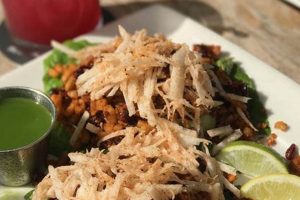
Dishes traditionally associated with the American South, reformulated to exclude all animal products, represent a growing culinary trend. This involves adapting familiar flavors and techniques using plant-based ingredients such as legumes, vegetables, and grains to replicate textures and tastes previously derived from meat, dairy, and eggs. For instance, collard greens, a Southern staple, can be prepared without ham hocks by employing smoked paprika and vegetable broth to achieve a similar depth of flavor.
This reimagining of regional cuisine offers several advantages, including promoting ethical and environmentally sustainable food choices, appealing to a wider range of dietary preferences, and contributing to improved health outcomes by reducing the intake of saturated fats and cholesterol. The movement also reflects a broader historical shift, as Southern foodways have always incorporated diverse influences and adapted to changing social and economic conditions.
The exploration of these plant-based adaptations encompasses a diverse range of options, from hearty mains and flavorful sides to decadent desserts. Detailed examinations of recreating iconic dishes like fried “chicken” (using seitan or tofu), mac and “cheese” (with cashew-based sauces), and pecan pie (modified with plant-based butter and sweeteners) provide insight into the versatility and innovation within this culinary domain. Further discussion will cover ingredient substitutions, cooking methods, and recipe variations designed to deliver authentic Southern flavors without compromising vegan principles.
Essential Guidance
Successful preparation of reformulated Southern cuisine necessitates mindful consideration of both ingredient selection and culinary technique. The following guidance aims to assist in achieving authentic flavor profiles while adhering to plant-based principles.
Tip 1: Leverage Smoked Flavorings: The smoky taste traditionally imparted by pork products can be replicated using ingredients such as smoked paprika, liquid smoke, and smoked salts. Strategic application enhances the depth and complexity of vegetable-based dishes.
Tip 2: Master the Art of Roux: A plant-based roux, created with vegetable oil and flour, serves as a foundational element for thickening sauces and gravies. Careful attention to browning the roux is crucial for developing rich flavor.
Tip 3: Embrace Nut-Based Cheeses: Cashews, almonds, and other nuts can be processed into creamy cheese alternatives suitable for dishes like macaroni and cheese or grits. Experiment with fermentation or nutritional yeast to enhance the cheesy flavor.
Tip 4: Utilize Legumes for Texture and Protein: Beans, lentils, and other legumes provide substantial texture and protein, serving as excellent substitutes for meat in dishes like chili, stews, and “pulled pork.”
Tip 5: Recreate Fried Textures with Tofu or Seitan: Properly pressed and marinated tofu, or seitan (wheat gluten), can be battered and fried to mimic the texture of fried chicken or fish. Seasoning is key to achieving desired flavor profiles.
Tip 6: Don’t Underestimate the Power of Spices: Traditional Southern dishes often feature a blend of spices like cayenne pepper, black pepper, garlic powder, and onion powder. Experiment with these combinations to recreate authentic tastes.
Tip 7: Consider the Acidity Balance: The addition of vinegar, lemon juice, or other acidic elements can brighten flavors and cut through richness, particularly in dishes like collard greens or black-eyed peas.
Successful adherence to these guidelines allows for the faithful recreation of Southern culinary traditions while upholding vegan dietary standards. Experimentation with flavors and textures is encouraged to adapt formulations to individual preferences.
The following sections will delve into specific recipes and ingredient substitutions, providing a practical application of these concepts.
1. Ingredient Substitution

Successful formulation of plant-based versions of regional dishes depends significantly on strategic ingredient substitutions. These substitutions must replicate the functional and sensory properties of traditional animal-derived components to maintain the integrity of the original culinary intent.
- Meat Alternatives
Replacing meat, a central element in many Southern recipes, typically involves the use of plant-based proteins such as tofu, tempeh, seitan, or textured vegetable protein (TVP). The selection of the appropriate substitute depends on the desired texture and flavor profile. For example, smoked tofu might replace ham hocks in collard greens, while seitan could be seasoned and prepared to mimic pulled pork in barbecue sandwiches. Each alternative necessitates specific preparation techniques to achieve optimal results.
- Dairy Replacements
Dairy products, frequently incorporated into Southern cooking, can be effectively substituted with plant-based alternatives derived from nuts, seeds, or soy. Cashew cream, for instance, can serve as a base for creamy sauces, replacing traditional dairy-based sauces in macaroni and cheese or gravy. Plant-based milks, such as almond or soy milk, offer alternatives for baking and other applications where dairy milk is traditionally used. Consideration of fat content and flavor is vital in selecting the most suitable dairy substitute.
- Egg Substitutes
Eggs play a crucial role in many Southern recipes, acting as binders, leaveners, or emulsifiers. Plant-based alternatives include flaxseed meal, aquafaba (the liquid from canned chickpeas), and commercial egg replacers. Flaxseed meal, when mixed with water, forms a gel-like substance suitable for binding ingredients in baked goods. Aquafaba can be whipped into meringues, replicating the function of egg whites. The choice of egg substitute depends on the specific role the egg plays in the recipe.
- Fat Replacements
Traditional Southern cuisine often relies on animal fats, such as lard or butter, for flavor and texture. Plant-based fats, like vegetable shortening, coconut oil, or olive oil, can serve as viable replacements. The selection of the appropriate fat depends on the desired outcome. For example, coconut oil might be used in pie crusts to achieve a flaky texture, while olive oil could be used in savory applications. Attention to the smoke point and flavor profile of each fat is crucial in achieving the desired results.
These ingredient substitutions are not merely about replacing ingredients but about understanding their functional roles within the recipe and selecting plant-based alternatives that can effectively replicate those functions. This holistic approach ensures that the integrity and flavors of regional delicacies are maintained. Further experimentation with various combinations of plant-based ingredients is encouraged for refining these adaptations to achieve authentic and satisfying outcomes.
2. Flavor Replication

In the context of plant-based Southern cuisine, the replication of flavors traditionally derived from animal products represents a significant challenge. The successful creation of reformulated Southern recipes hinges on the ability to reproduce characteristic taste profiles using only plant-based ingredients.
- Smoked Flavor Infusion
Smoke is an essential element in many classic Southern dishes. Achieving this without the use of traditional smoked meats requires employing alternative methods, such as incorporating smoked paprika, liquid smoke, or smoked salts. The strategic addition of these ingredients, carefully measured, can impart a depth of flavor reminiscent of smoked ham hocks in collard greens or smoked sausage in jambalaya.
- Umami Enhancement
Umami, the savory fifth taste, is often derived from meat or aged cheeses in Southern recipes. Plant-based sources of umami, such as mushrooms, sun-dried tomatoes, and nutritional yeast, can be used to replicate this flavor dimension. Concentrated mushroom broths, for example, can provide a rich, savory base for sauces and stews, mimicking the effect of meat-based stocks.
- Spice Blending Techniques
Many Southern dishes rely on complex spice blends to achieve their distinctive flavors. Recreating these flavors requires a thorough understanding of the traditional spice profiles and the ability to adjust them using plant-based ingredients. For example, a blend of smoked paprika, cayenne pepper, garlic powder, and onion powder can approximate the flavor of Creole seasoning.
- Acidic Balancing
The balance of acidity is crucial in Southern cuisine to cut through richness and enhance overall flavor. Plant-based acids, such as vinegar (apple cider, white, or balsamic), lemon juice, or lime juice, can be used to achieve this balance. A splash of vinegar in collard greens or a squeeze of lemon juice over fried green tomatoes can brighten the flavors and create a more complex taste experience.
The successful flavor replication in these plant-based adaptations of Southern food traditions not only necessitates the skillful use of substitute ingredients, but also an understanding of the principles of taste and flavor development. The strategic application of smoke, umami, spices, and acids is essential for authentically capturing the essence of Southern cuisine without reliance on animal products.
3. Textural Equivalents
The successful transposition of Southern culinary traditions into the realm of plant-based diets hinges significantly on achieving acceptable textural equivalents. Traditional Southern cuisine often relies heavily on the specific mouthfeel and structural properties of animal products, and replicating these sensations with plant-derived ingredients is crucial for consumer acceptance. The absence of familiar textures can detract from the overall sensory experience, regardless of the accuracy of flavor replication. For example, the crispiness of fried chicken, the chewiness of pulled pork, and the creaminess of macaroni and cheese all contribute significantly to the perception of these dishes. Therefore, the selection and preparation of plant-based ingredients must prioritize the recreation of these textural attributes.
Practical applications of this principle are evident in the development of vegan Southern recipes. Tofu, when properly pressed and fried, can mimic the crispy exterior and tender interior of fried chicken. Jackfruit, due to its fibrous nature, can be prepared to emulate the texture of pulled pork when braised and seasoned appropriately. Cashews, when blended into a creamy sauce, provide a textural analogue to the dairy-based creaminess of macaroni and cheese. These examples demonstrate the active and intentional manipulation of plant-based ingredients to approximate the textural qualities of their animal-based counterparts. These transformations directly impact the palatability and overall success of plant-based Southern dishes.
In conclusion, the attainment of textural equivalents is not merely an aesthetic consideration, but a fundamental aspect of crafting convincing vegan Southern food. The ability to replicate the familiar mouthfeel and structural properties of traditional Southern dishes using plant-based ingredients significantly enhances the overall dining experience and promotes broader acceptance of vegan cuisine. The challenges lie in consistently achieving these textural nuances and further innovating with plant-based ingredients to expand the possibilities within this culinary domain.
4. Traditional Techniques

The adaptation of regional fare to accommodate plant-based diets necessitates a nuanced understanding of foundational culinary processes. Traditional techniques, developed over generations, impart specific flavors and textures critical to the authenticity of reformulated dishes. Adapting these techniques to plant-based ingredients requires careful consideration to maintain the integrity of the original recipes.
- Smoking and Curing
Traditional Southern cooking often relies on smoking and curing meats to impart distinct flavors and enhance preservation. In the absence of animal products, these techniques can be adapted for vegetables such as eggplant or mushrooms. Smoking vegetables introduces a similar depth of flavor, while curing techniques, typically involving salt and sugar, can be modified to preserve and enhance the taste of plant-based proteins like tofu or tempeh.
- Frying Methods
Frying, a prevalent cooking method, presents unique challenges in plant-based applications. Achieving the desired crispness and texture without animal fats requires careful selection of vegetable oils and precise temperature control. Techniques such as double-frying or using specific breading combinations can replicate the texture of traditional fried foods, like fried green tomatoes or plant-based “chicken”.
- Roux Preparation
A roux, a mixture of fat and flour, forms the base for many Southern sauces and gravies. While traditionally made with butter or lard, plant-based versions can utilize vegetable oils or vegan butter alternatives. The key is to achieve the correct color and consistency through careful stirring and temperature regulation, ensuring the roux develops the necessary flavor and thickening properties for dishes like gumbo or touffe.
- Baking and Leavening
Traditional Southern baking often utilizes eggs and dairy products for leavening and texture. Plant-based baking relies on alternatives such as flaxseed meal, aquafaba, or commercial egg replacers to provide similar binding and leavening effects. Careful adjustments to liquid ratios and baking times are necessary to achieve the desired rise and crumb structure in dishes like cornbread or biscuits.
The preservation of distinct flavors and textures hinges on understanding the underlying principles of traditional techniques. Modifying these methods for plant-based applications requires experimentation and adaptation, but the goal remains to honor the culinary heritage of Southern food while adhering to ethical and dietary considerations. Successful implementation results in vegan dishes that capture the essence of their traditional counterparts.
5. Nutritional Balance

The adaptation of Southern culinary traditions to vegan dietary standards necessitates careful consideration of nutritional balance. Traditional Southern cuisine, often rich in animal products and processed ingredients, may not inherently align with the nutritional requirements of a well-planned vegan diet. Therefore, specific attention must be paid to ensuring that reformulated recipes provide adequate levels of essential nutrients typically obtained from animal sources.
- Protein Adequacy
Meeting protein requirements is paramount in any diet, particularly in the absence of animal-derived protein sources. Vegan Southern cuisine can achieve this through the strategic incorporation of legumes (beans, lentils, peanuts), tofu, tempeh, seitan, and nuts. For instance, a black-eyed pea stew, enriched with smoked tofu and a variety of vegetables, can provide a substantial protein source. Careful attention to combining complementary plant proteins, such as grains and legumes, is essential for ensuring a complete amino acid profile.
- Vitamin B12 Supplementation
Vitamin B12 is primarily found in animal products, making supplementation a critical consideration for individuals following a vegan diet. Fortified plant-based foods, such as nutritional yeast or fortified plant milks, can provide a source of B12, but supplementation is often recommended to ensure adequate intake. Consistent B12 supplementation is crucial for maintaining neurological function and preventing deficiency-related health issues.
- Iron Bioavailability
While plant-based foods contain iron, the non-heme iron found in these sources is less readily absorbed than the heme iron in animal products. Enhancing iron absorption can be achieved by consuming iron-rich foods (e.g., spinach, beans, fortified cereals) in conjunction with vitamin C-rich foods (e.g., citrus fruits, bell peppers). This combination increases the bioavailability of iron, mitigating the risk of deficiency. For example, serving collard greens with a squeeze of lemon juice can improve iron absorption.
- Omega-3 Fatty Acid Intake
Omega-3 fatty acids, particularly EPA and DHA, are essential for cardiovascular and brain health. While ALA, a precursor to EPA and DHA, is found in plant-based sources like flaxseeds, chia seeds, and walnuts, the conversion rate of ALA to EPA and DHA can be limited. Incorporating algal oil supplements, a direct source of EPA and DHA derived from algae, can help ensure adequate intake of these essential fatty acids. Furthermore, dishes can incorporate ingredients such as hemp seeds or walnuts, sprinkled over salads or side dishes.
The integration of these nutritional considerations into the creation of plant-based Southern cuisine is not merely a matter of dietary restriction, but an opportunity to enhance the overall healthfulness of traditional recipes. By consciously addressing protein adequacy, B12 supplementation, iron bioavailability, and omega-3 fatty acid intake, reformulated Southern dishes can provide a nutritionally complete and balanced dietary option. Further research and education are essential for promoting the widespread adoption of healthful and sustainable plant-based dietary practices within the context of Southern culinary traditions.
6. Cultural Preservation

The intersection of plant-based adaptations and Southern culinary traditions presents a complex interplay between dietary innovation and the preservation of cultural identity. Reformulating regional dishes to exclude animal products raises questions about authenticity and the extent to which culinary heritage can be adapted without losing its essential character. The act of maintaining recognizable elements of Southern cuisine within a vegan framework becomes a form of cultural preservation, albeit one that necessitates careful negotiation between tradition and contemporary values.
- Reinterpreting Heritage Ingredients
The adaptation of traditional recipes often involves reinterpreting the use of heritage ingredients. Certain crops and produce are deeply ingrained in Southern foodways, and maintaining their presence in plant-based versions helps to preserve a connection to the region’s agricultural history. For example, incorporating heirloom varieties of field peas, sweet potatoes, or okra into reformulated dishes ensures that these culturally significant ingredients continue to be celebrated and utilized, albeit in new and innovative ways. Preservation is reflected through strategic deployment of vegetables or grains synonymous with particular regional location.
- Maintaining Cooking Techniques and Methods
Traditional cooking techniques, such as slow simmering, smoking, and frying, are integral to Southern cuisine. The commitment to preserving these methods, even when using plant-based ingredients, reinforces a connection to the culinary past. By adapting these techniques, rather than abandoning them, vegan Southern chefs can ensure that reformulated dishes retain a sense of authenticity. This involves carefully adjusting cooking times and temperatures to achieve desired textures and flavors while adhering to plant-based principles; for example, employing smoking methods to impart a smoky flavor to tofu instead of using smoked meats.
- Honoring Family Recipes and Traditions
Many Southern recipes are passed down through generations, carrying with them personal and familial histories. Reformulating these recipes to be plant-based can be a way to honor family traditions while aligning with contemporary ethical or dietary choices. This might involve adapting a grandmother’s cornbread recipe to use plant-based milk and egg replacements or modifying a traditional gumbo recipe to exclude seafood while retaining the characteristic spices and vegetables. Personal connections to food, therefore, take on a unique form of cultural preservation.
- Celebrating Regional Flavors and Dishes
The commitment to preserving regional flavors and dishes, such as collard greens, jambalaya, and pecan pie, is central to cultural preservation in plant-based adaptations. Reformulating these iconic dishes to be vegan requires a deep understanding of the flavors and textures that define them. While ingredient substitutions may be necessary, the goal is to create versions that are recognizable and satisfying to those familiar with the traditional dishes. Such dedication to regional cuisine ensures that familiar flavors remain available to those with different dietary preferences.
The intersection of plant-based cuisine and Southern culinary traditions represents an ongoing process of negotiation between innovation and heritage. While reformulated dishes may not precisely replicate their traditional counterparts, the intention to preserve cultural connections through ingredient selection, cooking techniques, and the celebration of regional flavors underscores the importance of these adaptations as a form of cultural preservation. Further study of cultural influences in the South could only serve to further enhance plant-based regional cooking.
Frequently Asked Questions About Reformulated Regional Cuisine
The following section addresses common inquiries regarding the preparation and characteristics of regional dishes adapted to exclude all animal products. These questions aim to provide clear and informative responses, reflecting the nuances of this culinary domain.
Question 1: Can dishes truly replicate the flavor of traditional recipes without animal products?
Flavor replication is achievable through strategic ingredient substitutions and the skillful application of traditional cooking techniques. The use of smoked paprika, liquid smoke, and nutritional yeast, combined with careful spice blending, can approximate the savory depth associated with meat-based dishes. Additionally, understanding the role of fats and acids in flavor development is crucial for balancing tastes and creating a satisfying culinary experience.
Question 2: How can adequate protein intake be ensured on a plant-based adaptation of Southern cuisine?
Sufficient protein intake is readily attainable through the incorporation of legumes (beans, lentils, peas), tofu, tempeh, seitan, and nuts into the dish. These plant-based protein sources provide a diverse array of amino acids, essential for maintaining overall health and well-being. Careful planning and strategic combination of these ingredients can meet or exceed the recommended daily protein intake.
Question 3: What are the primary challenges in creating convincing textural equivalents?
Replicating the textures of animal products often presents a significant challenge. Achieving the crispiness of fried chicken or the creaminess of dairy-based sauces requires innovative use of plant-based ingredients and techniques. Properly pressing and frying tofu, utilizing blended cashews for cream sauces, and employing gluten-based seitan can contribute to more accurate textural representations.
Question 4: Is it necessary to supplement with vitamin B12 when following a reformulated regional dietary plan?
Vitamin B12 supplementation is generally recommended for individuals adhering to a solely plant-based diet, as this vitamin is primarily found in animal products. While fortified plant-based foods (nutritional yeast, plant milks) can provide some B12, supplementation ensures adequate intake and prevents potential deficiencies. Consultation with a healthcare professional is advisable to determine the appropriate dosage.
Question 5: Can regional recipes be adapted to meet the needs of individuals with other dietary restrictions, such as gluten intolerance?
Adaptation is possible, although requires additional modifications. Gluten-free flour blends can substitute for wheat flour in roux preparations and baked goods. Alternatives to seitan, such as tofu or tempeh, can be used in dishes that traditionally feature wheat-based meat substitutes. Careful attention to ingredient labels and potential cross-contamination is crucial for ensuring that dishes are truly gluten-free.
Question 6: How does one balance the desire for authenticity with the need for dietary modifications?
Achieving balance necessitates a deep understanding of the original recipe’s flavor profile and the functional roles of each ingredient. Strategic substitutions, mindful application of traditional techniques, and a willingness to experiment are key to creating dishes that honor the culinary heritage of region while adhering to dietary requirements. Ultimately, the goal is to capture the essence of the original dish in a way that is both satisfying and ethically sound.
The successful execution of reformulated regional cuisine involves a holistic approach, encompassing flavor replication, textural considerations, nutritional balance, and an appreciation for culinary traditions. The answers provided aim to offer guidance and clarity in navigating this complex and evolving culinary landscape.
The following section will explore specific recipe modifications.
vegan southern food recipes
The preceding examination has elucidated key considerations for producing plant-based adaptations of traditional regional cuisine. Attention to ingredient substitution, flavor replication, textural equivalence, and traditional techniques is paramount to achieving authentic and nutritionally balanced outcomes. The integration of these principles facilitates the faithful recreation of classic dishes while adhering to dietary requirements.
Continued exploration and refinement of these methods will further enhance the accessibility and acceptance of these reformulated meals. The commitment to preserving culinary traditions through mindful adaptation represents a significant step towards a more sustainable and inclusive culinary landscape. Dissemination of knowledge and recipe development remains crucial for the evolution of these regional foodways.