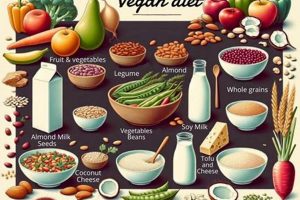
Plant-based meals within the Icelandic culinary landscape represent a growing segment of the food industry, catering to individuals who abstain from consuming animal products. This dietary choice encompasses a wide range of dishes prepared without meat, dairy, eggs, or other ingredients derived from animals. The availability of these options is increasingly prevalent in restaurants, grocery stores, and other food service establishments across the country.
The rising popularity of plant-based diets stems from a variety of factors, including health considerations, environmental concerns, and ethical beliefs regarding animal welfare. The adoption of these food choices can contribute to reduced environmental impact, as well as potentially offering health benefits. Historically, Icelandic cuisine has been heavily reliant on animal products due to the island’s challenging climate and limited agricultural opportunities. However, evolving attitudes and increased global awareness are driving a shift towards greater dietary diversity.
This article will examine the specific challenges and opportunities associated with providing plant-based cuisine in Iceland, exploring the range of available options, highlighting key establishments, and discussing the ongoing evolution of food culture within this unique geographical context. Further details will be provided on specific ingredients, culinary techniques and the impact on local food systems.
Successfully adhering to a plant-based diet during a visit to Iceland requires careful planning and awareness of local resources.
Tip 1: Research Restaurant Menus in Advance: Due to the traditional emphasis on meat and dairy in Icelandic cuisine, it is advisable to review restaurant menus online prior to dining. Many establishments now offer labeled plant-based options, while others may be willing to adapt existing dishes upon request.
Tip 2: Utilize Grocery Stores for Self-Catering: Supermarkets in Iceland stock an increasingly diverse range of plant-based products, including plant-based milks, yogurts, meat substitutes, and locally sourced vegetables. Preparing meals independently provides greater control over dietary choices.
Tip 3: Explore Health Food Stores: Health food stores often carry specialized ingredients and vegan-friendly snacks that may not be readily available in mainstream supermarkets. These stores can be valuable resources for individuals with specific dietary requirements.
Tip 4: Learn Key Icelandic Phrases: Familiarizing oneself with basic phrases related to dietary restrictions, such as “g er vegan” (I am vegan) or “Engar mjlkurvrur” (No dairy products), can facilitate clearer communication with restaurant staff.
Tip 5: Consider Accommodation with Kitchen Facilities: Opting for accommodations that include a kitchen allows for greater flexibility in preparing plant-based meals, particularly in areas where restaurant options are limited.
Tip 6: Be Prepared for Limited Options in Rural Areas: Outside of Reykjavk and other major towns, the availability of plant-based cuisine may be more restricted. Packing non-perishable snacks and meal replacements is recommended for travel in rural regions.
Tip 7: Ask About Local Vegan Specialties: Some Icelandic restaurants are beginning to incorporate plant-based versions of traditional dishes, such as vegetable stews or lentil-based soups. Inquiring about these options can provide a taste of local cuisine while adhering to dietary preferences.
By implementing these strategies, individuals adhering to plant-based diets can successfully navigate the Icelandic culinary landscape and enjoy their visit.
The following sections will delve deeper into specific restaurant recommendations and notable vegan-friendly establishments throughout Iceland.
1. Availability

Availability, in the context of plant-based cuisine in Iceland, refers to the extent to which vegan food options are present and accessible within the Icelandic food landscape. This encompasses both the breadth of menu offerings at restaurants and the variety of plant-based products available in grocery stores and other retail outlets. The level of availability directly impacts the ease with which individuals can maintain a vegan lifestyle while residing in or visiting Iceland.
- Restaurant Vegan Options
The presence of clearly labeled vegan dishes on restaurant menus is a key indicator of availability. Establishments that offer multiple plant-based choices, including appetizers, entrees, and desserts, contribute to a higher level of availability. This is particularly important in cities like Reykjavk, where tourism and a diverse population have driven an increase in vegan-friendly restaurants. However, outside of urban centers, the number of restaurants offering dedicated vegan options can be significantly limited.
- Grocery Store Plant-Based Products
The range of plant-based products stocked by Icelandic supermarkets is a critical aspect of availability. This includes items such as plant-based milks (soy, almond, oat), vegan cheeses, meat substitutes (tofu, tempeh, seitan), and a variety of fresh and frozen vegetables. The wider the selection, the easier it is for individuals to prepare vegan meals at home. Larger supermarkets in Reykjavk generally offer a more extensive range of plant-based products compared to smaller stores in rural areas.
- Regional Disparities in Supply
The availability of vegan food in Iceland is not uniform across the country. Reykjavk and the surrounding areas tend to have a greater concentration of vegan-friendly restaurants and a wider selection of plant-based products in grocery stores. In more remote regions, the options may be significantly more limited, necessitating careful planning and preparation for those adhering to a plant-based diet. This geographical disparity is influenced by factors such as population density, tourism, and the prevalence of traditional Icelandic cuisine.
- Seasonal Considerations
The availability of fresh, locally sourced vegan ingredients can fluctuate depending on the season. During the summer months, a wider variety of fresh vegetables and fruits are available from domestic farms. However, during the winter, reliance on imported produce increases, potentially impacting the quality and variety of plant-based ingredients. This seasonality can influence menu offerings in restaurants and the selection of products available in grocery stores.
In summary, the availability of plant-based meals in Iceland is influenced by restaurant menu offerings, grocery store product selections, regional disparities, and seasonal variations. Addressing these factors is crucial for enhancing the accessibility and adoption of veganism within Icelandic society.
2. Accessibility

Accessibility, as it pertains to plant-based cuisine in Iceland, signifies the ease and affordability with which individuals can obtain vegan food options. This extends beyond mere availability to encompass factors such as geographical location, economic constraints, and the presence of supporting infrastructure. Diminished accessibility to vegan food impedes the widespread adoption of plant-based diets, particularly among vulnerable populations or those residing in remote areas.
Geographical location presents a primary barrier to accessibility. While vegan restaurants and specialized grocery stores are concentrated in Reykjavk and other urban centers, rural areas often lack such amenities. This disparity necessitates increased travel costs or reliance on limited local options, effectively restricting access for individuals residing outside major population hubs. Economic constraints further exacerbate these challenges. Plant-based ingredients, particularly imported meat substitutes or specialty items, can command a premium price compared to conventional products. This price differential renders vegan food less accessible to low-income individuals or families, who may prioritize affordability over dietary preferences. Moreover, the absence of adequate transportation infrastructure in certain regions can hinder access to larger supermarkets or farmers’ markets that offer a greater variety of plant-based options.
Enhanced accessibility to plant-based cuisine in Iceland hinges on addressing these multifaceted challenges. Initiatives aimed at promoting local and affordable vegan products, expanding the reach of online grocery services, and supporting the development of vegan-friendly businesses in rural areas can contribute to greater dietary equity. Addressing these areas will increase access for locals and travelers alike, which will continue to support the shift toward plant-based alternatives in Iceland.
3. Ingredient Sourcing

Ingredient sourcing is a critical determinant of the sustainability, nutritional value, and economic viability of plant-based cuisine in Iceland. Iceland’s unique geographical location and climate present both challenges and opportunities for procuring ingredients suitable for vegan diets. The reliance on imported produce and processed vegan alternatives significantly impacts the carbon footprint associated with these food choices. Furthermore, sourcing ingredients from local producers, when feasible, supports Icelandic agriculture and reduces dependence on international supply chains. The nutritional quality of vegan meals is also directly linked to the freshness and origin of the ingredients; locally grown vegetables, for instance, often retain more nutrients compared to those transported over long distances. Therefore, strategic ingredient sourcing is fundamental to realizing the potential benefits of plant-based meals in Iceland.
The dependence on imported goods creates challenges. The import of many ingredients impacts the carbon footprint. Imported foods travel long distances before reaching their destination. Reliance on imports also makes Iceland sensitive to international supply chain disruptions. Local food producers benefit from plant-based goods. Incorporating local produce and creating plant-based meals contributes to a sustainable local economy.
Successful integration of plant-based diets within Iceland’s food culture hinges on prioritizing local and sustainable ingredient sourcing. This necessitates investment in domestic agriculture, the development of innovative food production techniques, and informed consumer choices that favor locally produced vegan alternatives. Prioritizing sustainable ingredient sourcing will provide better options for the consumer.
4. Cultural Adaptation
Cultural adaptation, in the context of plant-based cuisine in Iceland, represents the integration of vegan principles and ingredients into traditional Icelandic culinary practices. This process involves modifying established recipes, utilizing local resources to create plant-based alternatives, and addressing potential cultural resistance to dietary changes. The successful cultural adaptation of vegan food is essential for its long-term acceptance and integration into Icelandic society.
- Reinterpreting Traditional Dishes
Traditional Icelandic dishes, historically reliant on meat and dairy, require reinterpretation to align with plant-based dietary requirements. Examples include replacing lamb in stews with legumes or root vegetables, creating vegan versions of “skyr” using plant-based yogurts, and substituting dairy butter with plant-based alternatives in baked goods. The degree to which these reinterpretations maintain the authentic flavor and texture of the original dishes influences their cultural acceptance.
- Utilizing Local Resources
The availability of local plant-based ingredients, such as Icelandic barley, root vegetables, and wild berries, offers opportunities to create culturally relevant vegan dishes. Incorporating these ingredients into traditional recipes not only enhances their nutritional value but also strengthens the connection between plant-based cuisine and Icelandic food heritage. The sustainable harvesting and cultivation of these local resources are crucial for ensuring their long-term availability.
- Addressing Cultural Resistance
Resistance to dietary changes may arise from deeply ingrained cultural norms and culinary traditions. Overcoming this resistance requires education, promotion, and demonstration of the health, environmental, and ethical benefits of plant-based diets. Showcasing innovative and flavorful vegan versions of traditional dishes can help bridge the gap between cultural expectations and dietary preferences.
- Promoting Plant-Based Innovation
Encouraging culinary innovation within the plant-based food sector can lead to the development of new and exciting vegan dishes that appeal to a wide range of palates. Collaboration between chefs, food producers, and researchers can foster creativity and promote the integration of plant-based principles into mainstream Icelandic cuisine. This approach is critical for the long-term integration of this concept in Iceland.
Successfully adapting vegan food to Icelandic culture involves balancing respect for culinary traditions with the promotion of plant-based principles. By reinterpreting traditional dishes, utilizing local resources, addressing cultural resistance, and fostering innovation, plant-based cuisine can become an integral and accepted part of Icelandic society. Doing so will create a better future for vegan and non-vegan Icelanders alike.
5. Pricing

Pricing represents a significant factor influencing the accessibility and adoption of plant-based meals in Iceland. The relative cost of vegan food options compared to traditional Icelandic fare directly affects consumer choices and the overall viability of plant-based diets within the country.
- Cost of Ingredients
The pricing of plant-based ingredients, both imported and locally sourced, plays a crucial role in the final cost of vegan dishes. Imported meat substitutes, plant-based dairy alternatives, and certain specialty vegetables can be significantly more expensive than their conventional counterparts. This price differential can make vegan meals less affordable, particularly for budget-conscious consumers or those living in areas with limited access to competitively priced options. Conversely, the availability of locally grown, seasonal produce at reasonable prices can help mitigate this cost disparity.
- Restaurant Menu Pricing
The pricing strategies employed by restaurants offering vegan options directly impact consumer demand. Restaurants that price vegan dishes comparably to non-vegan alternatives are more likely to attract customers seeking plant-based meals. However, if vegan dishes are priced significantly higher, it can deter potential customers and reinforce the perception that vegan food is a luxury item. Factors such as ingredient costs, preparation time, and perceived value contribute to menu pricing decisions.
- Impact of Import Tariffs and Taxes
Import tariffs and taxes levied on plant-based ingredients and processed vegan products can significantly inflate their final cost to consumers. These charges increase the price of these options, potentially hindering the competitiveness of vegan food within the Icelandic market. Policies aimed at reducing or eliminating such tariffs could promote greater affordability and accessibility of plant-based diets.
- Economies of Scale
As the demand for vegan food increases in Iceland, economies of scale can potentially drive down production and distribution costs. Increased demand for vegan ingredients, for instance, may incentivize suppliers to lower their prices, thereby making these products more accessible to consumers. Similarly, larger-scale production of vegan dishes in restaurants can reduce per-unit costs, allowing establishments to offer more competitively priced options.
In conclusion, the pricing of plant-based meals in Iceland is influenced by a complex interplay of factors, including ingredient costs, restaurant pricing strategies, import tariffs, and economies of scale. Addressing these factors is crucial for promoting the affordability and accessibility of vegan food, thereby fostering its broader adoption within Icelandic society. Further research and policy interventions may be necessary to ensure that plant-based diets are economically viable for all segments of the population.
6. Sustainability

The concept of sustainability is intrinsically linked to the adoption of plant-based diets in Iceland, creating a symbiotic relationship where each reinforces the other. The cause-and-effect dynamic is evident in how a shift towards vegan food options directly reduces the environmental impact associated with food production, transportation, and waste management. Animal agriculture is a significant contributor to greenhouse gas emissions, land degradation, and water pollution globally. By reducing the consumption of animal products, Iceland can mitigate these environmental effects and contribute to a more sustainable food system.
Sustainability is a vital component of plant-based eating in Iceland for several reasons. Firstly, Iceland’s fragile ecosystem is particularly vulnerable to the adverse effects of climate change. Reducing the carbon footprint of food production is, therefore, a high priority. Secondly, Iceland relies heavily on imported food due to its limited agricultural capacity. Sourcing plant-based ingredients locally, when feasible, strengthens food security and minimizes the environmental impact associated with transportation. For instance, growing more vegetables domestically reduces the need for imports and supports local farmers. Thirdly, a focus on sustainable farming practices, such as organic agriculture and responsible land management, further enhances the environmental benefits of vegan food. An example would be supporting local Icelandic farmers who produce organic vegetables and grains without the use of harmful pesticides or fertilizers.
In summary, the connection between sustainability and plant-based cuisine in Iceland is of practical significance for the nation’s environmental well-being and long-term food security. While challenges remain, such as increasing domestic agricultural output and reducing reliance on imported ingredients, embracing sustainable practices within the plant-based food sector offers a viable pathway towards a more environmentally responsible and resilient food system. This approach supports Iceland’s commitment to environmental protection and contributes to a more sustainable future.
Frequently Asked Questions Regarding Plant-Based Cuisine in Iceland
This section addresses common inquiries and clarifies misconceptions surrounding the availability, accessibility, and sustainability of plant-based food options within Iceland.
Question 1: Is it difficult to maintain a vegan diet while traveling in Iceland?
Maintaining a vegan diet in Iceland requires planning and awareness, particularly outside of Reykjavk. While plant-based options are increasingly available, rural areas may offer limited choices. Advance research of restaurant menus and utilizing grocery stores for self-catering are recommended.
Question 2: Are plant-based meals more expensive than traditional Icelandic food?
The cost of plant-based meals can vary. Imported vegan alternatives may be pricier than conventional ingredients. However, locally sourced produce and strategically chosen meals can offer cost-effective options. Price variations also exist between restaurants.
Question 3: What are the main challenges in sourcing vegan ingredients in Iceland?
Iceland’s climate and limited agricultural capacity pose challenges to sourcing vegan ingredients. Dependence on imported produce increases the carbon footprint. Expanding local agricultural initiatives is crucial for greater sustainability.
Question 4: Are there traditional Icelandic dishes that can be easily adapted to a vegan diet?
Yes, certain traditional dishes can be adapted. Replacing meat in stews with legumes or root vegetables, and using plant-based alternatives to dairy products, are common modifications. Innovation in recreating traditional flavors using plant-based ingredients is ongoing.
Question 5: What is the impact of tourism on the availability of vegan food in Iceland?
Increased tourism has driven a greater demand for diverse dietary options, including vegan food. This demand has spurred the growth of vegan-friendly restaurants and the availability of plant-based products in grocery stores, particularly in tourist areas.
Question 6: How does adopting a plant-based diet contribute to sustainability in Iceland?
Reducing consumption of animal products lowers greenhouse gas emissions, mitigates land degradation, and minimizes water pollution. Supporting local agriculture and reducing reliance on imported goods further enhance the environmental benefits of plant-based diets.
In essence, while challenges remain, plant-based eating in Iceland is becoming increasingly accessible and sustainable. Informed choices and strategic planning are essential for successfully navigating the Icelandic culinary landscape.
The subsequent section will highlight notable vegan-friendly establishments and culinary resources within Iceland.
Vegan Food in Iceland
This exploration has illuminated the multifaceted dimensions of plant-based cuisine within Iceland’s unique context. From addressing availability and accessibility challenges to scrutinizing ingredient sourcing, cultural adaptation, pricing considerations, and sustainability imperatives, a comprehensive understanding has been fostered. The analysis reveals a dynamic landscape characterized by both limitations and opportunities for the further integration and acceptance of vegan food choices.
Continued progress necessitates a collaborative effort involving stakeholders across the food system. Further investment in local agricultural initiatives, coupled with policy interventions aimed at reducing import tariffs and promoting sustainable practices, will be crucial. Ultimately, the widespread adoption of plant-based diets holds the potential to contribute to a more environmentally responsible and economically resilient future for Iceland. Therefore, ongoing commitment to addressing the challenges and maximizing the opportunities outlined herein is essential for the long-term success of this endeavor. A forward-thinking approach is necessary to ensure the continued growth and acceptance of vegan options.