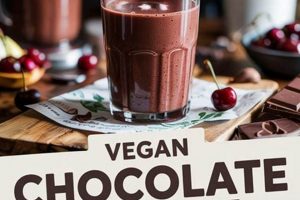
A beverage crafted from plant-based ingredients, it emulates the richness of traditional chocolate smoothies without the inclusion of dairy or animal products. Typically, it consists of blended fruits, vegetables, plant-based milk alternatives (such as almond, soy, or oat milk), cocoa powder or cacao, and natural sweeteners. For instance, a version might combine frozen bananas, spinach, almond milk, cocoa powder, and dates to achieve a sweet and creamy consistency.
Its appeal stems from its health-conscious composition and ethical considerations. Individuals seeking dairy-free options or following a plant-based diet often find it a satisfying and nutritious choice. This type of drink provides a source of vitamins, minerals, antioxidants, and fiber. Historically, the development of this beverage aligns with the increased awareness of dietary restrictions and the rising popularity of veganism as a lifestyle choice.
This article will further explore the nutritional profile, variations, preparation techniques, and potential health benefits associated with this increasingly popular blended beverage. A detailed examination of ingredient selection, flavor combinations, and its role in a balanced diet will also be presented.
Preparation and Consumption Strategies
Optimizing the creation and enjoyment of this beverage requires attention to ingredient selection, blending techniques, and consideration of dietary needs.
Tip 1: Ingredient Quality Matters: Prioritize high-quality cocoa or cacao powder for a richer, more authentic chocolate flavor. Opt for organic options when available, minimizing exposure to pesticides.
Tip 2: Liquid Base Selection: Different plant-based milks contribute distinct flavors and textures. Almond milk offers a neutral taste, while oat milk provides a creamier consistency. Experiment to find the preferred base.
Tip 3: Natural Sweeteners Preferred: Employ natural sweeteners like dates, maple syrup, or agave nectar instead of refined sugars. Adjust the quantity to achieve desired sweetness levels while minimizing caloric impact.
Tip 4: Frozen Fruit Enhancement: Utilize frozen fruits, particularly bananas, to enhance the smoothie’s creaminess and chill factor. Frozen berries can add tartness and additional nutritional value.
Tip 5: Texture Optimization: Blend until completely smooth, adding more liquid as necessary to reach the desired consistency. A high-powered blender is recommended for achieving optimal smoothness, particularly when using frozen ingredients.
Tip 6: Nutritional Boost Considerations: Incorporate additional nutrients by adding ingredients such as chia seeds, flax seeds, or protein powder. These additions can increase the smoothie’s fiber, omega-3 fatty acid, or protein content.
Tip 7: Immediate Consumption Advised: Consume the beverage promptly after preparation to prevent separation and maintain optimal flavor and texture. Refrigeration for extended periods is not recommended.
Adherence to these guidelines can contribute to a more palatable and nutritionally beneficial experience. Careful planning and execution are key to maximizing the enjoyment and health benefits of this beverage.
The following sections will explore variations in recipe design, potential health implications, and considerations for integrating this beverage into a balanced dietary regimen.
1. Plant-Based
The cornerstone of any beverage marketed as “vegan” is its exclusive reliance on ingredients derived from plant sources. This characteristic fundamentally defines the drink, dictating ingredient selection and influencing its nutritional profile. This contrasts directly with conventional smoothies that may include dairy products or animal-derived ingredients.
- Exclusion of Animal Products
The defining characteristic of “plant-based” is the strict avoidance of all animal-derived ingredients. In the context of the drink, this necessitates the substitution of dairy milk with plant-based alternatives such as almond, soy, oat, or coconut milk. Whey protein, a common smoothie additive, is also replaced with plant-based protein sources like pea protein, hemp seeds, or chia seeds. This exclusion ensures adherence to vegan principles.
- Source of Ingredients
A “plant-based” formulation requires all components to originate from plants. This includes the base liquid, the source of chocolate flavor (cacao or cocoa powder), sweeteners (dates, maple syrup, agave), and any additional ingredients such as fruits, vegetables, nuts, or seeds. Each ingredient must be carefully vetted to confirm its plant origin and ensure no animal-derived additives are present.
- Impact on Nutritional Composition
The “plant-based” nature of the beverage significantly influences its nutritional profile. It typically results in a lower saturated fat content compared to dairy-based smoothies and introduces a different array of micronutrients and phytonutrients. The presence of plant-based fibers from fruits, vegetables, and seeds contributes to increased satiety and improved digestive health. Plant-based protein sources provide essential amino acids.
- Ethical and Environmental Considerations
The choice of a “plant-based” smoothie often reflects ethical and environmental considerations. Plant-based diets are often perceived as more sustainable due to lower greenhouse gas emissions and reduced land usage compared to animal agriculture. From an ethical standpoint, it aligns with the principle of minimizing harm to animals. Therefore, the selection of this beverage can represent a conscious decision to support sustainability and animal welfare.
These aspects underscore the profound influence of the “plant-based” characteristic on the entire composition, nutritional value, and ethical implications of the beverage. The commitment to plant-derived ingredients fundamentally shapes its identity and distinguishes it from non-vegan alternatives. The substitution of dairy with nut-based milks exemplifies this commitment, offering a comparable creamy texture while upholding the principles of plant-based nutrition.
2. Chocolate Flavor

The presence of chocolate flavor is a defining characteristic, transforming a generic plant-based smoothie into a targeted and appealing product. The inclusion of chocolate as a flavor component directly influences consumer perception and market positioning. Without the characteristic flavor, the beverage lacks the identity necessary to attract individuals seeking a vegan alternative to traditional chocolate milkshakes or desserts. The selection of cocoa or cacao powder, the primary source of chocolate flavor, is thus paramount to the drink’s success. The intensity and quality of the chocolate influence the overall taste experience and determine the drink’s acceptability among target demographics.
Achieving authentic chocolate flavor in a vegan context necessitates careful consideration of ingredients. For example, the bitterness of unsweetened cocoa powder can be balanced with natural sweeteners like dates or maple syrup. The addition of vanilla extract or a pinch of sea salt can enhance the perceived sweetness and depth of flavor. Moreover, the interplay between chocolate and other ingredients, such as berries or nut butter, requires mindful calibration to avoid flavor clashes and achieve a harmonious blend. The flavor profile, therefore, is the direct result of the careful selection and combination of ingredients, guided by the intention to replicate the rich and satisfying experience associated with traditional chocolate products.
The strategic integration of chocolate flavor into a plant-based smoothie serves as a bridge, attracting consumers who are both health-conscious and desire the sensory pleasure associated with chocolate. Successfully balancing the health benefits of plant-based ingredients with the indulgent appeal of chocolate is fundamental to the viability and market success of this product. The consumer’s expectation of a satisfying chocolate experience must be met, and often exceeded, to ensure repeat purchases and positive word-of-mouth. Without the strategic and deliberate focus on achieving a high-quality, authentic chocolate flavor, the beverage risks failing to appeal to its target audience, regardless of its other nutritional benefits.
3. Blended Texture

The blended texture is integral to the consumption experience, directly affecting palatability and the perception of quality. In the context of a beverage crafted from plant-based ingredients, this aspect is of particular importance. The use of fibrous ingredients, such as fruits, vegetables, nuts, and seeds, necessitates a blending process to create a smooth, homogenous consistency. Without adequate blending, the resulting product can be unappetizing, characterized by grittiness or a lumpy texture. The blending process, therefore, transforms disparate ingredients into a unified, easily consumed format. For example, raw spinach, when adequately blended with frozen bananas and almond milk, loses its inherent texture and becomes virtually undetectable, contributing to the overall nutrient profile without compromising the beverage’s palatability.
Achieving the optimal blended texture requires appropriate equipment and technique. High-powered blenders are typically necessary to effectively process tougher ingredients, such as ice or frozen fruit. The duration and speed of blending also play critical roles. Over-blending can result in excessive heat generation, potentially affecting the flavor and nutrient content. Under-blending, conversely, leaves undesirable fragments. The addition of liquid is frequently required to facilitate the blending process and achieve the desired consistency. The type of liquid employed, such as plant-based milk or water, will also influence the final texture. A thicker liquid, like oat milk, generally results in a creamier consistency compared to water. As an illustration, chia seeds blended at high speed for an extended duration impart a thickened texture to the beverage, creating a pudding-like consistency.
The importance of blended texture extends beyond mere aesthetics. A smooth, easily digestible beverage is more likely to be perceived as a convenient and enjoyable option. Moreover, proper blending enhances the bioavailability of nutrients, as cell walls are disrupted, making it easier for the body to absorb vitamins and minerals. The challenge, however, lies in maintaining a balance between achieving a smooth texture and minimizing nutrient degradation. Careful consideration of blending techniques and ingredient selection is, therefore, essential to maximize the overall quality and nutritional value of the beverage. Ultimately, the blended texture is a critical factor in determining its success, contributing significantly to the consumer’s sensory experience and the beverage’s perceived health benefits.
4. Nutrient-Rich
The term “nutrient-rich” describes a core characteristic of the beverage, emphasizing its potential as a source of essential vitamins, minerals, and macronutrients. This designation is particularly significant within the context of plant-based diets, where careful planning is often required to ensure adequate intake of specific nutrients. A thoughtfully formulated beverage can serve as a convenient and palatable means of augmenting nutritional intake.
- Vitamin and Mineral Content
Plant-based smoothies can be fortified with a diverse array of vitamins and minerals, contingent upon ingredient selection. For instance, the inclusion of spinach contributes Vitamin K and iron, while berries offer Vitamin C and antioxidants. The use of fortified plant-based milks can provide Vitamin D and calcium. The concentration of these nutrients depends on the specific ingredients and their proportions. Regular consumption of a carefully designed beverage can contribute to meeting daily recommended intakes of essential micronutrients.
- Macronutrient Profile
The balance of macronutrients protein, carbohydrates, and fats significantly impacts the nutritional value and satiety of the smoothie. Plant-based protein sources, such as chia seeds, hemp seeds, or nut butters, can enhance the protein content. Complex carbohydrates derived from fruits and vegetables provide energy and fiber. Healthy fats, found in avocados or nuts, contribute to satiety and support various physiological functions. The relative proportions of these macronutrients determine the smoothie’s impact on blood sugar levels and overall dietary balance.
- Fiber Content and Digestive Health
The high fiber content inherent in many plant-based ingredients promotes digestive health. Fiber contributes to satiety, regulates bowel movements, and supports a healthy gut microbiome. Ingredients like flax seeds, chia seeds, and various fruits and vegetables are significant sources of dietary fiber. The specific type and quantity of fiber present influences its impact on gut health and overall digestive function. Regular consumption can aid in maintaining digestive regularity and promoting the growth of beneficial gut bacteria.
- Antioxidant Properties
Many ingredients commonly found in a plant-based smoothies possess antioxidant properties, offering protection against cellular damage caused by free radicals. Cocoa or cacao, berries, and leafy green vegetables are rich sources of antioxidants such as flavonoids and polyphenols. These compounds neutralize free radicals, potentially reducing the risk of chronic diseases. The concentration of antioxidants is influenced by the quality and quantity of these ingredients. The presence of these antioxidants may contribute to overall health and well-being.
The interplay between these facets underscores the potential of the beverage as a vehicle for delivering a concentrated dose of nutrients. The strategic combination of ingredients can create a product that is not only palatable but also contributes significantly to meeting daily nutritional requirements. Careful attention to ingredient selection and preparation methods is essential to maximize the nutrient density and overall health benefits.
5. Customizable
The inherent flexibility in recipe formulation is a key characteristic of the beverage. This adaptability allows for tailoring the ingredients and proportions to suit individual dietary needs, taste preferences, and available resources. The customizable nature of this beverage ensures it can be adapted to accommodate allergies, health goals, or simply personal taste.
- Ingredient Substitutions
The ability to substitute ingredients is a fundamental aspect of its customizability. Plant-based milk alternatives, such as almond, soy, oat, or coconut milk, can be interchanged based on availability, allergy considerations, or desired flavor profile. Sweeteners, like dates, maple syrup, or agave nectar, can be selected and adjusted to control sugar content and flavor intensity. Protein sources can also be varied, using ingredients like chia seeds, hemp seeds, or plant-based protein powders, to meet individual protein requirements. Individuals with nut allergies, for instance, can readily substitute almond milk with sunflower seed milk or oat milk, ensuring the beverage remains accessible and safe.
- Flavor Profile Adjustments
Adjustments to the flavor profile are readily achievable through the addition or modification of ingredients. The intensity of the chocolate flavor can be controlled by varying the amount of cocoa or cacao powder used. The addition of fruits, such as berries, bananas, or mangoes, can introduce different flavor notes and enhance sweetness. Spices, like cinnamon or nutmeg, can add warmth and complexity. The integration of nut butter or avocado can impart a creamy texture and nutty flavor. An individual preferring a less sweet option can reduce the amount of dates or substitute with a lower-calorie sweetener like stevia, demonstrating control over the final flavor outcome.
- Nutritional Augmentation
The beverage can be fortified with additional nutrients to address specific dietary needs or health goals. Ingredients like spinach or kale can be added to boost vitamin and mineral content. Flax seeds or chia seeds can increase omega-3 fatty acid intake. Protein powder can be incorporated to enhance protein content, particularly useful for athletes or individuals seeking to increase satiety. The incorporation of spirulina can provide a boost of antioxidants and essential amino acids. A person aiming to increase their iron intake, for example, could add spinach and flax seeds, thereby enhancing the nutritional value to meet their specific dietary requirements.
- Texture Modification
Alterations to the texture can be achieved through adjustments to the liquid-to-solid ratio or the inclusion of specific ingredients. The addition of ice or frozen fruit contributes to a thicker, colder consistency. The use of a high-powered blender can create a smoother texture, particularly when dealing with fibrous ingredients. Ingredients like chia seeds or oats can be used to thicken the smoothie over time. A person who prefers a thinner consistency can add more liquid, while someone who desires a thicker smoothie can incorporate more frozen fruit or thickening agents, showcasing the ability to fine-tune the beverage’s texture to personal preferences.
These customizable facets converge to underscore the adaptability of this drink. This capacity enables the drink to conform to a wide range of requirements and desires. For instance, an individual with diabetes can modify the recipe to minimize sugar content, while an athlete can adjust the macronutrient ratios to optimize performance. The adaptable nature of this beverage ensures its relevance and appeal across diverse populations.
6. Dairy-Free
The absence of dairy ingredients is a defining characteristic of any beverage classified as “vegan,” a principle especially pertinent in the formulation of plant-based chocolate smoothies. The “Dairy-Free” attribute directly addresses dietary restrictions, ethical considerations, and health preferences that drive the demand for vegan alternatives to traditional milk-based beverages.
- Elimination of Lactose and Whey
The primary implication of the “Dairy-Free” label is the exclusion of lactose, the sugar found in milk, and whey, a milk protein. This makes plant-based chocolate smoothies suitable for individuals with lactose intolerance or milk allergies. Traditional chocolate smoothies often rely on milk or ice cream, both of which contain lactose and whey. A vegan substitute, such as almond or oat milk, ensures that these components are absent, preventing adverse reactions in sensitive individuals. This makes the beverage accessible to a broader consumer base.
- Substitution with Plant-Based Alternatives
The exclusion of dairy necessitates the use of plant-based substitutes. Almond, soy, oat, coconut, and cashew milk serve as alternatives, each contributing unique flavor and textural characteristics. The selection of a specific plant-based milk impacts the overall taste and consistency of the smoothie. For example, oat milk tends to produce a creamier texture compared to almond milk. The nutritional profile also varies; soy milk offers a higher protein content than almond milk. Careful consideration of these factors is essential in formulating a palatable and nutritionally balanced product.
- Impact on Fat Content and Profile
The shift to “Dairy-Free” ingredients also influences the fat content and profile. Dairy products are typically high in saturated fat, whereas plant-based alternatives often contain unsaturated fats. The type of unsaturated fat varies depending on the source. For example, coconut milk contains saturated fats, while almond milk is rich in monounsaturated fats. The “Dairy-Free” formulation, therefore, generally leads to a reduction in saturated fat and a shift towards a more favorable fat profile, potentially offering cardiovascular benefits. This aspect appeals to health-conscious consumers seeking to minimize their intake of saturated fats.
- Ethical and Environmental Considerations
The decision to formulate a “Dairy-Free” beverage often reflects ethical and environmental concerns. Dairy production is associated with certain animal welfare issues and a significant environmental footprint, including greenhouse gas emissions and water usage. Plant-based alternatives, on the other hand, are generally perceived as more sustainable and ethically sound. By opting for a “Dairy-Free” option, consumers support more environmentally responsible and ethical food production practices. This aligns with the values of individuals who adhere to vegan principles or are concerned about the impact of their dietary choices.
The multifaceted implications of the “Dairy-Free” attribute highlight its central role in defining the composition and appeal of plant-based chocolate smoothies. From addressing dietary restrictions to aligning with ethical and environmental values, the absence of dairy fundamentally shapes the beverage’s identity and target audience. The successful substitution of dairy ingredients with plant-based alternatives enables the creation of a palatable, nutritious, and ethically conscious product.
Frequently Asked Questions
This section addresses common inquiries and misconceptions regarding the composition, nutritional value, and practical considerations surrounding the consumption of this beverage.
Question 1: Is a “vegan chocolate smoothie” nutritionally complete as a meal replacement?
The nutritional completeness varies based on the specific ingredients employed. While it can provide a source of vitamins, minerals, fiber, and antioxidants, it may not consistently offer a balanced profile of all essential nutrients, particularly protein and certain micronutrients. Careful planning and ingredient selection are necessary to ensure it meets the nutritional requirements of a meal replacement. Supplementation may be required to achieve optimal nutritional balance.
Question 2: Can individuals with nut allergies safely consume a “vegan chocolate smoothie”?
The safety of consumption depends on the specific ingredients used. Many recipes incorporate nuts or nut-based milks. It is imperative to verify the absence of nut-derived ingredients or to substitute with nut-free alternatives, such as soy, oat, or sunflower seed milk, to mitigate the risk of allergic reactions. Thorough label reading and ingredient awareness are crucial for individuals with nut allergies.
Question 3: How does the sugar content of a “vegan chocolate smoothie” compare to that of a traditional milkshake?
The sugar content can vary significantly based on the type and quantity of sweeteners used. While some recipes utilize natural sweeteners like dates or maple syrup, excessive use can result in a high sugar content comparable to that of a traditional milkshake. Careful monitoring of sweetener quantity and the selection of low-glycemic options are recommended to minimize the impact on blood sugar levels.
Question 4: Does blending diminish the nutritional value of the ingredients?
While blending can cause some minor nutrient degradation, particularly in the case of heat-sensitive vitamins, the overall impact on nutritional value is generally minimal. The benefits of enhanced nutrient bioavailability and increased consumption of fruits and vegetables typically outweigh any potential losses due to blending. Proper blending techniques, such as avoiding excessive speed and duration, can further minimize nutrient degradation.
Question 5: What is the optimal storage method to preserve the quality and freshness?
Immediate consumption following preparation is recommended to preserve the optimal quality and freshness. If storage is necessary, it should be refrigerated in an airtight container for no longer than 24 hours. Separation of ingredients and changes in texture are likely to occur over time. Thoroughly re-blending prior to consumption can help restore a more homogenous consistency.
Question 6: Can a “vegan chocolate smoothie” contribute to weight gain?
Excessive consumption can contribute to weight gain, particularly if the recipe is high in calories and sugar. The overall impact on weight depends on the total caloric intake relative to energy expenditure. Mindful portion control and the selection of low-calorie ingredients are essential to mitigate the risk of weight gain. Regular physical activity is also recommended.
In summary, while “vegan chocolate smoothie” can offer a nutritious and palatable option, understanding its potential limitations and customizing it appropriately is essential for maximizing its benefits and minimizing potential risks.
The following section will delve into advanced recipe formulations and potential applications within specific dietary regimes.
Conclusion
This exploration of “vegan chocolate smoothie” has illuminated its multifaceted characteristics. The analysis encompassed its plant-based composition, chocolate flavor profile, blended texture, nutrient density, customizable nature, and dairy-free attributes. These defining features position it as a viable alternative to traditional smoothies, catering to dietary restrictions, ethical considerations, and health-conscious preferences.
The increasing awareness of plant-based nutrition suggests a continued expansion in the adoption of “vegan chocolate smoothie” as a dietary choice. Further research into optimal formulations and specific health outcomes will likely refine its role in promoting well-being. Consider the implications of these findings in personal dietary choices and contribute to the ongoing discourse surrounding plant-based nutrition.