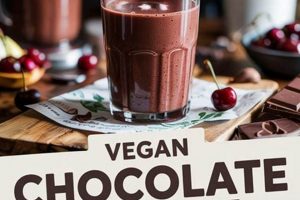
A dairy-free, plant-based variation of a classic beverage comprises cocoa or chocolate flavoring blended with non-dairy milk and other ingredients to achieve a creamy texture. Common examples include using almond milk, soy milk, oat milk, or coconut milk as the base, combined with ingredients such as cocoa powder, vegan chocolate syrup, dates, bananas, or avocado to enhance flavor and consistency.
This alternative offers several advantages, particularly for individuals with lactose intolerance, dairy allergies, or those adhering to a vegan lifestyle. It allows consumers to enjoy a familiar treat while avoiding animal products and potential digestive discomfort. Historically, the rise of veganism and increased awareness of dietary restrictions have fueled the demand for plant-based alternatives to traditional foods and beverages, resulting in a proliferation of recipes and commercially available options.
The subsequent sections will delve into specific recipes, ingredient substitutions, nutritional considerations, and the environmental impact associated with producing this type of beverage. Further exploration will also address methods for achieving optimal texture and flavor, as well as comparisons to conventional versions regarding taste, cost, and accessibility.
Tips for Crafting a Superior Dairy-Free Chocolate Beverage
The following guidelines provide crucial insights for successfully creating a rich and satisfying plant-based chocolate drink, focusing on achieving optimal flavor, texture, and nutritional value.
Tip 1: Select a High-Quality Non-Dairy Milk Base: The type of plant-based milk significantly impacts the final product. Oat milk offers a naturally creamy texture, while cashew milk contributes richness. Consider the flavor profile and consistency of each option to complement the chocolate component.
Tip 2: Utilize Intense Chocolate Flavor Enhancers: Employing both cocoa powder and dark chocolate enhances the depth of chocolate flavor. Opt for Dutch-processed cocoa powder for a smoother, less acidic taste. Adjust the ratio according to personal preference.
Tip 3: Incorporate Natural Sweeteners Strategically: Dates, maple syrup, or agave nectar can be used to sweeten the beverage without refined sugar. Adjust the amount based on the desired sweetness level and the natural sweetness of other ingredients, such as bananas.
Tip 4: Achieve Creaminess with Frozen Ingredients: Using frozen bananas or avocado provides a thick, creamy texture without the need for dairy. These ingredients also contribute natural sweetness and healthy fats.
Tip 5: Consider Adding a Pinch of Salt: A small amount of salt enhances the sweetness and balances the flavors, creating a more nuanced and complex taste profile.
Tip 6: Control Liquid Ratio for Desired Consistency: Adjust the amount of non-dairy milk to achieve the preferred thickness. Start with a smaller amount and gradually add more until the desired consistency is reached.
Tip 7: Blend Thoroughly for a Smooth Texture: Ensure all ingredients are fully incorporated by blending at high speed for an adequate duration. A smooth, consistent texture is essential for a satisfying drinking experience.
Adhering to these suggestions allows for the creation of a plant-based chocolate drink that replicates the satisfying taste and texture of its traditional counterpart while catering to dietary restrictions and ethical considerations.
The subsequent discussion will address recipe variations and further refinements to customize the plant-based chocolate beverage to individual tastes and preferences.
1. Ingredients

The selection of ingredients is paramount in constructing a palatable and nutritionally sound plant-based chocolate beverage. These components are the direct determinants of the product’s flavor profile, texture, and overall nutritional value. For instance, the choice between coconut milk and almond milk as a base introduces distinct flavor nuances; coconut milk imparts a tropical undertone while almond milk offers a more neutral base. Similarly, the incorporation of raw cacao powder versus processed cocoa powder affects the intensity and inherent bitterness of the chocolate flavor. The omission or inclusion of emulsifiers, such as lecithin sourced from sunflower seeds, influences the smoothness and stability of the final blended product. Each ingredient selection thus exerts a tangible and predictable impact.
Consider the role of sweeteners: Dates, maple syrup, and stevia provide varying degrees of sweetness and contribute differing micronutrient profiles. Dates offer fiber and trace minerals, while maple syrup provides a distinct flavor, and stevia delivers intense sweetness with minimal caloric impact. Understanding the inherent properties of each sweetener facilitates the precise tailoring of the plant-based beverage’s taste to meet specific dietary needs or preferences. Furthermore, additions such as avocado or frozen banana can contribute to a creamier texture, replicating the mouthfeel typically associated with dairy-based milkshakes. The careful management of these elements is vital for creating a satisfactory plant-based replica.
Ultimately, the success of any plant-based, chocolate-flavored, blended beverage hinges on a thorough understanding of how individual ingredients interact to shape the final sensory experience. Recognizing the cause-and-effect relationships between ingredient selection and product attributes allows for the optimization of recipes and the creation of versions that are both satisfying and aligned with ethical or dietary considerations. The ongoing challenge lies in sourcing high-quality ingredients that consistently deliver the desired results, ensuring replicability and consumer satisfaction.
2. Sweeteners
Sweeteners are a critical component in replicating the taste and mouthfeel of traditional chocolate milkshakes within a plant-based context. Their selection directly impacts the overall flavor profile, nutritional content, and suitability for individuals with specific dietary needs or preferences.
- Types of Sweeteners and Their Impact
Various sweeteners are available for inclusion, each possessing distinct characteristics. Refined sugars are generally avoided in favor of natural alternatives like dates, maple syrup, agave nectar, and stevia. Dates contribute sweetness along with fiber and micronutrients, while maple syrup imparts a distinct flavor. Agave nectar is sweeter than sugar, requiring less volume, and stevia offers intense sweetness without caloric input. The choice influences both the taste and nutritional profile.
- Sweetness Level Adjustment
Plant-based beverages often require careful adjustment of sweetness levels to compensate for the absence of dairy’s inherent sweetness. The ratio of sweetener to liquid base and chocolate component must be precisely calibrated. Insufficient sweetness can result in a bland or unappealing product, while excessive sweetness can mask the chocolate flavor and contribute to an unbalanced nutritional profile. Experimentation and taste-testing are crucial to achieving optimal results.
- Considerations for Dietary Restrictions
The selection of sweeteners must align with specific dietary restrictions. Individuals managing blood sugar levels may prefer low-glycemic options like stevia or erythritol. Those with fructose sensitivities need to avoid sweeteners high in fructose, such as agave nectar. Additionally, ethical considerations may influence choices, with some individuals preferring to avoid refined sugar due to its potential processing methods or environmental impact. Careful consideration of these factors is essential.
- Impact on Texture and Blending
Certain sweeteners, particularly dates or thick syrups, can influence the texture and blending process. Dates, for instance, require thorough blending to achieve a smooth consistency. Thick syrups can add to the overall viscosity of the beverage. Conversely, powdered sweeteners may require additional liquid to ensure complete dissolution. Understanding these interactions is necessary for creating a plant-based chocolate milkshake with a desirable texture.
The strategic use of sweeteners is therefore essential in crafting a satisfactory plant-based chocolate beverage. By understanding the properties of different sweeteners and their impact on flavor, nutrition, and texture, it is possible to replicate the experience of a traditional milkshake while adhering to vegan principles and dietary needs.
3. Texture

Texture is a paramount characteristic defining the palatability and overall sensory experience of a plant-based, chocolate-flavored, blended beverage. Achieving a desirable texture, often described as smooth, creamy, and thick, is a central challenge in replicating the qualities of a traditional milkshake in a vegan context.
- Role of Plant-Based Milk Alternatives
The type of plant-based milk significantly influences the final texture. Options such as oat milk naturally possess a creamier consistency compared to almond or rice milk. Higher fat content, as found in coconut milk, also contributes to a richer mouthfeel. The selection of plant-based milk must therefore consider its inherent textural properties and its interaction with other ingredients. For example, using a combination of oat and almond milk can provide a balance of creaminess and lightness.
- Impact of Thickening Agents
Thickening agents are frequently employed to compensate for the absence of dairy cream. Ingredients like avocado, frozen bananas, or cooked and pureed sweet potato introduce viscosity and contribute to a smoother consistency. These additions not only enhance texture but can also contribute nutritional value. Furthermore, stabilizers such as xanthan gum or guar gum can be used in small quantities to prevent separation and maintain a homogenous texture over time.
- Importance of Blending Technique
Proper blending is crucial for achieving a uniformly smooth texture. High-powered blenders are generally recommended to fully incorporate ingredients and eliminate any graininess or lumps. The duration and speed of blending also affect the final texture. Over-blending can sometimes result in an undesirable, overly aerated texture, while under-blending can leave remnants of solid ingredients. A controlled blending process is therefore essential.
- Temperature Considerations
Temperature affects the perceived texture. Serving the plant-based beverage at a sufficiently cold temperature enhances the sensation of thickness and creaminess. Pre-chilling ingredients or adding ice can help achieve this. However, excessive ice can dilute the flavor and reduce the overall viscosity. Balancing the temperature with the desired texture is critical for optimal enjoyment.
The skillful manipulation of plant-based milk alternatives, thickening agents, blending techniques, and temperature contributes to a plant-based, chocolate-flavored, blended beverage that closely mimics the texture of its dairy-based counterpart. Achieving this textural similarity is a primary factor in consumer satisfaction and acceptance of plant-based alternatives.
4. Flavor
Flavor constitutes a primary determinant of the acceptability and overall success of any plant-based, chocolate-flavored, blended beverage. Replicating the complex flavor profile of a traditional chocolate milkshake while adhering to vegan principles necessitates a nuanced understanding of ingredient interactions and flavor enhancement techniques.
- Cocoa Source and Chocolate Intensity
The origin and processing of cocoa directly impact the resulting chocolate flavor. Dutch-processed cocoa powder, for example, exhibits a smoother, less acidic taste compared to natural cocoa powder. The addition of dark chocolate, with varying cocoa percentages, contributes further complexity and intensity. Selecting the appropriate cocoa source and chocolate type is essential for achieving the desired depth of chocolate flavor in the absence of dairy fats, which typically carry and enhance flavor compounds.
- Complementary Flavor Pairings
Strategic flavor pairings can augment the overall taste profile and compensate for any perceived lack of richness. Vanilla extract, cinnamon, or a pinch of sea salt can enhance sweetness and balance the flavors. The inclusion of nut butter, such as peanut or almond butter, introduces a nutty undertone and contributes to a more complex and satisfying taste. These additions should complement, rather than overpower, the chocolate notes.
- Sweetener Influence on Flavor Profile
The choice of sweetener not only affects the sweetness level but also impacts the overall flavor profile. Maple syrup imparts a distinct caramel-like note, while dates contribute a subtle fruitiness. The interplay between the sweetener’s flavor and the chocolate notes determines the final taste experience. Artificial sweeteners, while calorie-free, may introduce off-flavors that detract from the overall enjoyment.
- Masking Undesirable Flavors
Plant-based ingredients can sometimes introduce undesirable flavors that require masking. For example, certain plant-based milks may have a slightly beany or earthy taste. The addition of stronger flavor components, such as dark chocolate or vanilla extract, can effectively mask these off-notes and create a more palatable beverage. Careful ingredient selection and balancing are crucial in minimizing unwanted flavors.
These facets highlight the critical role of flavor management in producing a satisfactory plant-based, chocolate-flavored, blended beverage. Through careful consideration of cocoa source, complementary pairings, sweetener selection, and flavor masking, it is possible to create a plant-based alternative that closely replicates the taste and enjoyment of a traditional chocolate milkshake.
5. Nutrition
The nutritional composition of a plant-based, chocolate-flavored, blended beverage warrants careful examination due to its direct impact on health and suitability for various dietary needs. While offering a dairy-free alternative, the nutritional profile can differ significantly from traditional milkshakes, necessitating informed ingredient selection and portion control.
- Macronutrient Distribution
The balance of macronutrients carbohydrates, fats, and proteins within a plant-based chocolate beverage is determined by the specific ingredients used. The carbohydrate content is largely influenced by the type and quantity of sweetener added, as well as the presence of fruits such as bananas or dates. Fat content depends on the plant-based milk base and any added ingredients like nut butter or avocado. Protein content tends to be lower than in dairy-based milkshakes but can be augmented by incorporating plant-based protein powders or using protein-rich plant milks like soy milk.
- Micronutrient Content
The micronutrient profile is variable, contingent upon the specific ingredients. Plant-based milks can be fortified with calcium, vitamin D, and vitamin B12, mimicking the nutritional benefits of dairy milk. Cocoa powder contributes antioxidants and minerals like iron and magnesium. Fruits and vegetables added for flavor and texture also contribute vitamins and minerals. However, the bioavailability of certain micronutrients may differ compared to their animal-derived counterparts.
- Sugar Content and Glycemic Impact
The sugar content is a crucial consideration, as excessive sugar intake is linked to various health concerns. Natural sweeteners, while often perceived as healthier, still contribute to the overall sugar load and can affect blood glucose levels. The glycemic index and glycemic load of the beverage depend on the specific sweeteners and ingredients used. Choosing lower-glycemic options and controlling portion sizes are essential for mitigating potential negative impacts on blood sugar control.
- Fiber Content and Digestive Health
Plant-based chocolate beverages can be a source of dietary fiber, depending on the ingredients. Fruits, vegetables, and nuts contribute fiber, which supports digestive health and promotes satiety. However, the fiber content may be lower than in whole, unprocessed foods. Individuals seeking to increase their fiber intake should consider incorporating additional fiber-rich ingredients or consuming the beverage as part of a balanced diet.
In summary, the nutritional value of a plant-based, chocolate-flavored, blended beverage is highly dependent on the ingredients selected and their proportions. Thoughtful ingredient choices can result in a nutritious and satisfying alternative to traditional milkshakes, aligning with various dietary preferences and health goals. Careful attention should be paid to macronutrient distribution, micronutrient content, sugar levels, and fiber content to optimize the beverage’s nutritional profile.
6. Adaptability

The versatility of a plant-based, chocolate-flavored, blended beverage is a defining characteristic, allowing for considerable customization to suit individual dietary requirements, preferences, and available resources. This inherent adaptability directly contributes to the widespread appeal and sustained viability of the beverage as a satisfying alternative to traditional dairy-based milkshakes. For example, individuals with nut allergies can easily substitute nut-based milks (almond, cashew) with seed-based milks (sunflower, hemp) or oat milk without significantly compromising the final product’s texture or flavor. Similarly, those managing diabetes can opt for low-glycemic sweeteners such as stevia or erythritol, or incorporate a smaller quantity of natural sweeteners like dates or maple syrup, thereby reducing the beverage’s overall impact on blood sugar levels.
Furthermore, the adaptability extends to the nutritional profile. Athletes or individuals seeking to increase their protein intake can add plant-based protein powders (pea protein, brown rice protein) to enhance the beverage’s muscle-building properties. Consumers can tailor fat content by selecting different plant-based milks or adding ingredients such as avocado or coconut cream. This level of control is particularly valuable for individuals following specific dietary plans or managing medical conditions that necessitate precise macronutrient ratios. Practical examples include adjusting ingredients to meet specific calorie goals for weight management or modifying the recipe to eliminate potential allergens for individuals with multiple food sensitivities.
In conclusion, the adaptability inherent in crafting a plant-based chocolate drink represents a key strength. This characteristic ensures that the beverage can be modified to cater to a broad spectrum of dietary needs and preferences, promoting accessibility and long-term adherence. The ongoing challenge lies in effectively communicating the potential for customization and providing readily accessible resources that empower consumers to tailor recipes to meet their unique requirements, ensuring that the plant-based beverage remains a viable and appealing alternative for diverse populations.
Frequently Asked Questions
The following questions address common inquiries and concerns surrounding plant-based, chocolate-flavored, blended beverages, offering concise and factual responses.
Question 1: Is a “chocolate milkshake vegan” nutritionally comparable to a dairy-based version?
Nutritional profiles vary significantly depending on the specific ingredients. Plant-based versions may be lower in saturated fat but may also lack certain micronutrients naturally present in dairy, unless fortified. Careful ingredient selection is essential to achieve a balanced nutritional composition.
Question 2: Can a plant-based chocolate milkshake replicate the texture of a traditional milkshake?
Achieving a comparable texture is possible through strategic ingredient selection and blending techniques. The use of ingredients like frozen bananas, avocado, or specific plant-based milks (e.g., oat milk) contributes to a creamy, thick consistency.
Question 3: What are common plant-based milk alternatives used in chocolate milkshakes?
Frequently used alternatives include almond milk, soy milk, oat milk, cashew milk, and coconut milk. Each milk alternative imparts a distinct flavor and textural characteristic to the final product. The selection should align with individual preferences and dietary requirements.
Question 4: How can the sweetness level be effectively controlled in a plant-based chocolate milkshake?
Sweetness can be adjusted using various natural sweeteners such as dates, maple syrup, agave nectar, or stevia. The quantity should be carefully calibrated based on the desired sweetness level and the inherent sweetness of other ingredients.
Question 5: Are there any potential allergens to consider in a plant-based chocolate milkshake?
Common allergens present in plant-based ingredients include nuts (almonds, cashews), soy, and gluten (if using certain oat milks not certified gluten-free). Individuals with allergies should carefully review ingredient lists and choose appropriate alternatives.
Question 6: Does a “chocolate milkshake vegan” have a shorter shelf life than a dairy-based version?
The shelf life of a plant-based chocolate milkshake is typically shorter due to the absence of preservatives often found in commercially produced dairy milkshakes. It is recommended to consume plant-based versions shortly after preparation or store them properly in the refrigerator for a limited time.
In summary, crafting a satisfactory plant-based, chocolate-flavored, blended beverage requires attention to detail, from ingredient selection to blending techniques. Understanding the nuances of plant-based ingredients allows for the creation of a delicious and nutritious alternative to traditional milkshakes.
The subsequent section will explore specific recipe variations and address advanced techniques for optimizing the plant-based chocolate beverage.
Concluding Remarks on Chocolate Milkshake Vegan
This exposition has detailed the multifaceted nature of the plant-based chocolate milkshake. It has encompassed ingredient selection, texture optimization, flavor enhancement, and nutritional considerations. The exploration has revealed that creating a satisfactory, dairy-free version necessitates careful attention to detail and a thorough understanding of ingredient interactions. The adaptability of the concept allows for considerable customization to accommodate diverse dietary needs and preferences, solidifying its position as a viable alternative to traditional dairy-based options.
Continued innovation in plant-based ingredients and techniques will further refine the quality and accessibility of the chocolate milkshake vegan. Further research into optimal ingredient combinations and improved processing methods holds the potential to bridge the remaining gaps in taste and texture, ensuring its place as a mainstay within the evolving landscape of dietary choices. Consumers are encouraged to critically evaluate ingredient lists and nutritional information to make informed decisions that align with their individual health goals and ethical considerations.