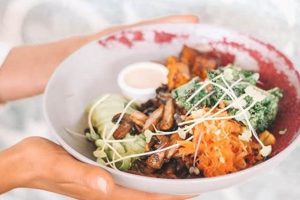
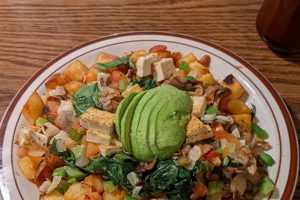
The act of ordering plant-based meals at establishments primarily serving Chinese cuisine presents a specific set of dietary considerations. For instance, a patron might request tofu stir-fry with vegetables, ensuring the dish is prepared without animal-derived ingredients like meat, fish sauce, or oyster sauce.
Adhering to a plant-based diet while dining out provides several advantages, including the promotion of ethical consumption, reduction of environmental impact, and potential health benefits. Historically, many Asian cuisines have incorporated vegetarian and vegan elements, creating a foundation upon which these dining choices can be made.
Understanding common ingredients, appropriate ordering strategies, and potentially problematic items enables individuals to navigate menus effectively. Key areas of exploration involve identifying hidden animal products, customizing dishes to meet dietary needs, and exploring restaurant options known for their plant-based offerings.
Successfully ordering meals aligned with plant-based principles requires diligence and awareness when frequenting restaurants serving primarily Chinese cuisine. The following guidelines offer practical strategies for informed decision-making.
Tip 1: Scrutinize Ingredient Lists: Many seemingly vegetarian dishes contain hidden animal products. Egg is frequently used in fried rice and some noodle preparations. Request confirmation that dishes are prepared without egg or other animal derivatives.
Tip 2: Be Aware of Sauces: Oyster sauce and fish sauce are common ingredients in many Chinese sauces. Request alternatives, such as soy sauce or vegetable-based broths, for flavoring.
Tip 3: Inquire About Cooking Oil: Certain restaurants may use animal fats, such as lard, in cooking. Verify the type of oil employed and request vegetable oil when possible.
Tip 4: Customize Your Order: Request modifications to existing menu items. Substitute tofu for meat, increase the vegetable content, and specify the removal of unwanted ingredients. Communicate dietary requirements clearly to the server.
Tip 5: Explore Tofu and Vegetable Dishes: Select menu items that prominently feature tofu and vegetables. Mapo tofu (requesting it without meat), vegetable stir-fries, and steamed greens are generally reliable choices.
Tip 6: Utilize Translation Tools: Employ translation apps or websites to understand ingredient lists and communicate specific dietary requests effectively. Having written phrases available can be beneficial.
Tip 7: Consider Condiments Carefully: Chili oil and some soy sauce varieties may contain animal-derived additives. Inquire about the ingredients before use.
Effective communication with restaurant staff and careful consideration of ingredients are crucial for ensuring a satisfactory dining experience. By following these recommendations, individuals can confidently navigate menus and make informed choices.
The subsequent sections will address specific restaurant options and common menu items, providing further guidance for plant-based dining.
1. Ingredient awareness

Ingredient awareness is foundational to plant-based dining at establishments serving primarily Chinese cuisine. The presence of seemingly innocuous ingredients can render a dish unsuitable for strict dietary adherence. The cause-and-effect relationship is direct: a lack of ingredient awareness leads to the unintended consumption of animal products. A practical example is the widespread use of oyster sauce; many assume it is vegetarian due to its name, but it contains extracts from oysters. Without scrutinizing ingredients, consumers risk violating their dietary principles.
The importance of ingredient awareness extends beyond simply avoiding overt meat products. Many sauces, broths, and even cooking oils may contain hidden animal derivatives. Dim sum, for instance, frequently contains lard or other animal fats in the dough. Spring rolls may be fried in animal-based oils. By cultivating vigilance regarding ingredients, individuals can proactively modify orders, request substitutions, and select menu items that genuinely conform to plant-based restrictions. The practical significance lies in empowering informed choices and promoting confidence when dining out.
Challenges to ingredient awareness include language barriers, incomplete menu descriptions, and variations in restaurant practices. Overcoming these obstacles requires proactive communication with restaurant staff and the utilization of translation resources. Ultimately, heightened ingredient awareness enables consumers to navigate menus effectively, ensuring a more consistent and fulfilling dining experience while upholding their dietary commitments in the context of plant-based dining in primarily Chinese restaurants.
2. Sauce Scrutiny

Plant-based dining at Chinese restaurants necessitates rigorous examination of sauces. Seemingly vegetarian dishes may contain sauces with hidden animal products, compromising dietary adherence. Comprehensive sauce scrutiny is therefore paramount.
- Oyster Sauce Identification
Oyster sauce, a common ingredient, poses a significant challenge. It contains oyster extracts, rendering it unsuitable for a plant-based diet. Diners must actively identify and request the omission of this sauce, opting for soy sauce-based alternatives.
- Fish Sauce Awareness
Fish sauce, frequently found in Southeast Asian-inspired dishes served in some Chinese restaurants, is another potential pitfall. Similar to oyster sauce, it is derived from marine animals and must be avoided. Ingredient lists and direct inquiries are essential for confirmation.
- Hidden Animal Fats in Chili Oil
Chili oil, often used as a condiment, can sometimes contain rendered animal fat for added flavor. Careful inspection of the oil’s composition is required. Vegetable-based chili oil alternatives should be requested when available.
- MSG Considerations and Flavor Enhancers
While not always animal-derived, some flavor enhancers added to sauces may contain trace amounts of animal byproducts or be tested on animals during development. Awareness of these ingredients and their potential impact is crucial for strict adherents to plant-based principles.
Thorough sauce scrutiny demands active communication with restaurant staff and a willingness to customize orders. By diligently investigating sauce ingredients and requesting appropriate substitutions, individuals can more confidently navigate Chinese restaurant menus, aligning their culinary choices with plant-based dietary restrictions, supporting plant-based dining practices at Chinese restaurants.
3. Cooking Oil Verification

Verification of cooking oil composition constitutes a critical component of plant-based dining in Chinese restaurants. The presence of animal-derived fats, frequently concealed within cooking processes, necessitates rigorous scrutiny to ensure dietary adherence. This practice is essential for individuals seeking to maintain a strict plant-based regimen when dining in these establishments.
- Lard Identification and Avoidance
Lard, rendered pig fat, is a traditional cooking medium in some Chinese regional cuisines. Restaurants may employ it for its flavor-enhancing properties or to achieve a specific texture. Plant-based diners must actively inquire about the use of lard and request vegetable oil alternatives, such as canola, soybean, or peanut oil.
- Hidden Animal Fats in Wok Cooking
The high-heat environment of wok cooking can necessitate the use of animal fats due to their higher smoke points. While vegetable oils are increasingly common, verification remains crucial. Direct communication with cooking staff is often the only reliable method for confirming the absence of animal fats in wok-prepared dishes.
- Cross-Contamination Risks
Even if a restaurant ostensibly uses vegetable oil, cross-contamination can occur. If the same wok or fryer is used for both meat-containing and plant-based dishes, animal fats can transfer to the latter. Specifying separate cooking utensils and surfaces mitigates this risk, although complete assurance may not always be possible.
- Visual Inspection and Sensory Assessment
In certain instances, visual inspection of the cooking oil or sensory assessment of the dishs aroma may provide clues regarding the presence of animal fats. A greasy or distinctly meaty scent could indicate the use of lard or other non-plant-based cooking mediums. However, these methods are subjective and should not replace direct inquiry.
These facets of cooking oil verification highlight the proactive approach required for consistent adherence to a plant-based diet in establishments serving Chinese cuisine. Thorough investigation, combined with clear communication, enables informed decision-making and minimizes the risk of unintended consumption of animal products, solidifying plant-based dining practices.
4. Menu Customization

Menu customization is a cornerstone of adhering to a plant-based diet within establishments primarily serving Chinese cuisine. Given the prevalence of animal products and hidden ingredients, the ability to modify existing dishes becomes essential for individuals seeking suitable meal options.
- Ingredient Substitution
Ingredient substitution involves replacing animal-derived components with plant-based alternatives. The most common example is substituting tofu or tempeh for meat in stir-fries or noodle dishes. The efficacy of this approach depends on the restaurant’s willingness to accommodate requests and the availability of suitable replacements. Implications include expanding the range of available options and ensuring adherence to dietary restrictions.
- Sauce Modification
Sauce modification requires specifying alternative sauces that do not contain animal products. Requesting soy sauce or vegetable-based broths in lieu of oyster sauce or fish sauce is a frequent necessity. Success hinges on clear communication and the restaurant’s understanding of dietary requirements. Consequences include avoiding hidden animal ingredients and enhancing the palatability of plant-based meals.
- Omission of Problematic Items
Omission involves requesting the removal of specific ingredients known to contain animal products. Examples include omitting egg from fried rice or removing meat from vegetable dishes. This strategy requires careful menu scrutiny and precise communication. The effect is to eliminate potential sources of dietary non-compliance, resulting in a more predictable and controllable dining experience.
- Portion Adjustment and Addition of Vegetables
Portion adjustment and the addition of vegetables involve increasing the quantity of plant-based components in a dish. Requesting a larger portion of vegetables in a stir-fry or adding extra tofu can enhance nutritional value and satiety. This customization relies on the restaurant’s flexibility and willingness to adapt serving sizes. Outcomes include a more balanced and fulfilling meal that aligns with plant-based dietary goals.
These facets of menu customization, when implemented effectively, significantly enhance the feasibility and enjoyment of plant-based dining at Chinese restaurants. They empower individuals to navigate menus, modify existing dishes, and create personalized meal options that align with their dietary principles, thereby contributing to a more sustainable and ethical dining experience.
5. Hidden ingredients

The presence of concealed animal-derived elements in seemingly plant-based dishes represents a significant obstacle to successful adherence to a strict diet when dining at establishments serving primarily Chinese cuisine. Unrecognized or undisclosed ingredients can undermine dietary principles and compromise consumer confidence.
- Broths and Stocks
Many soups and sauces utilize broths or stocks as a base. These may be derived from animal bones or meat, imparting a flavor that is often undetected without explicit inquiry. Instances include wonton soup (often using pork broth) and vegetable dishes simmered in chicken stock. Implications involve potential consumption of animal products without knowledge, requiring proactive questioning regarding broth composition.
- Egg as a Binding Agent
Egg is frequently employed as a binding agent in dishes such as spring rolls, dumplings, and even certain vegetable preparations. Its presence may not be readily apparent, particularly when finely incorporated. Consequences include inadvertent consumption of eggs, necessitating careful examination of ingredient lists and direct communication with restaurant staff.
- Honey as a Sweetener
Honey, while not an obvious animal product, is often excluded from strict plant-based diets due to its production involving bees. Its use as a sweetener in sauces or marinades can be overlooked. Examples include honey-glazed walnuts or honey-garlic sauces. Implications demand conscious awareness of sweetener choices and requests for alternatives like maple syrup or agave.
- Gelatin in Desserts
Gelatin, derived from animal collagen, is commonly found in desserts to provide a gelling or thickening effect. While not prevalent in traditional Chinese cuisine, it can appear in westernized desserts offered in some restaurants. Consequences include an ethical issue for adherents to a plant-based lifestyle, making scrutiny of dessert ingredients crucial. Often a plant-based alternative agar-agar may be available.
Addressing the challenge of hidden ingredients requires a multifaceted approach, including diligent menu scrutiny, direct communication with restaurant personnel, and an understanding of common culinary practices. By proactively investigating potential sources of animal-derived elements, individuals can navigate menus more effectively and minimize the risk of unintended consumption when seeking plant-based options at Chinese restaurants. This awareness ultimately fosters a more transparent and consistent dining experience.
6. Communication efficacy

Communication efficacy is paramount for individuals adhering to a plant-based diet when dining in establishments serving primarily Chinese cuisine. The intricacies of Chinese cooking, including hidden animal products and nuanced ingredient lists, necessitate clear and effective dialogue between patrons and restaurant staff. A breakdown in communication can directly result in the unintended consumption of non-plant-based ingredients. For example, ordering “vegetable dumplings” without explicitly requesting the exclusion of lard in the dough preparation may lead to a violation of dietary principles. The importance of this component stems from the inherent challenges of navigating menus that often lack detailed ingredient descriptions. The effect of effective communication is the ability to tailor orders precisely to dietary requirements.
Practical application of communication efficacy involves several key strategies. First, employing precise language when placing orders is crucial. Rather than simply stating “I am vegan,” specifying “I do not eat any meat, fish, eggs, dairy, or honey” provides clarity. Second, proactively inquiring about specific ingredients and cooking methods is essential. For instance, asking “Is the vegetable broth made with animal bones?” clarifies potential sources of hidden animal products. Third, using translation tools or pre-prepared phrases in Mandarin can facilitate communication in restaurants where language barriers exist. These strategies directly translate into increased control over the dietary content of the meal.
In summary, the link between communication efficacy and successfully navigating menus while maintaining a plant-based diet at Chinese restaurants is inextricable. Challenges include language barriers and incomplete menu descriptions. Overcoming these requires a proactive and informed approach to communication, ensuring that dietary needs are conveyed clearly and comprehensively. Effective dialogue empowers individuals to make informed choices and minimize the risk of unintended animal product consumption, thereby fostering a more positive and reliable dining experience aligned with ethical and dietary considerations.
Frequently Asked Questions
The following questions address common concerns and misconceptions regarding adhering to a plant-based diet in restaurants primarily serving Chinese cuisine. These answers provide clarity and guidance for informed decision-making.
Question 1: Are all vegetable dishes automatically plant-based at Chinese restaurants?
No. Many vegetable dishes may contain hidden animal products such as oyster sauce, fish sauce, or chicken broth. Thorough inquiry regarding ingredients is essential.
Question 2: How can one effectively communicate plant-based dietary needs to restaurant staff?
Specifying all prohibited ingredients (meat, fish, eggs, dairy, honey) and using precise language minimizes ambiguity. Employing translation tools may also be beneficial when language barriers exist.
Question 3: What are the most common hidden animal products to be aware of?
Oyster sauce, fish sauce, lard (used in cooking oil or dough), egg (in fried rice or noodles), and chicken broth are frequently encountered hidden ingredients.
Question 4: Is tofu always a safe plant-based option?
While tofu itself is plant-based, its preparation may involve non-plant-based ingredients. Ensure it is not cooked with animal fats or served with non-plant-based sauces.
Question 5: Can dishes be reliably modified to accommodate plant-based requirements?
Modifications are often possible, but success depends on the restaurant’s willingness and ability to accommodate requests. Clear communication and ingredient substitutions are key.
Question 6: Are there specific types of Chinese restaurants that are more conducive to plant-based dining?
Restaurants specializing in vegetarian or Buddhist cuisine are generally more accommodating to plant-based diets. However, ingredient awareness remains crucial even in these establishments.
In summary, diligent ingredient scrutiny, effective communication, and a proactive approach are essential for navigating plant-based dining in the context of Chinese restaurants. By addressing common misconceptions and providing practical guidance, these FAQs empower individuals to make informed choices and maintain their dietary principles.
The subsequent sections will delve deeper into specific menu items and provide targeted advice for identifying plant-based options.
Conclusion
The preceding analysis has illuminated the multifaceted considerations inherent in adhering to a plant-based diet within Chinese restaurant settings. From scrutinizing ingredient lists and sauces to verifying cooking oils and customizing menu items, a proactive and informed approach is indispensable. The presence of hidden animal products and potential communication barriers necessitates diligence and clarity in every interaction with restaurant staff.
The successful integration of plant-based principles into the Chinese restaurant experience demands a sustained commitment to ingredient awareness and effective communication. Patrons are encouraged to embrace informed consumerism, prioritizing restaurants demonstrably accommodating to dietary needs and promoting transparency in food preparation. The ongoing pursuit of plant-based options within diverse culinary landscapes holds significant implications for ethical consumption and sustainable food practices. The future entails continued advocacy for greater menu transparency and the wider availability of plant-based alternatives in all dining establishments.