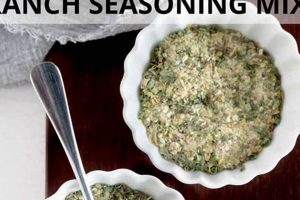
A dry blend of herbs and spices formulated to replicate the flavor profile of traditional ranch dressing without the use of animal-derived ingredients. It typically incorporates dehydrated herbs like dill, parsley, and chives, combined with garlic and onion powder, salt, pepper, and often a tangy element such as citric acid or dried vinegar to mimic the buttermilk notes of conventional ranch. A common application is mixing this blend with plant-based alternatives like cashews, sunflower seeds, or coconut milk to create a creamy, dairy-free dressing or dip.
This alternative seasoning offers several advantages. It provides a convenient way to add familiar and popular flavor to dishes while adhering to dietary restrictions associated with veganism. Furthermore, it eliminates cholesterol and saturated fat often found in dairy-based ranch products. The ability to create dressings and dips from scratch with this blend also allows for greater control over ingredients, minimizing preservatives and artificial additives. Its rise in popularity reflects the growing demand for plant-based alternatives in the food industry and consumers’ increased awareness of the environmental and health impacts of their dietary choices.
The subsequent sections will explore the specific ingredients commonly found in these products, analyze variations in flavor profiles across different brands, and offer guidance on effectively incorporating this seasoning into various culinary applications. Further discussion will focus on sourcing high-quality ingredients and storing the blend to maintain its optimal flavor and potency.
Enhancing Culinary Creations
Effective utilization of the specified seasoning requires adherence to specific preparation and application techniques to achieve optimal flavor and desired texture.
Tip 1: Prioritize the incorporation of fresh herbs when feasible. Integrating finely chopped fresh dill, parsley, or chives enhances the aromatic complexity and overall flavor profile compared to relying solely on dehydrated herbs within the seasoning blend. Adjust the quantity of the seasoning to accommodate the additional herbs.
Tip 2: Employ a high-speed blender or food processor to achieve a uniformly smooth consistency when preparing dressings or dips. Inadequate blending results in a grainy texture, detracting from the overall sensory experience.
Tip 3: Experiment with different plant-based liquid bases to customize the flavor and texture of the final product. Cashew cream offers a rich, decadent profile, while sunflower seed cream provides a more neutral base. Coconut milk contributes a subtle sweetness and creamy texture, suitable for applications where a hint of coconut flavor is desirable.
Tip 4: Allow the prepared dressing or dip to rest in the refrigerator for at least 30 minutes prior to serving. This resting period facilitates the melding of flavors, resulting in a more cohesive and nuanced taste experience.
Tip 5: Consider adding a touch of acidity to brighten the flavor. Lemon juice or apple cider vinegar complements the herbal notes and provides a refreshing counterpoint to the richness of the plant-based base. Begin with a small amount and adjust to taste.
Tip 6: For a spicier variation, incorporate a pinch of cayenne pepper or a few drops of hot sauce. The addition of heat enhances the overall complexity and adds a stimulating dimension to the flavor profile.
Tip 7: Store the seasoning blend in an airtight container in a cool, dark place to preserve its potency and prevent degradation of the herbs and spices. Exposure to light, heat, and moisture accelerates the loss of volatile aromatic compounds, diminishing the flavor intensity.
By following these recommendations, culinary professionals and home cooks can elevate the quality and consistency of dishes featuring this seasoning, ensuring a delightful and flavorful dining experience. This comprehensive approach allows for precise control over the final product, maximizing the desired flavor profile.
The following section will address frequently asked questions regarding this seasoning blend, providing further clarification on its usage and storage.
1. Flavor Profile

The flavor profile of a vegan ranch seasoning is paramount to its success as a substitute for traditional dairy-based ranch. The desired outcome is a blend that accurately mimics the tangy, savory, and herbaceous characteristics of the original. This replication hinges on the precise selection and proportioning of ingredients to create a specific sensory experience. For instance, an insufficient amount of dill or chives can result in a bland, underwhelming taste, while an overabundance of garlic powder can create an overly pungent and unbalanced profile. Citric acid or other acidulants play a critical role in providing the signature tanginess reminiscent of buttermilk, a key element in traditional ranch flavor.
Variations in flavor profiles across different brands of this seasoning highlight the importance of ingredient sourcing and formulation techniques. Some brands may emphasize the herbaceous notes, leading to a fresher, more garden-like flavor, while others might prioritize the savory components, resulting in a richer, more umami-driven experience. Furthermore, the inclusion of ingredients like smoked paprika or nutritional yeast can introduce unique flavor dimensions, broadening the range of available options. The practical significance of understanding the flavor profile lies in enabling informed consumer choices and facilitating the creation of complementary culinary pairings.
In summary, the flavor profile represents a crucial determinant of the product’s success. A well-developed flavor profile ensures consumer satisfaction and allows for diverse culinary applications. Challenges in achieving an optimal flavor profile include replicating the complexity of dairy-based ranch without using animal products and maintaining consistency across batches. Ultimately, a thorough understanding of flavor profiles enables both manufacturers and consumers to navigate the diverse range of this seasoning blends effectively.
2. Ingredient Composition

Ingredient composition is the foundational element defining the authenticity, flavor, and nutritional profile of any vegan ranch seasoning. It dictates not only the taste and texture but also the product’s suitability for consumers with specific dietary needs and preferences.
- Herbal Components
The herbal components, typically including dried dill, parsley, and chives, provide the characteristic fresh, green notes essential to ranch flavor. The quality and proportion of these herbs significantly impact the overall taste. For instance, a higher concentration of dill contributes a distinct, slightly anise-like flavor, whereas an abundance of parsley may lend a grassy undertone. The use of freeze-dried herbs, compared to air-dried, often results in a more vibrant color and intense aroma.
- Savory Elements
Garlic powder and onion powder form the savory backbone of the blend. The ratio between these two ingredients is critical; excessive garlic powder can overpower the other flavors, while insufficient amounts result in a bland profile. Some formulations may incorporate granulated garlic or onion for a coarser texture and more pronounced flavor. Additionally, the inclusion of black pepper provides a subtle spiciness and enhances the overall complexity.
- Acidic Agents
To replicate the tanginess of traditional buttermilk ranch, vegan formulations rely on acidic agents such as citric acid, lactic acid, or cream of tartar. The choice of acidulant influences the flavor; citric acid delivers a bright, sharp tang, while lactic acid provides a milder, more rounded acidity. The concentration of these agents must be carefully controlled to avoid an overly sour or astringent taste.
- Textural Modifiers
Some blends incorporate ingredients like tapioca starch or arrowroot powder to improve the texture of dressings or dips prepared with the seasoning. These starches act as thickening agents, creating a smoother, creamier consistency. The addition of stabilizers, such as xanthan gum, can further enhance the texture and prevent separation of the dressing or dip over time.
In conclusion, the interplay of these components determines the overall success of a vegan ranch seasoning. Careful selection and precise balancing are essential to creating a product that accurately mimics the flavor of traditional ranch while meeting the dietary requirements of vegan consumers. A comprehensive understanding of ingredient composition allows for informed product development and enables consumers to make discerning purchasing decisions.
3. Plant-Based Alternatives

Plant-based alternatives form the cornerstone of vegan ranch seasoning, providing the necessary substitutes for animal-derived ingredients traditionally found in conventional ranch dressing. The selection and preparation of these alternatives directly impact the flavor, texture, and nutritional profile of the final product.
- Creamy Bases
The creamy base typically consists of plant-derived substances such as soaked and blended cashews, sunflower seeds, or coconut cream. These ingredients provide the richness and mouthfeel associated with traditional ranch. The choice of base significantly affects the final flavor; cashews offer a neutral, buttery flavor, while sunflower seeds impart a slightly nutty taste. Coconut cream, though richer, may introduce a subtle coconut flavor. The preparation method, particularly the soaking time for nuts and seeds, influences the smoothness of the final product.
- Acidic Components
Instead of buttermilk, vegan ranch seasonings incorporate acidic components such as lemon juice, apple cider vinegar, or lactic acid to achieve the characteristic tang. These acids not only contribute to the flavor profile but also act as natural preservatives, extending the shelf life of the dressing or dip. The concentration of these components requires careful calibration to balance the richness of the base and prevent an overly sour taste. Furthermore, the type of acid used can influence the overall complexity of the flavor profile.
- Herbal Infusions
The herbal component of vegan ranch seasoning typically includes dried or fresh herbs such as dill, parsley, chives, and garlic. These herbs provide the aromatic and savory elements that define ranch dressing. The use of fresh herbs enhances the flavor intensity and adds a visual appeal. The proportions of these herbs must be carefully balanced to create a harmonious flavor profile, avoiding an overemphasis on any single herb. Additionally, the quality of the herbs, whether organically grown or conventionally produced, can impact the overall flavor and aroma.
- Nutritional Enhancements
Some formulations incorporate nutritional yeast to add a cheesy or umami flavor note, enhancing the savory aspect of the dressing. Nutritional yeast is a deactivated yeast that is rich in B vitamins and provides a unique flavor dimension. Other optional additions may include white miso paste or tahini, which contribute both flavor and texture. These enhancements can significantly alter the overall nutritional profile of the seasoning, adding beneficial nutrients while also potentially introducing allergens or increasing the sodium content.
In conclusion, plant-based alternatives are integral to formulating vegan ranch seasoning. The selection of appropriate bases, acidic components, herbal infusions, and optional nutritional enhancements directly impacts the success of replicating the flavor and texture of traditional ranch dressing while adhering to vegan principles. Careful consideration of these alternatives allows for the creation of a palatable and nutritious product that caters to the growing demand for plant-based options.
4. Culinary Versatility

The culinary versatility of vegan ranch seasoning stems from its ability to impart a familiar and appealing flavor profile to a diverse range of dishes, independent of traditional dairy-based applications. This stems from its core flavor components – herbs, spices, and acid – being widely compatible with various food categories. The absence of dairy inherently broadens its applicability to individuals with lactose intolerance or those adhering to plant-based diets. A direct consequence of this adaptability is its incorporation into dishes where conventional ranch would be unsuitable, such as Asian-inspired noodle dishes or as a dry rub for plant-based proteins intended for grilling. This expanded use-case illustrates the seasoning’s importance as a flavor enhancer beyond its original intended purpose.
Practical applications extend to both home cooking and professional culinary settings. In the home, it can be readily incorporated into vegetable dips, sprinkled on roasted potatoes, or mixed into vegan pasta salads, thereby simplifying meal preparation and enhancing flavor complexity. In professional kitchens, vegan ranch seasoning offers a cost-effective and consistent means of creating plant-based menu options that appeal to a wider customer base. For example, restaurants can use it to season vegan burgers, create signature salad dressings, or offer a dairy-free alternative to traditional ranch dipping sauces, thus diversifying their offerings and attracting health-conscious consumers.
In summary, the culinary versatility of vegan ranch seasoning is a key factor driving its increasing popularity. Its adaptable flavor profile and ease of use facilitate its integration into a wide array of dishes, making it a valuable ingredient for both home cooks and culinary professionals. Challenges remain in educating consumers about its diverse applications and ensuring consistency in flavor across different brands and formulations. However, the continued growth of plant-based diets suggests that its culinary significance will continue to expand.
5. Storage Stability

Storage stability represents a critical parameter in assessing the quality and shelf-life of vegan ranch seasoning. The inherent properties of its constituent ingredients, primarily dried herbs and spices, render it susceptible to degradation over time if improperly stored. Exposure to moisture, light, and heat initiates a cascade of deteriorative reactions, impacting the aroma, flavor intensity, and overall palatability of the seasoning. The degradation of volatile aromatic compounds within the herbs and spices diminishes the characteristic ranch flavor profile, resulting in a muted and less desirable product. Furthermore, moisture absorption promotes clumping and caking, rendering the seasoning difficult to disperse and use effectively. Examples include the fading of green herbs to a dull brown color and the loss of the characteristic pungency of garlic and onion powder, both direct consequences of inadequate storage conditions.
The practical implications of understanding storage stability are manifold. For manufacturers, optimized packaging solutions that minimize exposure to light and moisture are paramount. This necessitates the use of airtight containers, preferably opaque or tinted, to mitigate photodegradation. The inclusion of desiccants within the packaging can further reduce moisture levels and extend shelf life. Retailers must ensure proper storage conditions, avoiding direct sunlight and maintaining consistent temperatures. Consumers can extend the usability of vegan ranch seasoning by transferring it to airtight containers upon opening, storing it in a cool, dark, and dry location such as a pantry or spice cabinet, and avoiding storage near heat sources like stoves or ovens. Adherence to these storage practices minimizes flavor degradation and prevents the growth of mold or bacteria, ensuring food safety and quality.
In summary, storage stability is inextricably linked to the quality and longevity of vegan ranch seasoning. The interplay between environmental factors and the intrinsic properties of the seasoning dictates its shelf life and sensory attributes. Implementing appropriate packaging, storage, and handling procedures is essential to mitigate degradation and maintain the desired flavor profile, ultimately ensuring consumer satisfaction and minimizing product waste. Addressing the challenges posed by environmental factors requires a multifaceted approach involving manufacturers, retailers, and consumers, each playing a critical role in preserving the integrity of the product.
6. Health Benefits

The health benefits associated with vegan ranch seasoning derive primarily from its composition relative to traditional, dairy-based ranch dressings. The elimination of animal products inherently alters the nutritional profile, impacting aspects such as saturated fat content and cholesterol levels. These modifications can influence various physiological parameters and align with dietary guidelines aimed at promoting cardiovascular health and overall well-being. Understanding the specific components contributing to these benefits is essential for informed dietary choices.
- Reduced Saturated Fat Intake
Traditional ranch dressings typically contain significant amounts of saturated fat due to the presence of dairy ingredients such as buttermilk and sour cream. Vegan alternatives, utilizing plant-based ingredients like cashews or sunflower seeds, offer a substantially lower saturated fat content. Lowering saturated fat intake is a cornerstone of dietary recommendations for reducing the risk of cardiovascular disease. In practical terms, substituting a vegan ranch dressing for a dairy-based option in a salad can contribute to a significant reduction in daily saturated fat consumption.
- Elimination of Cholesterol
Cholesterol is exclusively found in animal products; therefore, vegan ranch seasoning, by definition, is cholesterol-free. High cholesterol levels are a major risk factor for atherosclerosis and heart disease. Removing cholesterol from the diet, where possible, can contribute to maintaining healthy blood lipid profiles. The consumption of vegan ranch seasoning, as opposed to traditional varieties, directly eliminates a source of dietary cholesterol.
- Potential for Increased Fiber Consumption
Depending on the specific ingredients used, vegan ranch seasoning may contribute to increased fiber intake. Some formulations incorporate nuts, seeds, or vegetables that are naturally rich in dietary fiber. Fiber plays a crucial role in promoting digestive health, regulating blood sugar levels, and increasing satiety. For example, a vegan ranch dressing made with blended cashews or sunflower seeds provides a source of fiber that is absent in traditional dairy-based dressings.
- Source of Vitamins and Minerals
Vegan ranch seasoning can offer a source of various vitamins and minerals, depending on the specific ingredients. Plant-based ingredients like nutritional yeast can provide B vitamins, while herbs and spices offer trace amounts of essential minerals. While the quantities may be relatively small, they contribute to overall nutrient intake. The presence of herbs such as dill and parsley, for example, provides vitamin K and vitamin C, respectively.
In conclusion, the health benefits associated with vegan ranch seasoning are primarily linked to the substitution of animal-derived ingredients with plant-based alternatives. This substitution results in a reduction of saturated fat and cholesterol, with the potential for increased fiber and micronutrient consumption. While these benefits are noteworthy, it is important to consider the overall nutritional profile of the product, including sodium content and the presence of any added sugars or artificial additives, to make informed dietary choices. A balanced diet and mindful consumption are essential for maximizing the health advantages of any food product.
Frequently Asked Questions
The following section addresses common inquiries and misconceptions regarding vegan ranch seasoning, offering clarity on its composition, usage, and storage.
Question 1: What distinguishes vegan ranch seasoning from traditional ranch seasoning?
Vegan ranch seasoning is formulated without any animal-derived ingredients, such as buttermilk or sour cream, commonly found in traditional ranch seasoning. It relies instead on plant-based alternatives to replicate the flavor and texture profile.
Question 2: What are the primary plant-based ingredients used in vegan ranch seasoning?
Common plant-based ingredients include dried herbs (dill, parsley, chives), spices (garlic powder, onion powder, black pepper), an acidulant (citric acid or lactic acid), and potentially a thickening agent (tapioca starch). The specific ingredients may vary between brands.
Question 3: How should vegan ranch seasoning be stored to maintain its quality?
To preserve its flavor and prevent degradation, vegan ranch seasoning should be stored in an airtight container in a cool, dark, and dry place, away from direct sunlight and heat sources.
Question 4: Can vegan ranch seasoning be used in the same applications as traditional ranch seasoning?
Yes, vegan ranch seasoning can be used in a wide range of applications, including dips, dressings, dry rubs, and as a flavor enhancer for various dishes. Its versatility is comparable to that of traditional ranch seasoning.
Question 5: Does vegan ranch seasoning offer any health benefits compared to traditional ranch seasoning?
Vegan ranch seasoning typically contains lower levels of saturated fat and is cholesterol-free compared to traditional ranch seasoning. It may also offer a source of vitamins and minerals, depending on the specific ingredients used.
Question 6: Where can vegan ranch seasoning be purchased?
Vegan ranch seasoning is widely available at grocery stores, health food stores, and online retailers. Its accessibility has increased with the growing demand for plant-based alternatives.
In summary, vegan ranch seasoning provides a plant-based alternative to traditional ranch seasoning, offering comparable flavor and versatility. Proper storage and mindful consumption contribute to maximizing its benefits.
The subsequent section will explore potential variations in vegan ranch seasoning and methods for custom formulation.
Conclusion
The preceding analysis has elucidated various facets of vegan ranch seasoning, from its fundamental composition and culinary applications to its storage requirements and potential health benefits. The absence of animal-derived ingredients distinguishes it as a viable alternative for individuals adhering to plant-based diets and those seeking to reduce their intake of saturated fat and cholesterol. The seasonings versatility allows for seamless integration into a wide array of culinary creations, mirroring the functionality of its traditional counterpart.
The continued evolution of plant-based food products suggests that vegan ranch seasoning will maintain its relevance in the culinary landscape. Further research into ingredient optimization and flavor enhancement will likely refine existing formulations, resulting in products that more closely replicate the sensory experience of conventional ranch dressing. Consequently, a discerning approach to product selection and informed incorporation into dietary practices remain essential for realizing the full potential of this seasoning.