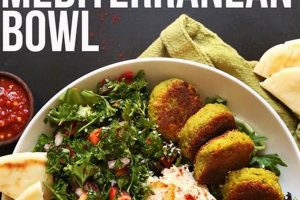
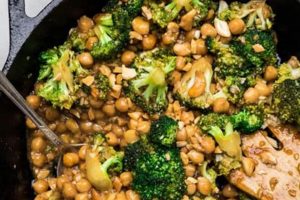
Dishes prepared utilizing chickpea flour as a primary ingredient, while adhering to plant-based dietary guidelines, offer a diverse culinary landscape. For example, one could create a fritter batter with chickpea flour, incorporating vegetables and spices, and then frying it in oil without the inclusion of animal products.
The incorporation of this pulse-based flour into a plant-based regimen provides several advantages. Its high protein and fiber content contributes to satiety and nutritional balance. Historically, this type of flour has been a staple in various cuisines, notably in the Indian subcontinent, where it serves as a foundation for both savory and sweet preparations.
Further exploration will encompass a range of cooking techniques and dishes. Subsequent sections detail the specific properties of this flour, outline methods for its effective utilization, and present curated dishes that showcase its versatility in vegan cuisine.
Tips for Successful Culinary Endeavors Utilizing Chickpea Flour in Plant-Based Recipes
Achieving optimal results when preparing plant-based dishes with chickpea flour necessitates a nuanced understanding of its properties. These guidelines facilitate culinary success and mitigate potential challenges.
Tip 1: Hydration Ratio is Crucial. Employing the correct liquid-to-flour ratio is paramount. Excessive liquid can yield a thin batter that lacks structure, while insufficient liquid can result in a dense and dry final product. Begin with a 1:1 ratio of flour to water and adjust incrementally as required.
Tip 2: Allow Batter to Rest. A rest period of at least 15-30 minutes after mixing the batter enables the flour to fully hydrate, yielding a smoother consistency and improved texture in the finished dish. This step is particularly relevant for preparations such as flatbreads or fritters.
Tip 3: Address Potential Bitterness. Chickpea flour can possess a slightly bitter flavor profile. Roasting the flour lightly in a dry pan prior to use can mitigate this characteristic. Ensure constant monitoring during roasting to prevent burning, which will exacerbate the bitterness.
Tip 4: Manage Grittiness. Incompletely dissolved chickpea flour can result in a gritty texture. Employing a fine-mesh sieve to sift the flour prior to mixing can eliminate larger particles. Thoroughly whisking the batter ensures even distribution and hydration.
Tip 5: Control Cooking Temperature. Overly high cooking temperatures can lead to rapid browning on the exterior while the interior remains undercooked. Moderate heat allows for even cooking and prevents scorching.
Tip 6: Be Mindful of Binding Properties. Chickpea flour exhibits excellent binding characteristics. It can serve as an effective substitute for eggs in vegan baking and other culinary applications. Adjust the amount of flour used in proportion to the desired binding effect.
Tip 7: Season Appropriately. Chickpea flour has a distinct flavor. Liberal and thoughtful seasoning is essential to elevate and complement the taste. Herbs, spices, and other flavorings should be selected strategically to enhance the overall dish.
Mastering these techniques maximizes the potential of chickpea flour in plant-based cooking, enabling the creation of both flavorful and texturally appealing vegan meals.
With a foundational understanding of these critical success factors, the subsequent section will present specific recipes showcasing chickpea flour’s versatility.
1. Nutritional Composition

The nutritional profile of chickpea flour significantly influences its value in plant-based culinary applications. Its inherent composition provides substantial benefits within a vegan dietary framework.
- Protein Content
Chickpea flour possesses a notably high protein content compared to many other plant-based flours. This attribute is advantageous for vegans seeking to meet their protein requirements without animal products. The protein in chickpea flour contributes to satiety and supports muscle maintenance. In plant-based recipes, it provides a valuable source of this macronutrient, enhancing the nutritional completeness of dishes.
- Fiber Abundance
The abundant dietary fiber present in chickpea flour promotes digestive health and contributes to feelings of fullness. This is beneficial for weight management and blood sugar regulation. In a plant-based context, the high fiber content complements the often lower fiber content of processed vegan ingredients, creating a more balanced nutritional profile in various meals.
- Mineral Density
Chickpea flour is a source of essential minerals such as iron, magnesium, and phosphorus. These minerals are vital for various bodily functions, including energy production, bone health, and nerve function. Fortifying vegan diets with mineral-rich ingredients like chickpea flour ensures adequate intake of these crucial micronutrients, addressing potential deficiencies associated with restricted diets.
- Complex Carbohydrates
Chickpea flour provides complex carbohydrates, which offer a sustained release of energy compared to simple sugars. This can help prevent energy crashes and maintain stable blood sugar levels. As a replacement for refined flours in vegan baking and cooking, it supplies a more nutritious source of carbohydrates, minimizing the impact on glycemic control.
The convergence of these nutritional attributes underscores the importance of chickpea flour as a staple ingredient in plant-based recipes. Its high protein, fiber, and mineral content, coupled with its complex carbohydrates, contribute to the creation of nutritionally dense and satisfying vegan meals.
2. Binding Properties

The capacity of chickpea flour to function as a binding agent is a critical determinant in its utility within plant-based cuisine. This characteristic facilitates the creation of cohesive structures in the absence of traditional animal-derived binders, such as eggs. The effectiveness of these properties directly influences the texture, structural integrity, and overall success of various preparations.
- Gluten-Free Cohesion
Unlike wheat flour, chickpea flour lacks gluten. Its binding action stems from its high protein and starch content. Upon hydration and heating, these components coalesce to form a network that holds ingredients together. In vegan recipes, this characteristic is especially valuable in formulations like veggie burgers, where it prevents crumbling during cooking. It provides a cohesive structure to gluten-free flatbreads and pancakes.
- Emulsification Capabilities
Chickpea flour possesses emulsifying properties, aiding in the combination of oil-based and water-based ingredients. The proteins and starches present facilitate the stabilization of emulsions, preventing separation. In plant-based sauces and dressings, it can act as a stabilizer, ensuring a smooth and uniform texture. This contributes to enhanced palatability and aesthetic appeal.
- Textural Modification
The binding action directly impacts the final texture of the dish. Chickpea flour can create a range of textures, from soft and spongy to firm and dense, contingent upon the concentration used and cooking method employed. In vegan baked goods, it can provide a tender crumb structure, mimicking the role of eggs. Conversely, in savory applications like fritters or pakoras, it creates a crispy outer layer while maintaining a moist interior.
- Enhancement of Structural Integrity
The contribution to structural integrity is crucial, especially in recipes that require sustained form and resistance to disintegration. In vegan meat alternatives, it provides the necessary framework to hold the ingredients together during cooking and handling. This is critical for simulating the texture and mouthfeel of traditional meat-based products. Furthermore, its binding capabilities extend the shelf life and reduce susceptibility to crumbling.
The binding properties inherent in chickpea flour represent a pivotal function in plant-based applications. By imparting structure, stability, and desirable textural attributes, chickpea flour assumes a central role in replicating or innovating upon established culinary forms within the framework of vegan cuisine. The careful manipulation of these properties allows for the creation of dishes that are both structurally sound and appealing.
3. Textural Versatility

The capacity of chickpea flour to yield a range of textures represents a significant attribute in the realm of plant-based cuisine. Its versatility in this regard allows for the creation of dishes mimicking familiar textures or the development of novel culinary experiences. This characteristic directly impacts the palatability and overall success of many vegan applications. For example, a chickpea flour-based batter can be manipulated to produce either a crispy exterior for fritters or a soft, pliable base for flatbreads. This demonstrates a cause-and-effect relationship, where adjustments to the formulation and cooking method yield distinct textural outcomes. The importance of this versatility lies in its ability to cater to diverse culinary preferences and requirements.
One practical application is in vegan baking, where the density and binding properties of chickpea flour can be harnessed to create cakes and muffins with a dense crumb or cookies with a chewy texture. In savory applications, chickpea flour can be used to create a creamy, polenta-like dish, or it can be formed into solid, meat-substitute style patties for burgers. The precise texture achieved is dependent on the liquid ratio, addition of other ingredients, and cooking method employed. The emulsifying properties of chickpea flour also contribute to its textural versatility, allowing it to create smooth sauces and creamy fillings without the need for dairy or eggs. This demonstrates chickpea flour’s adaptability across different culinary genres.
In summary, textural versatility stands as a crucial factor in the appeal and functionality of chickpea flour in plant-based recipes. The ability to tailor the final texture allows for the creation of dishes that satisfy diverse palates and dietary needs. However, understanding the specific properties of chickpea flour and mastering the techniques required to manipulate its texture are crucial for achieving successful and consistent results. The broader theme of innovative plant-based cooking hinges on harnessing the unique properties of ingredients like chickpea flour to expand the possibilities of vegan cuisine.
4. Flavor Profile

The inherent flavor characteristics of chickpea flour significantly impact its role in vegan culinary applications. Its flavor, often described as earthy or nutty, dictates the selection of complementary ingredients and seasoning strategies. A subdued or masked flavor profile is frequently desired; however, the existing flavors must be respected to create harmonious vegan recipes. Ignoring the flavor profile will yield dishes lacking intended gustatory complexity. For example, utilizing assertive spices such as cumin, coriander, or chili effectively complements chickpea flour’s inherent earthiness in Indian-inspired dishes. Conversely, using delicate flavors without proper adjustment may result in a bland or unappealing final product.
The intensity of chickpea flour’s flavor can be modified through various techniques. Roasting the flour prior to its incorporation into recipes reduces its perceived rawness and enhances its nutty notes. Soaking the flour in liquid or incorporating acidic ingredients, such as lemon juice or vinegar, can also alter the taste. These approaches demonstrate how thoughtful manipulation can modulate the flavor profile to suit diverse culinary needs. Practical applications encompass flatbreads, savory pancakes, and thickening agents for soups and stews. In each case, the flavor of chickpea flour contributes to the overall gustatory experience, either as a dominant element or a subtle background note.
In summary, the nuanced flavor profile of chickpea flour presents both opportunities and challenges in plant-based cuisine. The intentional selection of ingredients and seasoning techniques is essential to mitigate undesirable flavors and enhance its positive attributes. This understanding is fundamentally important for creating flavorful and satisfying vegan dishes, showcasing the versatility of chickpea flour while respecting its unique sensory properties. A key hurdle involves overcoming preconceptions about the taste of gluten-free alternatives, encouraging innovation and broader acceptance of these ingredient within diverse culinary contexts.
5. Culinary Applications

The utilization of chickpea flour within plant-based culinary contexts dictates its overall versatility and significance. The breadth of applications, ranging from savory to sweet dishes, directly influences its value as a staple ingredient in vegan diets. The absence of animal products necessitates alternative binding agents, and chickpea flour effectively fulfills this role in numerous preparations. Its culinary applications exhibit cause-and-effect relationships; for instance, varying the ratio of chickpea flour to liquid in a batter impacts the final texture of a pancake or fritter. Without the capacity to adapt to diverse cooking methods, chickpea flour’s relevance would be severely limited. Pakoras, typically deep-fried snacks, rely on chickpea flour to provide a crispy coating, while socca, a flatbread originating from the Mediterranean region, utilizes it as the primary ingredient. These examples illustrate the practical application and demonstrate its functionality.
Expanding on the practical applications, chickpea flour serves as a thickening agent in plant-based soups and stews, imparting a creamy texture without the use of dairy. It functions as a binding ingredient in vegan meat alternatives such as veggie burgers, holding the ingredients together during cooking. The use of chickpea flour in vegan baking provides structure and moisture to cakes, muffins, and other baked goods. Experimentation with varying ratios and additional ingredients can yield diverse results. Beyond direct incorporation, chickpea flour can create aquafaba, the liquid derived from cooked chickpeas, which acts as an egg white substitute in meringues and other delicate pastries. Its adaptability across cooking applications solidifies its presence in various recipes.
The extensive range of culinary applications highlights the importance of chickpea flour within plant-based cuisine. Its versatile binding properties, thickening abilities, and capacity to adapt to savory and sweet dishes make it an invaluable ingredient. While challenges exist in optimizing recipes to fully leverage its flavor and texture, the growing recognition of its potential is expanding its use. This trend contributes to the broader development of plant-based culinary techniques and fosters the creation of a more diverse and accessible vegan diet.
6. Ingredient Compatibility

The successful integration of chickpea flour in plant-based dishes hinges significantly on ingredient compatibility. The interactions between chickpea flour and other components impact the final texture, flavor, and overall structural integrity of vegan recipes. Neglecting these interactions may result in culinary outcomes that fail to meet expectations or are deemed unpalatable. Specific ingredients mitigate chickpea flour’s characteristic earthiness, while others enhance its binding properties. Without the careful consideration of compatibility, vegan recipes utilizing chickpea flour may lack cohesion, balanced flavor profiles, or appealing textures. An example of positive compatibility can be observed when chickpea flour is combined with aromatic spices like cumin, coriander, and turmeric, which complement its flavor and contribute to authentic Indian-inspired dishes. Conversely, the addition of overly sweet ingredients without balancing elements might result in an undesirable, cloying taste.
Further analysis reveals that understanding ingredient interactions enables precise control over the final product. For example, the inclusion of acidic elements, such as lemon juice or vinegar, can mitigate the inherent alkaline taste of chickpea flour. Likewise, the addition of ingredients rich in moisture can improve the hydration of chickpea flour, leading to a smoother texture. Practical applications include vegan flatbreads, where the incorporation of olive oil improves elasticity and reduces dryness, or vegan omelets, where the inclusion of nutritional yeast enhances savory notes and provides a firmer consistency. The emulsifying properties of chickpea flour also enable the successful integration of both aqueous and lipid-based ingredients, thus preventing separation in sauces and dressings. These functionalities are crucial in creating well-rounded and flavorful vegan experiences, with various ingredients.
In summary, the significance of ingredient compatibility in gram flour vegan recipes cannot be overstated. A thorough understanding of ingredient interactions is essential for achieving desired textures, flavors, and structural integrity. By carefully selecting and combining ingredients, culinary professionals and home cooks can harness the versatility of chickpea flour and create plant-based dishes that are both nutritious and appealing. While challenges may arise in balancing diverse flavor profiles and achieving optimal textures, the ongoing exploration and refinement of vegan recipes contribute to broader acceptance and appreciation of plant-based cuisine. The ability to harmonize ingredients elevates the overall dining experience and encourages the adoption of sustainable dietary practices.
Frequently Asked Questions About Gram Flour Vegan Recipes
This section addresses common inquiries regarding the use of gram flour in plant-based culinary applications, providing concise and informative responses.
Question 1: Is chickpea flour inherently vegan?
Chickpea flour is derived solely from ground chickpeas and, in its natural state, contains no animal products, thus rendering it suitable for vegan diets.
Question 2: Can chickpea flour be substituted for wheat flour in all vegan recipes?
While chickpea flour can replace wheat flour in many vegan recipes, its distinct flavor and texture necessitate adjustments to liquid ratios and seasoning to achieve optimal results. Not all recipes will translate directly.
Question 3: What is the best method for storing chickpea flour to preserve its freshness?
Chickpea flour should be stored in an airtight container in a cool, dark, and dry location to prevent rancidity and maintain its quality over extended periods.
Question 4: Does chickpea flour contain gluten?
Chickpea flour is naturally gluten-free, making it an appropriate choice for individuals adhering to gluten-free or wheat-free diets within a vegan framework.
Question 5: How can the slightly bitter taste often associated with chickpea flour be mitigated?
Roasting chickpea flour lightly prior to use can reduce its inherent bitterness. Additionally, incorporating strong spices or acidic ingredients into recipes can help mask or balance the flavor.
Question 6: What are the primary nutritional benefits of incorporating chickpea flour into a vegan diet?
Chickpea flour provides a significant source of plant-based protein, dietary fiber, and essential minerals such as iron and magnesium, contributing to a nutritionally balanced vegan regimen.
In summation, a comprehensive understanding of chickpea flour’s characteristics and proper utilization enhances the creation of flavorful and nutritious vegan dishes. Attention to storage, preparation techniques, and recipe adaptation is crucial for success.
The subsequent section provides specific recipe examples illustrating the versatile application of chickpea flour in plant-based cuisine.
Gram Flour Vegan Recipes
This examination of gram flour vegan recipes has elucidated the ingredient’s functionality within plant-based culinary contexts. It has demonstrated the ways in which the properties, including its nutritional composition, binding capacity, and textural versatility, contribute to the formation of palatable and sustainable dietary options. Furthermore, the consideration of flavor profiles and ingredient compatibilities has underscored the need for thoughtful recipe development.
The insights presented provide a foundation for continued innovation and refinement in vegan cuisine. The strategic application of these principles will serve to expand the range of culinary possibilities and advance the wider acceptance of plant-based diets as both nutritious and gastronomically compelling.
![Easy Vegan Recipes: Coconut Milk Creations [Dairy-Free] | Discover Delicious Vegan Food, Beauty Swaps, and Zero-Waste Tips for a Greener Life](https://thisvegangirl.com/wp-content/uploads/2026/05/th-591-300x200.jpg "Easy Vegan Recipes: Coconut Milk Creations [Dairy-Free] Discover Delicious Vegan Food, Beauty Swaps, and Zero-Waste Tips for a Greener Life")